Search ReefScales
Results for "detritus"
26 launch-approved results
Search results for "detritus"
 ARTICLE
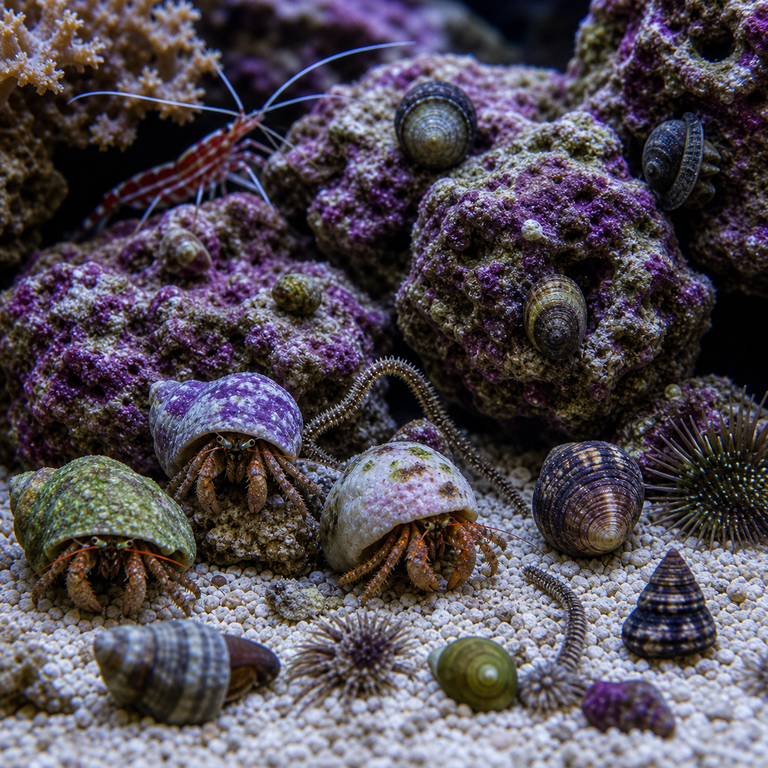
Clean-Up Crew
A hardworking mix of snails, hermits, and more that tackle algae, detritus, and film before it becomes a problem.
 ARTICLE
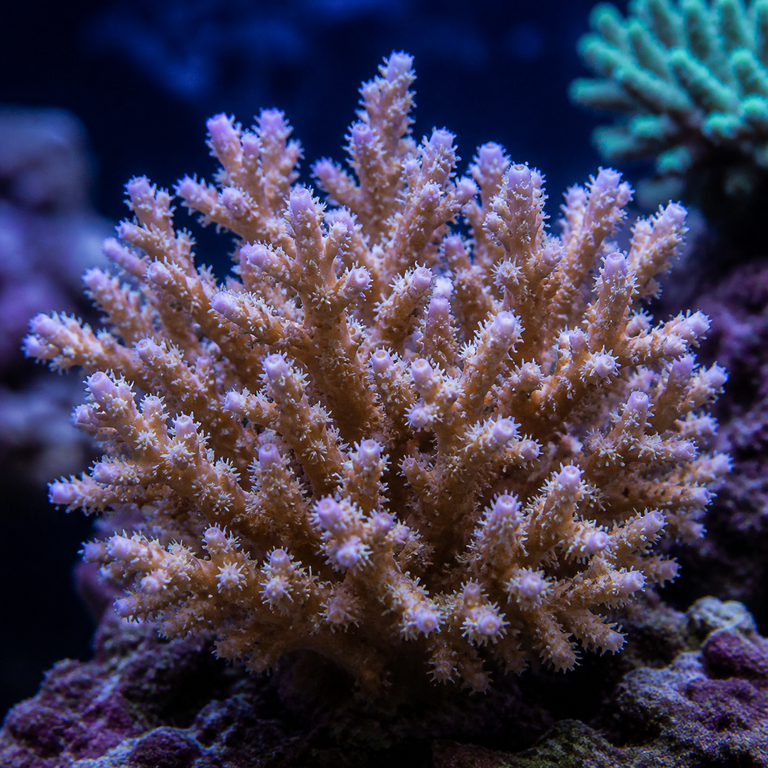
Birdsnest Coral
A popular branching SPS coral that forms a dense “nest” structure. Best in stable tanks with moderate-to-high light and strong, turbulent flow. More forgiving...
 ARTICLE
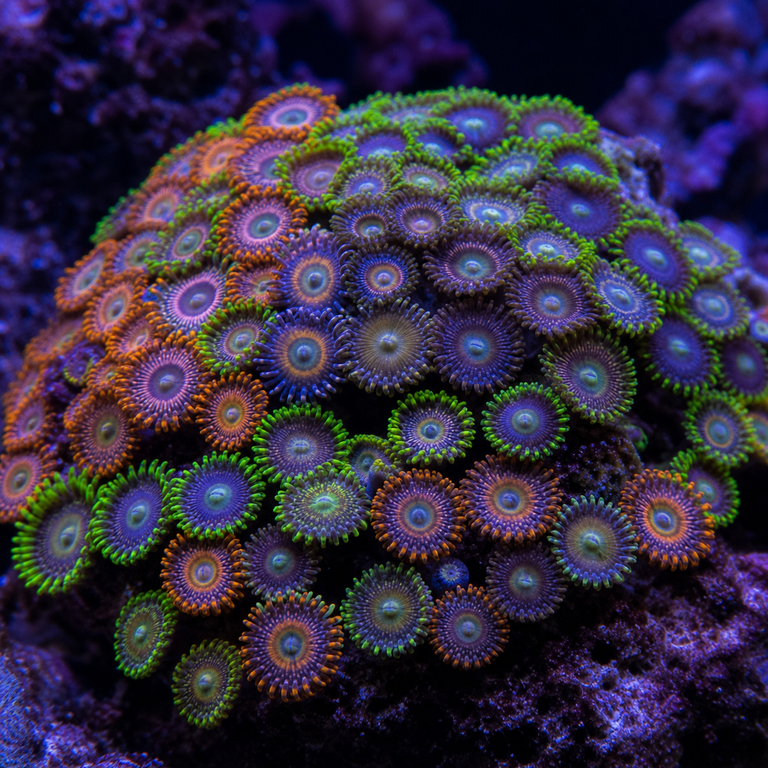
Zoanthids (Zoanthus spp.)
Zoanthids are colorful, beginner-friendly polyp corals that grow into colonies with stable conditions, low–moderate light, and moderate flow, but they can close up from...
 ARTICLE
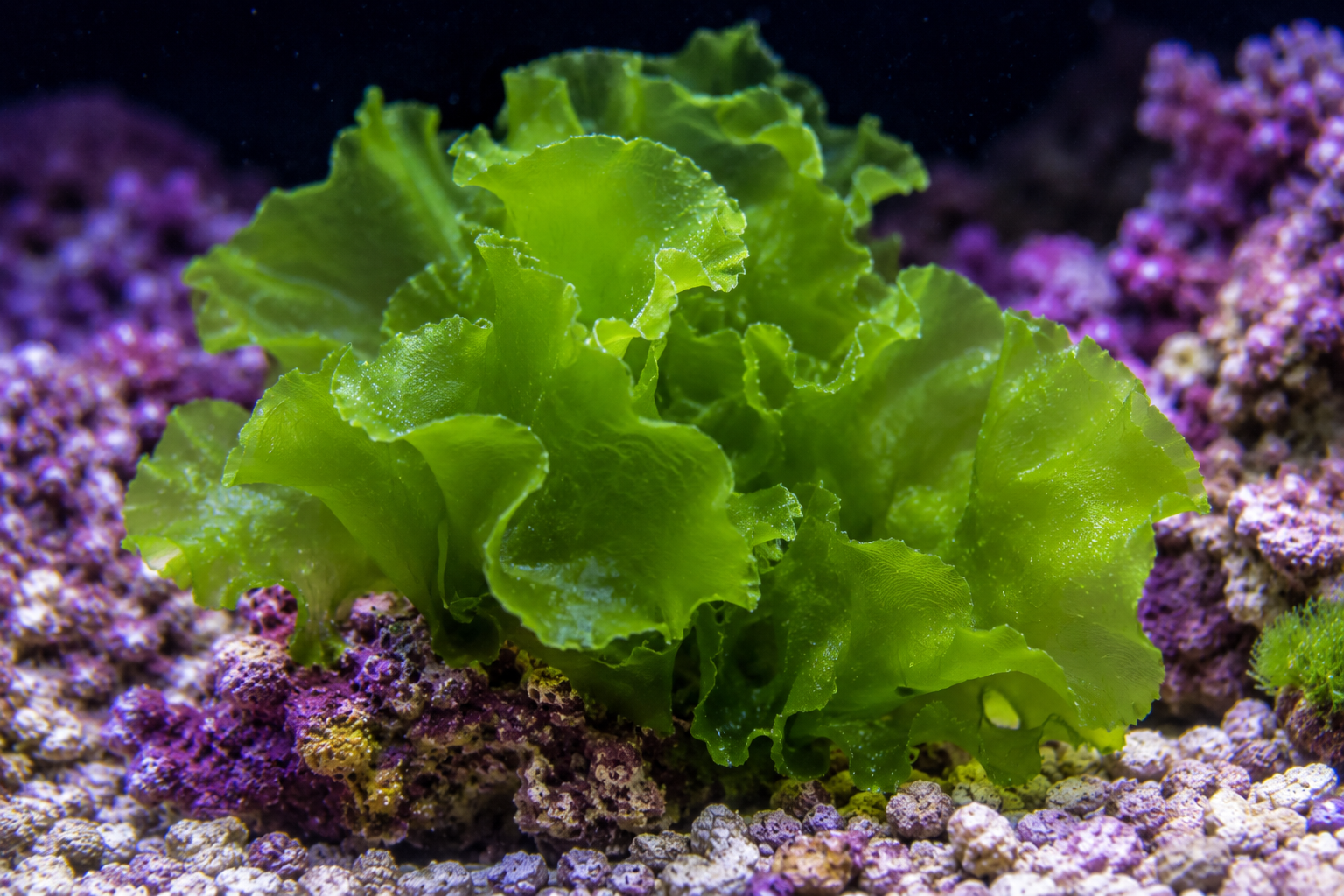
Ulva (Sea Lettuce)
Ulva (Sea Lettuce) is a fast-growing macroalgae used primarily for nutrient export and food web support. It thrives with moderate–high light, moderate flow, and...
 ARTICLE
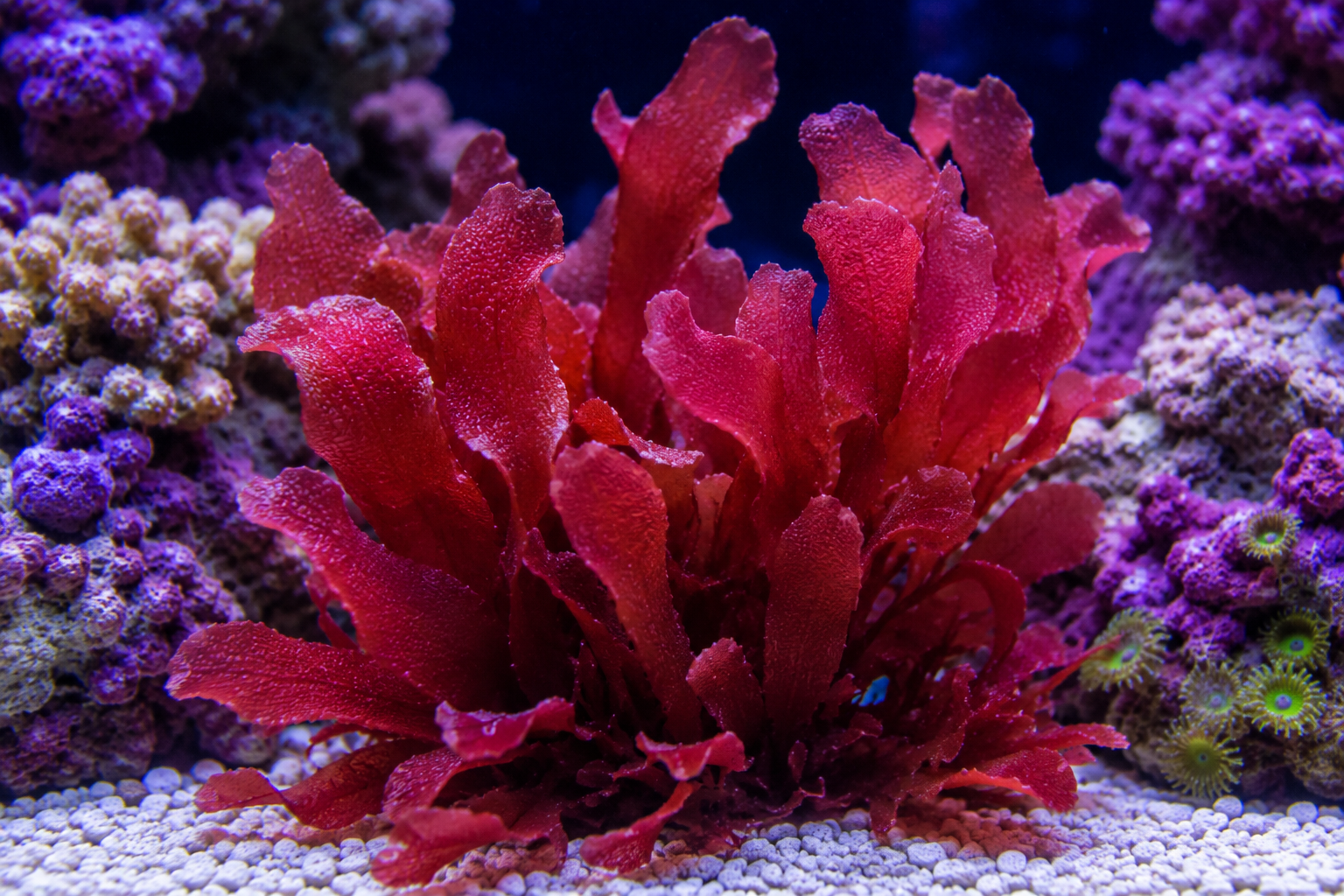
Dragon’s Tongue (Halymenia)
Dragon’s Tongue (Halymenia) is a display-friendly macroalgae that offers light nutrient export without aggressive growth. It does best in stable systems with moderate–high light,...
 ARTICLE
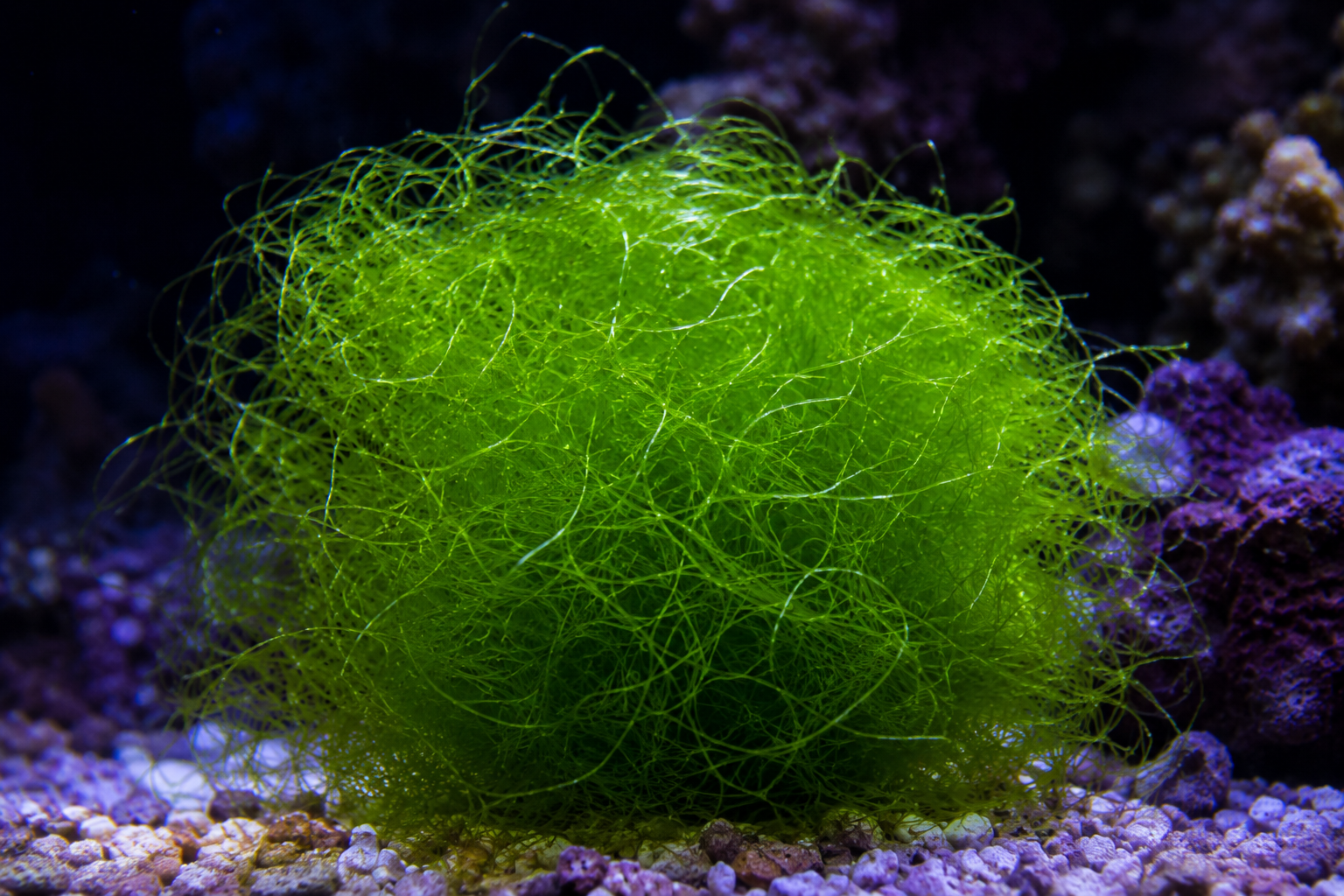
Chaeto (Chaetomorpha)
Chaeto (Chaetomorpha) is a utility macroalgae used almost exclusively for nutrient export and pod habitat in refugiums. It needs strong, consistent light, good flow,...
 ARTICLE
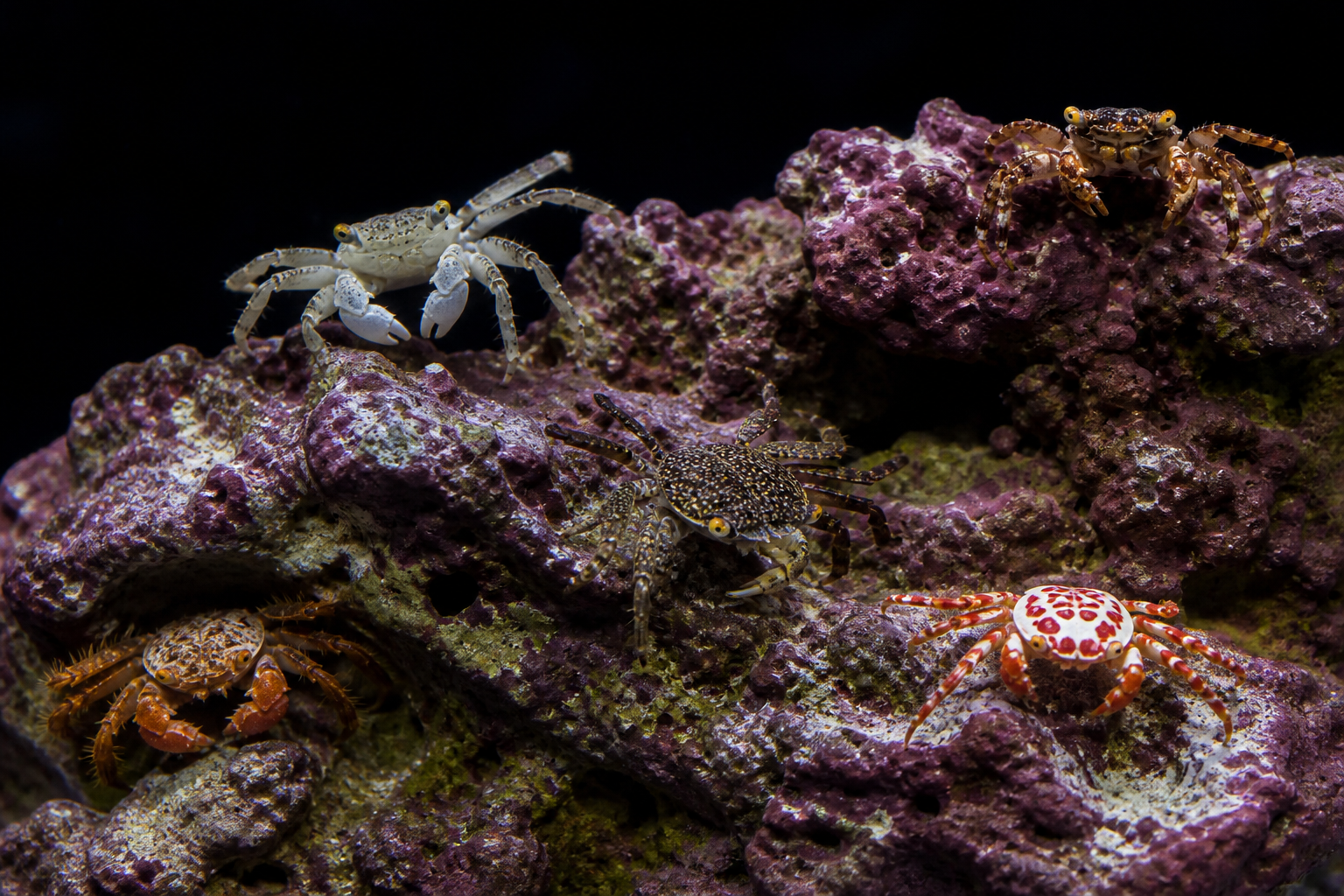
Gorilla Crabs
Gorilla/xanthid crabs are common hitchhikers that can become predators in reef tanks, often causing mystery snail and hermit losses. Because many are nocturnal and...
 ARTICLE
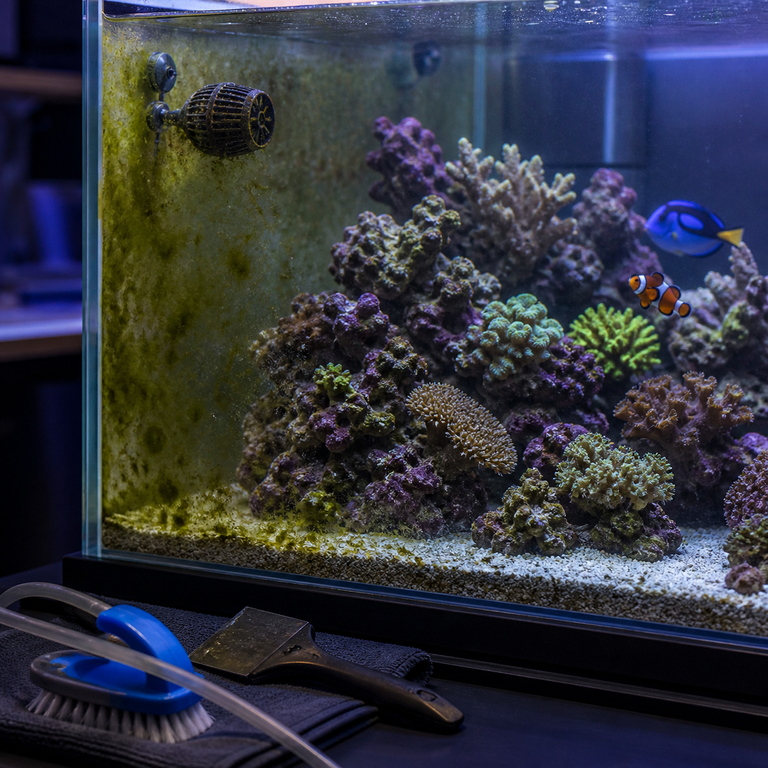
Red Planaria Flatworms
Red planaria are common nuisance flatworms that multiply quickly in low-flow, detritus-rich areas. Heavy infestations can shade and irritate corals, and large die-offs during...
ARTICLE
Vermetid Snails
Vermetid snails are tube-dwelling pests that spread on rock and frag plugs and feed with sticky mucus webs. Their webs can irritate corals and...
ARTICLE
Bristleworms (Eurythoe spp.)
Bristleworms are common reef hitchhikers that usually help clean detritus, but large individuals and certain species can become nuisance pests.
ARTICLE
Hydroids
Hydroids are stinging colonial polyps that hitchhike into reef tanks and can spread across plugs, racks, and rockwork. They often irritate corals and cause...
ARTICLE
Myrionema Hydroids
Myrionema hydroids are stinging colonial polyps that often spread around zoa mats and frag plugs, causing localized zoanthid irritation and persistent closure. They thrive...
ARTICLE
Christmas-Tree Hydroid
Fire/Christmas-tree hydroids are stinging Pennaria colonies that look like tiny feathery “mini trees” on plugs, racks, and sump/overflow surfaces. They can irritate corals—and sting...
 ARTICLE
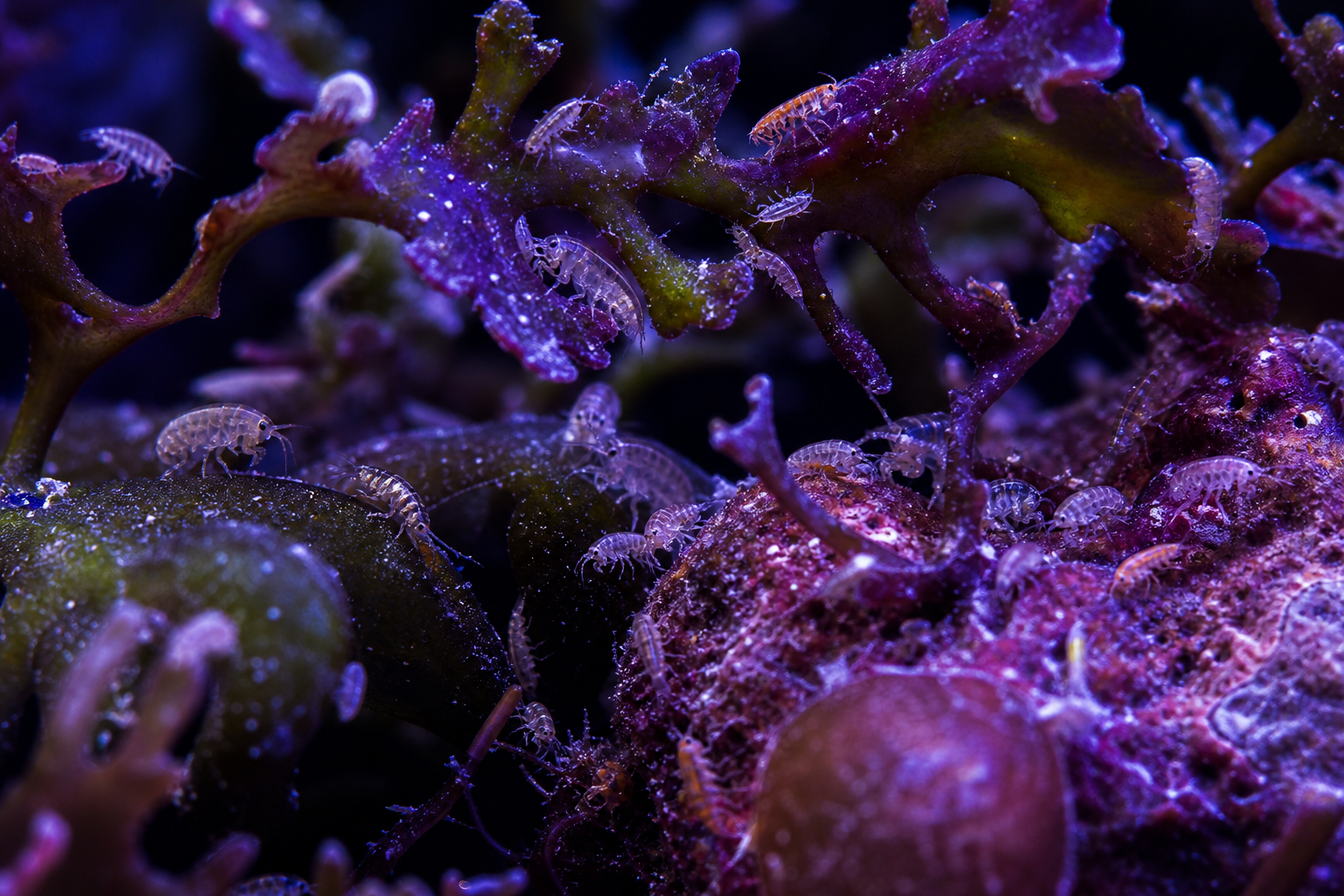
Amphipods
Amphipods are beneficial micro-crustaceans that support reef stability by recycling waste and serving as natural live food for fish. They thrive in tanks with...
 ARTICLE
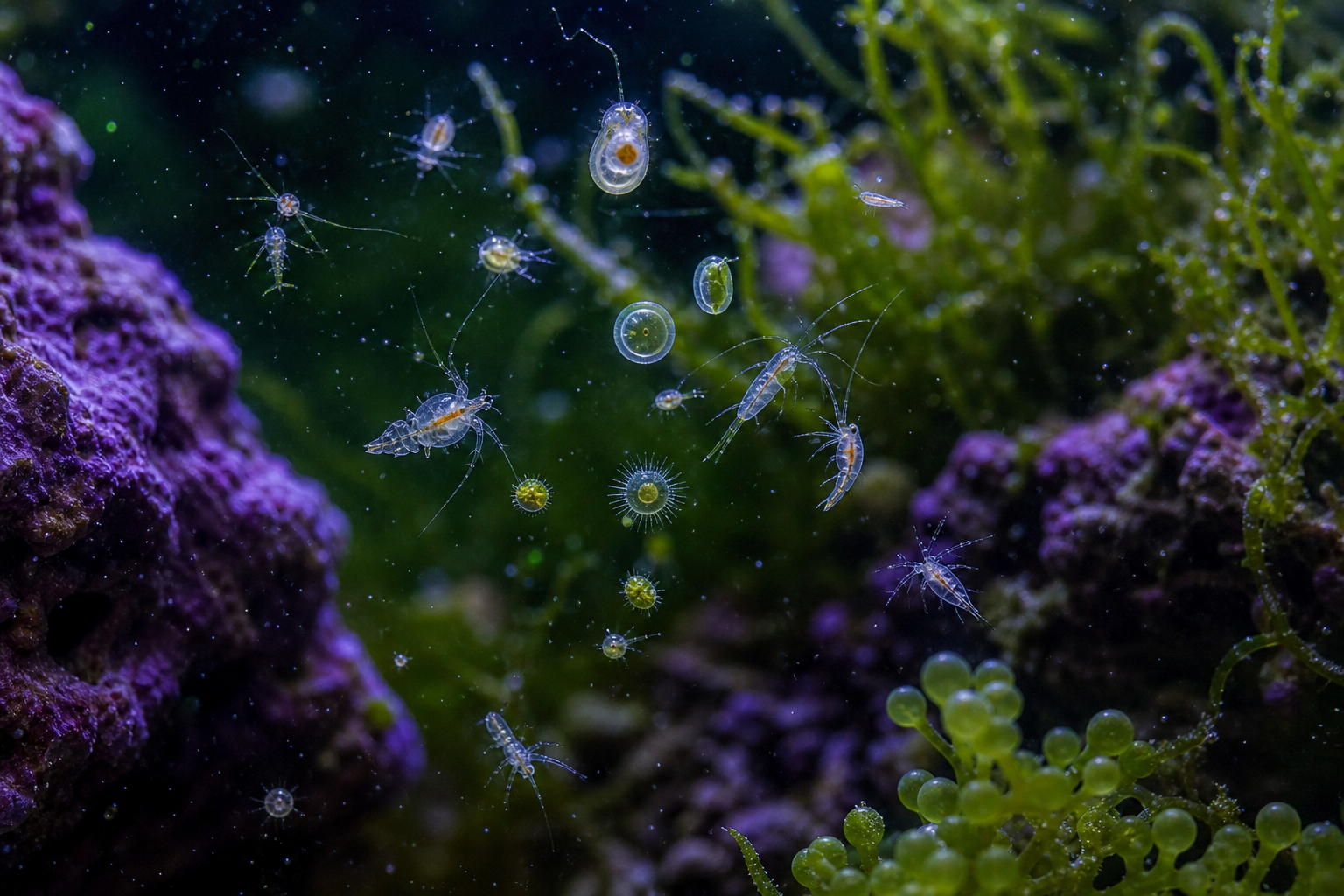
Copepods
Copepods are foundational micro-crustaceans that support biodiversity and provide natural live food in reef tanks. They thrive in stable systems with structure, food, and...
 ARTICLE
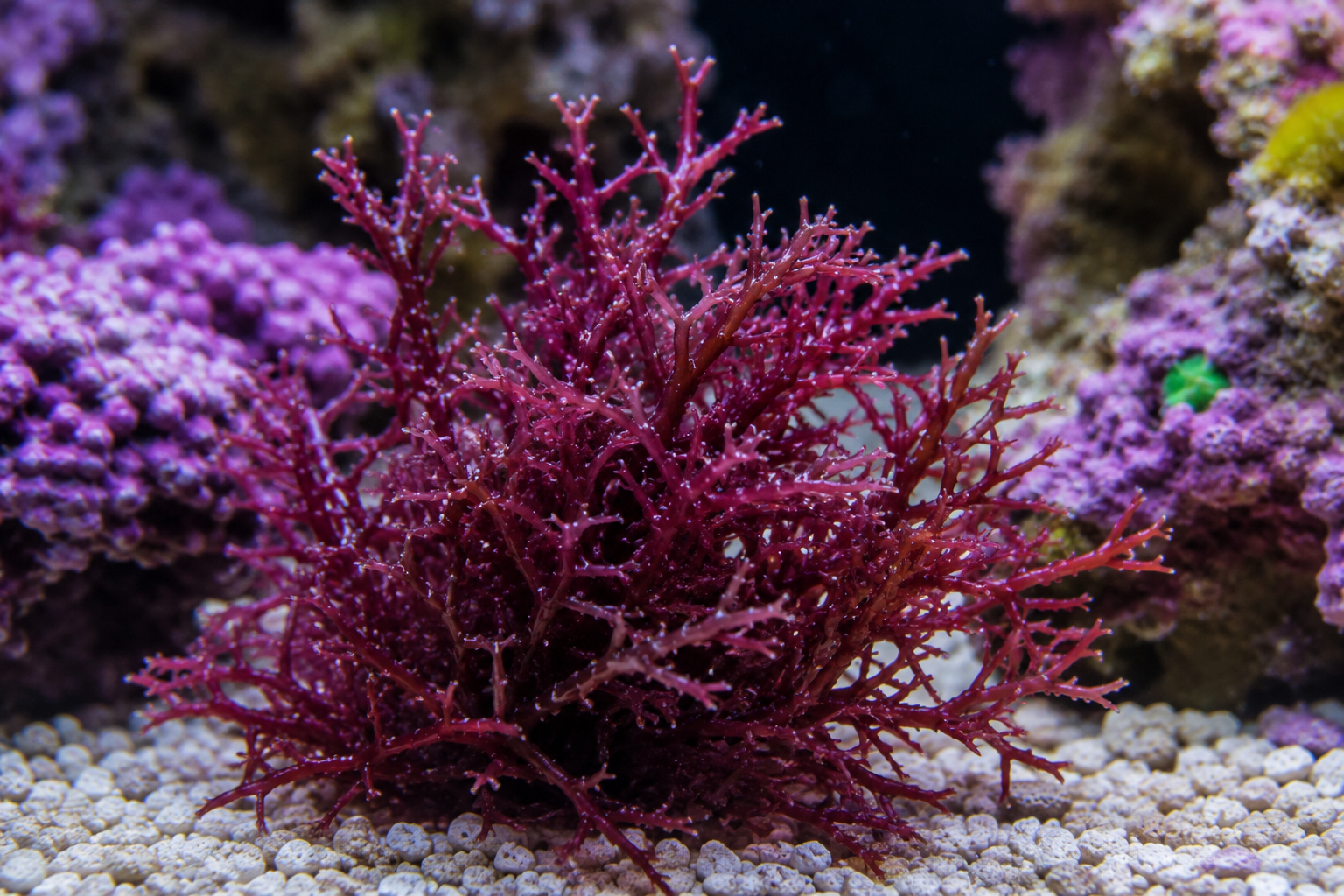
Gracilaria
Gracilaria is a reef-friendly macroalgae that provides steady nutrient export, pod habitat, and natural food for herbivores without becoming invasive. It grows best with...
 ARTICLE
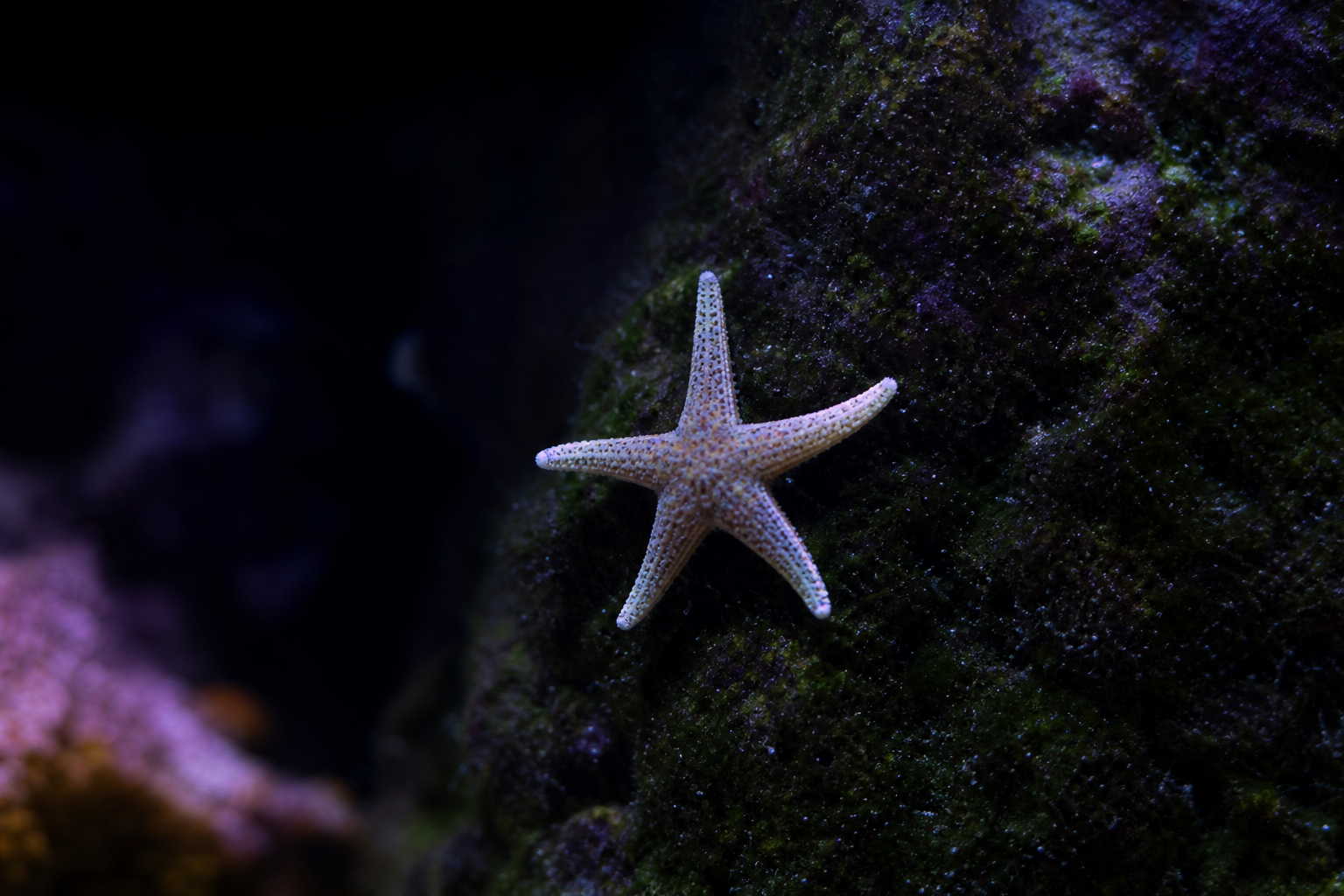
Asterina Starfish
Asterina starfish are common hitchhikers that usually act as harmless algae and biofilm grazers. In balanced tanks they stay in low numbers and do...
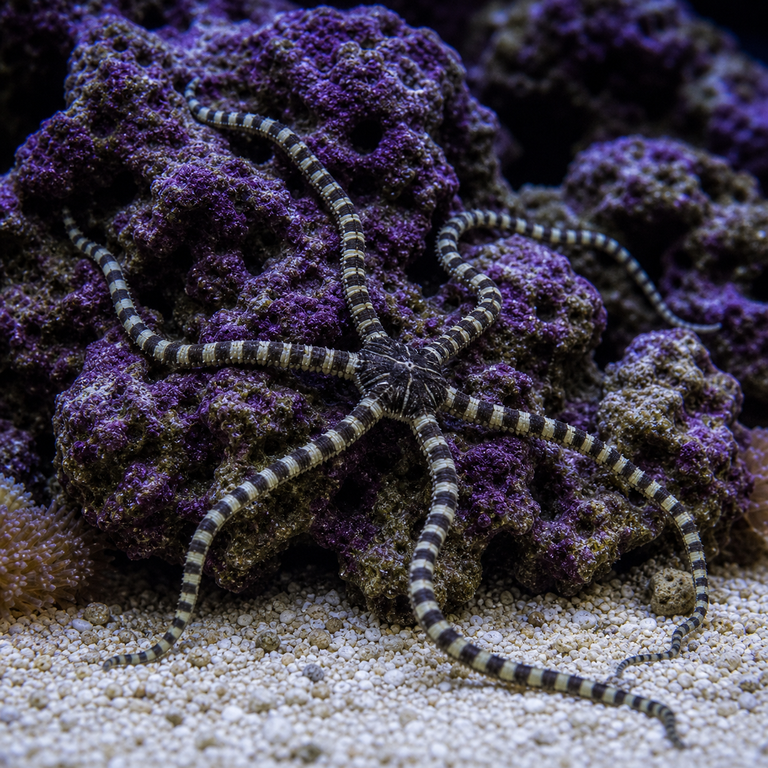
 ARTICLE
Sand-Sifting Starfish
Sand-sifting starfish clean sand by consuming the life within it, which makes them one of the most common slow-failure inverts in reef tanks. While...
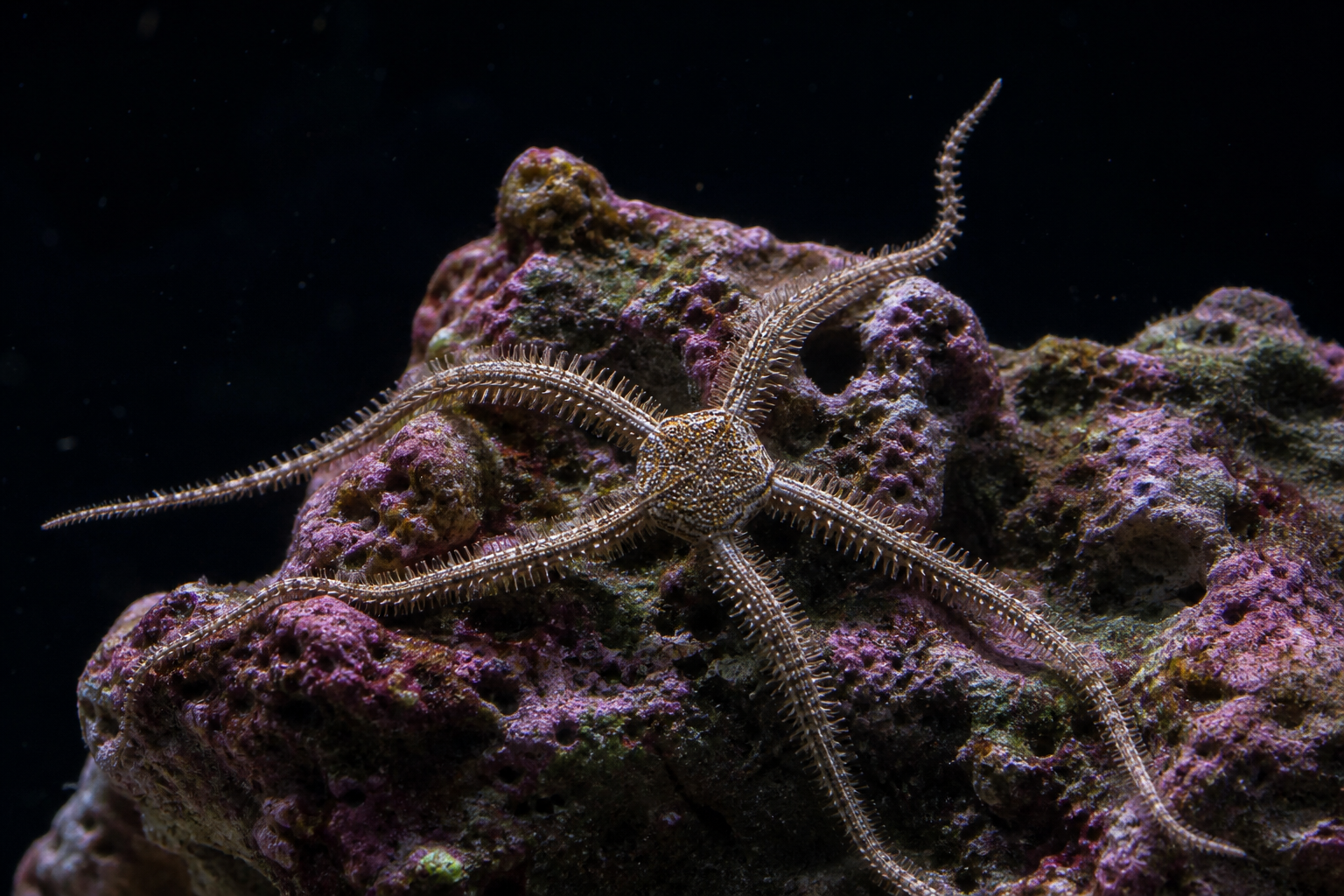
 ARTICLE
Serpent Star
Serpent stars are hardy, reef-safe scavengers that live in rockwork and clean up leftover food before it becomes a nutrient issue. They’re mostly nocturnal...
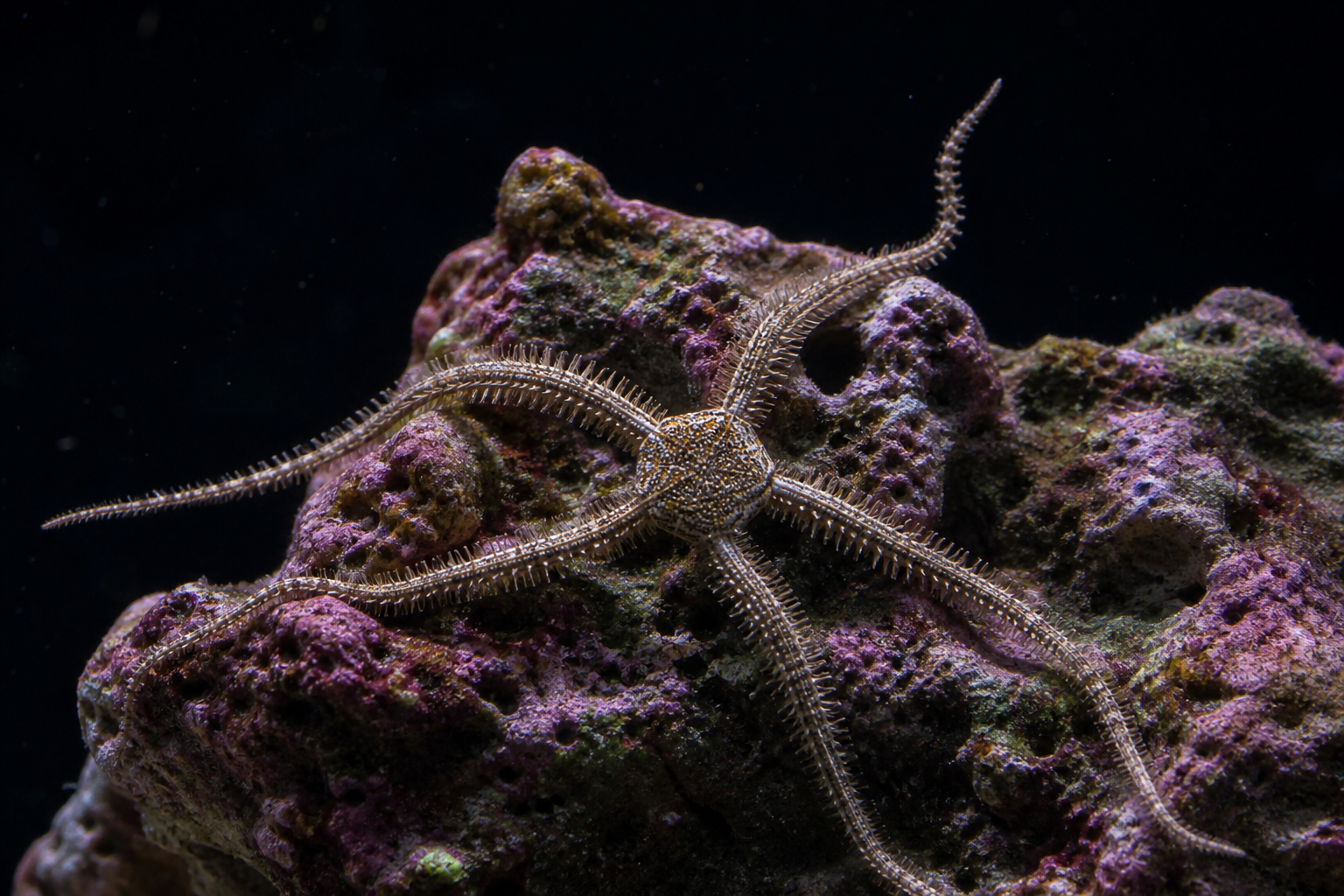 ARTICLE
Brittle Star
Brittle stars are reef-safe scavengers that live in rockwork and help clean up leftover food before it becomes a nutrient problem. They’re mostly hidden...
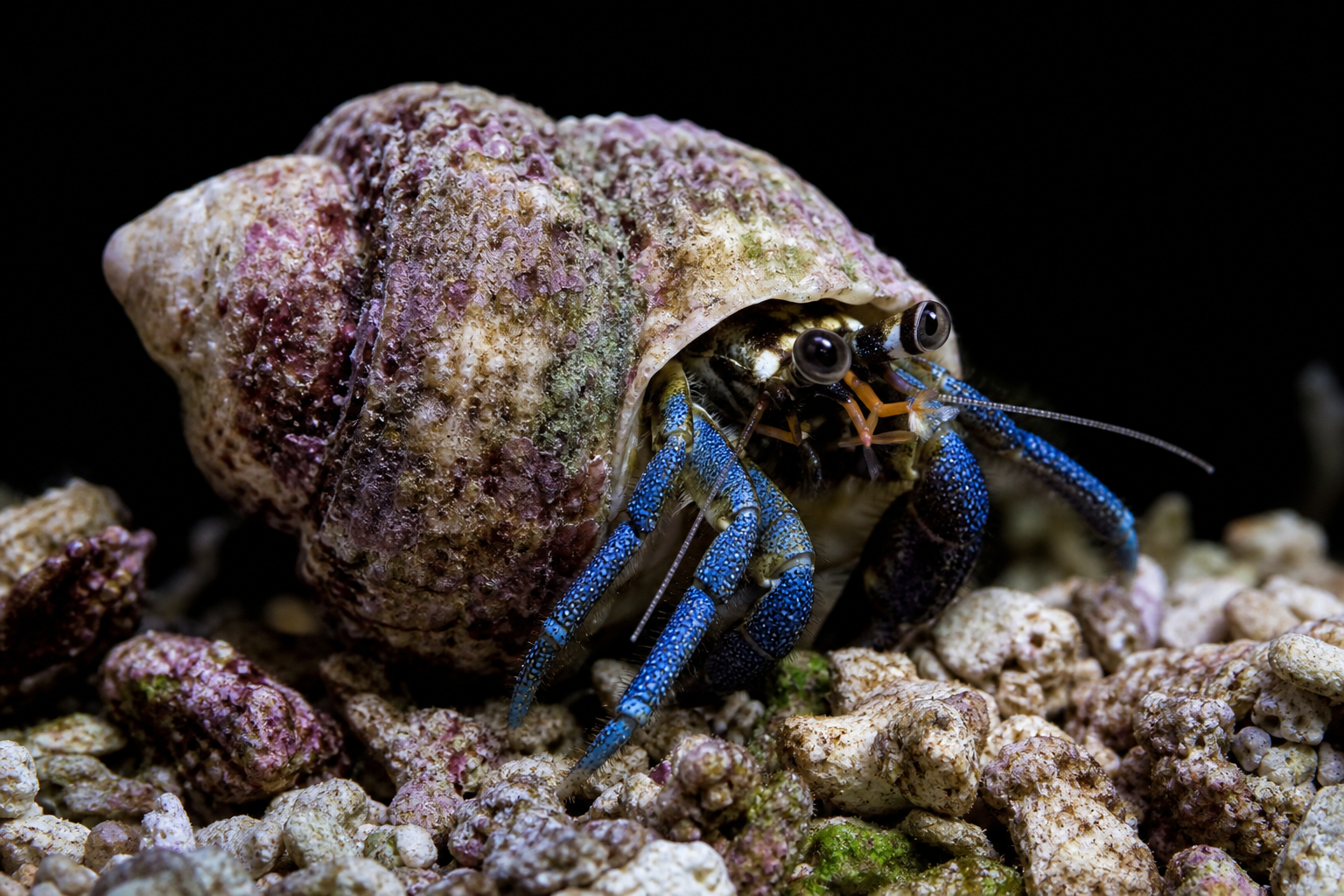 ARTICLE
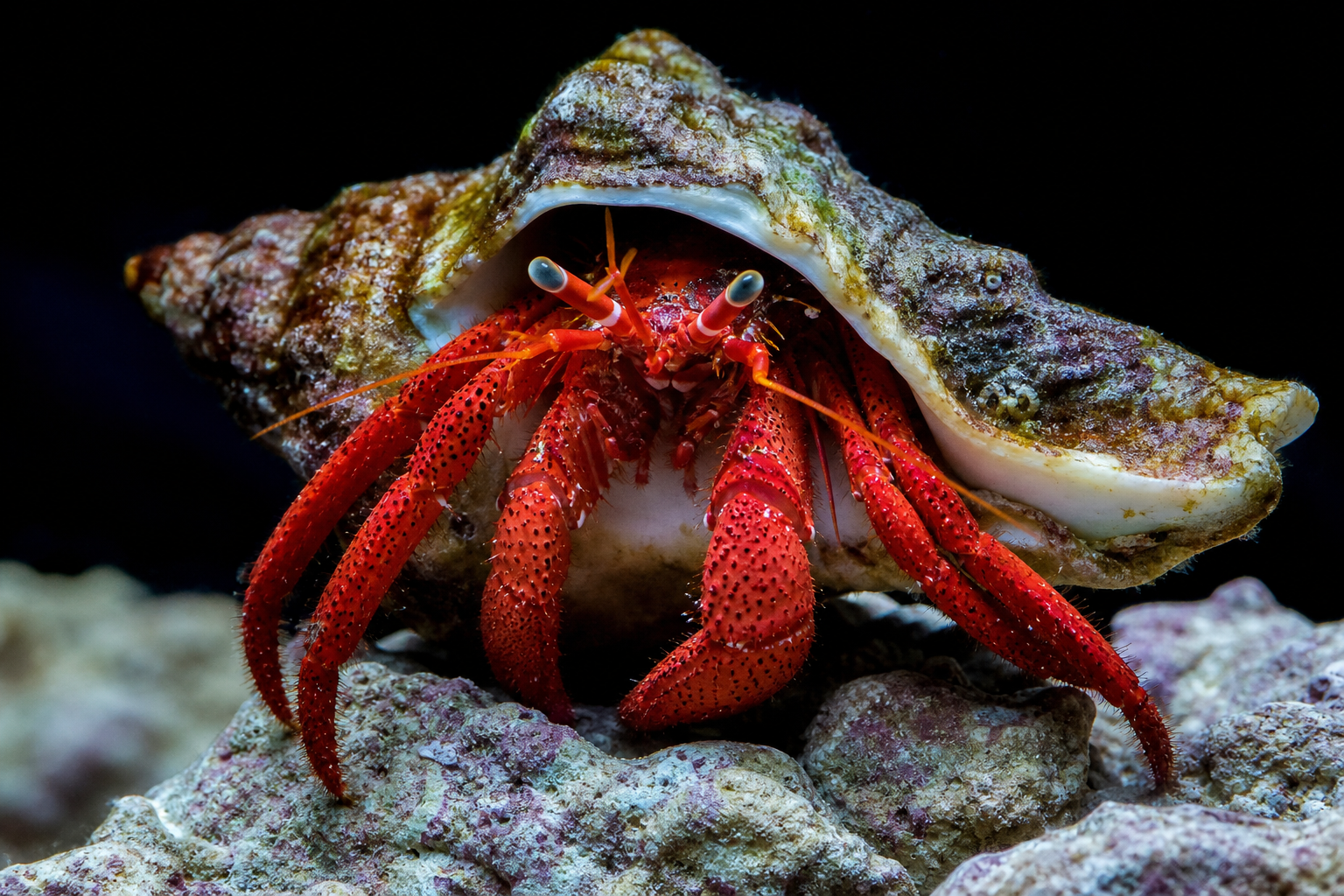
Blue-Leg Hermit Crab
Blue-leg hermits are active, hardy scavengers that help with algae and leftover food, but they’re more aggressive than scarlet hermits. Their biggest downside is...
 ARTICLE
Scarlet Hermit Crab
Scarlet hermit crabs are one of the most reef-friendly hermits available, known for grazing algae and biofilm without causing much trouble. They do best...
 ARTICLE
Astraea Snail
Astraea snails are reef-safe algae grazers that clean film algae and biofilm from rock and glass. Their main downside is that many can’t flip...
 ARTICLE
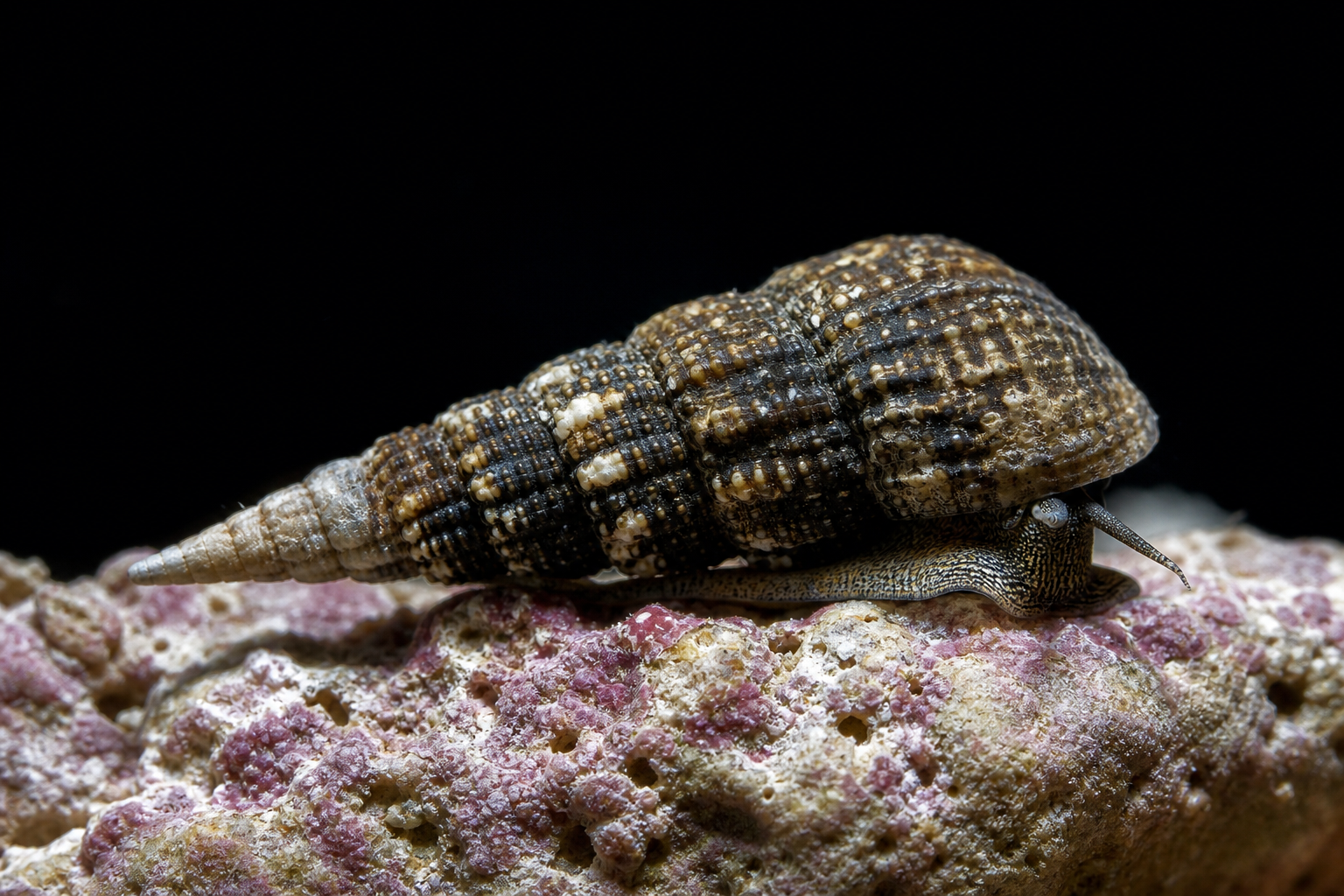
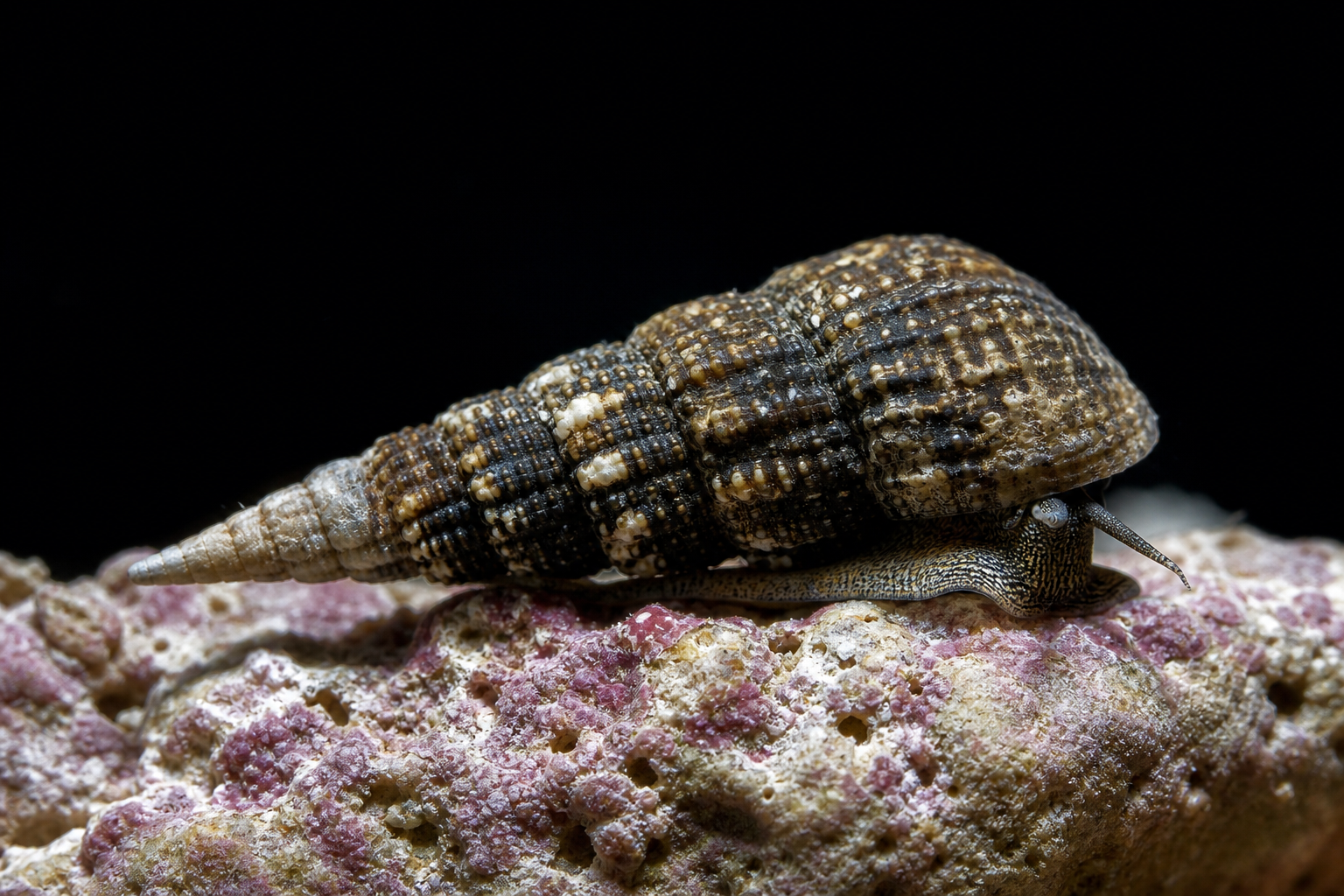
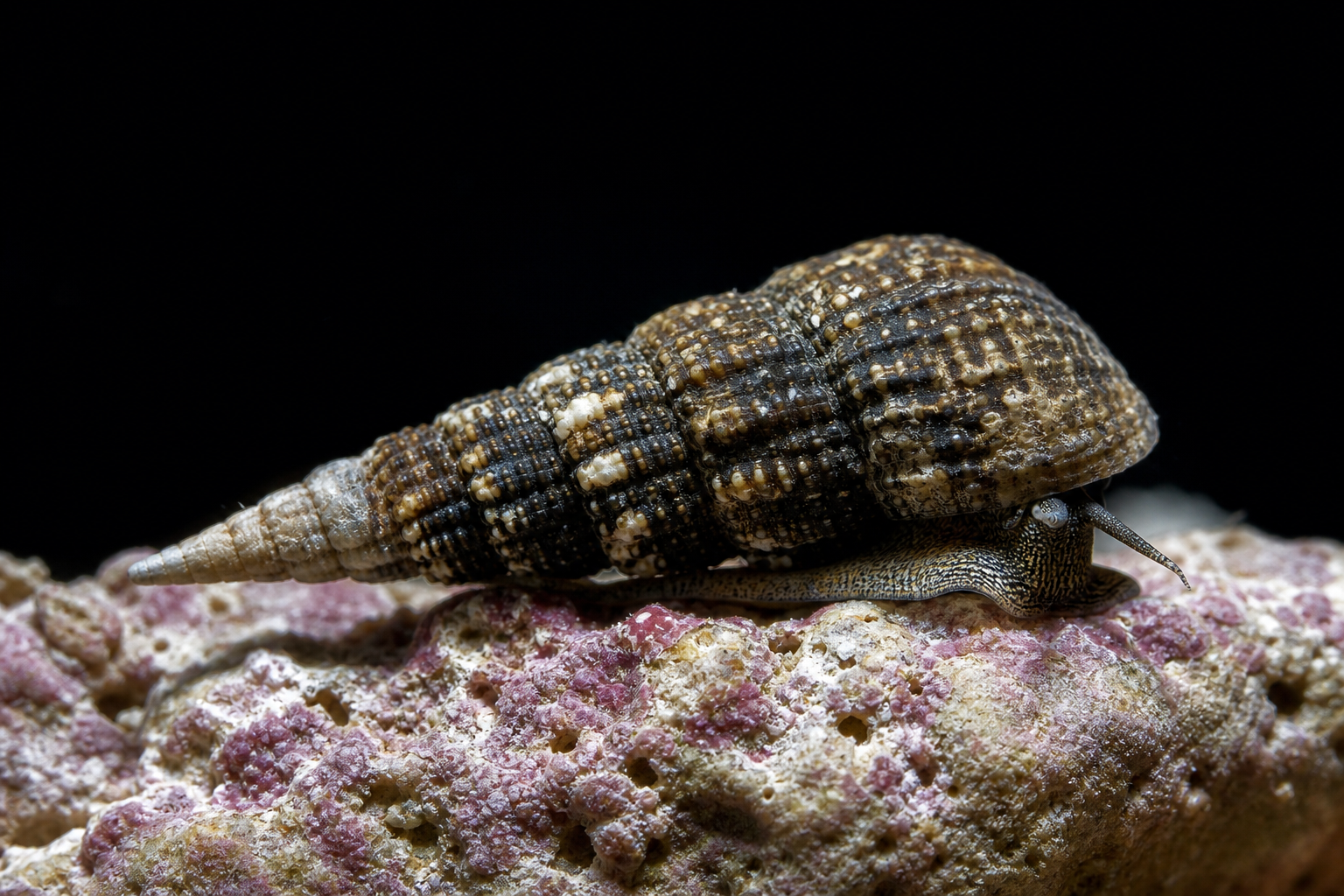
Cerith Snail
Cerith snails are versatile, reef-safe grazers that work across rock, glass, and sandbed edges, making them one of the most useful cleanup crew snails...
 ARTICLE
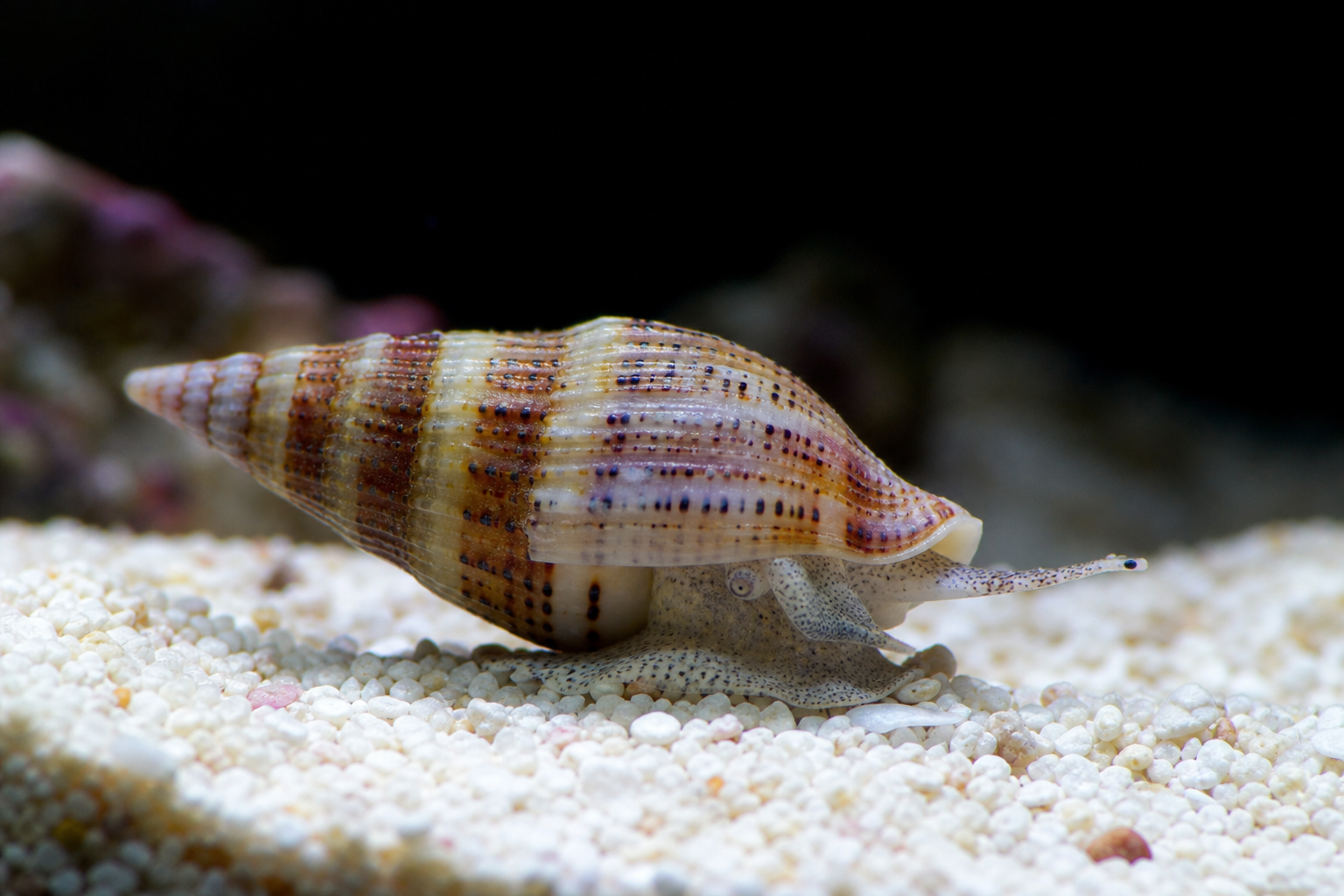
Nassarius Snail
Nassarius snails are sandbed scavengers that specialize in cleaning up leftover meaty food, not algae. They live buried in the sand and rely on...
 ARTICLE
Trochus Snail
Trochus snails are reliable, reef-safe algae grazers that work on both glass and rock without needing constant attention. They’re especially valued for their ability...