Overview
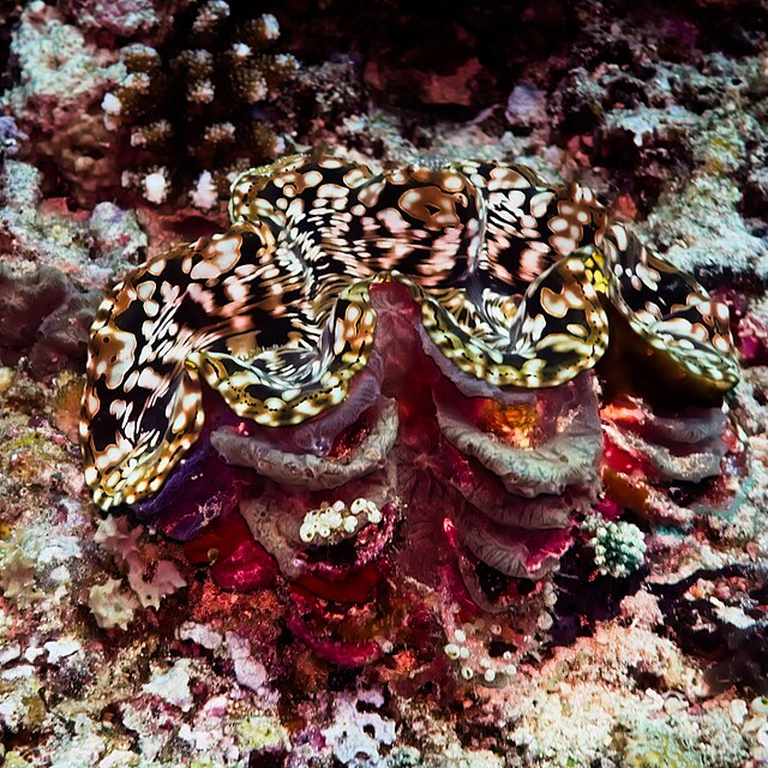
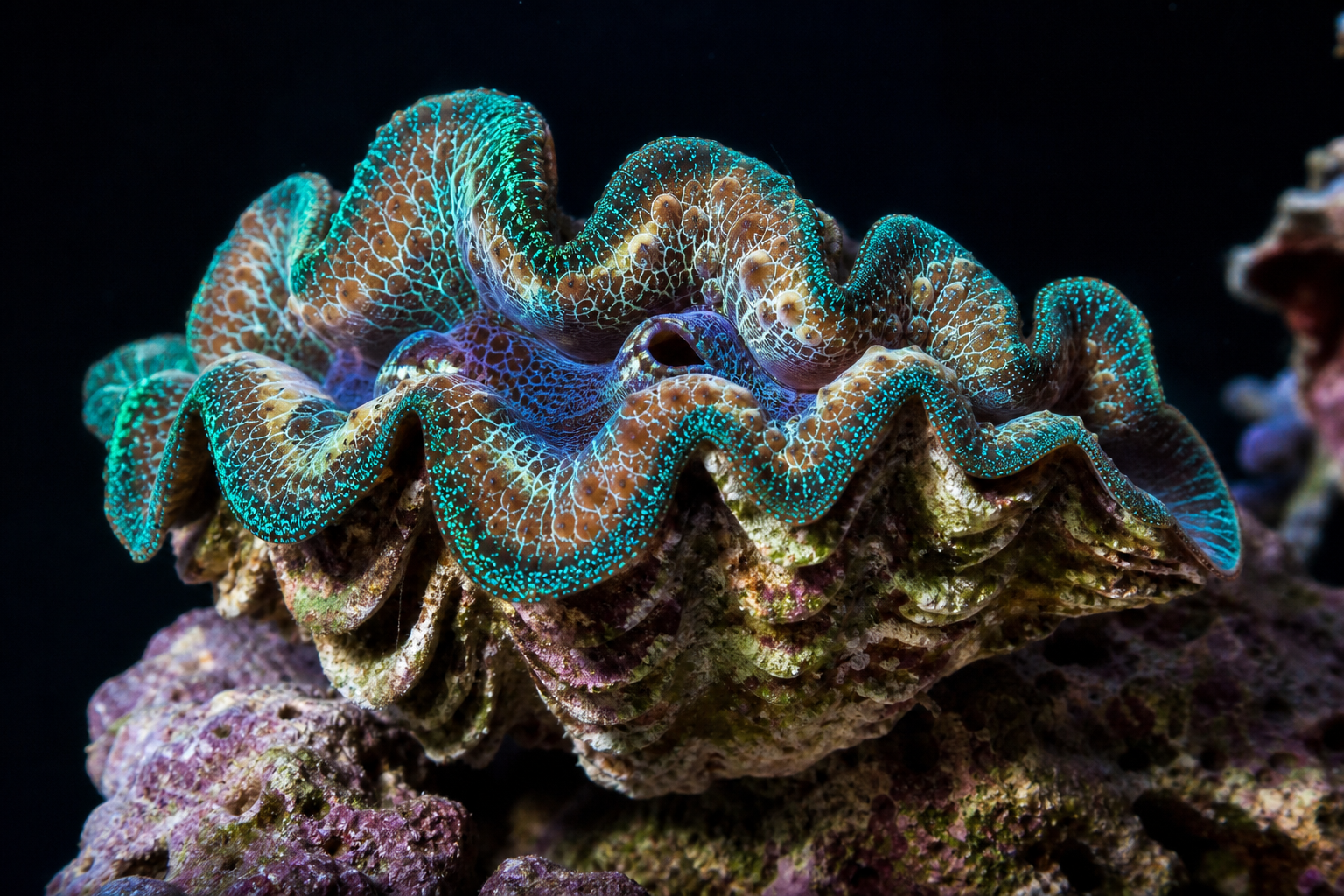
The Squamosa Clam is one of the more forgiving giant clams you can keep, and a great option for reefkeepers who want a true Tridacna without pushing the absolute limits of lighting and placement. It’s bold, textured, and grows into a solid, unmistakable reef animal that feels permanent once settled.
That said, “more forgiving” doesn’t mean “easy.” Squamosas still demand stable chemistry, consistent light, and a mature tank. They just tend to be less temperamental than some of the ultra–high-light clams and are more tolerant of sandbed placement, which makes them approachable for intermediate keepers.
If you want a clam that rewards good fundamentals instead of punishing every minor mistake, Squamosa fits that bill nicely.
Quick Care Snapshot
Difficulty: Intermediate
Minimum tank size: 75 gallons (footprint matters)
Tank maturity: 6–12+ months recommended
Lighting: Moderate to high
Flow: Low to moderate, indirect
Placement: Sandbed or stable rock surface
Feeding: Primarily light-driven; benefits from a non-sterile system
Reef safe: Yes
Temperament: Peaceful
Biggest risks: Unstable alkalinity/calcium, insufficient light, repeated irritation
Natural Background
Squamosa clams are found in shallow reef environments where light is strong but not always extreme, and water conditions are stable. They often sit on sandy or rubble areas near reef structure rather than being locked onto exposed rock faces.
Like other Tridacna clams, they host symbiotic algae in their mantles, which provide most of their energy through photosynthesis. They also filter small particles from the water, but light is the primary driver of long-term health.
In aquariums, this means Squamosas thrive when:
• light is adequate and consistent
• chemistry doesn’t swing
• the clam is allowed to settle and stay put
Tank Requirements
Tank maturity and stability
Squamosa clams don’t tolerate instability well. Before adding one, your tank should already have:
• stable salinity
• stable temperature
• consistent alkalinity and calcium consumption
If you’re still chasing numbers week to week, wait.
Water parameters (stability over perfection)
Normal reef ranges are fine as long as they don’t swing:
• Alkalinity: stable (this is critical)
• Calcium: stable
• Magnesium: stable
• Salinity: stable
• Temperature: stable
Clams are excellent early-warning systems for instability, especially alkalinity swings.
Lighting
Squamosas prefer moderate to high light, but they’re generally more tolerant of slightly lower intensity than some other giant clams.
Key points:
• consistent photoperiod
• slow acclimation to brighter light
• avoid frequent lighting changes
If lighting is insufficient, the mantle will slowly lose fullness and extension over time.
Flow
Low to moderate, indirect flow works best:
• enough to keep water fresh around the mantle
• not so strong that it causes constant retraction
Direct flow blasting the mantle is a common stressor.
Placement
One of the Squamosa’s strengths is placement flexibility.
They can do well:
• on the sandbed
• on a flat, stable rock surface
What matters most:
• stability (no tipping)
• no constant irritation from neighbors
• appropriate light for the chosen spot
Once a clam attaches, avoid moving it unless absolutely necessary.
Feeding
Squamosa clams get most of their energy from light.
What they rely on
• photosynthesis via symbiotic algae
• filtering fine particles naturally present in the water
In most stocked reef tanks, this is sufficient.
When feeding becomes more important
• very young or small clams
• ultra-low nutrient systems
• tanks with minimal fish feeding
Rather than heavy direct feeding, success usually comes from maintaining a healthy, non-sterile food web.
Dumping excess food into the tank often causes nutrient problems without meaningfully helping the clam.
Compatibility
With corals
Squamosa clams are reef safe, but they need space:
• corals can sting the mantle
• aggressive LPS sweepers can cause chronic stress
Give clams a buffer zone.
With fish
Most fish are fine, but watch for:
• mantle nipping
• repeated “testing” behavior
A clam that stays closed too often will slowly decline.
With inverts
Normal cleanup crew is usually fine, but:
• persistent irritation from snails or crabs can be a problem
• clams don’t defend themselves—they just close and suffer
Common Mistakes
1) Underestimating chemistry stability
Lighting gets all the attention, but unstable alkalinity kills clams quietly.
2) Placing them where they get knocked over
A toppled clam is a stressed clam.
3) Running an ultra-clean system
Zero nutrients means less available filtered food.
4) Moving an attached clam
Once attached, moving it can damage tissue and attachment threads.
5) Ignoring slow decline
Clams rarely crash suddenly—most problems show up gradually if you’re paying attention.
Notes & Variations
Signs of a healthy Squamosa
Good signs:
• full mantle extension during the day
• quick reaction to shadows
• consistent opening and closing cycle
• stable positioning
Red flags:
• gaping shell
• thin or withdrawn mantle
• staying closed for long periods
• repeated irritation from neighbors
“Is Squamosa good for intermediate keepers?”
Yes—if your tank is stable and your lighting is appropriate. It’s not a beginner clam, but it’s one of the more forgiving options once fundamentals are solid.
Growth expectations
Squamosas can grow large over time. Plan for the adult footprint when choosing placement.
Final Thoughts
Squamosa clams are a great example of a reef animal that rewards patience and consistency. They don’t need extreme setups, but they absolutely require a tank that behaves predictably.
If your reef is stable, well-lit, and not constantly being tweaked, a Squamosa can become a long-term, low-drama centerpiece that quietly proves you’re doing things right.