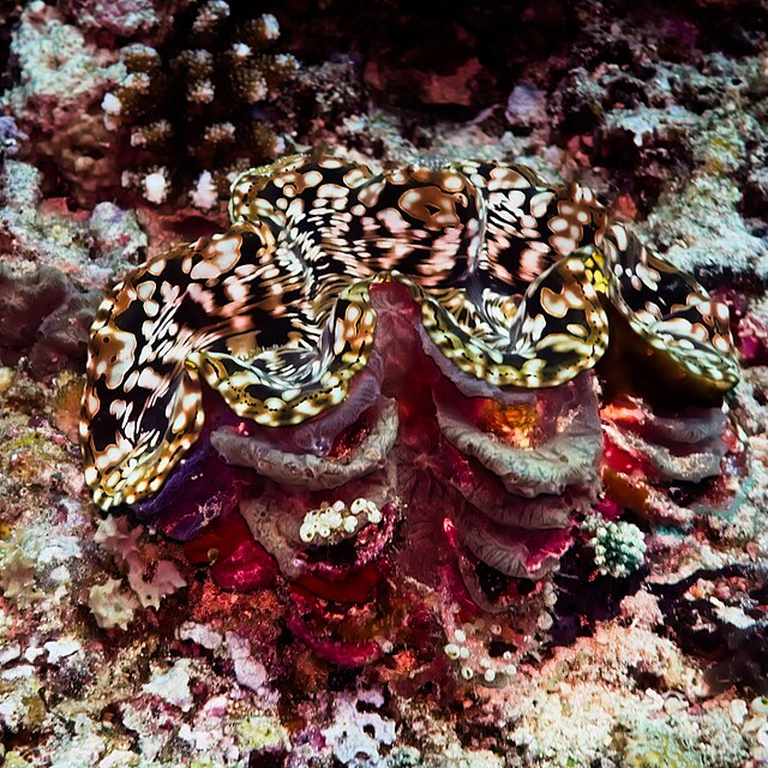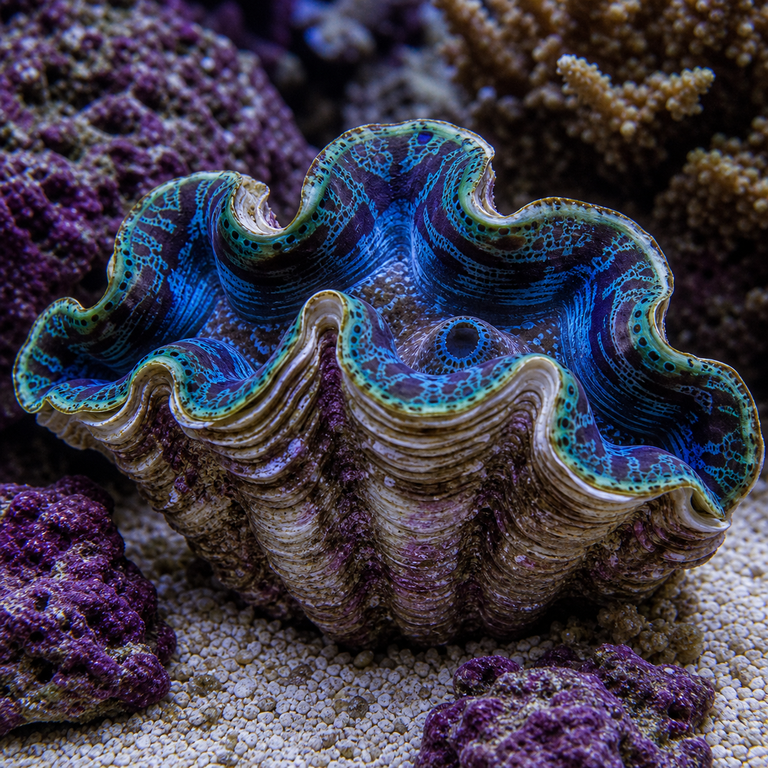
Overview
The Derasa Clam is often considered one of the most approachable giant clams for reef aquariums—and for good reason. It’s large, bold, and impressive, but generally more forgiving about placement and light intensity than some of the more demanding clams.
That said, “forgiving” doesn’t mean casual.
Derasa clams still require stable water chemistry, consistent lighting, and a mature system. What makes them appealing is that they’re usually happier on the sandbed, tolerate slightly lower light than some other clams, and tend to settle in and stay put once comfortable.
If you want a true giant clam experience without pushing your system to extremes, Derasa is often a smart, honest choice.
Quick Care Snapshot
Difficulty: Intermediate
Minimum tank size: 75 gallons (larger footprint strongly preferred)
Tank maturity: 6–12+ months recommended
Lighting: Moderate to high
Flow: Low to moderate, indirect
Placement: Sandbed (preferred) or very stable rock
Feeding: Primarily light-driven; benefits from a healthy, non-sterile system
Reef safe: Yes
Temperament: Peaceful
Biggest risks: Unstable alkalinity/calcium, insufficient light, toppling or irritation
Natural Background
Derasa clams are typically found in sandy or rubble areas near reef structures rather than clinging tightly to exposed rock faces. They experience strong light but not always the most extreme conditions on the reef crest.
Like all Tridacna clams, they host symbiotic algae in their mantles, which supply most of their energy. They also filter small particles from the water, but photosynthesis is the primary driver of growth and long-term health.
This natural history explains why Derasas do so well on the sandbed in aquariums and why stability matters more than chasing intensity.
Tank Requirements
Tank maturity and stability
Derasa clams respond quickly to instability. Before adding one, your tank should already demonstrate:
• stable salinity
• stable temperature
• predictable alkalinity and calcium usage
If parameters swing noticeably week to week, it’s better to wait.
Water parameters (consistency is everything)
Exact numbers matter less than consistency:
• Alkalinity: stable
• Calcium: stable
• Magnesium: stable
• Salinity: stable
• Temperature: stable
Alkalinity swings are one of the most common silent killers of clams.
Lighting
Derasas prefer moderate to high light, but they’re generally more tolerant of slightly lower intensity than some other giant clams.
Key points:
• consistent photoperiod
• slow acclimation to brighter light
• avoid frequent lighting changes
If light is insufficient, decline tends to be gradual: less mantle extension, slower growth, and eventual weakness.
Flow
Low to moderate, indirect flow works best:
• enough to keep fresh water moving across the mantle
• not so strong that the mantle collapses or stays retracted
Direct, high-pressure flow aimed at the clam is stressful and counterproductive.
Placement
Derasa clams are best placed:
• directly on the sandbed
• on a stable, flat surface where they won’t tip
They may attach lightly, but many remain free-standing. Stability matters more than attachment.
Avoid placing them where snails, fish, or flow can knock them over repeatedly.
Feeding
Derasa clams get most of their energy from light.
What they rely on
• photosynthesis via symbiotic algae
• filtering fine particles naturally present in the water
In most stocked reef tanks, this combination is enough.
When feeding matters more
• very small or young clams
• ultra-clean systems with minimal nutrients
• tanks with very light fish feeding
Rather than heavy target feeding, success usually comes from maintaining a balanced food web. Constantly dumping food often creates nutrient issues without significantly benefiting the clam.
Compatibility
With corals
Derasas are reef safe, but they need space:
• corals can sting the mantle
• aggressive LPS sweepers can cause chronic irritation
Give clams a buffer zone.
With fish
Most fish are fine, but watch for:
• mantle nipping
• repeated “testing” behavior
A clam that stays closed too often will slowly decline.
With inverts
Normal cleanup crew is usually fine, but:
• persistent irritation from snails or crabs can stress the clam
• clams don’t defend themselves; they simply close
Common Mistakes
1) Assuming “sandbed clam” means low requirements
They’re forgiving about placement—not chemistry or light.
2) Ignoring alkalinity swings
Clams often show stress here before corals do.
3) Placing them where they get knocked over
Repeated toppling causes stress and decline.
4) Running ultra-low nutrient systems
Zero nutrients can starve the filtering side of their nutrition.
5) Moving them after they settle
Once comfortable, leave them alone.
Notes & Variations
Signs of a healthy Derasa
Good signs:
• full mantle extension during the day
• quick response to shadows
• consistent opening and closing cycle
• stable position
Red flags:
• gaping shell
• thin or withdrawn mantle
• staying closed for long periods
• visible irritation from neighbors
Growth expectations
Derasa clams can grow quite large over time. Plan placement with adult size in mind.
Is Derasa beginner-friendly?
Beginner-accessible, not beginner-proof. If your tank is stable and your lighting is adequate, Derasa is one of the easier giant clams to succeed with.
Final Thoughts
Derasa clams reward reefkeepers who value stability over tinkering. They don’t demand extreme setups, but they absolutely punish inconsistency.
If your reef is mature, predictable, and well-lit, a Derasa can become a long-term, low-drama centerpiece that quietly signals everything is working as it should.