Overview
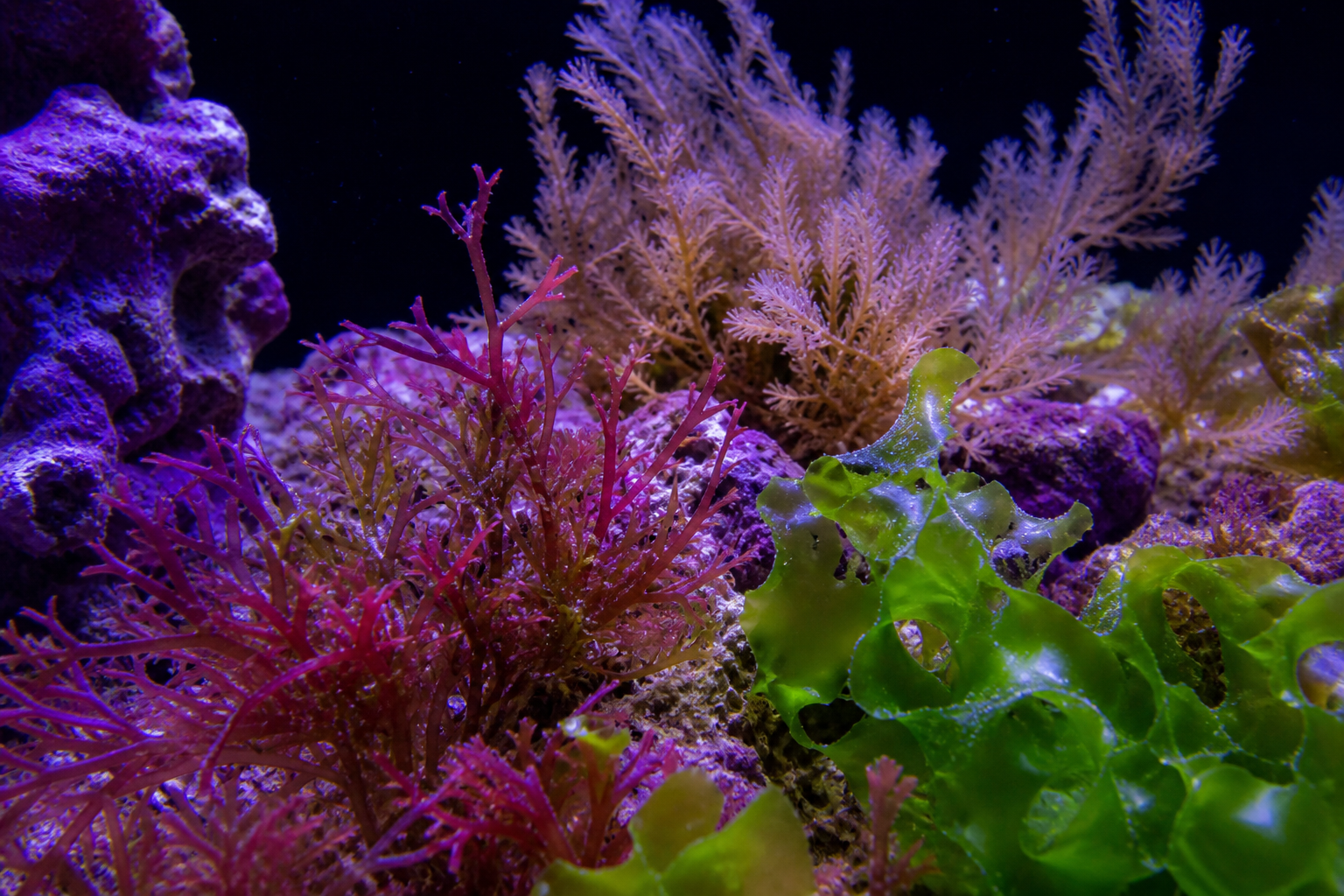
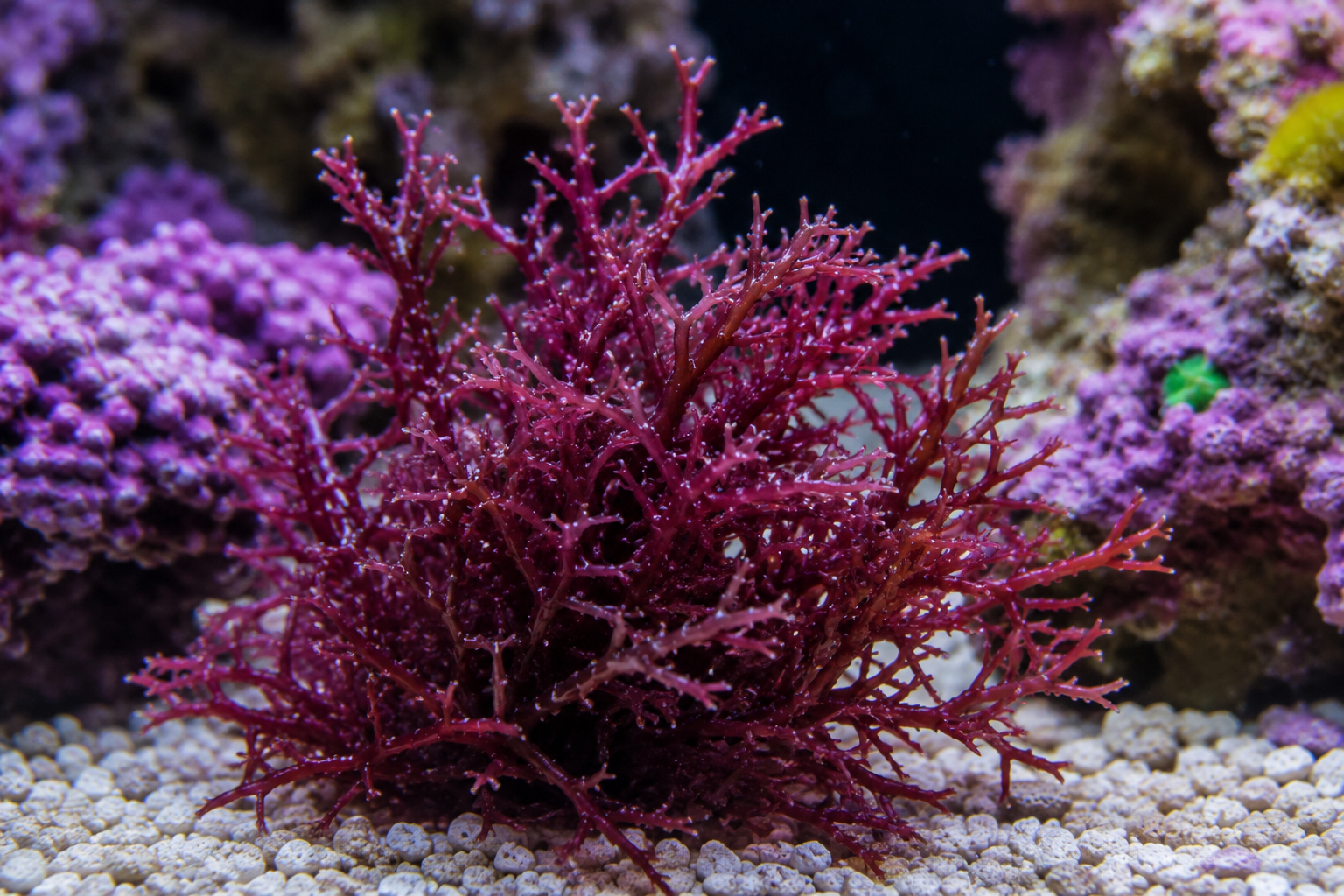
Gracilaria is one of the most reef-friendly macroalgae you can keep—useful, attractive, and generally well-behaved. It’s often added for nutrient export, pod habitat, and as a natural food source for herbivores, but unlike some fast, messy macros, Gracilaria tends to grow in a more controlled, predictable way.
Think of Gracilaria as a functional macroalgae that still looks intentional. It’s less “utility ball of algae” and more “this actually belongs in a reef system,” whether that’s in a refugium or a carefully managed display.
If you want macroalgae that does real work without trying to take over your tank, Gracilaria is a strong candidate.
Quick Care Snapshot
Difficulty: Easy to moderate
Tank size: Any (display or refugium)
Tank maturity: Any, best in established systems
Lighting: Moderate to high
Flow: Moderate
Placement: Refugium, sump, or display (with control)
Feeding: Nitrate and phosphate
Reef safe: Yes
Primary role: Nutrient export, pod habitat, herbivore food
Biggest risk: Starvation in ultra-low nutrient systems
Natural Background
Gracilaria is a red macroalgae commonly found in shallow marine environments where light, nutrients, and water movement are steady. It grows in branching, flexible structures rather than dense mats or sheets.
That growth form matters in aquariums:
• it allows good water movement through the algae
• it resists detritus buildup better than dense macroalgae
• it’s easier to harvest selectively
In the wild, Gracilaria plays a role in nutrient cycling and provides shelter and food for small invertebrates—exactly what it does in a reef tank.
Tank Requirements
Stability over intensity
Gracilaria doesn’t demand extreme conditions, but it responds best to consistency:
• stable salinity
• stable temperature
• predictable light cycle
Sudden nutrient swings are more problematic than slightly “imperfect” parameters.
Lighting
Moderate to high light works well:
• stronger light generally leads to faster growth
• weak light leads to thinning, slow growth, or fading
Consistency matters more than chasing spectrum tweaks.
Flow
Moderate flow is ideal:
• enough to keep branches moving gently
• enough to prevent detritus from settling inside clumps
• not so strong that it breaks apart constantly
If Gracilaria sits completely still, flow is probably too low.
Nutrients
Gracilaria feeds on:
• nitrate
• phosphate
If your tank runs ultra-low nutrients, Gracilaria may:
• stall
• pale
• slowly break down
This isn’t a failure—it’s feedback that there’s nothing left for it to consume.
Feeding
Gracilaria doesn’t get target-fed. It feeds on what the tank produces.
What fuels growth
• regular fish feeding
• fish waste
• dissolved nutrients
Healthy growth means nutrients are present and being exported.
Harvesting (how export actually happens)
To export nutrients:
• remove portions regularly
• leave healthy growth behind
• avoid letting it overgrow and shade itself
Harvesting is how Gracilaria does its job.
Compatibility
With reef tanks
Gracilaria is generally safe and non-invasive when managed.
With fish and inverts
Many herbivores will graze on it:
• tangs
• rabbitfish
• some blennies
This can be intentional (natural feeding) or a reason to keep it in a refugium.
With corals
Gracilaria doesn’t sting corals, but:
• overgrowth can shade coral
• loose branches can drift and settle where you don’t want them
In displays, keep it trimmed and anchored.
Common Mistakes
1) Expecting growth with no nutrients
No nitrate and phosphate means no macroalgae growth.
2) Weak lighting
Insufficient light leads to slow decline rather than obvious failure.
3) Letting it overgrow
Dense growth can shade itself and lead to internal die-off.
4) Ignoring detritus buildup
Low flow allows debris to accumulate and stress the algae.
5) Treating it as “set and forget”
Macroalgae still needs observation and harvesting.
Notes & Variations
“It’s fading or breaking down”
Common causes:
• nutrient starvation
• insufficient light
• shading
• lack of flow
Remove unhealthy portions and reassess conditions.
“It’s growing slowly”
Slow growth is often normal in balanced systems. Gracilaria tends to be steadier and less explosive than some other macroalgae.
Gracilaria vs other macroalgae
Compared to faster growers:
• grows more cleanly
• traps less detritus
• looks more intentional
• requires more consistent nutrients
Final Thoughts
Gracilaria sits in a sweet spot between function and aesthetics. It exports nutrients, supports pods, and feeds herbivores—without turning your tank into an algae jungle.
If you want macroalgae that works with your reef instead of constantly trying to take over, Gracilaria is a solid, low-drama choice.