Search ReefScales
Results for "predator"
36 launch-approved results
Search results for "predator"
 ARTICLE
Started or starting a saltwater tank. Foundations
A novices to expert on Back to the basics.
 ARTICLE
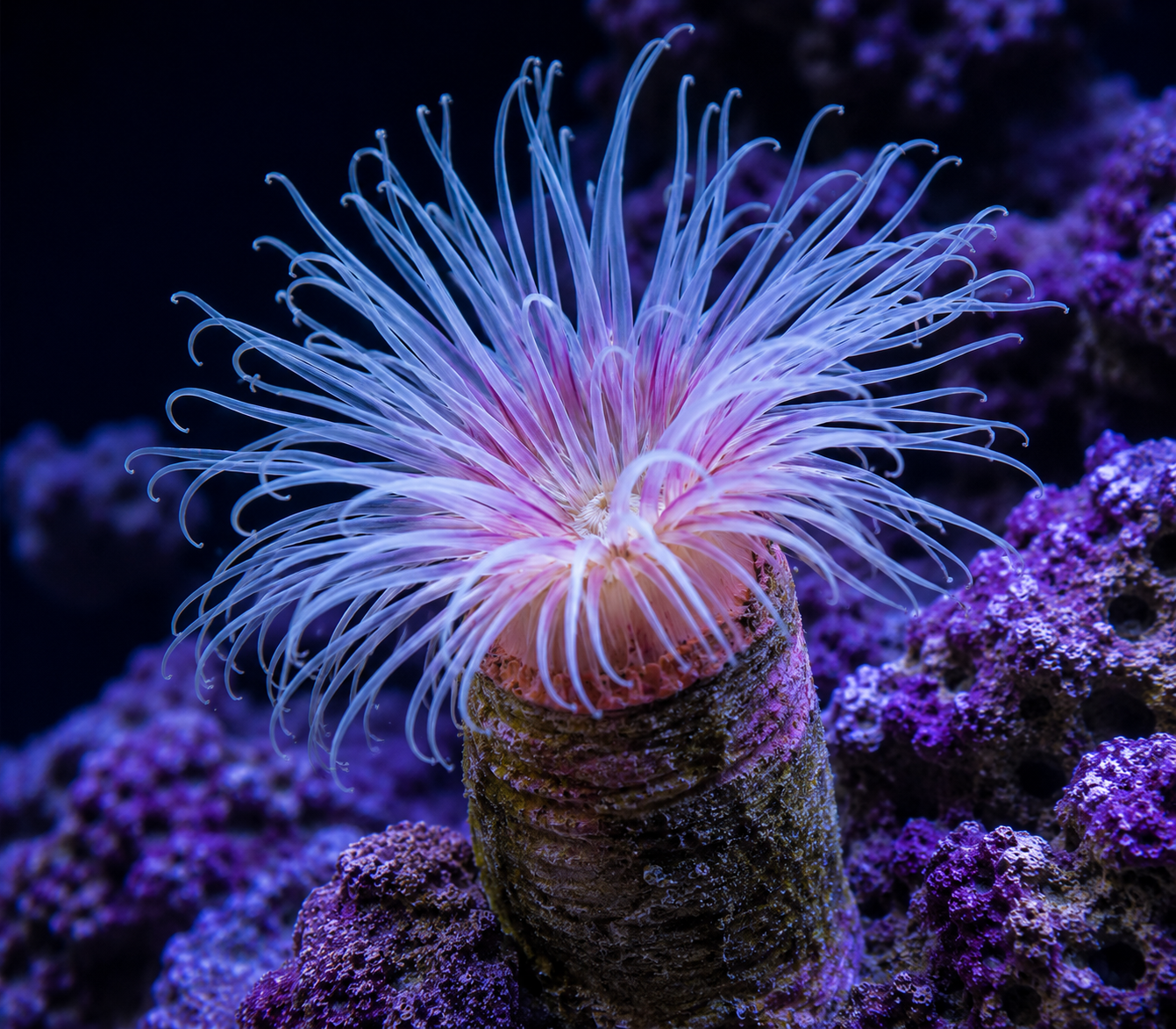
Tube Anemone
Tube anemones are burrowing sandbed predators that need a deep, stable substrate, gentle flow, and regular meaty feedings. They have a strong sting and...
 ARTICLE
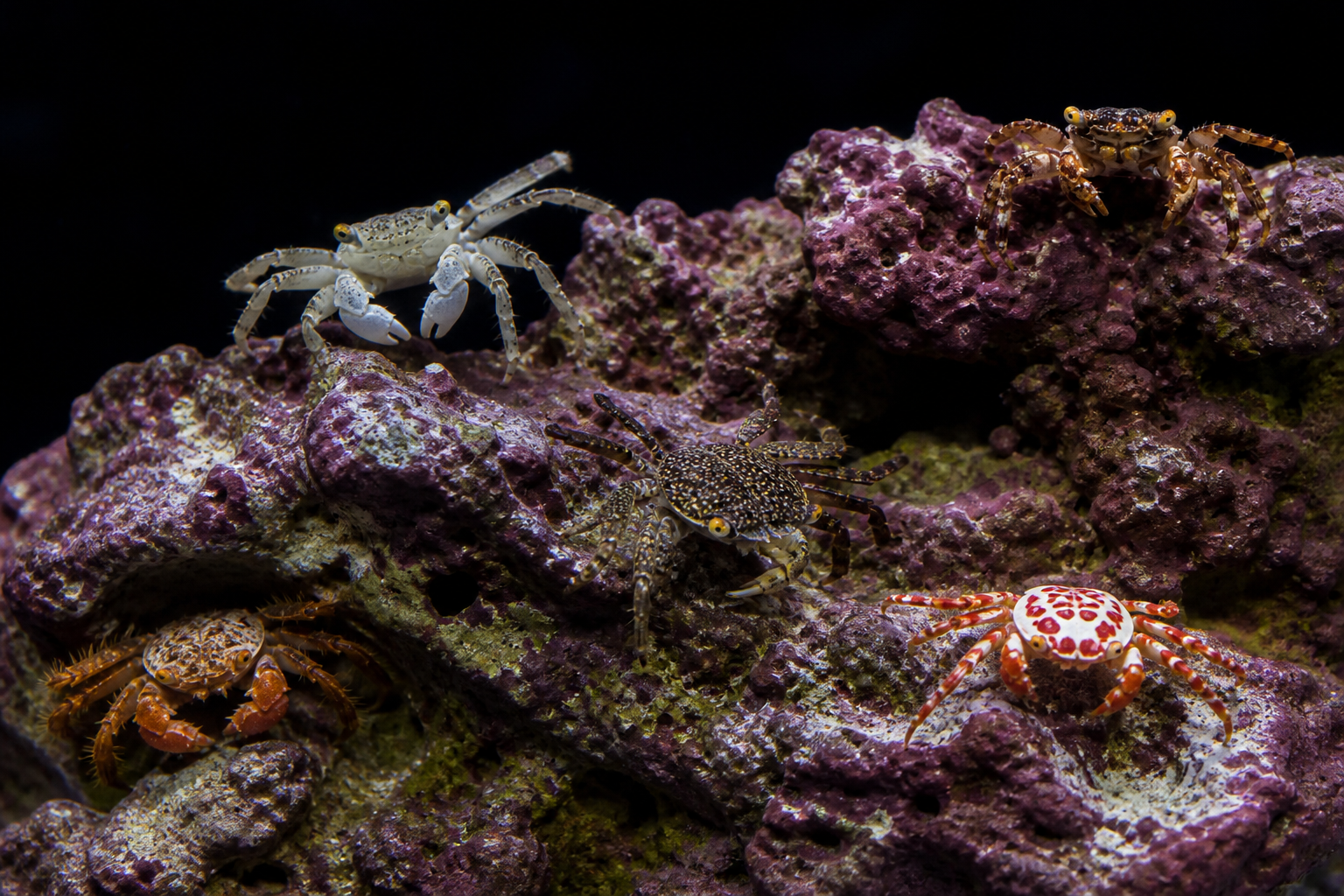
Lobsters
Armored night-walkers—striking but often predatory toward small fish and shrimp.
 ARTICLE
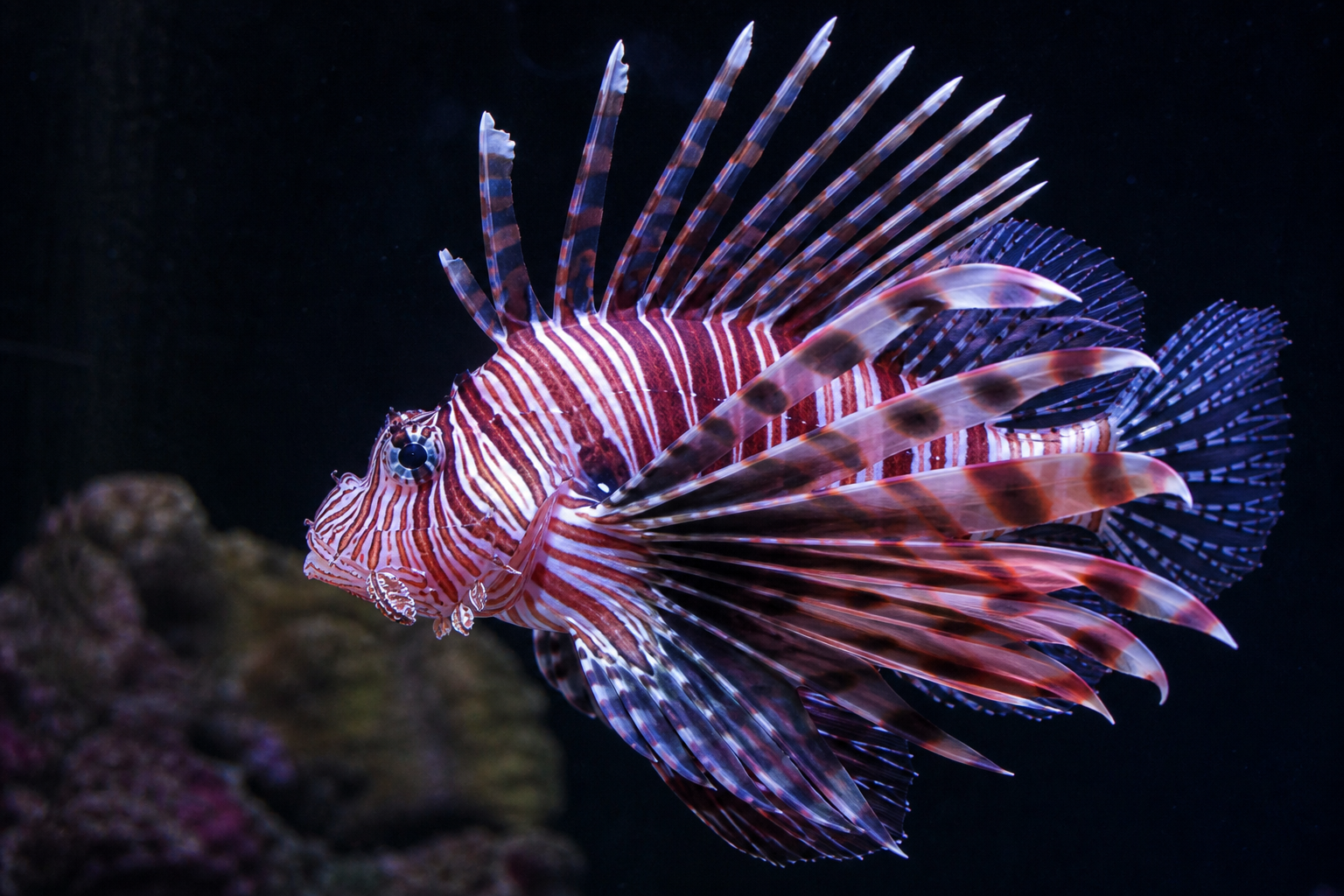
Lionfish
Iconic fins and venomous spines—stately predators best kept away from bite-sized tankmates.
 ARTICLE
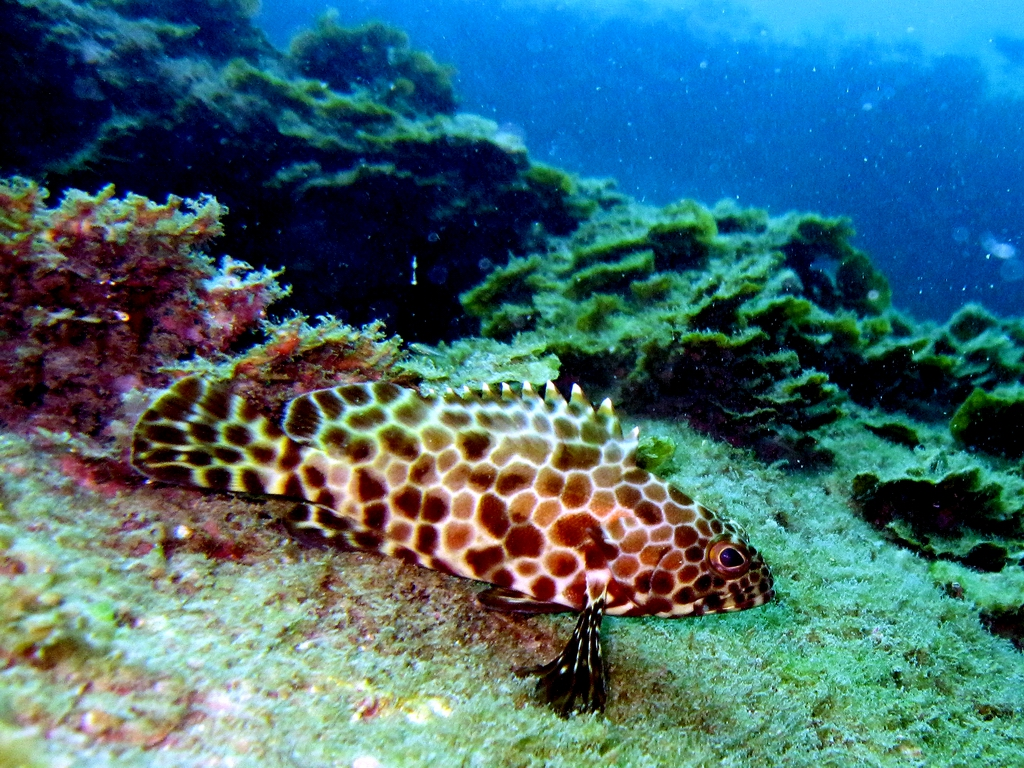
Groupers
Bold predators that quickly outgrow small systems—built for big-water displays.
 ARTICLE
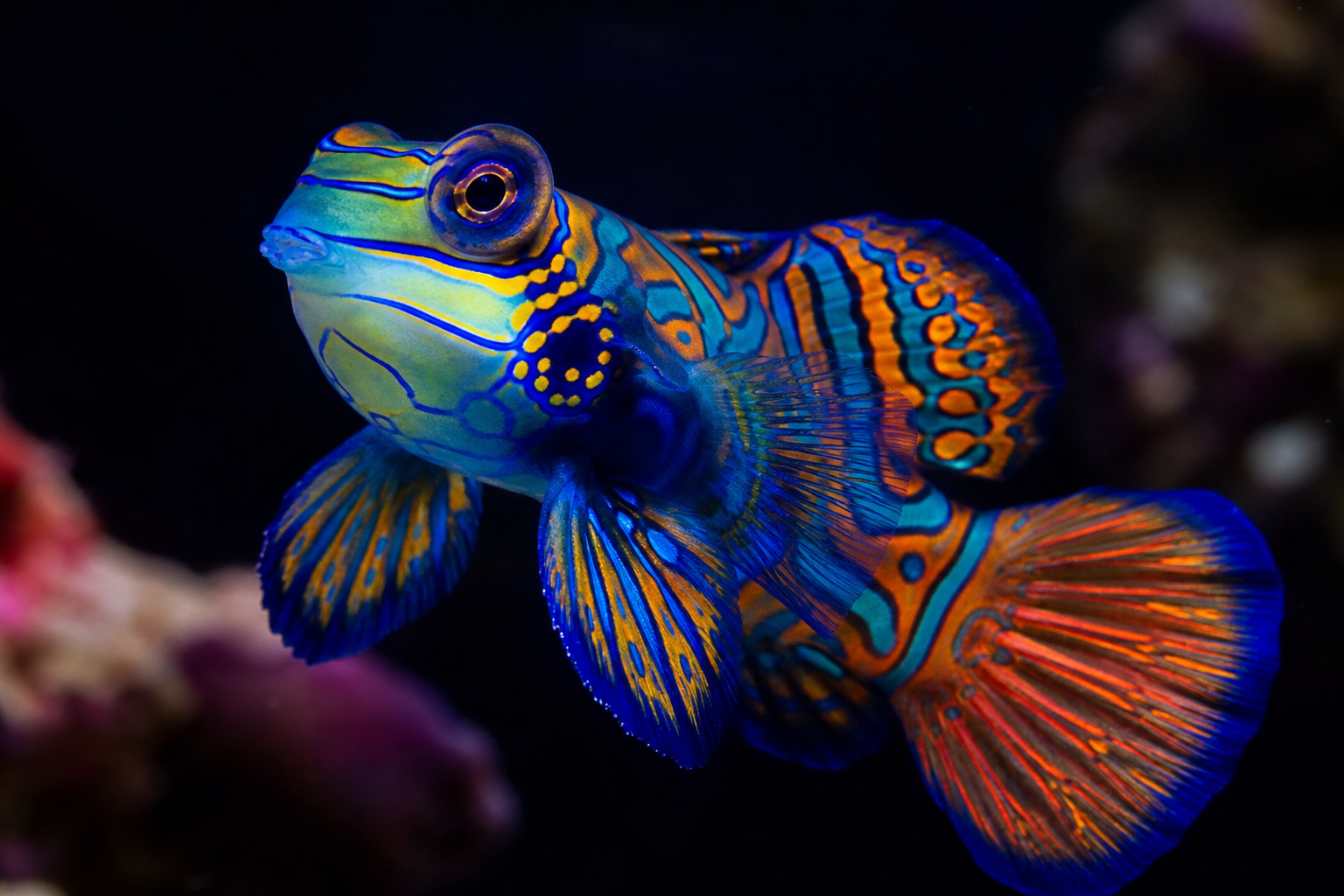
Mandarin Dragonet (Synchiropus splendidus)
A stunning, peaceful, reef-safe fish that constantly hunts copepods and microfauna. Advanced mainly due to feeding requirements. Best in a mature 75+ gallon tank...
 ARTICLE
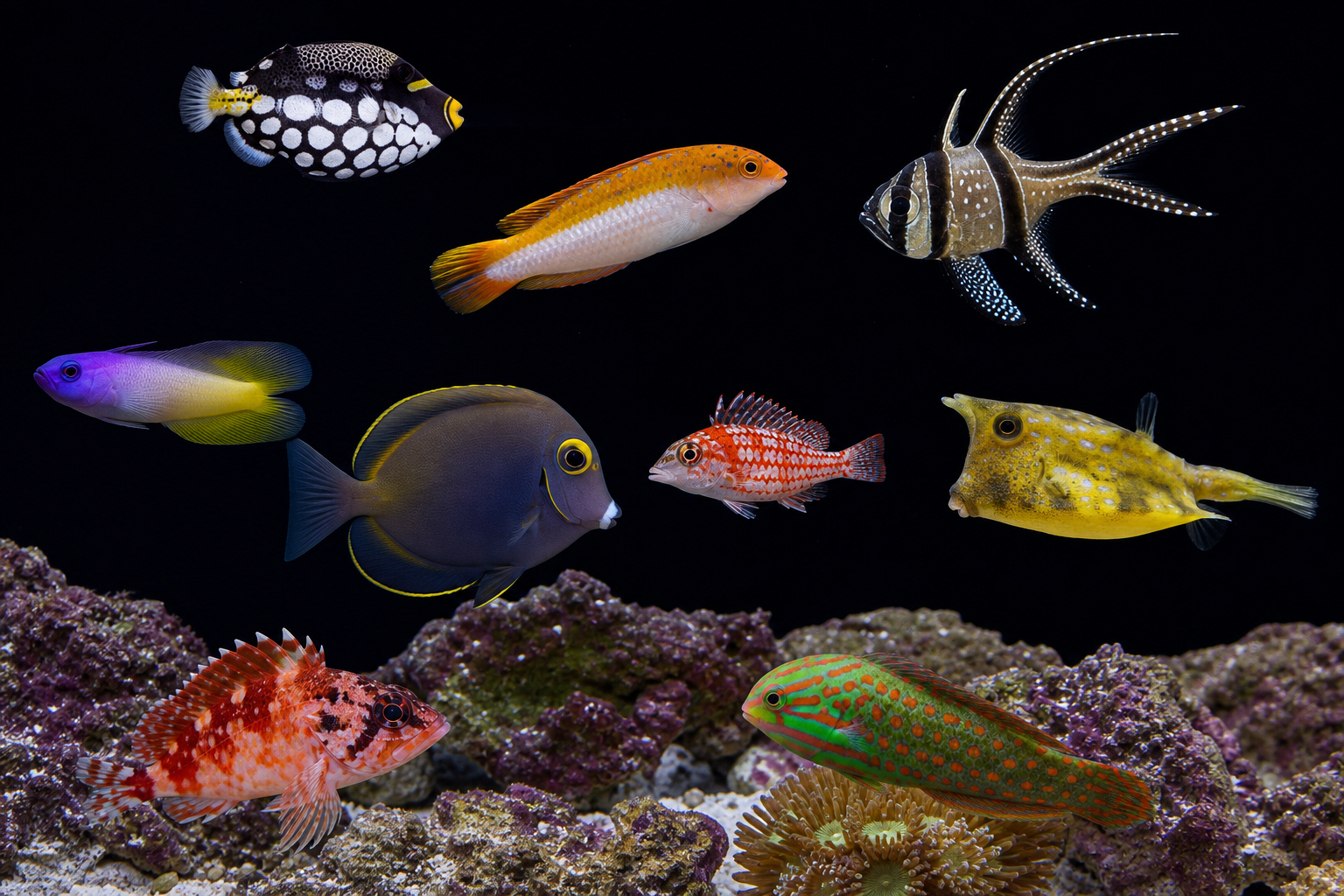
Angler
Ambush predators with a built-in lure—incredible to watch, but best without bite-sized tankmates.
 ARTICLE
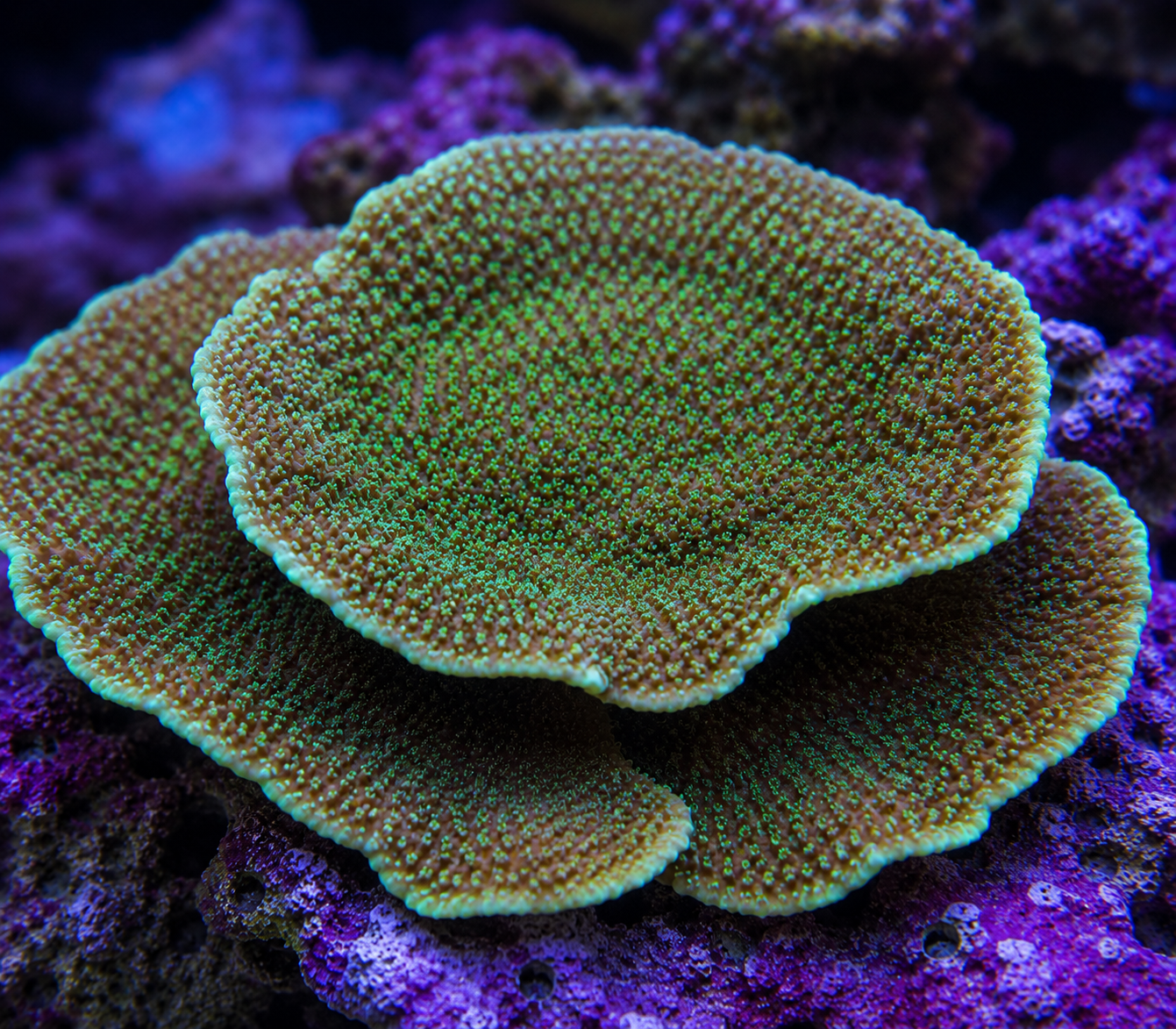
Montipora-Eating Nudibranch (Phestilla subodiosus)
Montipora-eating nudibranchs are camouflaged coral predators that chew Montis and lay eggs, causing “nibbled” edges and slow tissue loss.
 ARTICLE
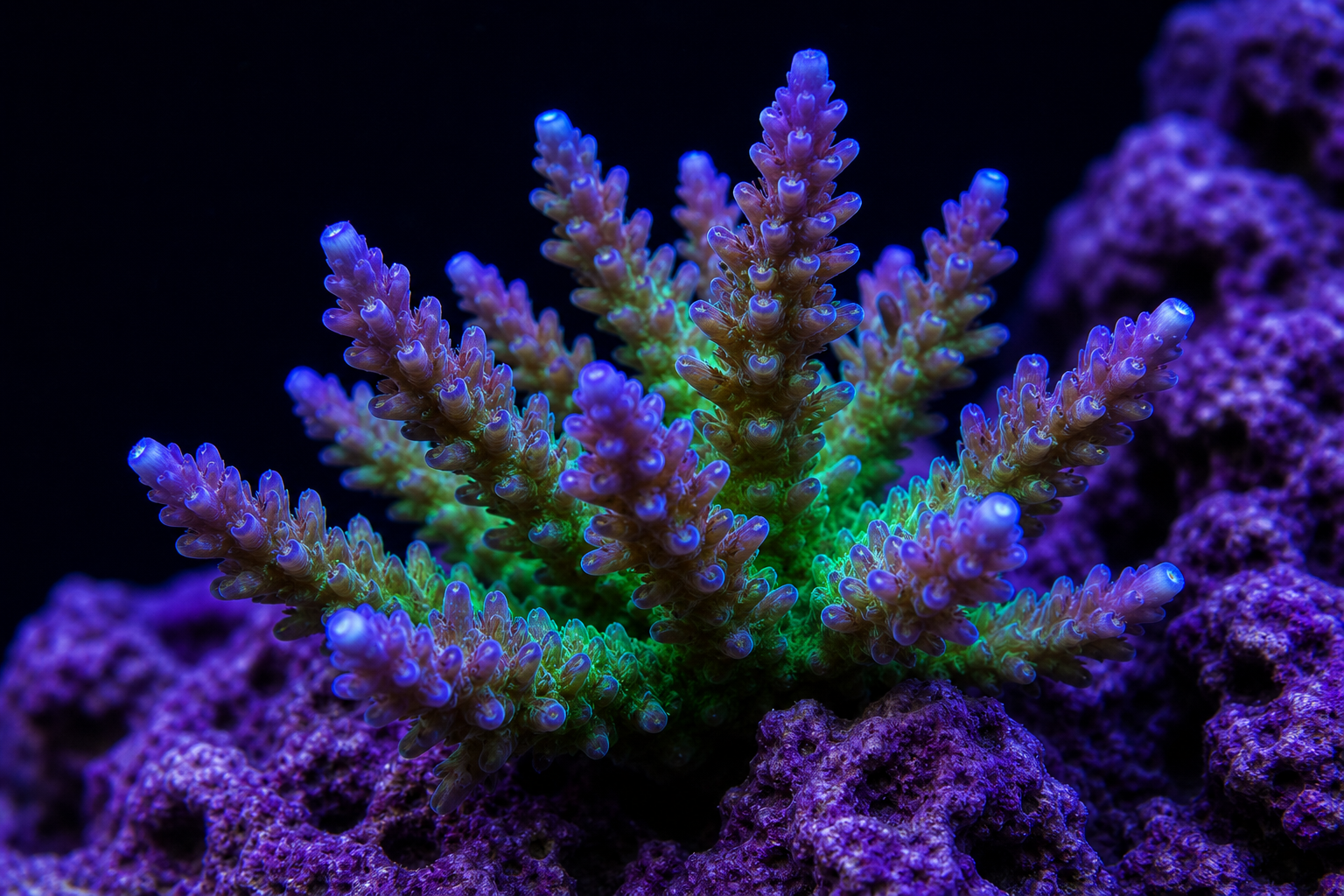
Acropora-Eating Flatworm (AEFW) (Amakusaplana acroporae)
AEFW are Acropora-specific coral predators that cause bite marks, poor polyp extension, and slow SPS decline, with eggs that make them hard to eliminate.
 ARTICLE
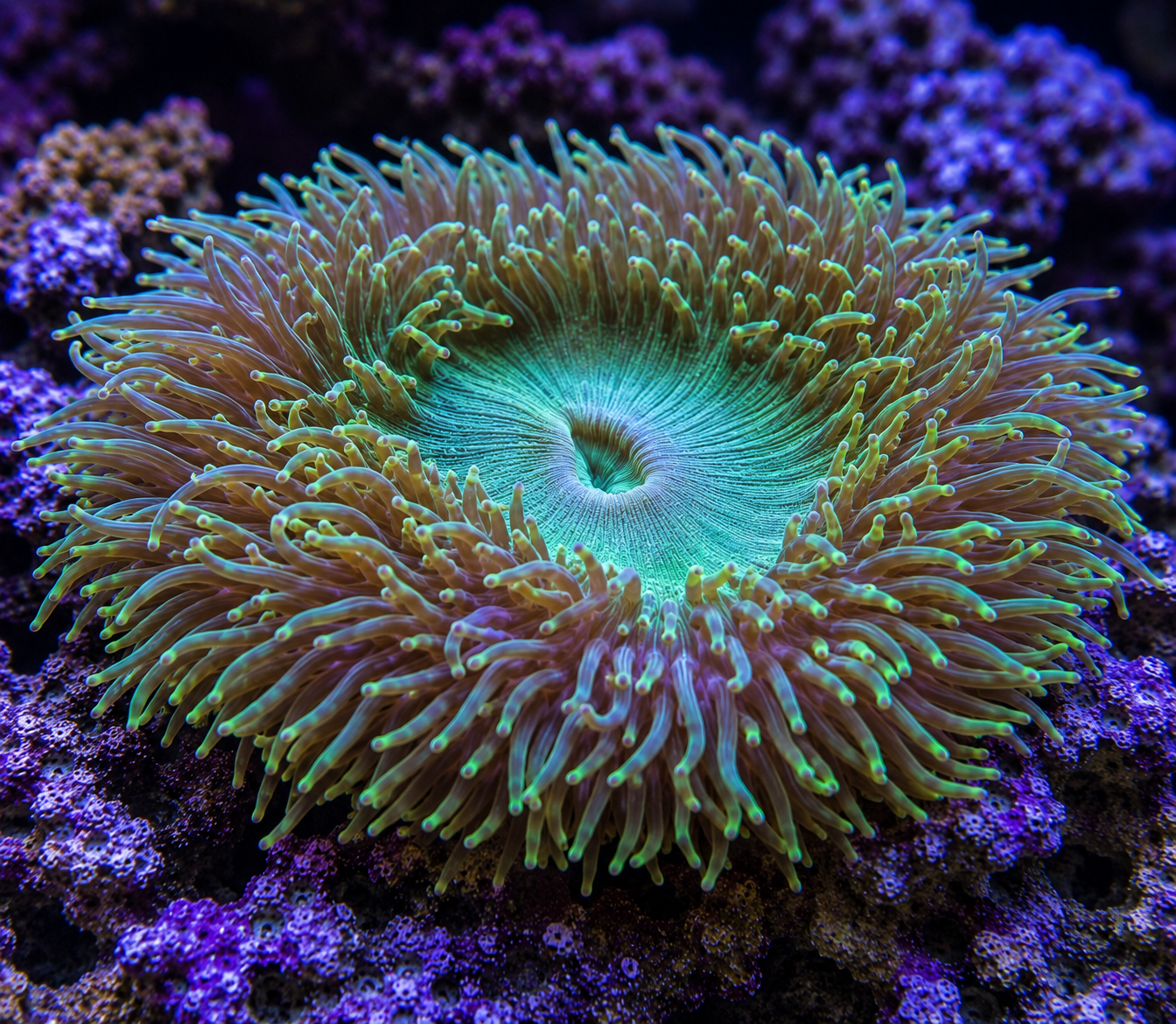
Ball Anemone
Ball anemones are hardy corallimorph hitchhikers that hide in shaded crevices and feed like tiny ambush predators. They can sting nearby corals and irritate...
 ARTICLE
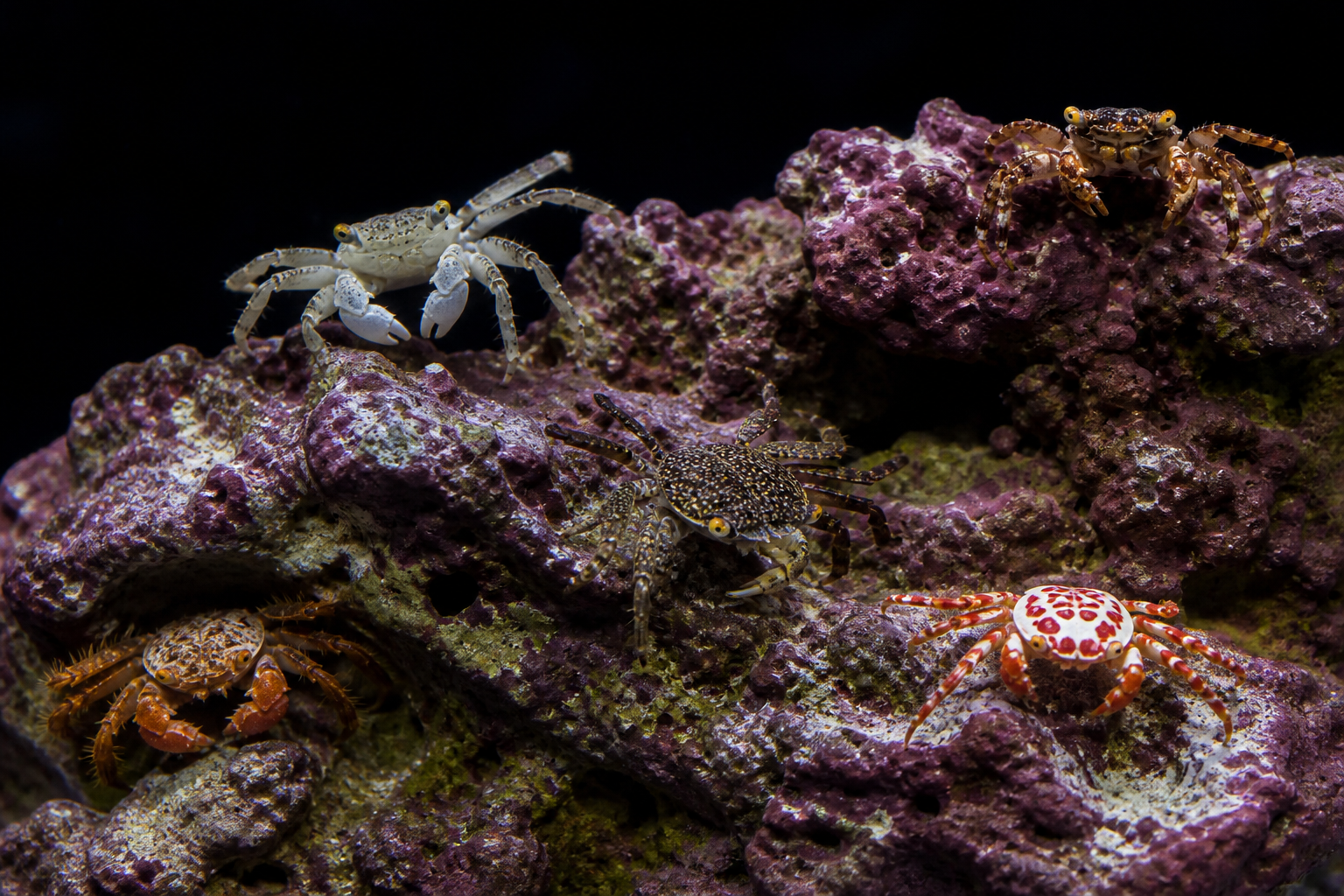
Gorilla Crabs
Gorilla/xanthid crabs are common hitchhikers that can become predators in reef tanks, often causing mystery snail and hermit losses. Because many are nocturnal and...
ARTICLE
Acropora Red Bugs (Tegastes acroporanus)
Acropora red bugs are tiny parasitic copepods that irritate Acropora, causing reduced polyp extension, dull color, and slowed growth. They spread easily via new...
 ARTICLE
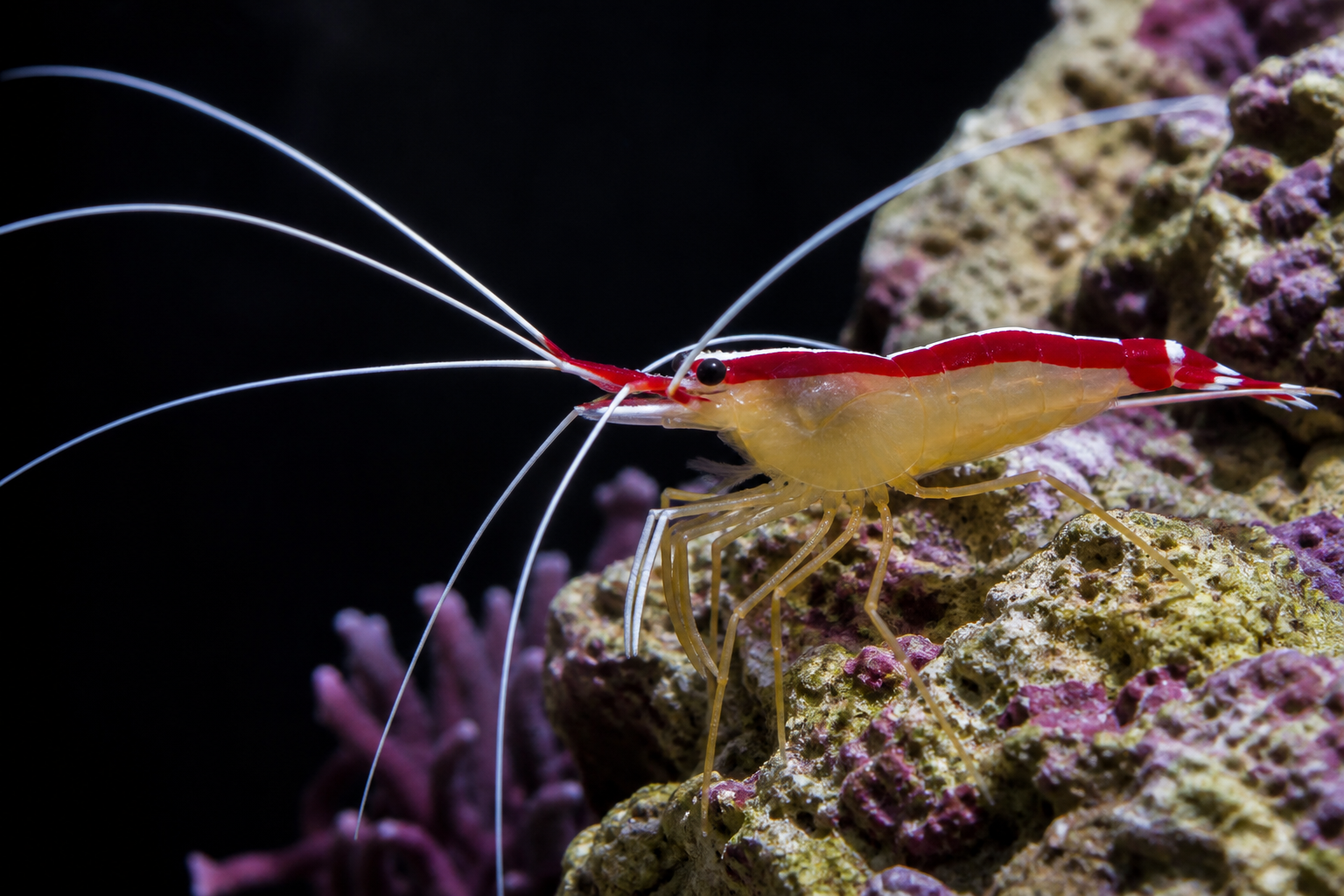
Mantis Shrimp (Stomatopoda)
Mantis shrimp are predatory hitchhikers that often reveal themselves through clicking sounds and disappearing snails or hermits. They’re fascinating animals, but not reef-safe in...
ARTICLE
Montipora-Eating Nudibranch (Phestilla subodiosus)
Montipora-eating nudibranchs are tiny coral predators that chew Montipora tissue, causing “nibbled” edges and scraped white bite patches. They hide on undersides and lay...
ARTICLE
Acropora-Eating Flatworm
AEFW are Acropora-specific flatworms that eat coral tissue, causing bite marks, poor polyp extension, and slow SPS decline. They spread mainly through unvetted Acropora...
 ARTICLE
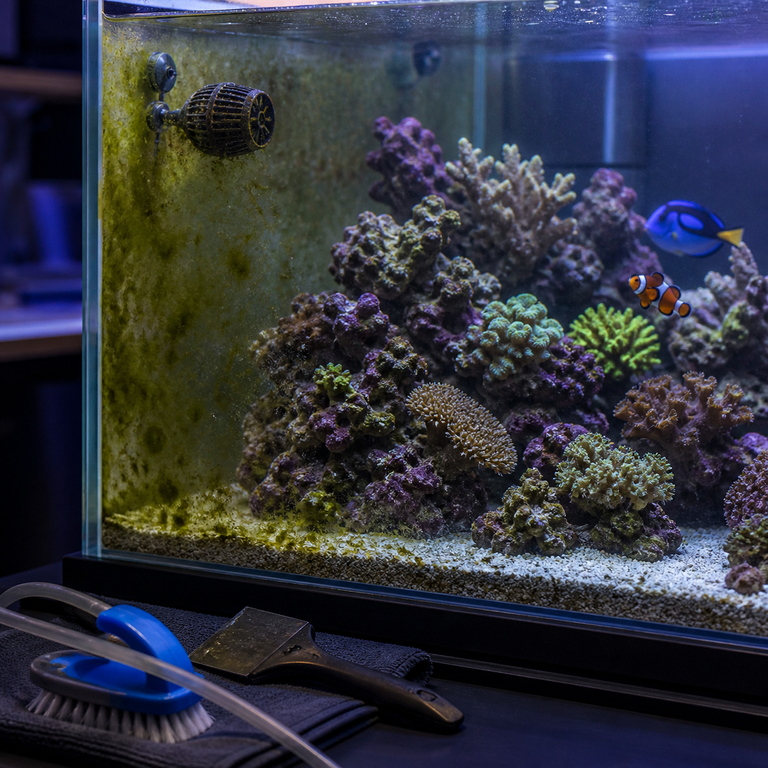
Red Planaria Flatworms
Red planaria are common nuisance flatworms that multiply quickly in low-flow, detritus-rich areas. Heavy infestations can shade and irritate corals, and large die-offs during...
ARTICLE
Majano Anemone
Majano anemones are pest hitchhikers that can sting corals and spread quickly in reef tanks. Remove or control them early—once established, they’re difficult to...
ARTICLE
Aiptasia
Aiptasia are fast-spreading pest anemones that hitchhike into reef tanks and sting corals. Catch and control them early—once established, they’re difficult to eradicate.
ARTICLE
Predatory Oenone Worm (Oenone fulgida)
Oenone worms are hidden predators often blamed for unexplained snail losses and empty shells in reef tanks.
ARTICLE
Bobbit Worm (Eunice aphroditois)
Bobbit worms are rare but notorious ambush predators that hide deep in rock or sand and can cause mysterious fish and invert losses.
ARTICLE
Bearded Fireworm (Hermodice carunculata)
Bearded fireworms are predatory, stinging polychaetes that can damage corals and eat inverts, and they’re not the “normal” bristleworm you ignore.
 ARTICLE
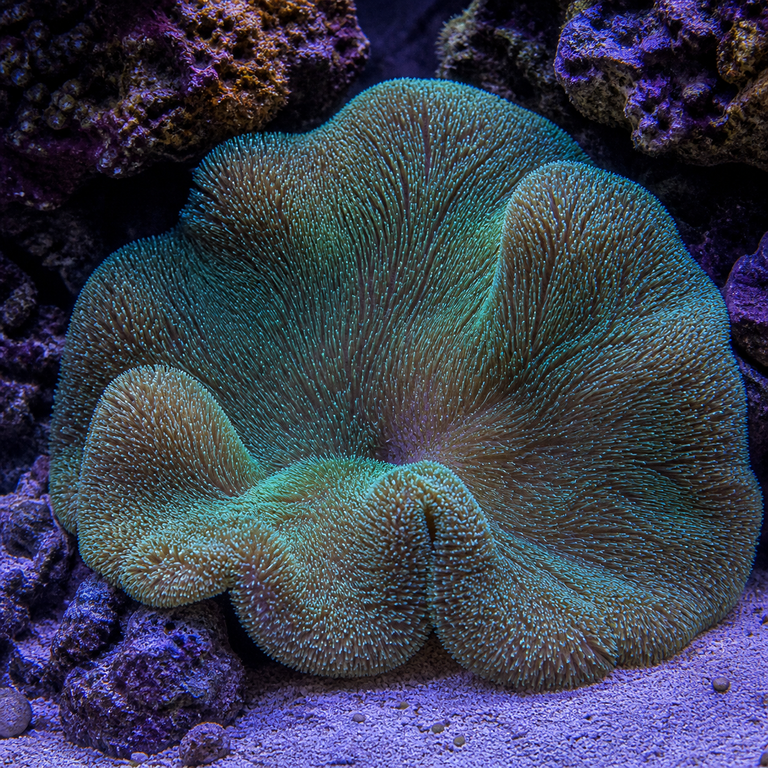
Carpet Anemone (Gigantea)
Gigantea carpet anemones are stunning but advanced anemones that need a large, mature, oxygen-rich tank with strong broad flow and stable parameters. They’re powerful...
 ARTICLE
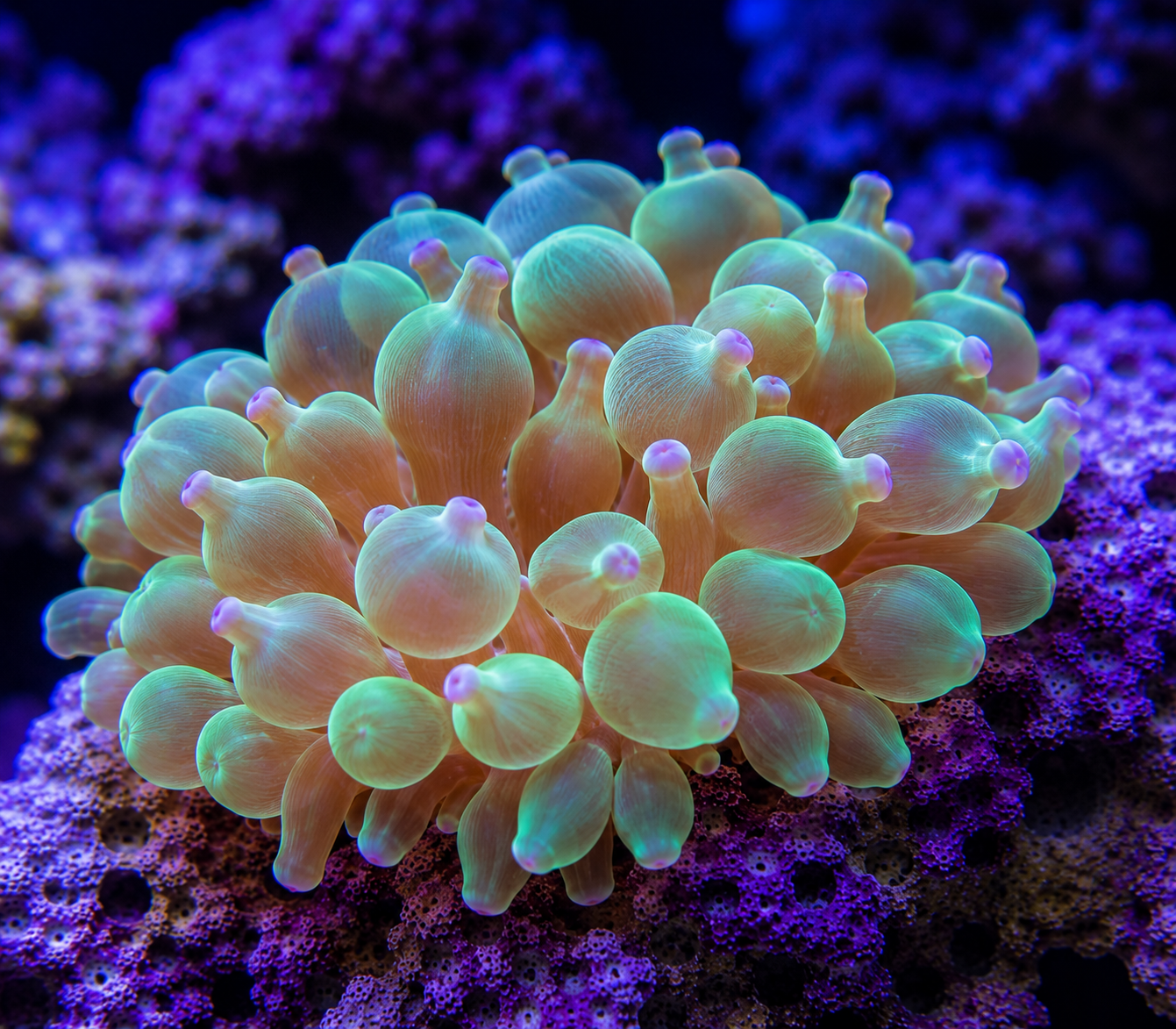
Carpet Anemone (Haddoni)
Haddoni carpet anemones are stunning sandbed centerpieces that need a large, mature, stable tank with a deep substrate, strong lighting, and gentle flow. They’re...
ARTICLE
Hydroids
Hydroids are stinging colonial polyps that hitchhike into reef tanks and can spread across plugs, racks, and rockwork. They often irritate corals and cause...
ARTICLE
Zoanthid-Eating Nudibranch
Zoanthid-eating nudibranchs are tiny, camouflaged predators that eat zoa polyps and can wipe colonies fast. They hide in mats and lay eggs, so outbreaks...
 ARTICLE
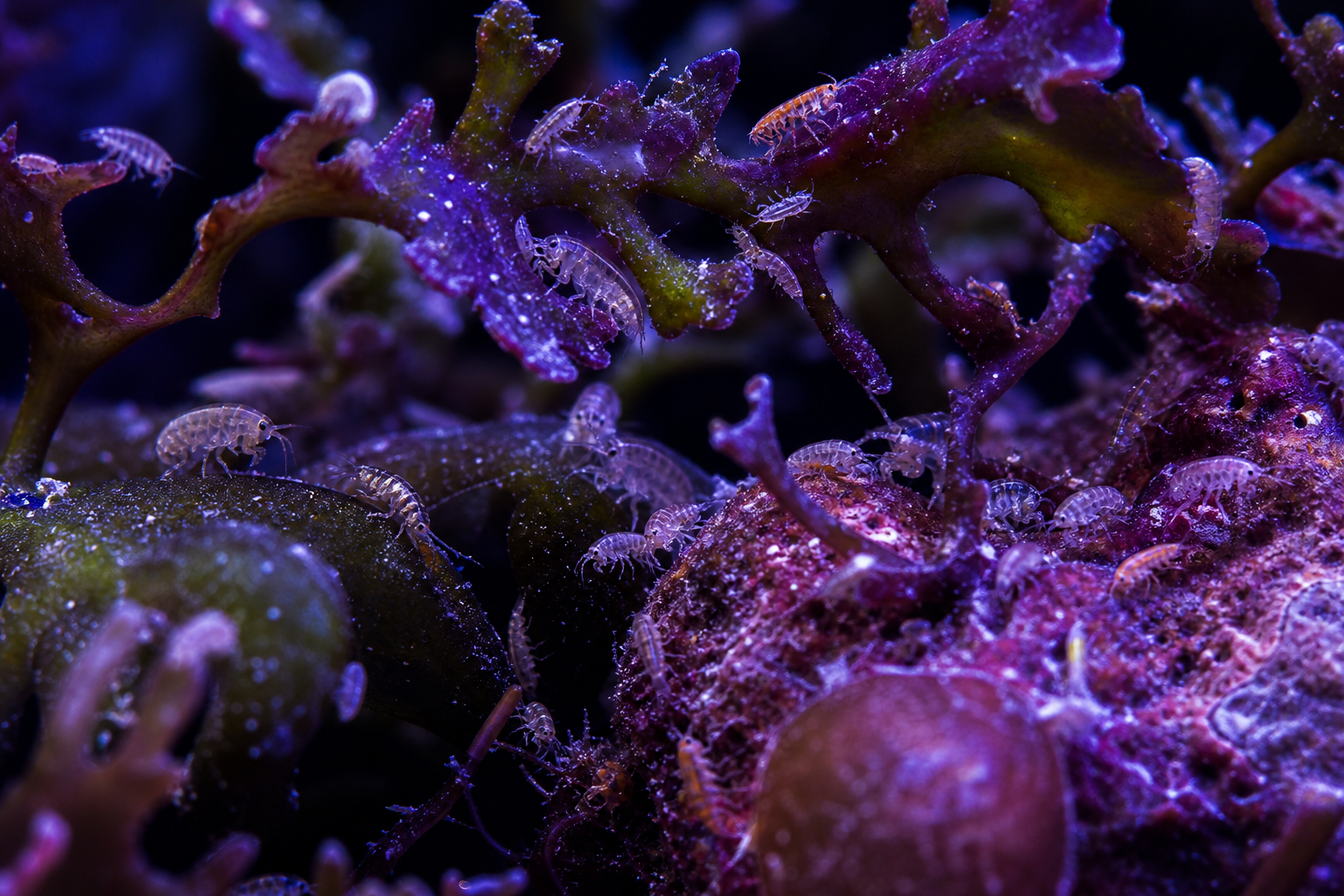
Amphipods
Amphipods are beneficial micro-crustaceans that support reef stability by recycling waste and serving as natural live food for fish. They thrive in tanks with...
 ARTICLE
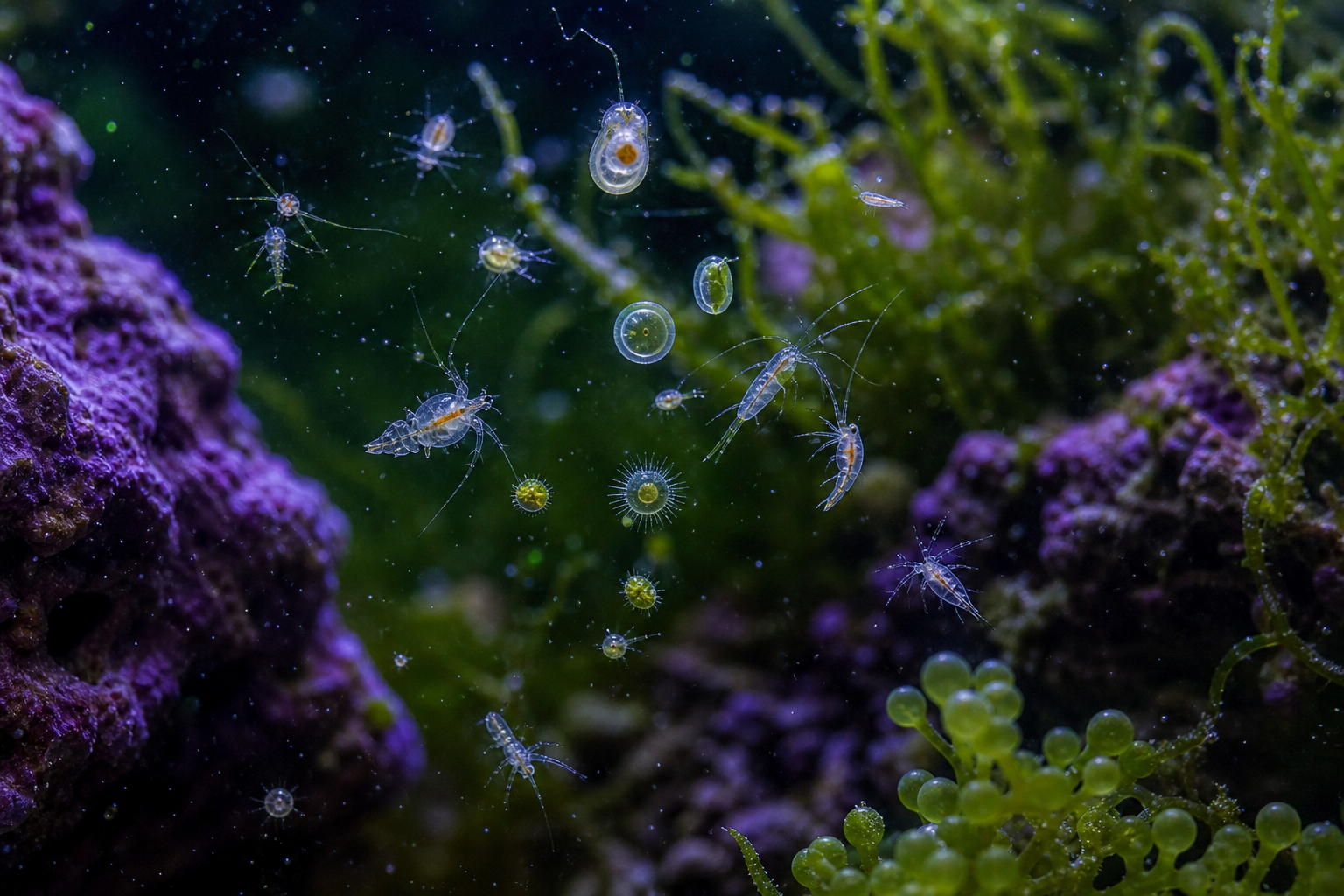
Copepods
Copepods are foundational micro-crustaceans that support biodiversity and provide natural live food in reef tanks. They thrive in stable systems with structure, food, and...
 ARTICLE
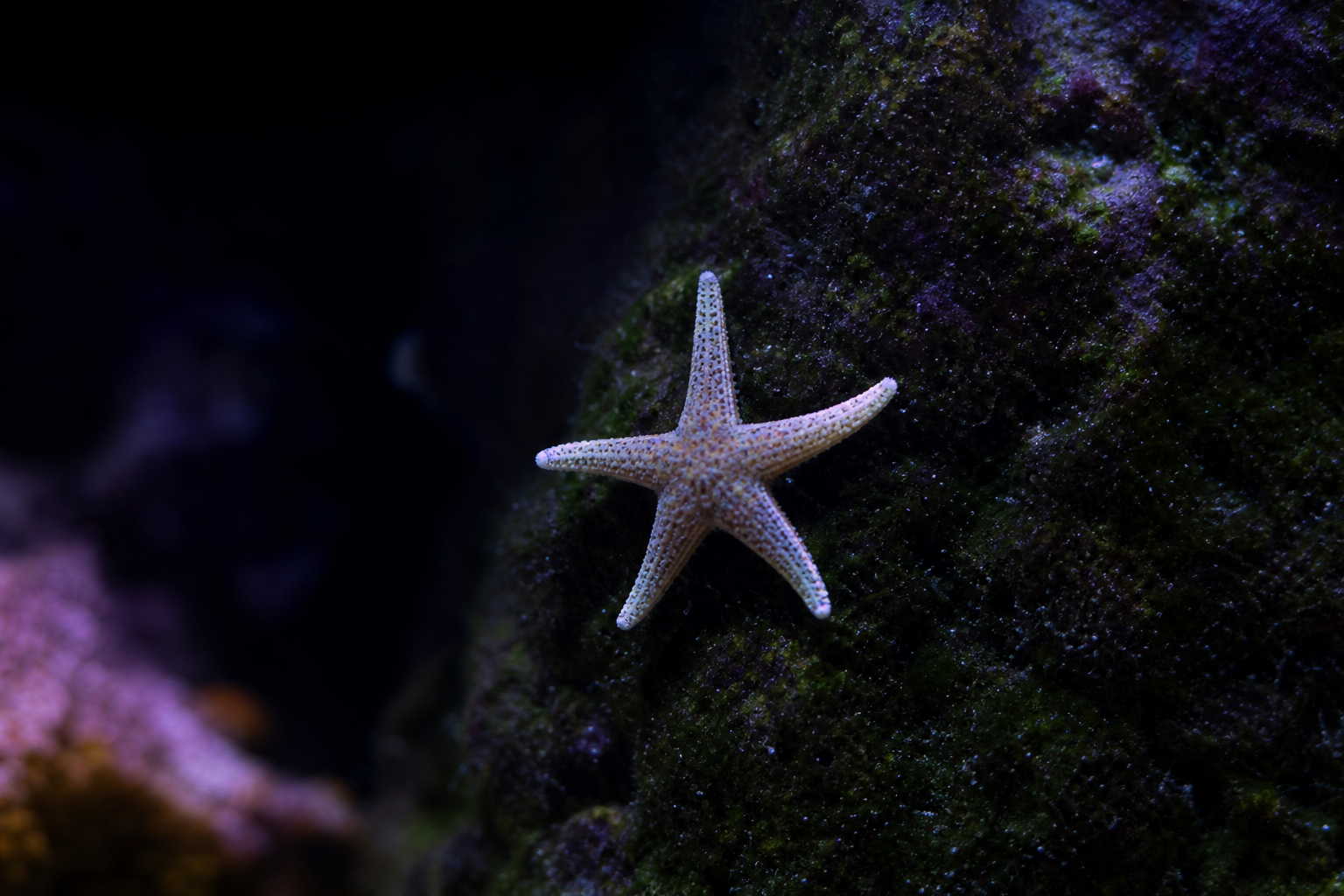
Asterina Starfish
Asterina starfish are common hitchhikers that usually act as harmless algae and biofilm grazers. In balanced tanks they stay in low numbers and do...
 ARTICLE
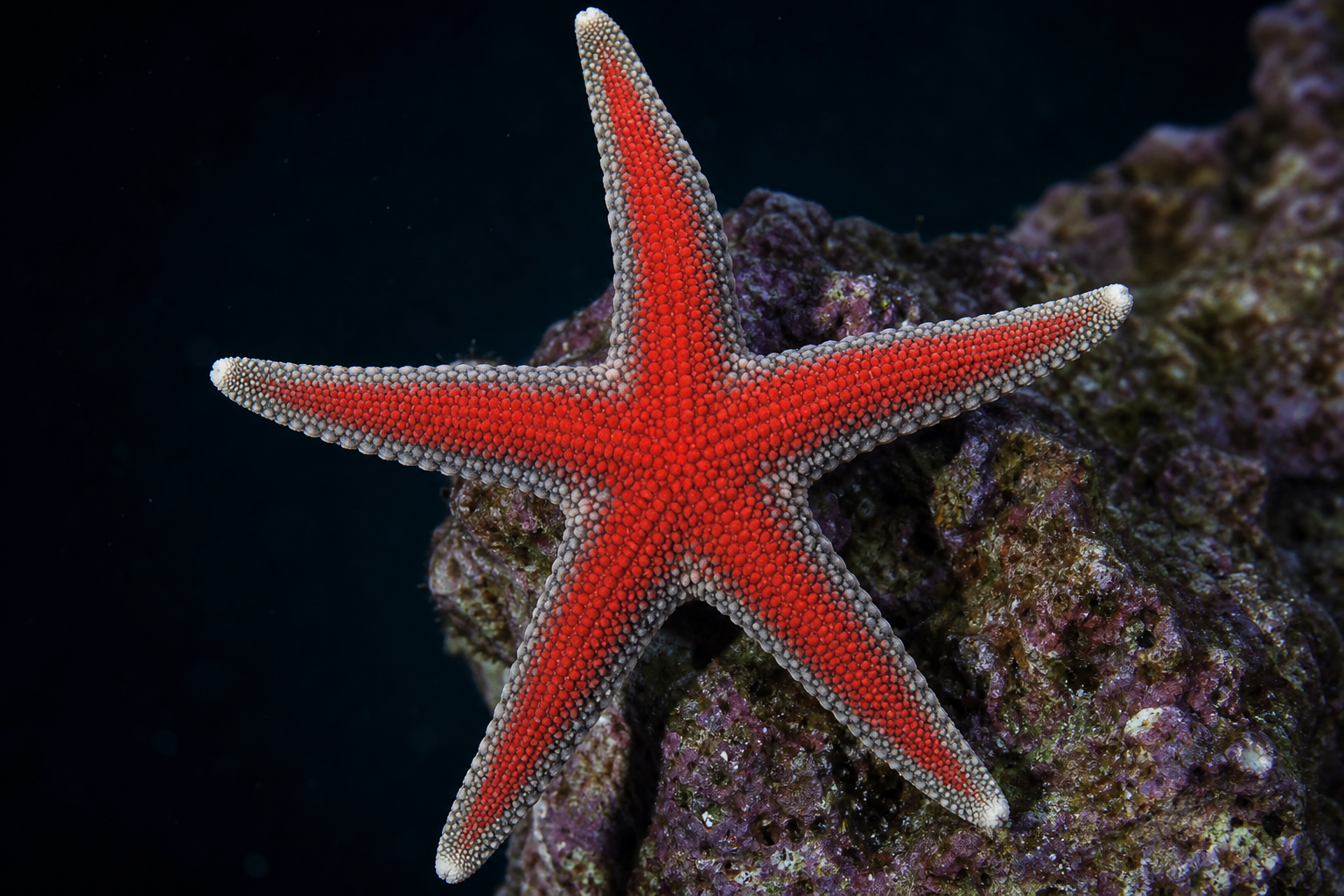
Fromia Starfish
Fromia starfish are beautiful but demanding invertebrates that rely on mature reef surfaces for food. They require large, well-established tanks with abundant biofilm and...
 ARTICLE
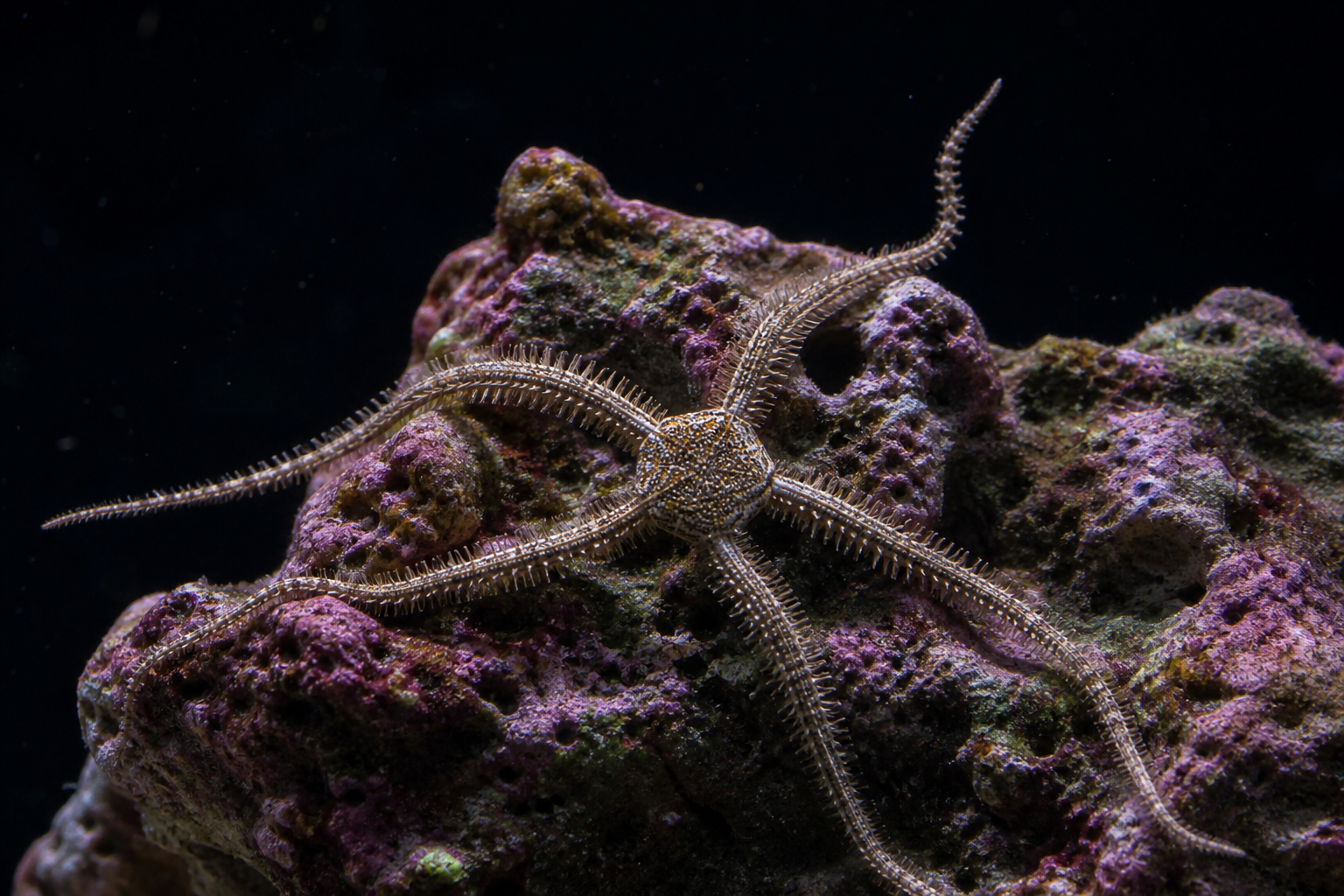
Brittle Star
Brittle stars are reef-safe scavengers that live in rockwork and help clean up leftover food before it becomes a nutrient problem. They’re mostly hidden...
 ARTICLE
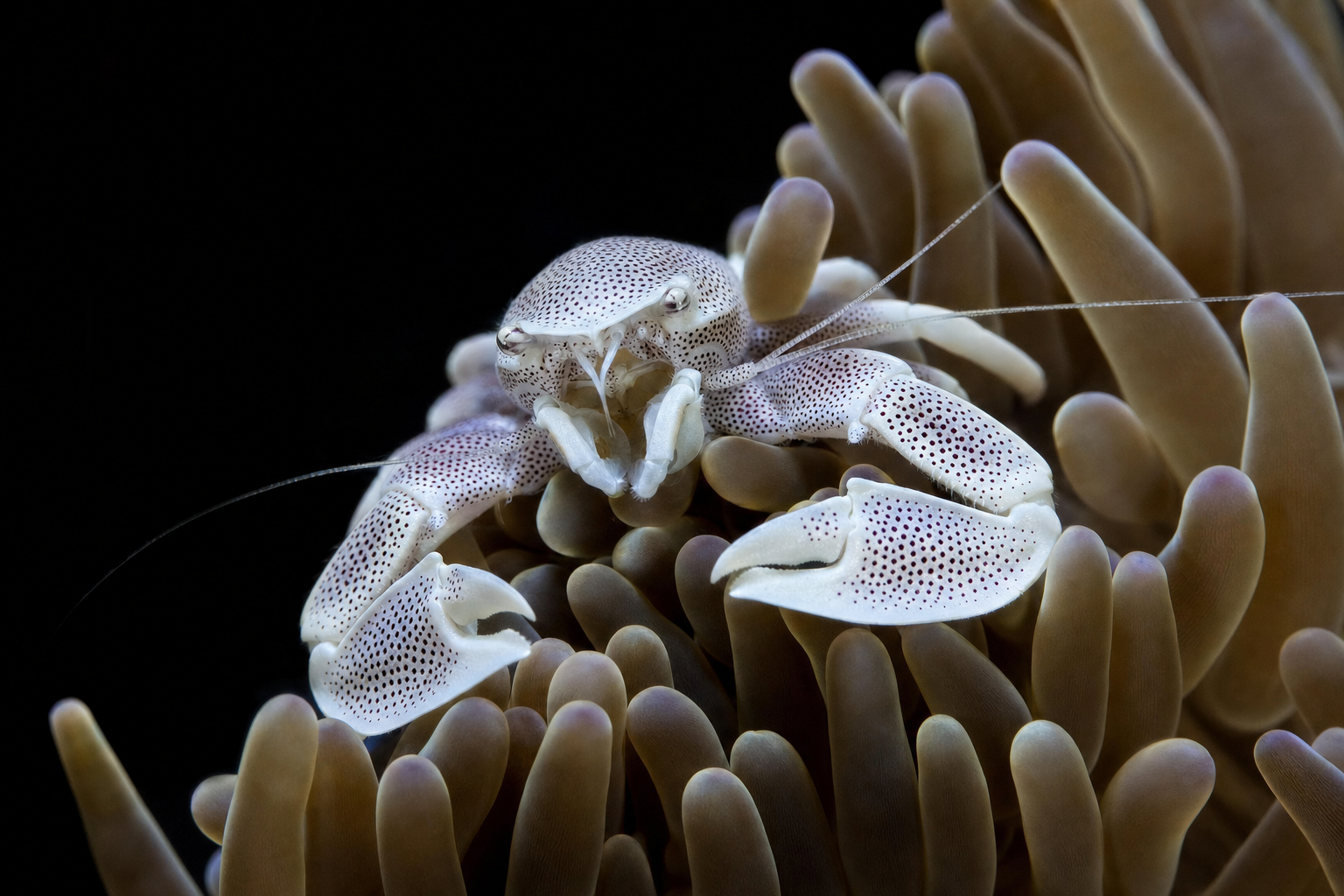
Anemone Crab
Anemone crabs are specialized, symbiotic crabs that depend on a healthy host anemone to thrive. They do best in stable, established tanks where food...
 ARTICLE
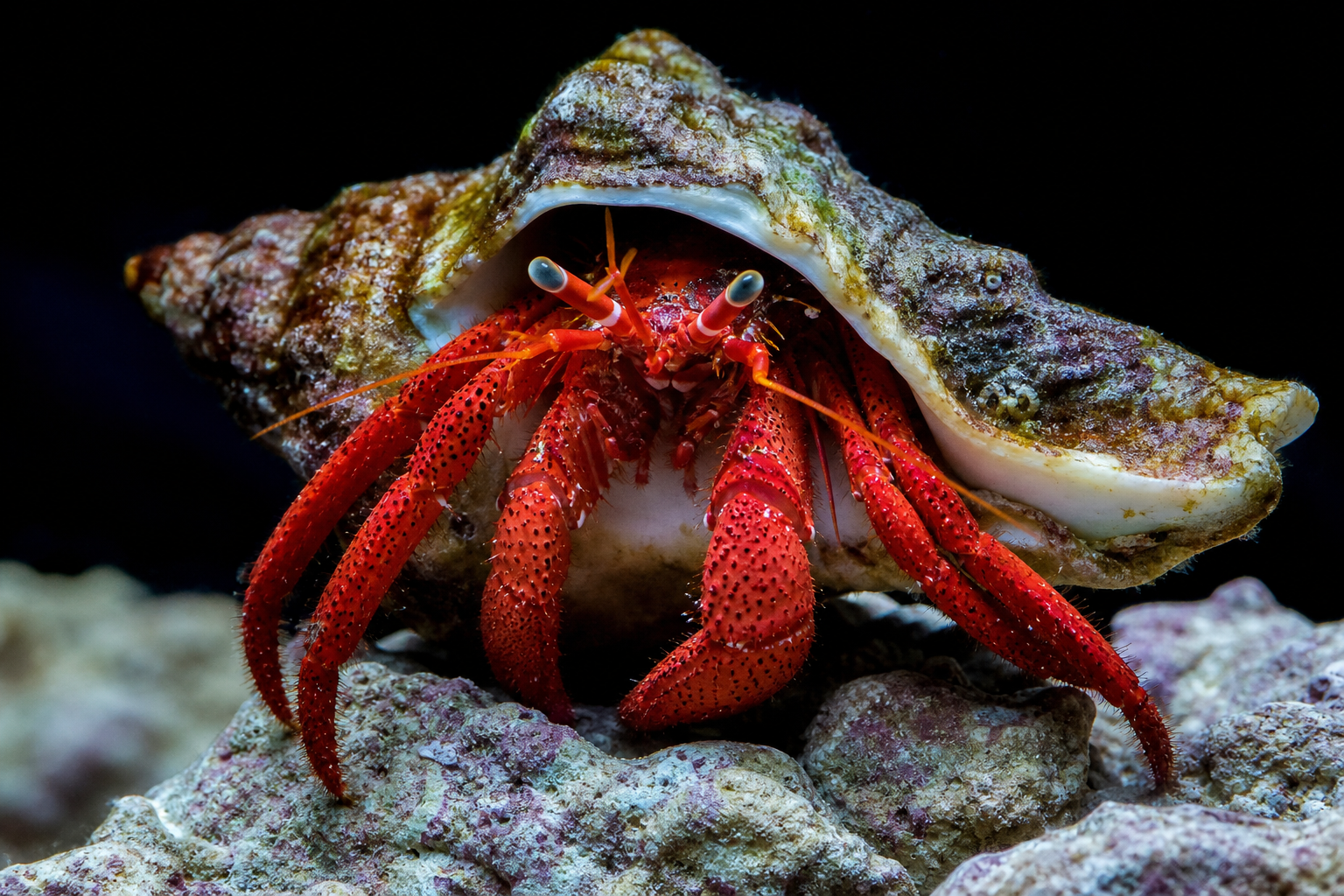
Scarlet Hermit Crab
Scarlet hermit crabs are one of the most reef-friendly hermits available, known for grazing algae and biofilm without causing much trouble. They do best...
 ARTICLE
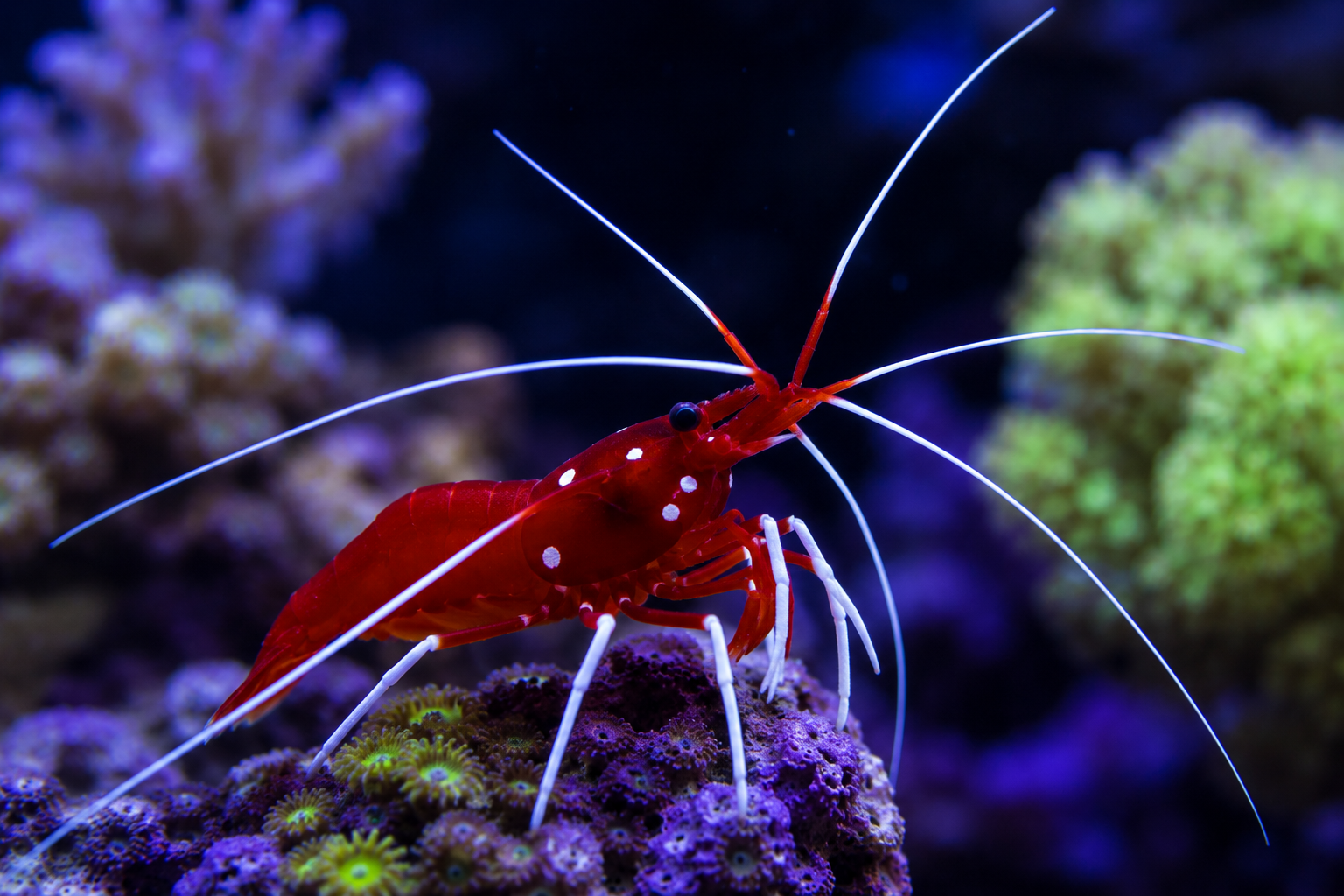
Fire Shrimp
Fire (Blood) shrimp are peaceful, reef-safe cleaner shrimp with a more reserved personality than skunk cleaners. They’re naturally shy, often more active in the...
 ARTICLE
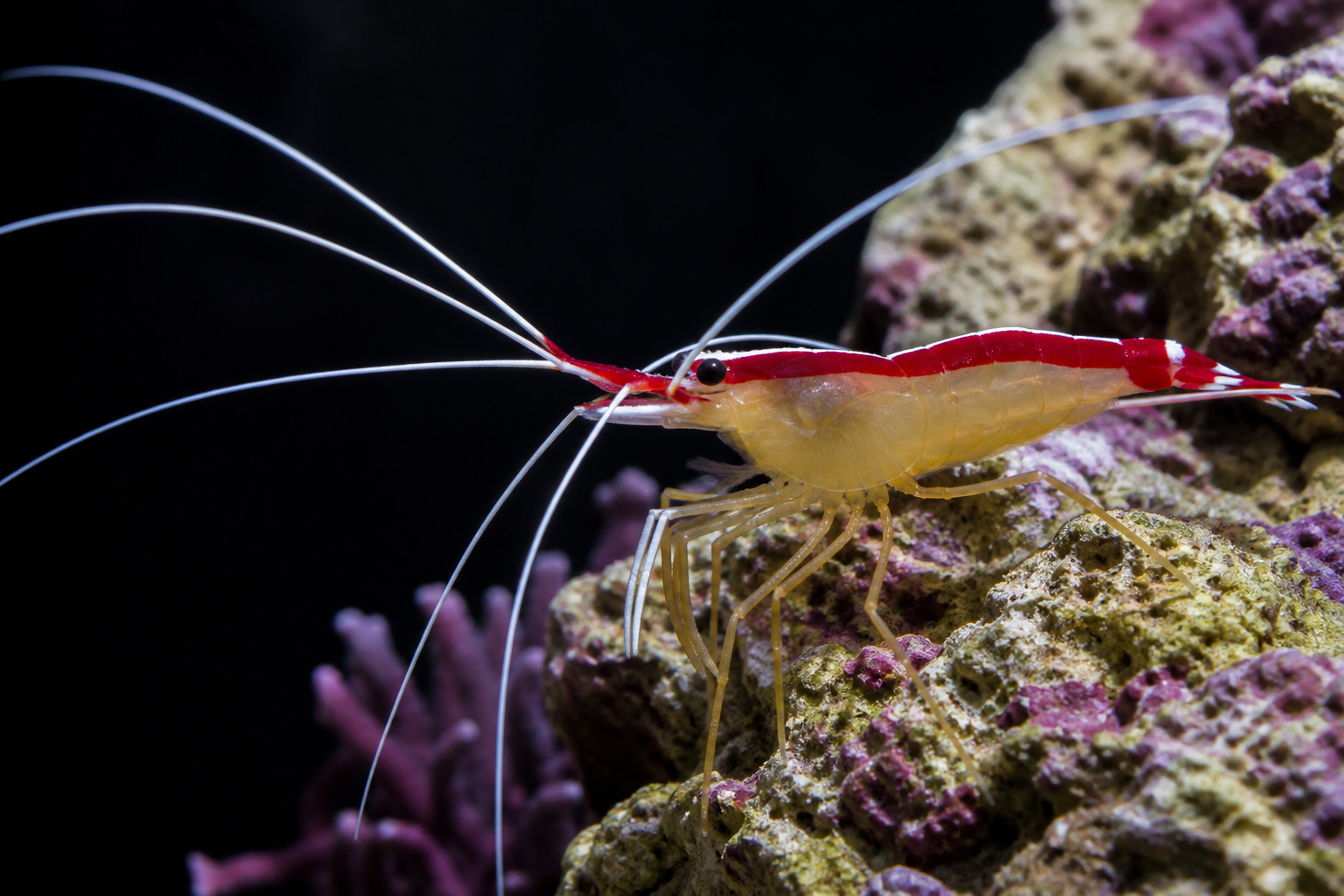
Skunk Cleaner Shrimp
Skunk cleaner shrimp are hardy, reef-safe scavengers that also happen to clean fish when given the chance. They’re active, visible, and beginner-friendly in stable...
 ARTICLE
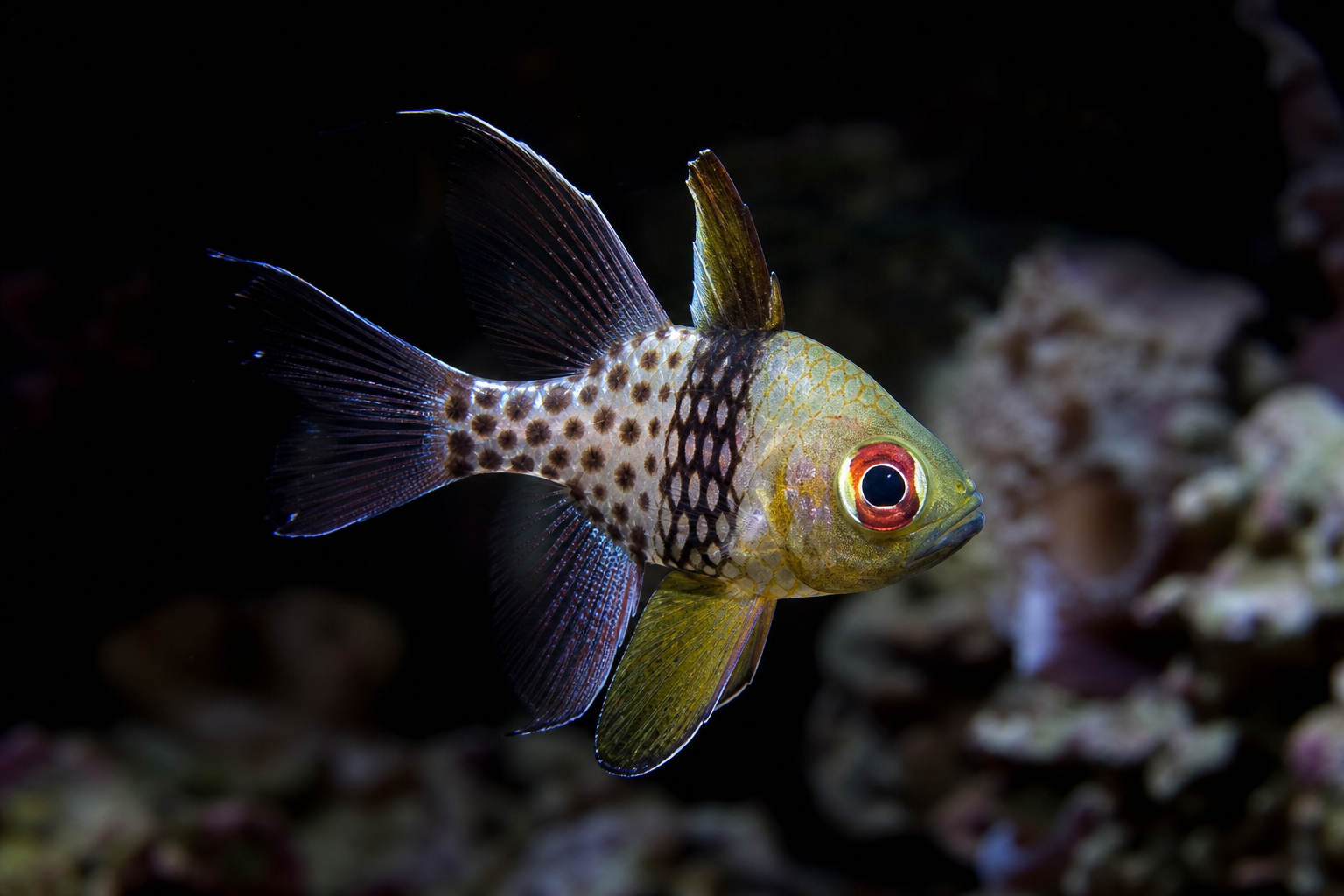
Pajama Cardinalfish
A peaceful, reef-safe cardinalfish with a quirky spotted pattern and calm hovering behavior. Easy to feed, beginner-friendly, and often suitable for pairs or small...
 ARTICLE
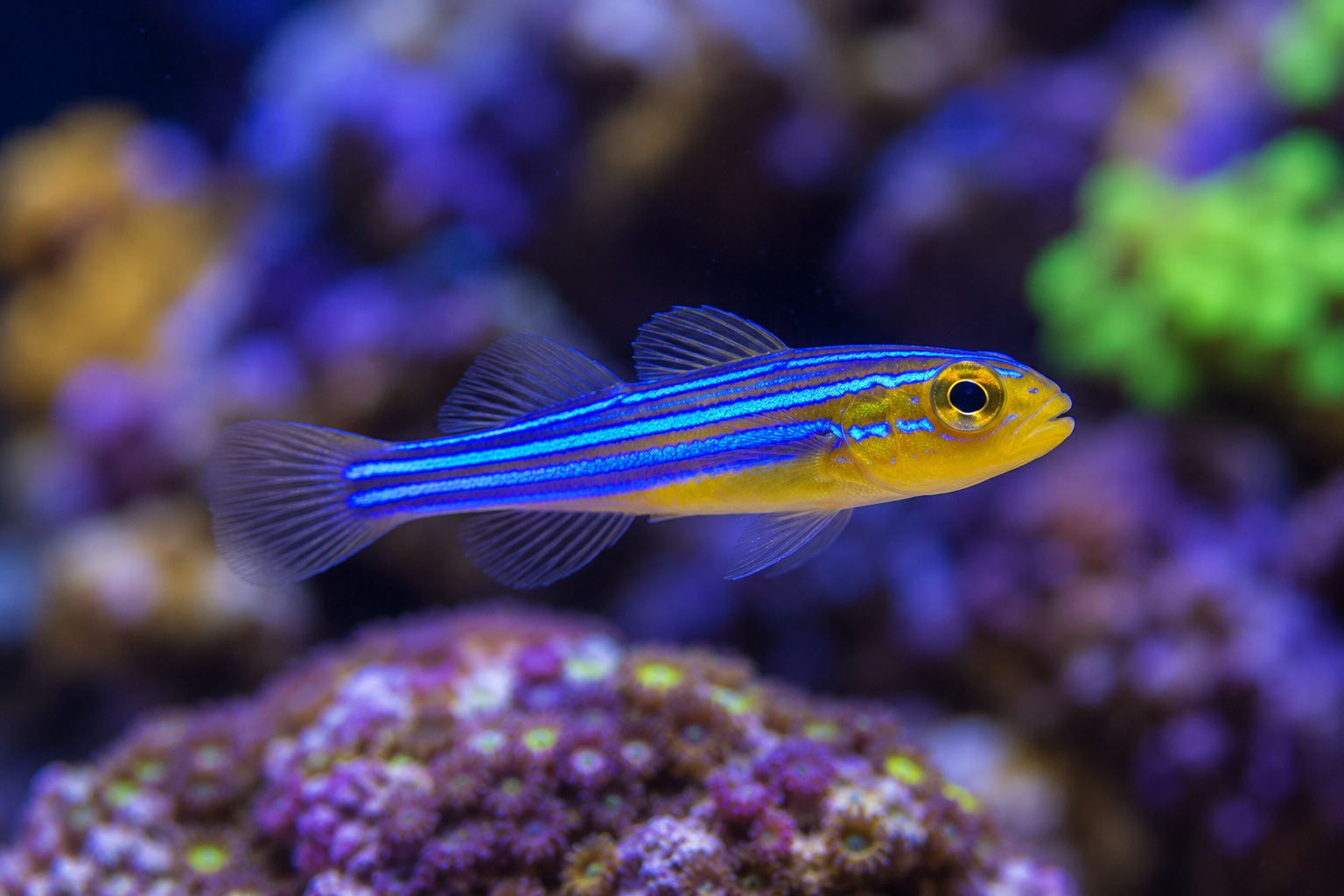
Neon Goby
A small, peaceful, reef-safe goby known for occasional cleaner behavior. Great for beginners and community tanks, as long as it isn’t housed with fish...