Search ReefScales
Results for "snail"
32 launch-approved results
Search results for "snail"
 ARTICLE
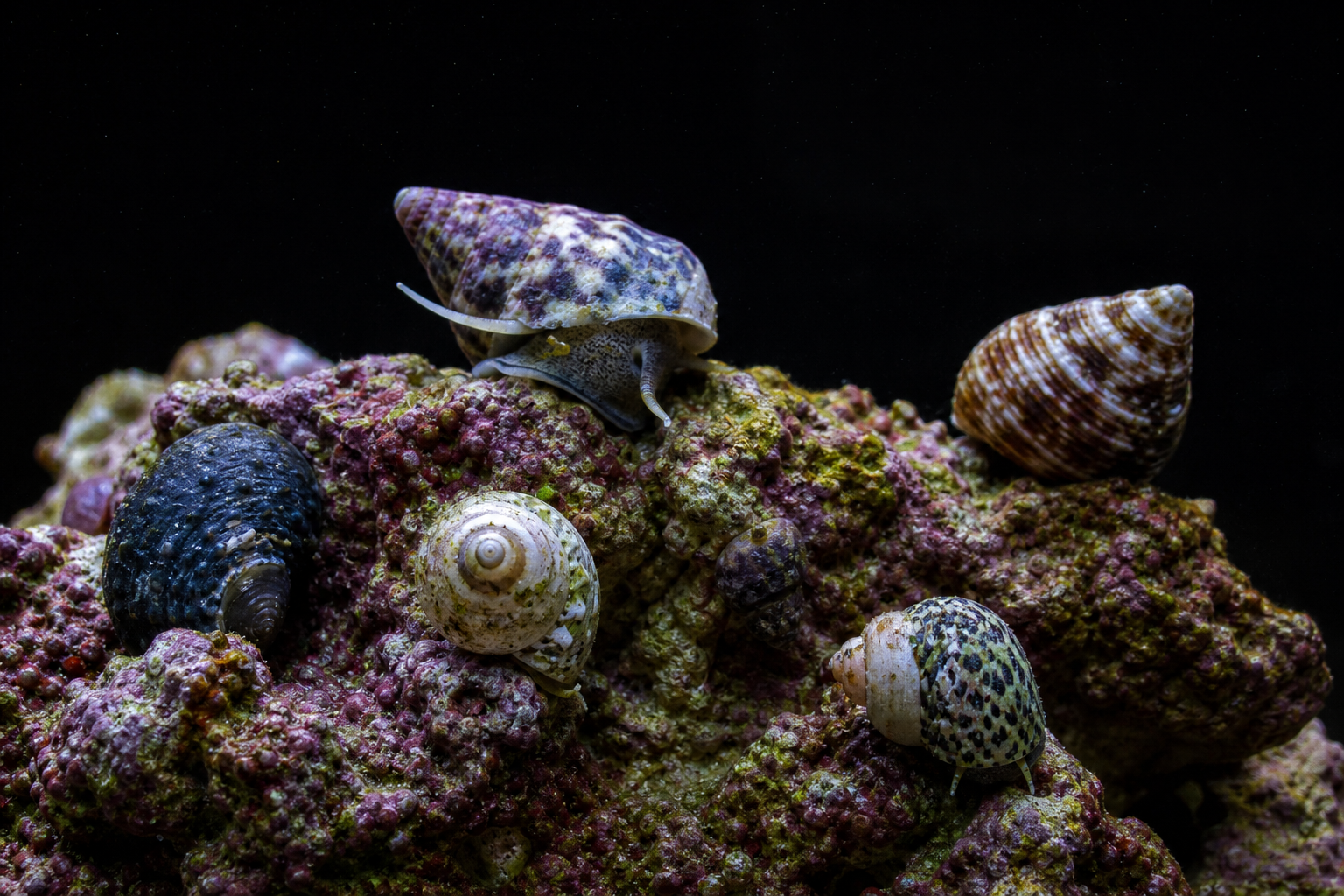
Other Snails
Other Snails Overview This is the canonical Reefapedia landing article for Other Snails in the livestock taxonomy. Taxonomy Context Category path: livestock/invertebrates/snails/other-snails. Breadcrumb: Livestock...
 ARTICLE
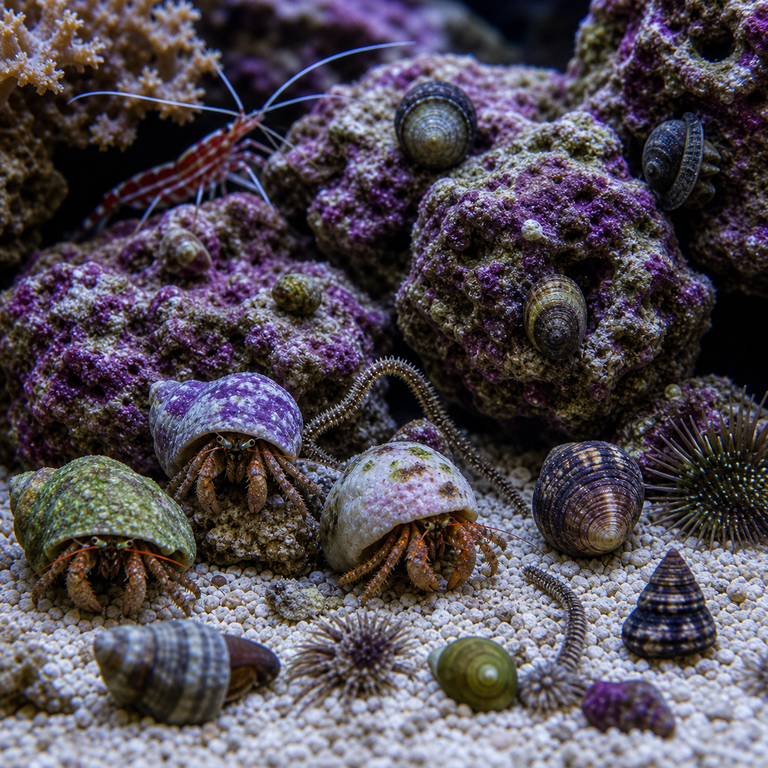
Clean-Up Crew
A hardworking mix of snails, hermits, and more that tackle algae, detritus, and film before it becomes a problem.
 ARTICLE
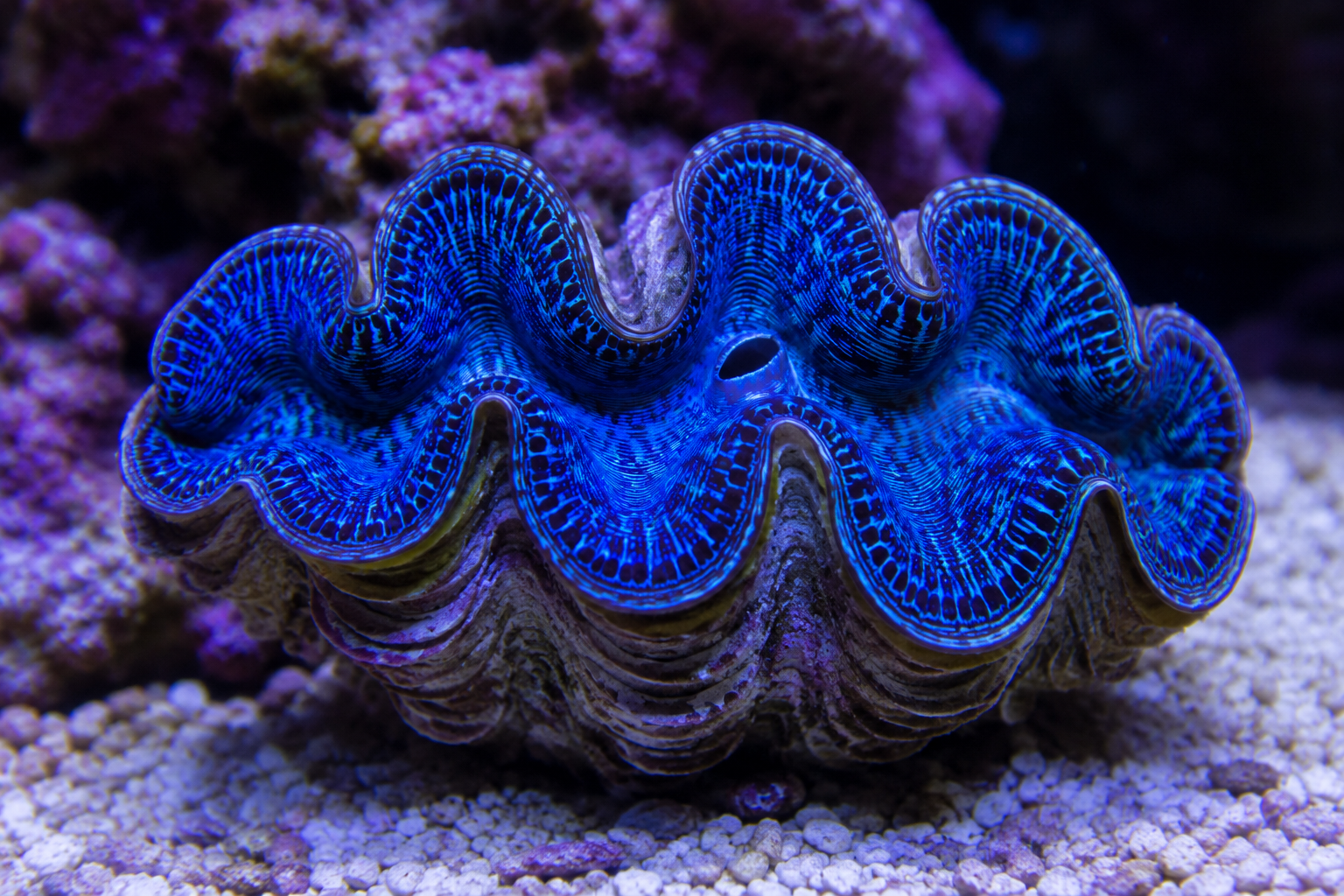
Tridacna Clam
Tridacna clams are light-driven reef animals that thrive only in stable, mature systems. Strong, consistent lighting and steady alkalinity and calcium matter far more...
 ARTICLE
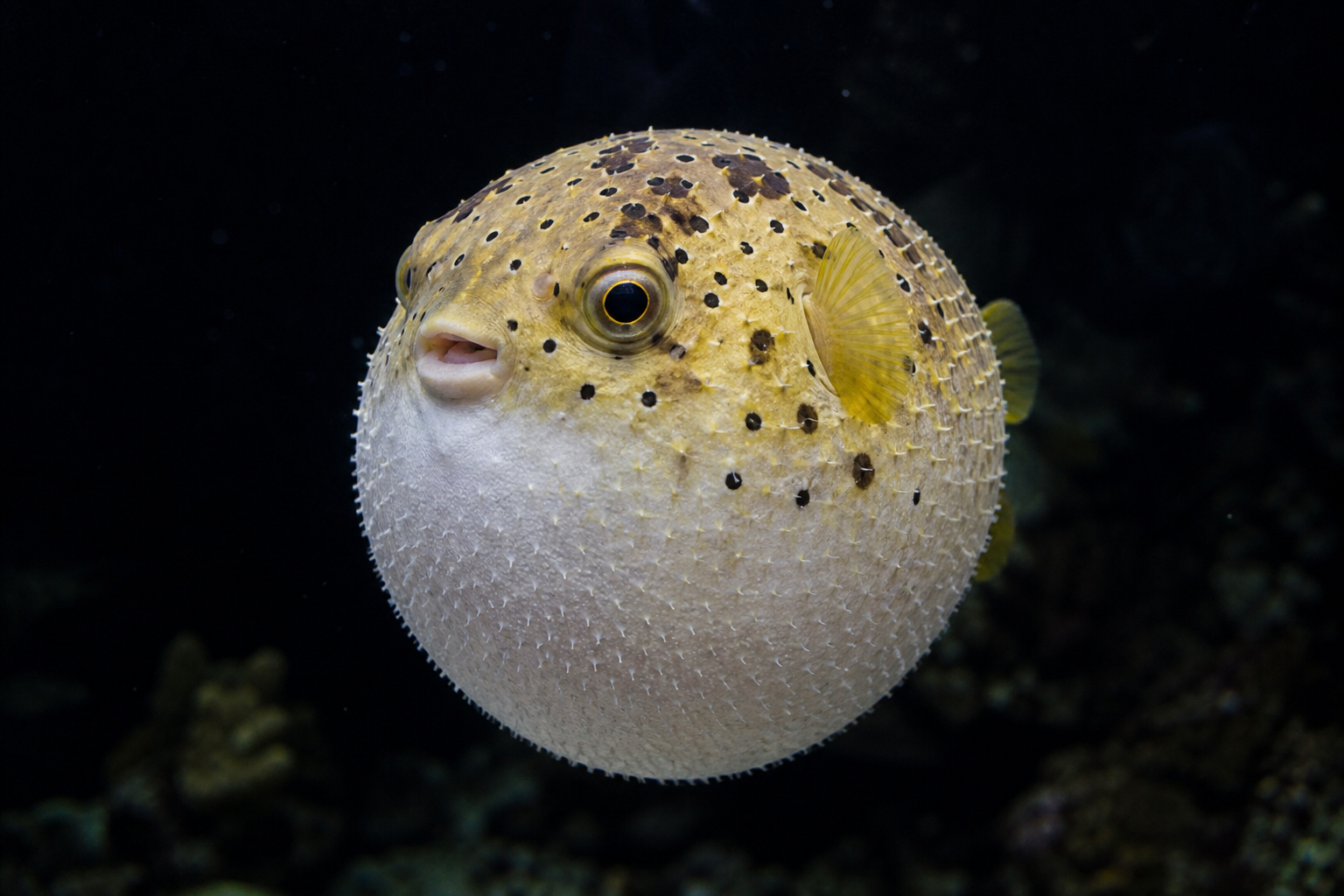
Puffer fish
Curious, toothy characters—many nip corals or snails; research species before adding.
 ARTICLE
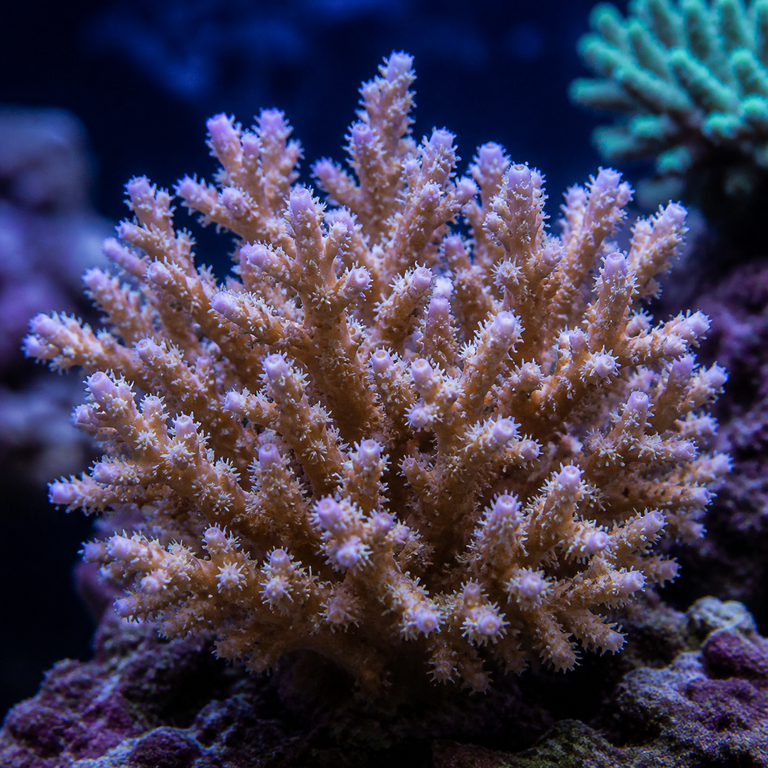
Birdsnest Coral
A popular branching SPS coral that forms a dense “nest” structure. Best in stable tanks with moderate-to-high light and strong, turbulent flow. More forgiving...
 ARTICLE
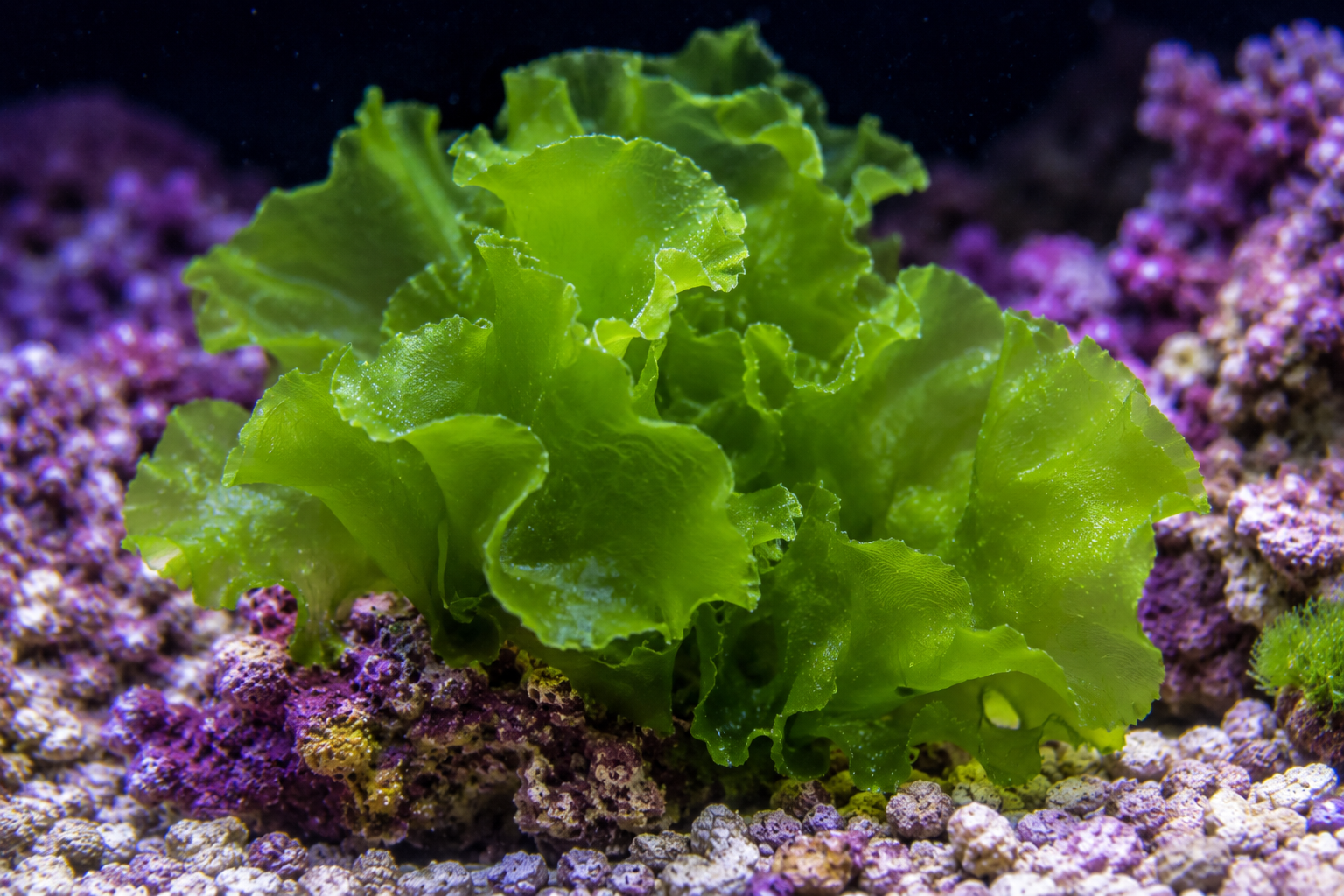
Ulva (Sea Lettuce)
Ulva (Sea Lettuce) is a fast-growing macroalgae used primarily for nutrient export and food web support. It thrives with moderate–high light, moderate flow, and...
 ARTICLE
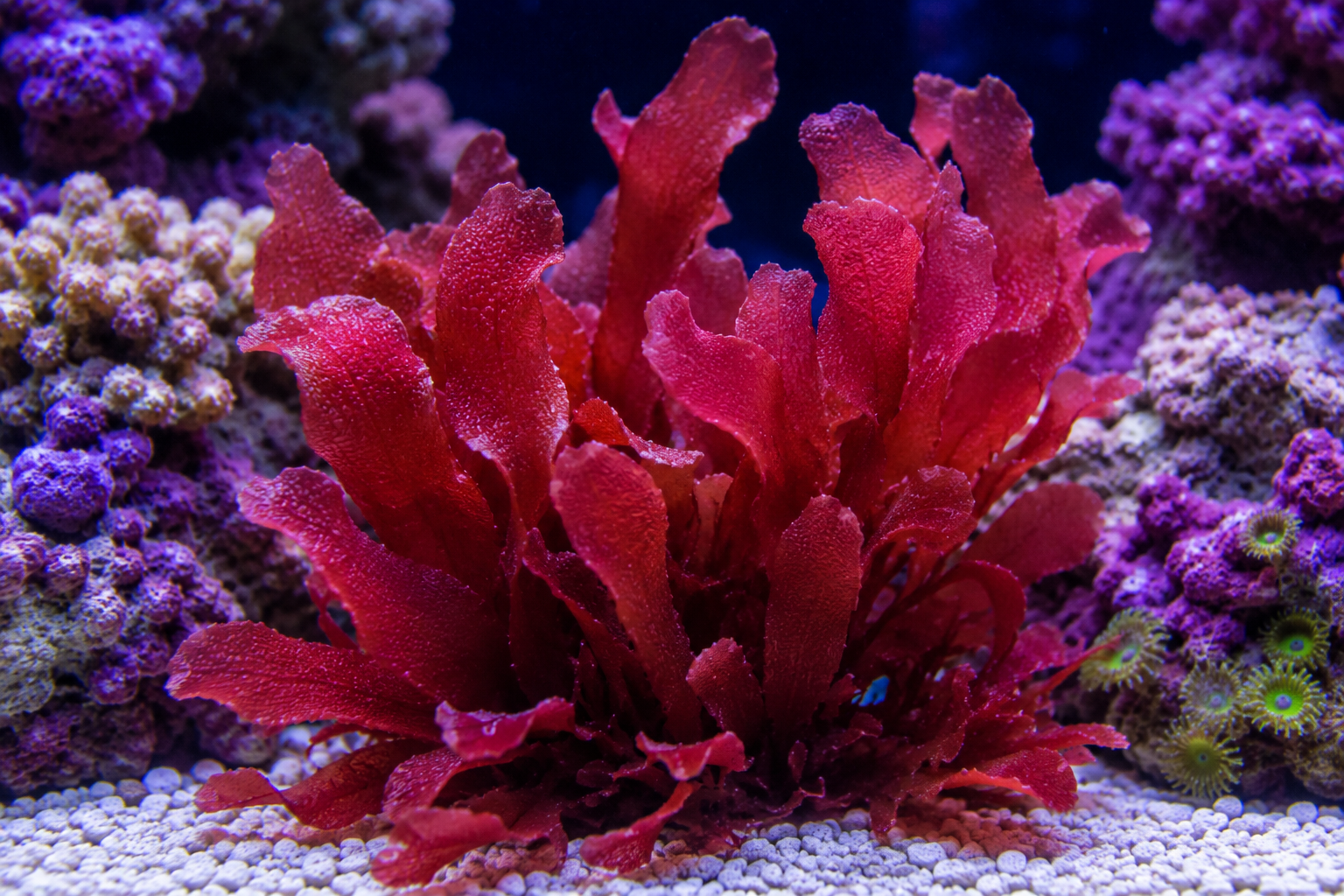
Dragon’s Tongue (Halymenia)
Dragon’s Tongue (Halymenia) is a display-friendly macroalgae that offers light nutrient export without aggressive growth. It does best in stable systems with moderate–high light,...
 ARTICLE
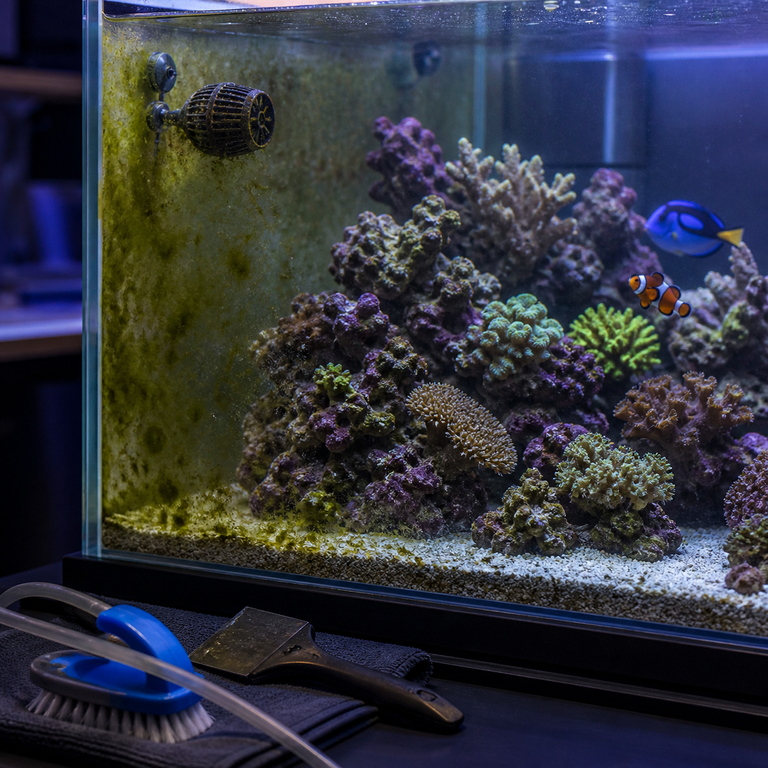
Vermetid Snails (Vermetidae spp.)
Vermetid snails are tube-dwelling pests that spread on rock and frag plugs and irritate corals with sticky mucus webs.
 ARTICLE
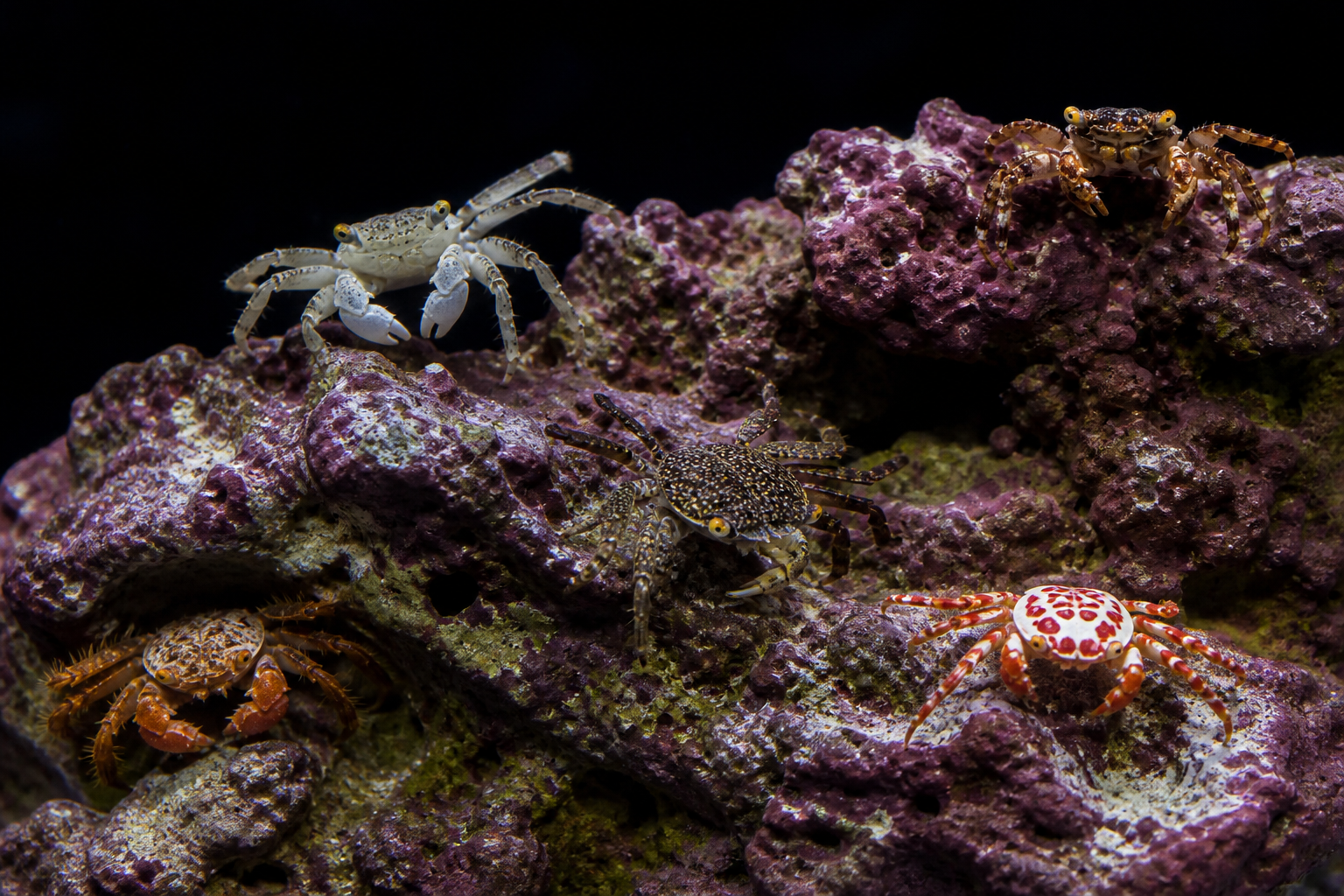
Gorilla Crabs
Gorilla/xanthid crabs are common hitchhikers that can become predators in reef tanks, often causing mystery snail and hermit losses. Because many are nocturnal and...
 ARTICLE
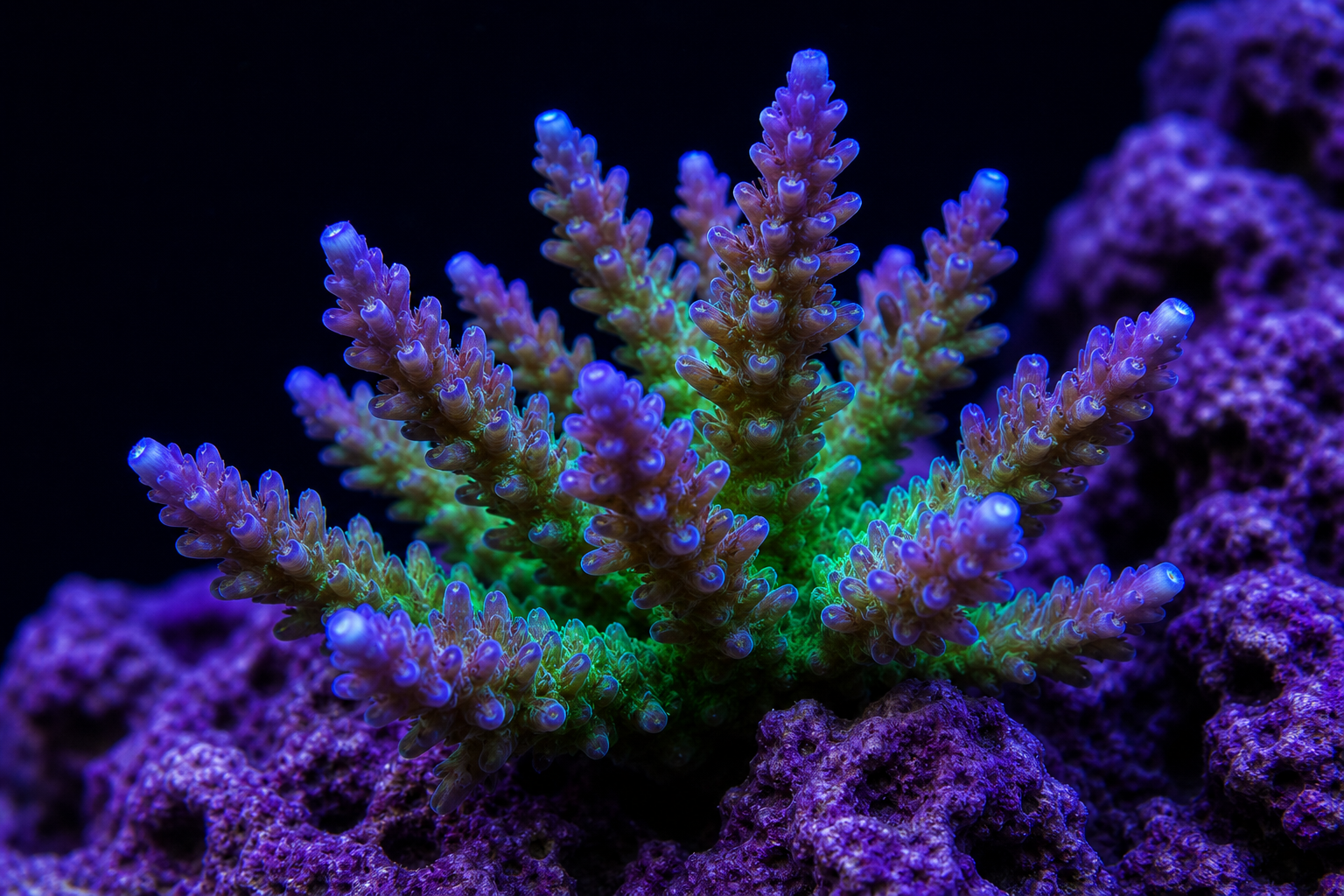
Acropora Red Bugs (Tegastes acroporanus)
Acropora red bugs are tiny parasitic copepods that irritate Acropora, causing reduced polyp extension, dull color, and slowed growth. They spread easily via new...
 ARTICLE
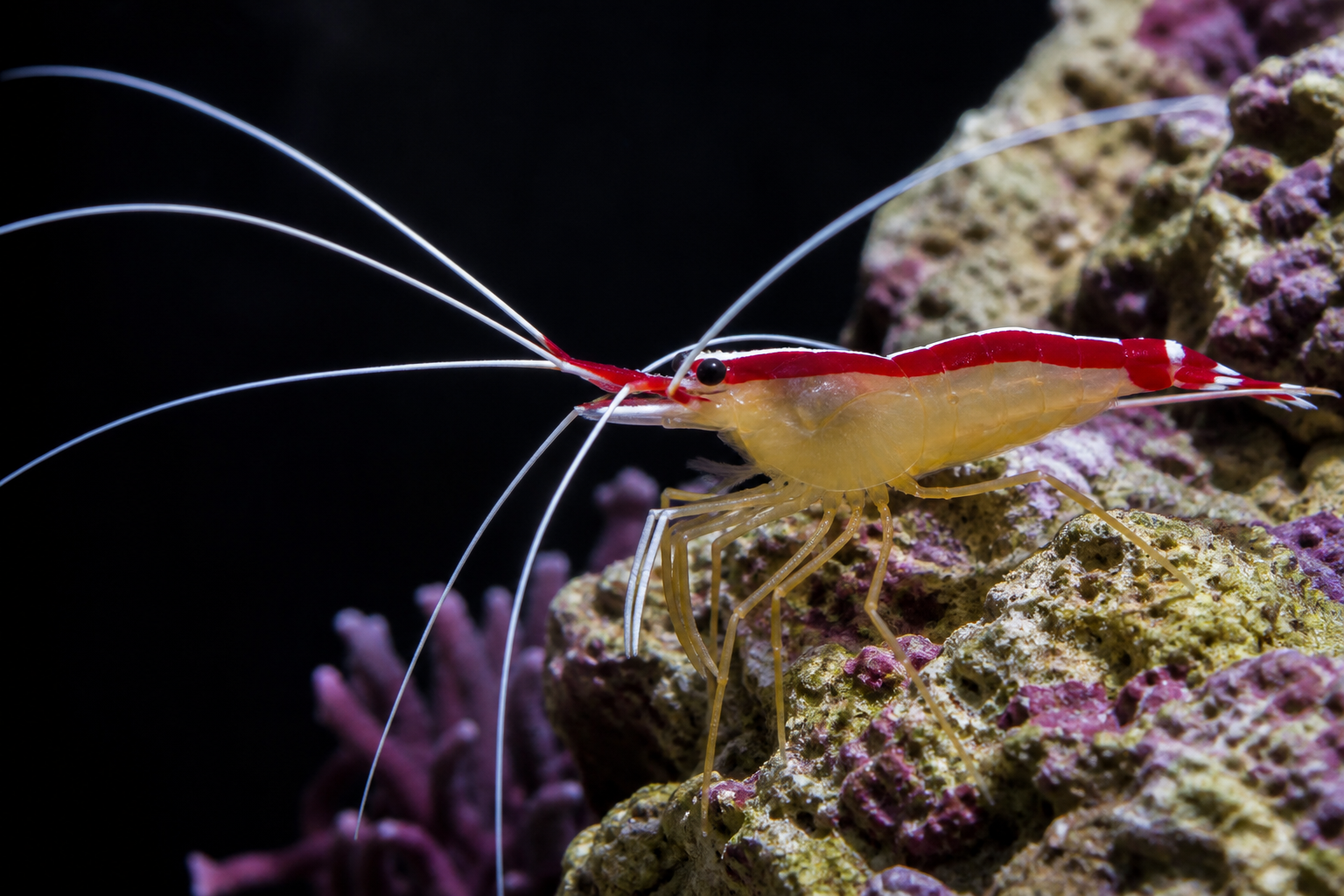
Mantis Shrimp (Stomatopoda)
Mantis shrimp are predatory hitchhikers that often reveal themselves through clicking sounds and disappearing snails or hermits. They’re fascinating animals, but not reef-safe in...
ARTICLE
Vermetid Snails
Vermetid snails are tube-dwelling pests that spread on rock and frag plugs and feed with sticky mucus webs. Their webs can irritate corals and...
ARTICLE
Predatory Oenone Worm (Oenone fulgida)
Oenone worms are hidden predators often blamed for unexplained snail losses and empty shells in reef tanks.
ARTICLE
Hydroids
Hydroids are stinging colonial polyps that hitchhike into reef tanks and can spread across plugs, racks, and rockwork. They often irritate corals and cause...
ARTICLE
Zoanthid-Eating Nudibranch
Zoanthid-eating nudibranchs are tiny, camouflaged predators that eat zoa polyps and can wipe colonies fast. They hide in mats and lay eggs, so outbreaks...
 ARTICLE
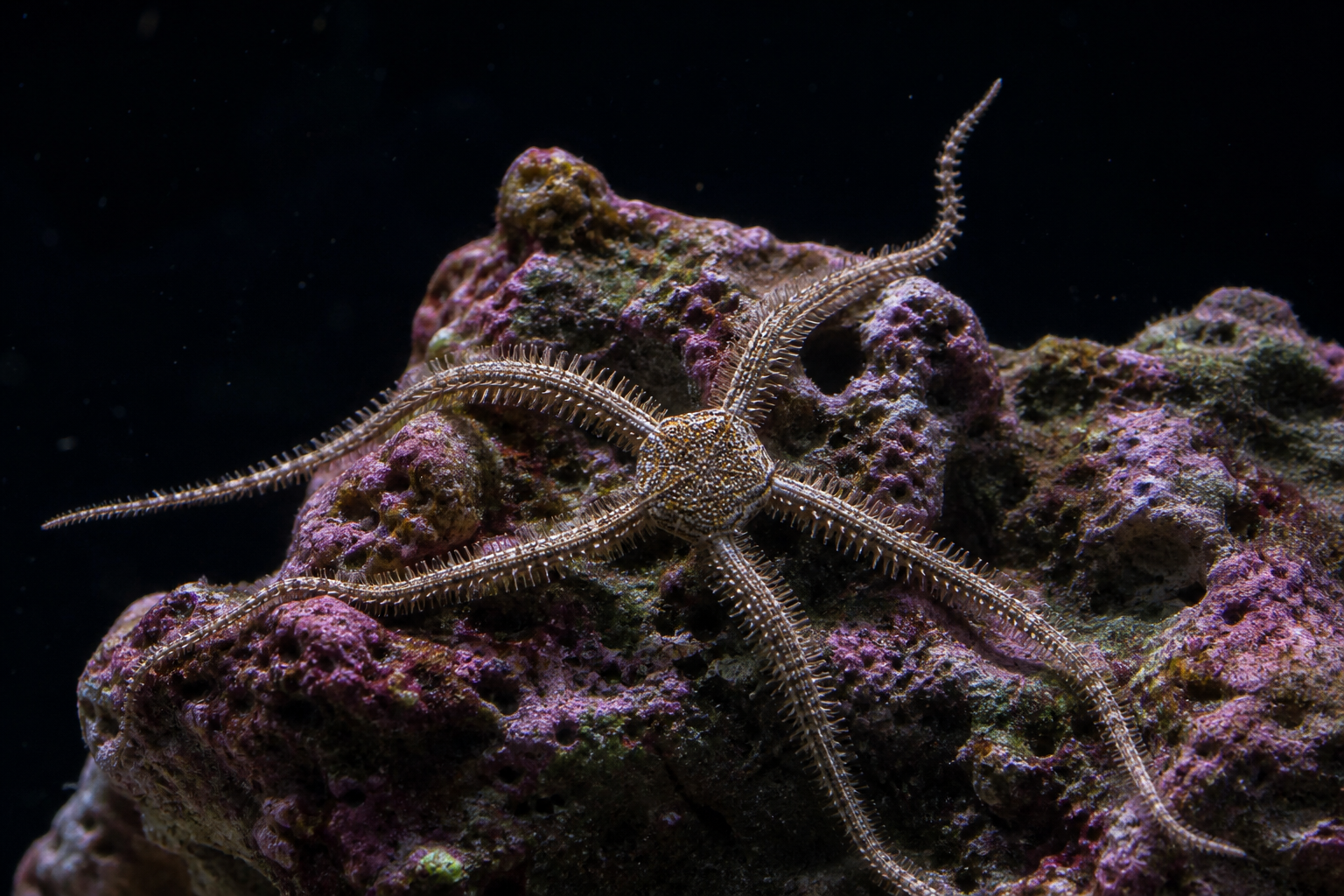
Sand-Sifting Starfish
Sand-sifting starfish clean sand by consuming the life within it, which makes them one of the most common slow-failure inverts in reef tanks. While...
 ARTICLE
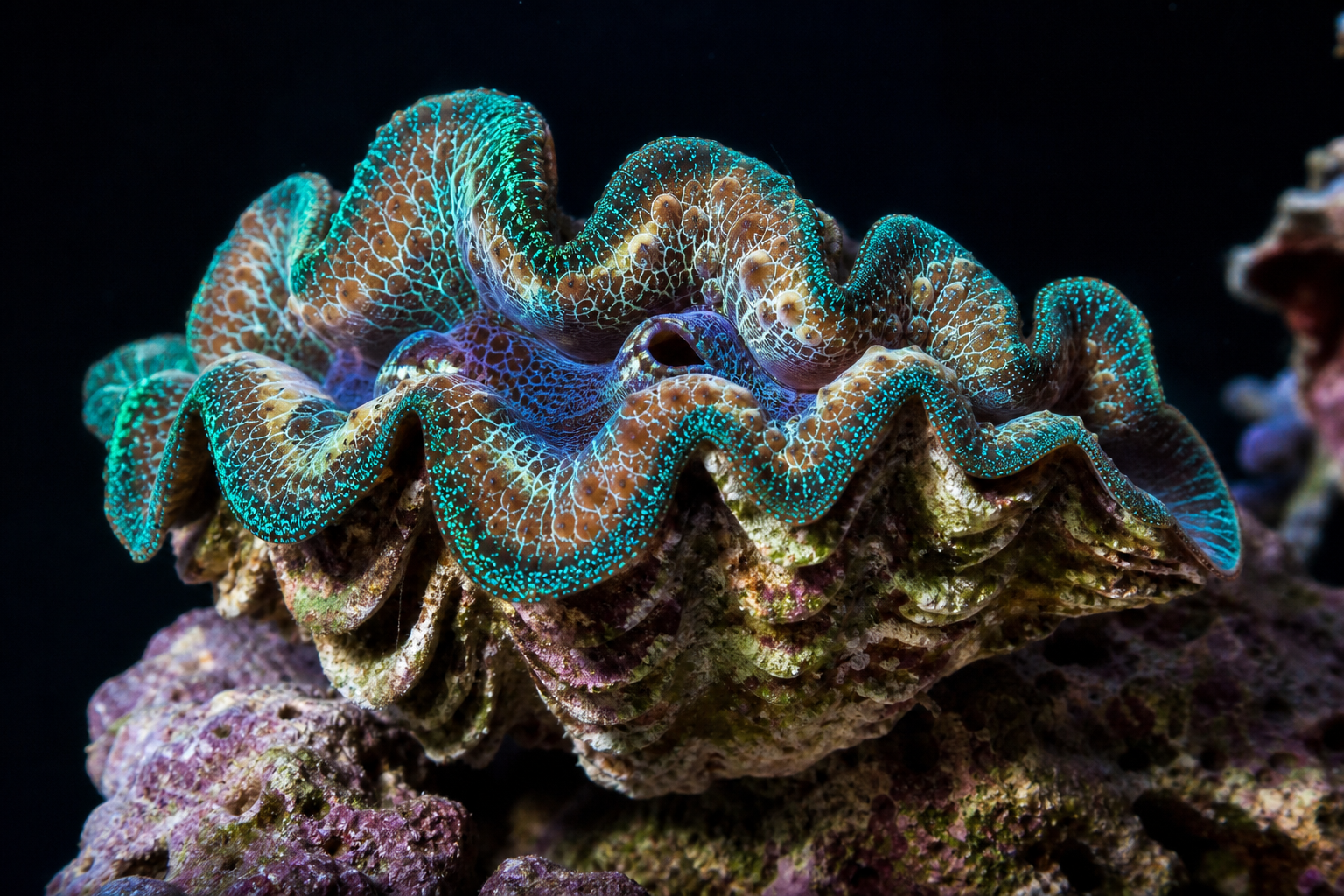
Squamosa Clam
Squamosa clams are one of the more forgiving giant clams, but they still require a stable, mature reef with consistent lighting and chemistry. They...
 ARTICLE
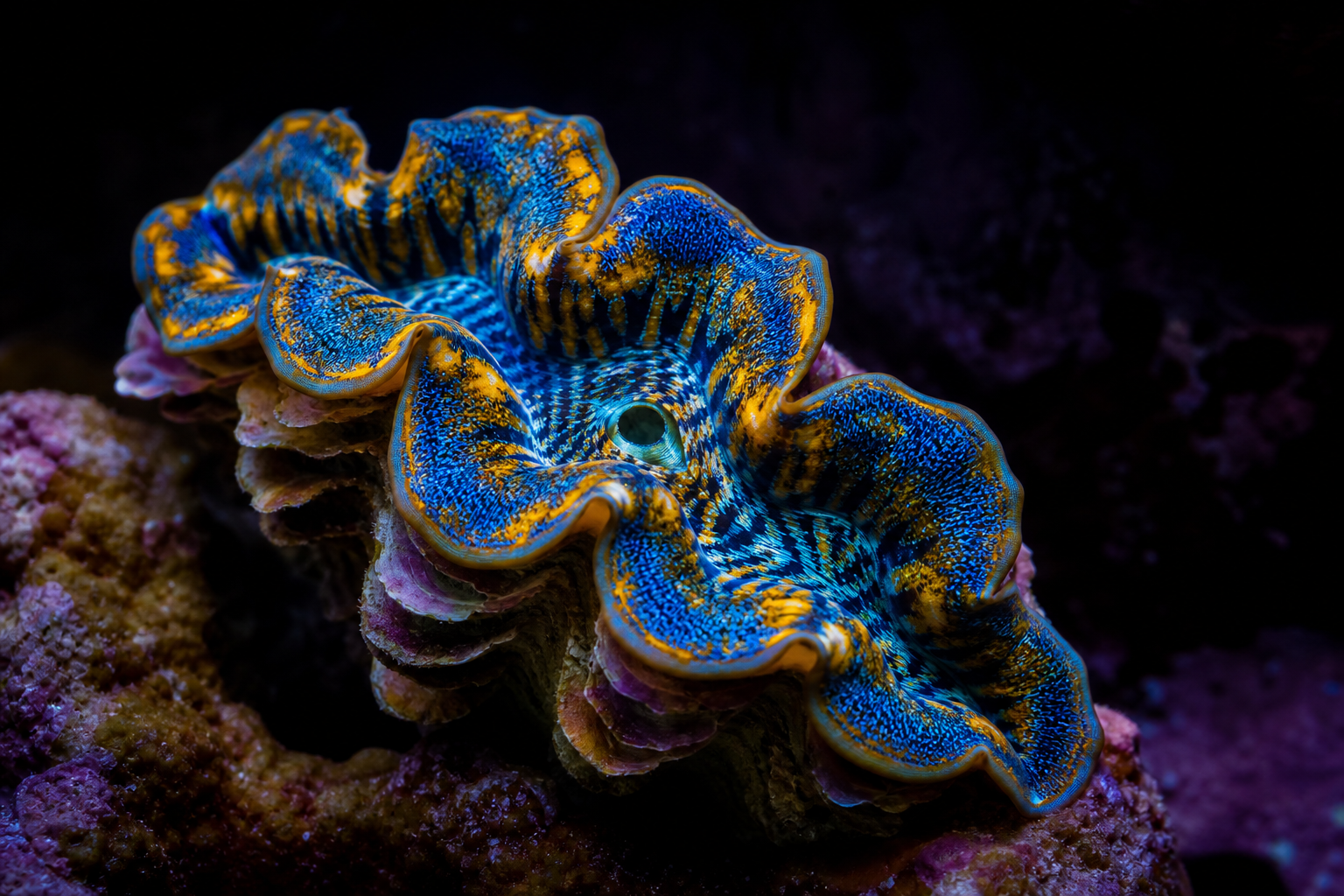
Crocea Clam
Crocea clams are high-light, rock-dwelling giant clams that demand stable chemistry and strong, consistent lighting. They’re sensitive to alkalinity swings, poor placement, and system...
 ARTICLE
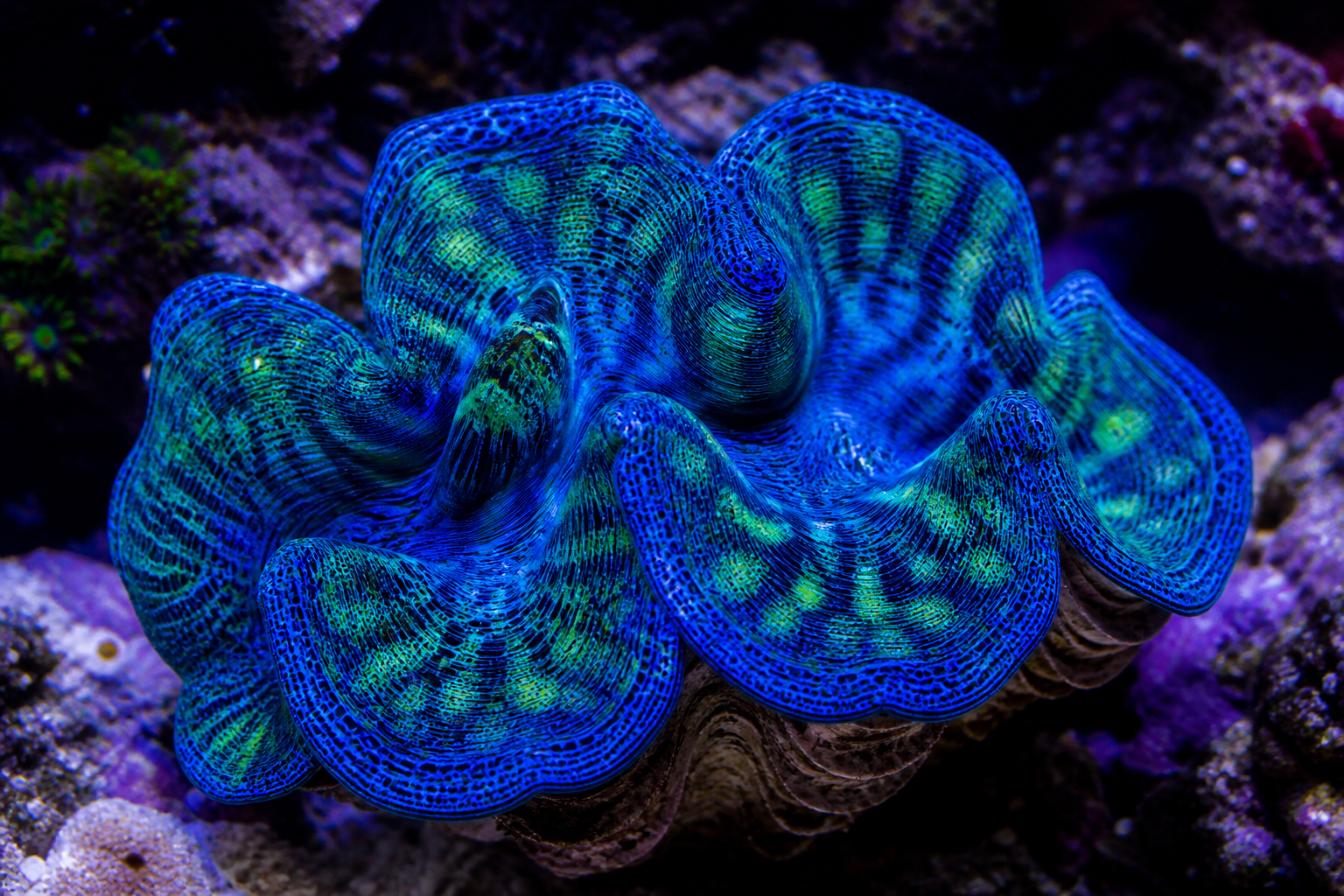
Maxima Clam
Maxima clams are high-light, light-driven clams that do best in mature, stable reef systems. They need strong, consistent lighting, steady alkalinity and calcium, and...
 ARTICLE
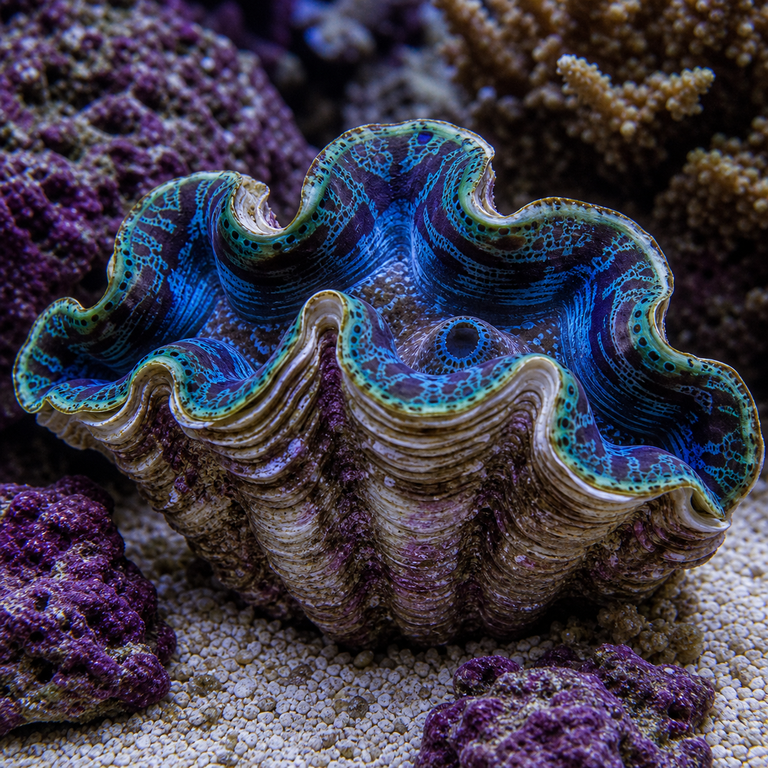
Derasa Clam
Derasa clams are one of the more forgiving giant clams, but they still require a stable, mature reef with consistent lighting and chemistry. They...
 ARTICLE
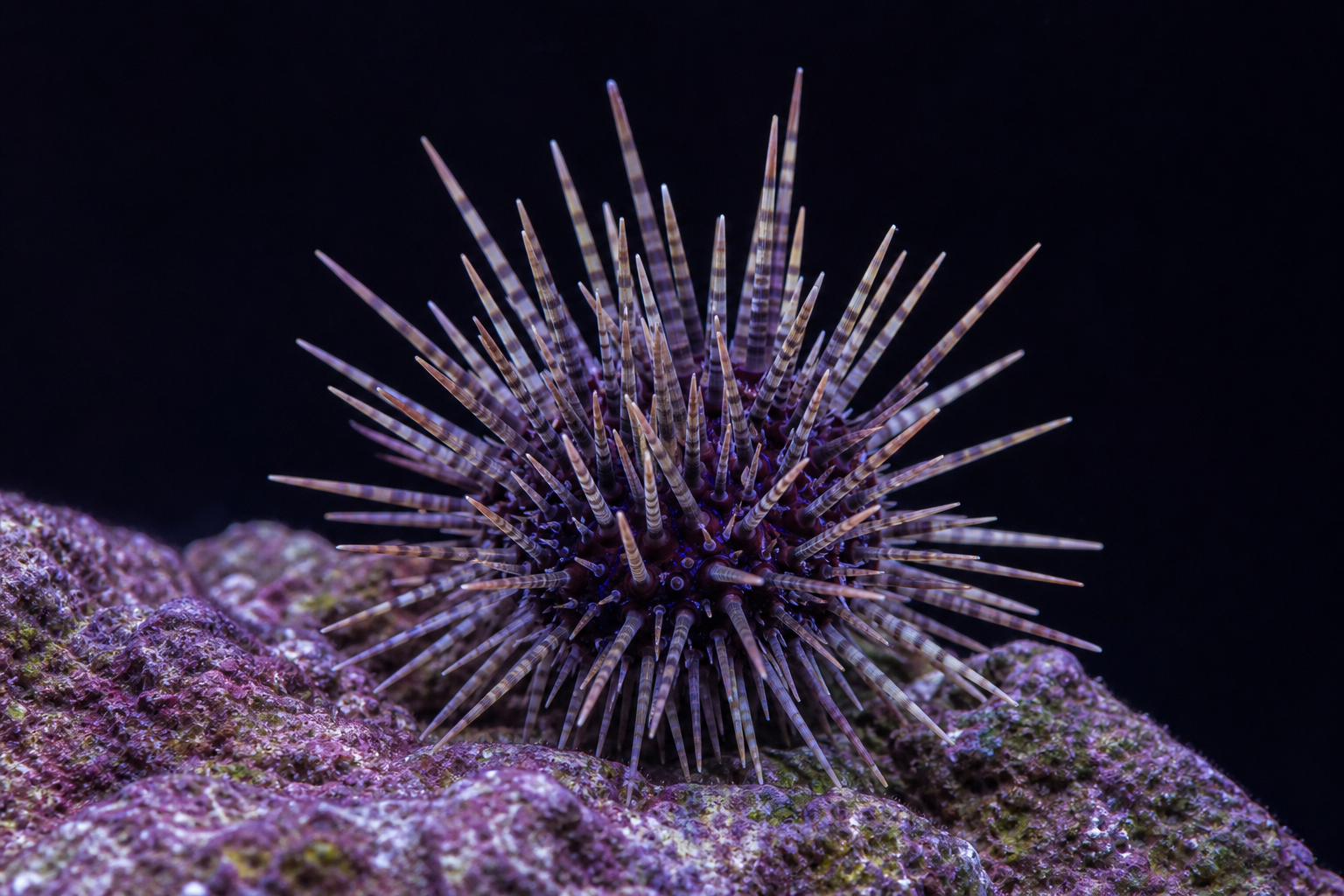
Collector Urchin
Collector urchins are effective algae grazers with a lot of personality, but they’re mechanically disruptive by nature. They’re reef safe biologically, yet will pick...
 ARTICLE
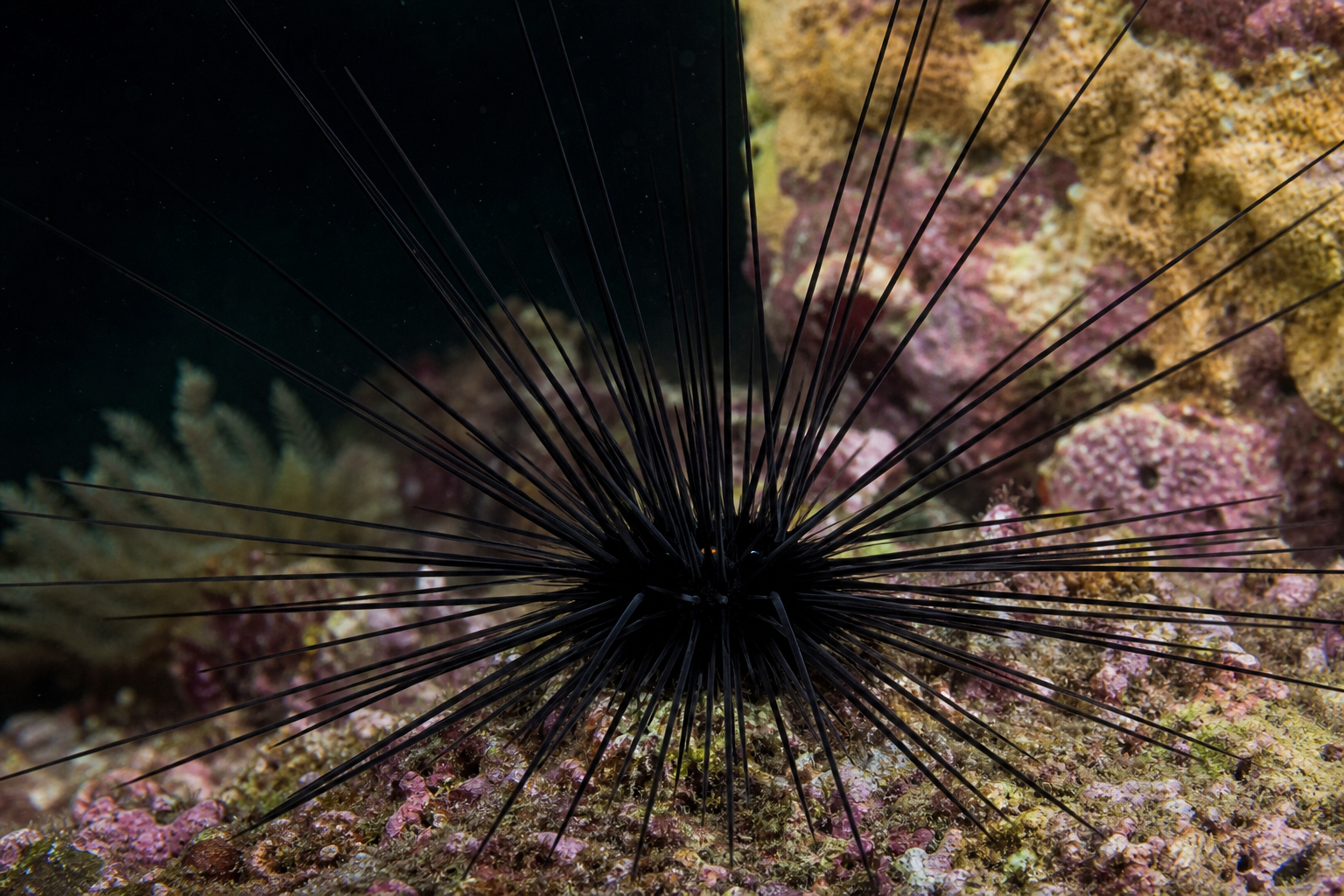
Longspine Urchin
Longspine urchins are powerful algae grazers best suited for large, well-secured reef tanks. They’re reef safe biologically, but their size, spines, and strength make...
 ARTICLE
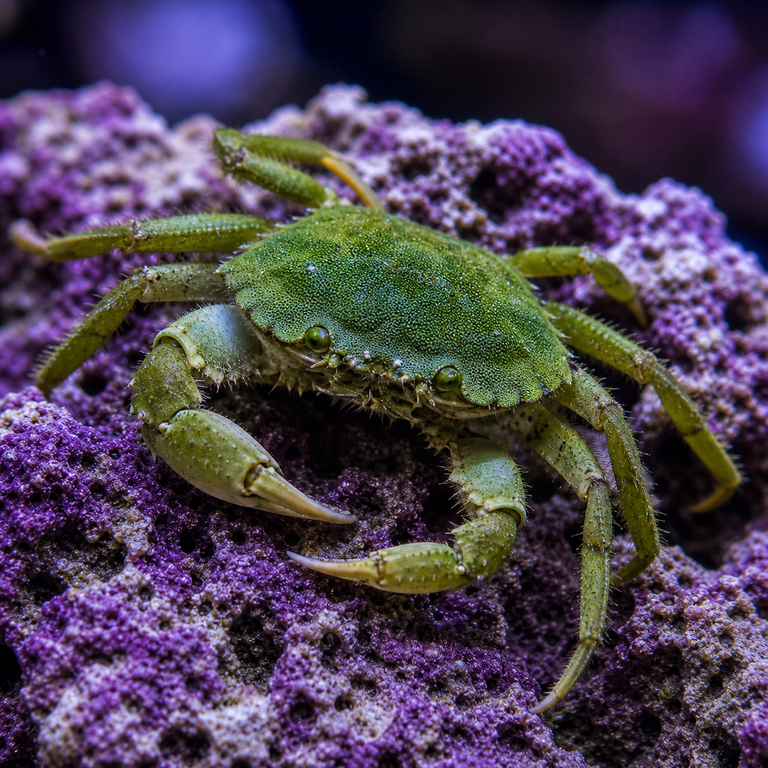
Emerald Crab
Emerald crabs are opportunistic algae grazers that can be very effective when algae is present, especially bubble algae. They’re reef safe with conditions, but...
 ARTICLE
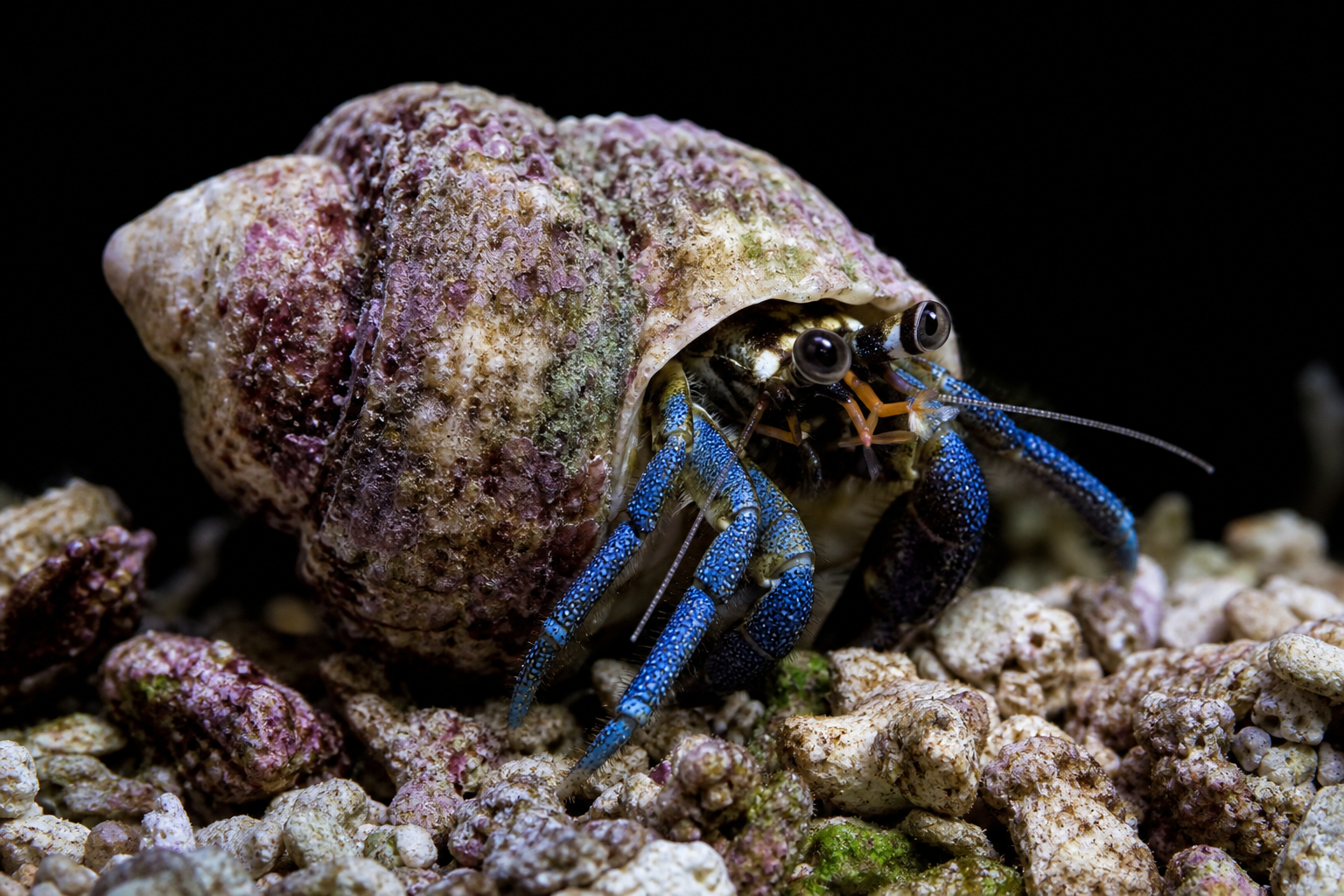
Blue-Leg Hermit Crab
Blue-leg hermits are active, hardy scavengers that help with algae and leftover food, but they’re more aggressive than scarlet hermits. Their biggest downside is...
 ARTICLE
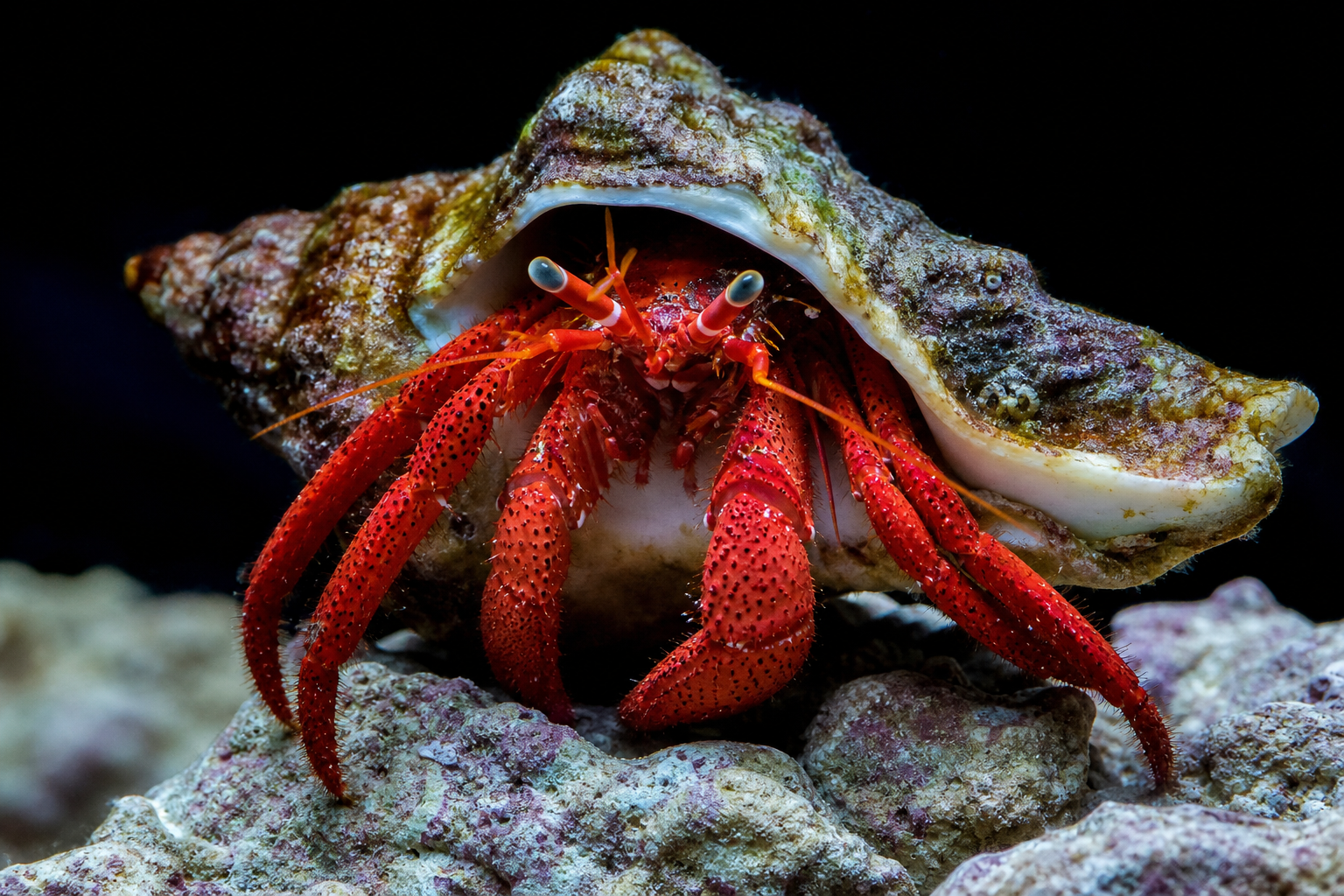
Scarlet Hermit Crab
Scarlet hermit crabs are one of the most reef-friendly hermits available, known for grazing algae and biofilm without causing much trouble. They do best...
 ARTICLE
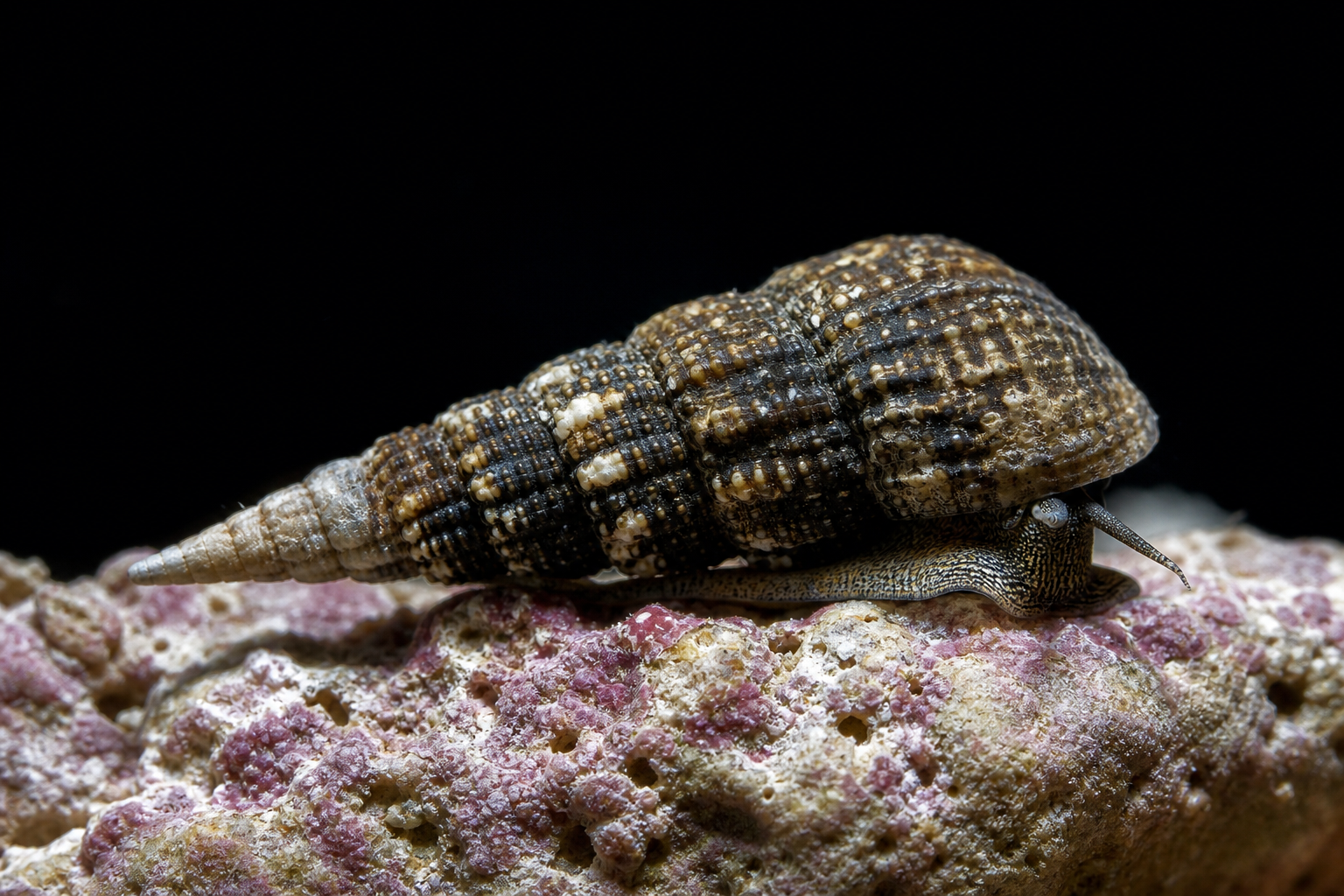
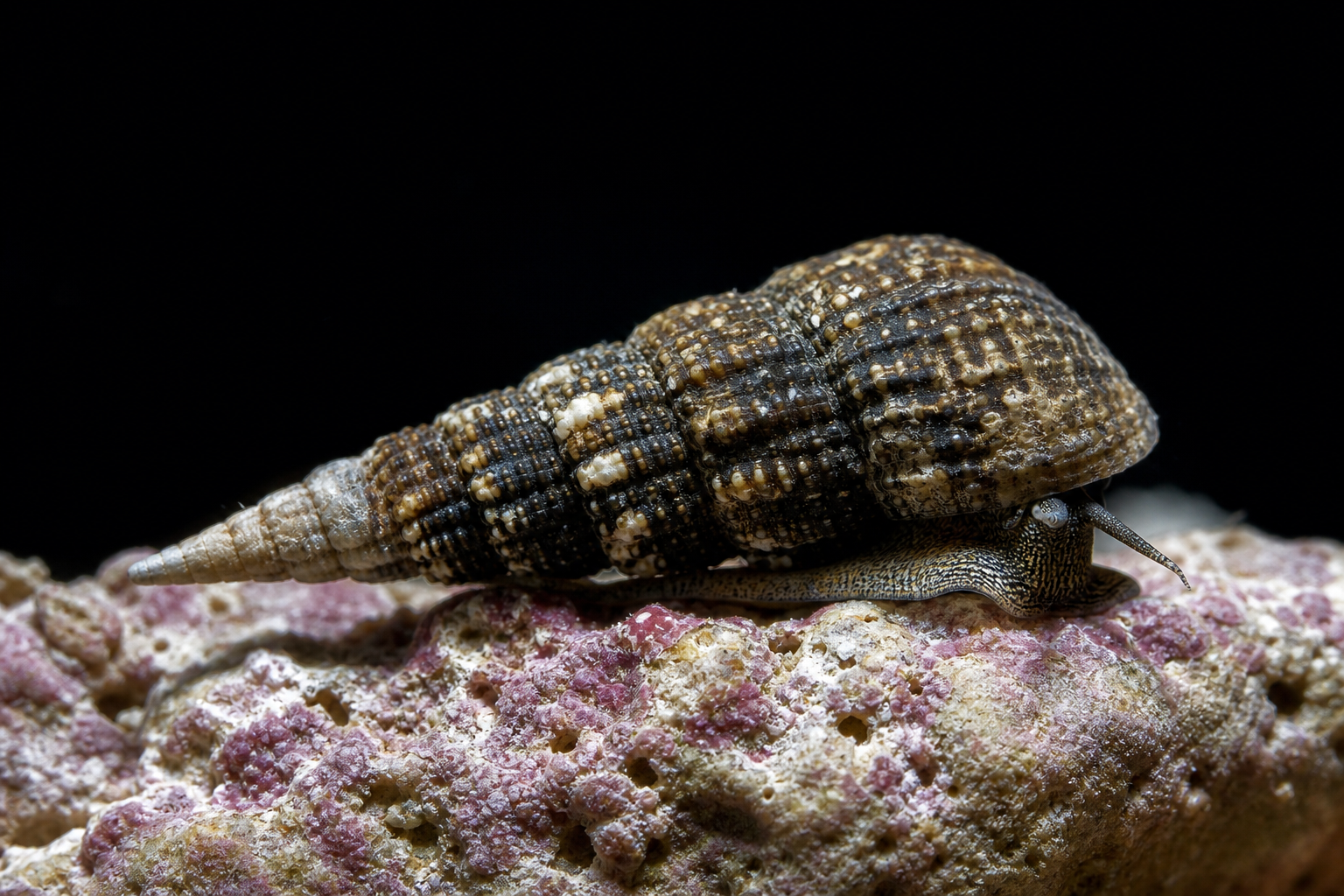
Astraea Snail
Astraea snails are reef-safe algae grazers that clean film algae and biofilm from rock and glass. Their main downside is that many can’t flip...
 ARTICLE
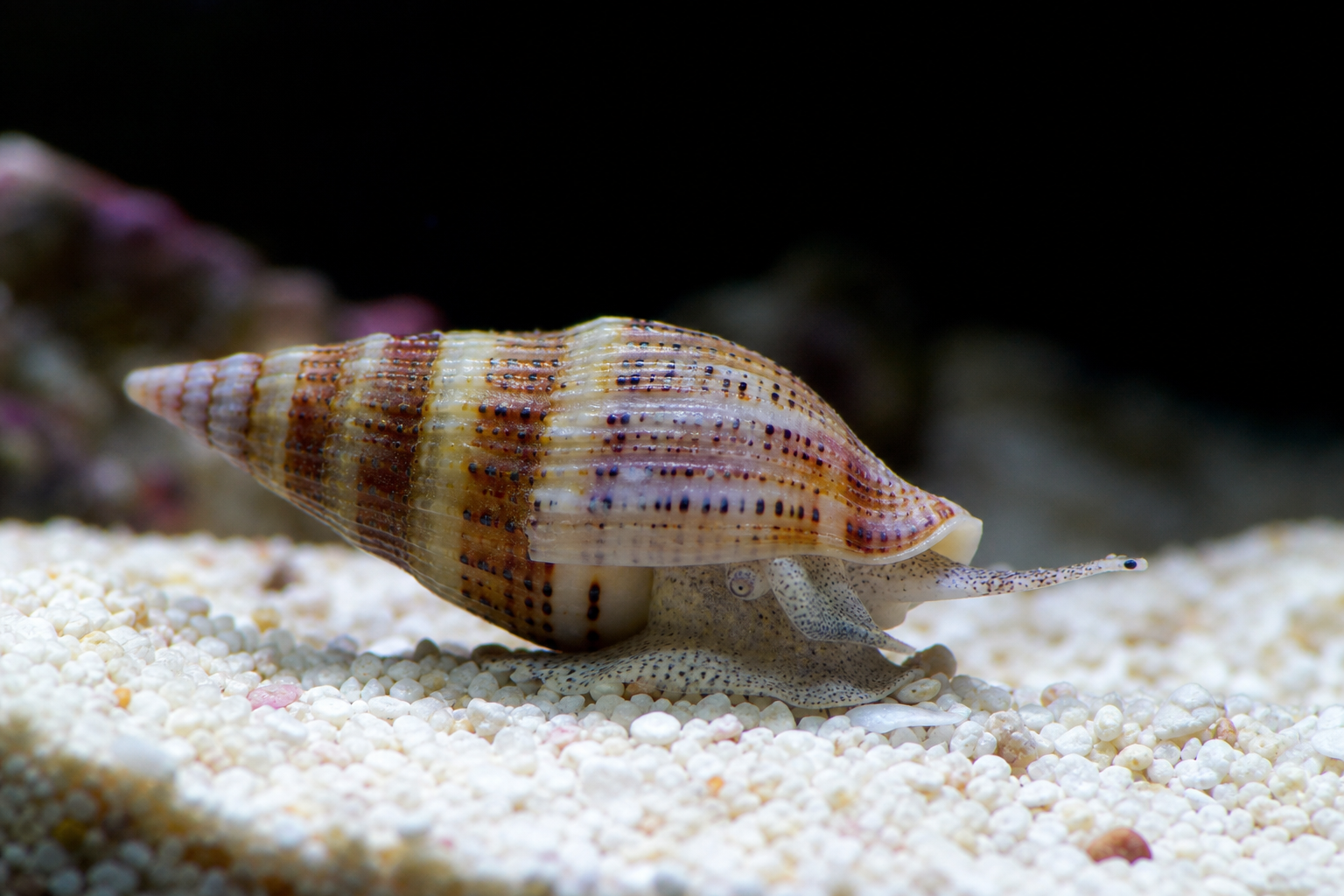
Cerith Snail
Cerith snails are versatile, reef-safe grazers that work across rock, glass, and sandbed edges, making them one of the most useful cleanup crew snails...
 ARTICLE
Turbo Snail
Turbo snails are powerful algae grazers best used as a targeted response when algae needs to be knocked back quickly. They’re reef safe biologically,...
 ARTICLE
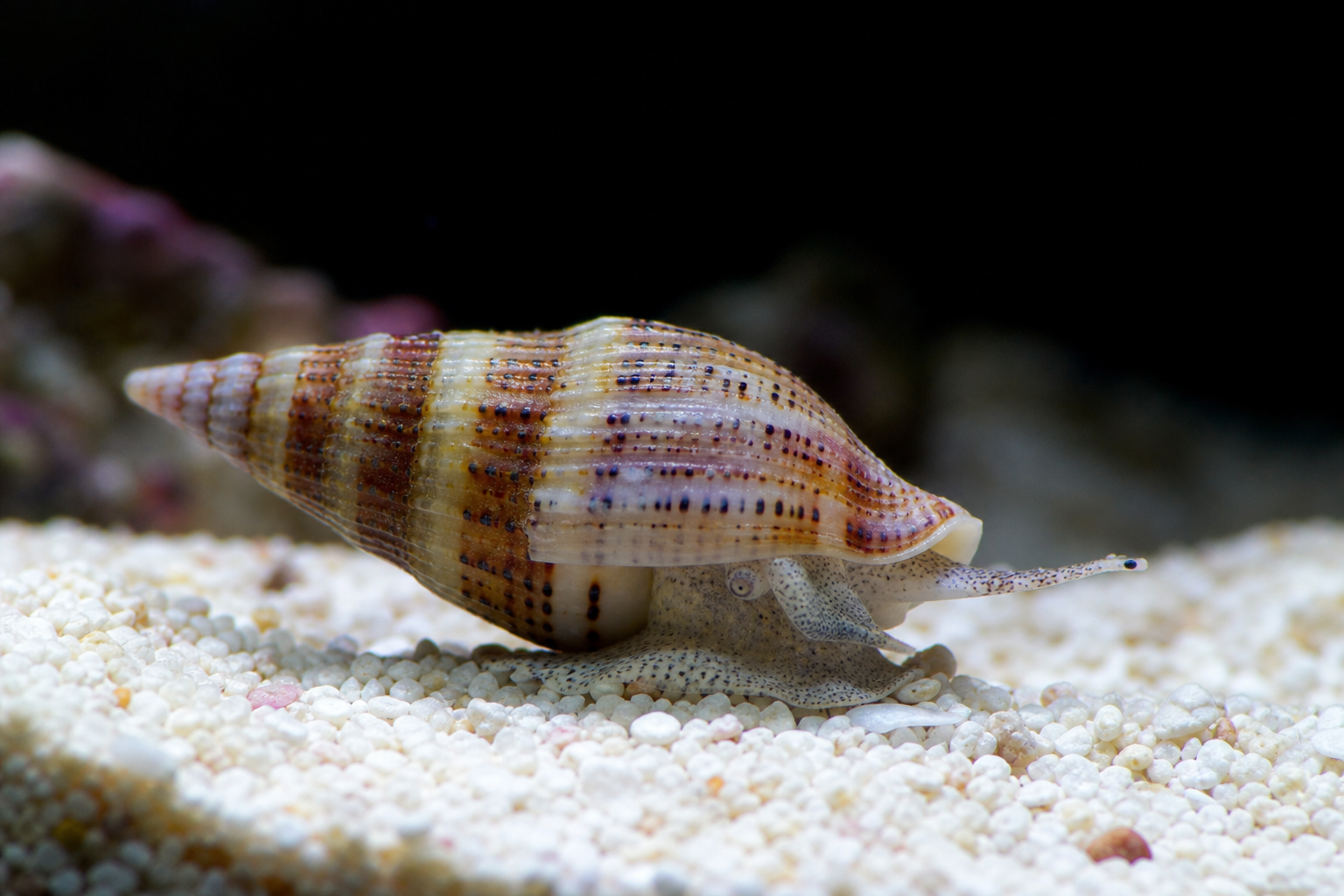
Nassarius Snail
Nassarius snails are sandbed scavengers that specialize in cleaning up leftover meaty food, not algae. They live buried in the sand and rely on...
 ARTICLE
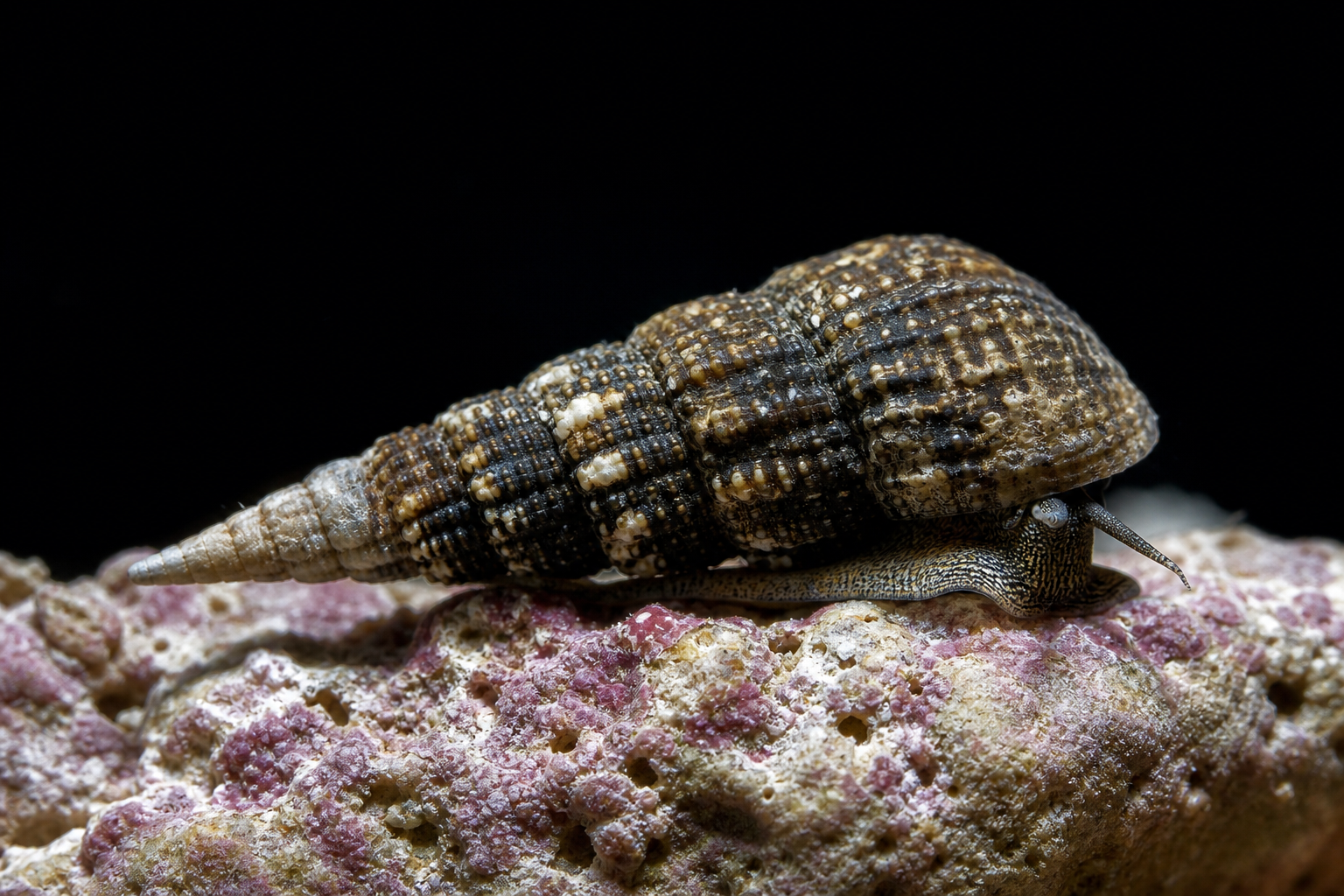
Trochus Snail
Trochus snails are reliable, reef-safe algae grazers that work on both glass and rock without needing constant attention. They’re especially valued for their ability...
 ARTICLE
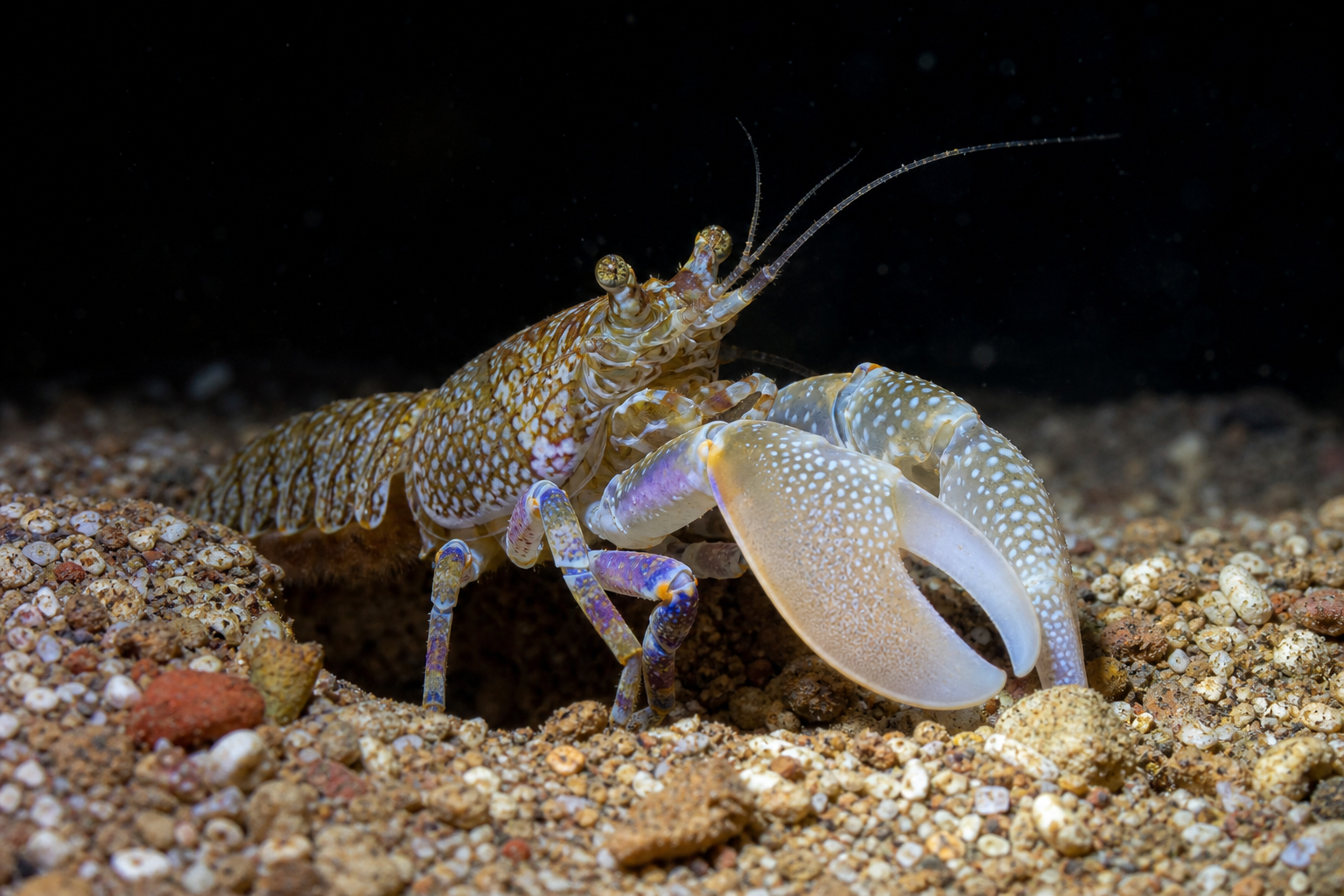
Pistol Shrimp
Pistol shrimp are burrowing engineers that reshape the sandbed, move rubble, and make their presence known with characteristic snapping. They aren’t cleanup crew and...
 ARTICLE
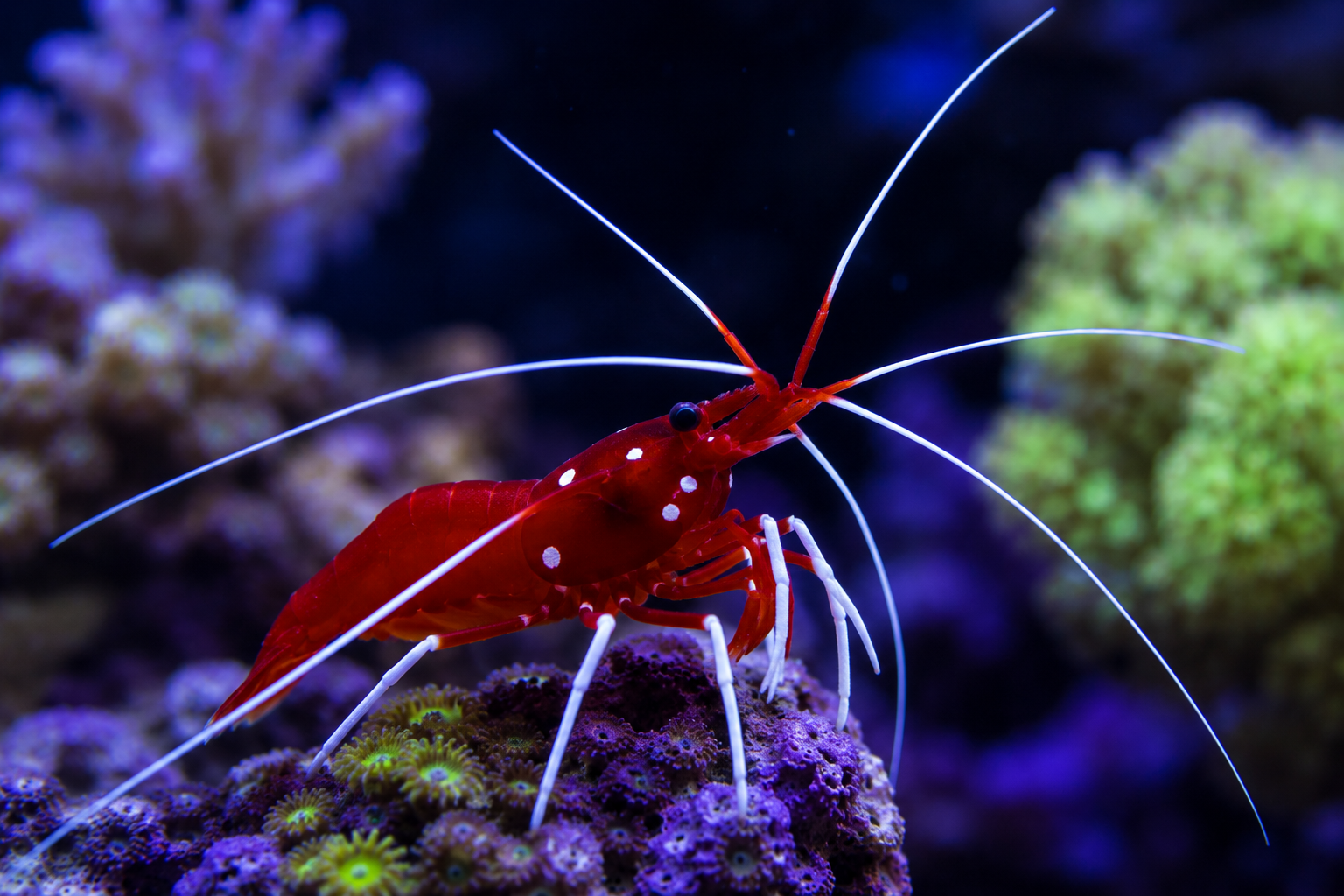
Fire Shrimp
Fire (Blood) shrimp are peaceful, reef-safe cleaner shrimp with a more reserved personality than skunk cleaners. They’re naturally shy, often more active in the...