Search ReefScales
Results for "lighting"
69 launch-approved results
Search results for "lighting"
 ARTICLE
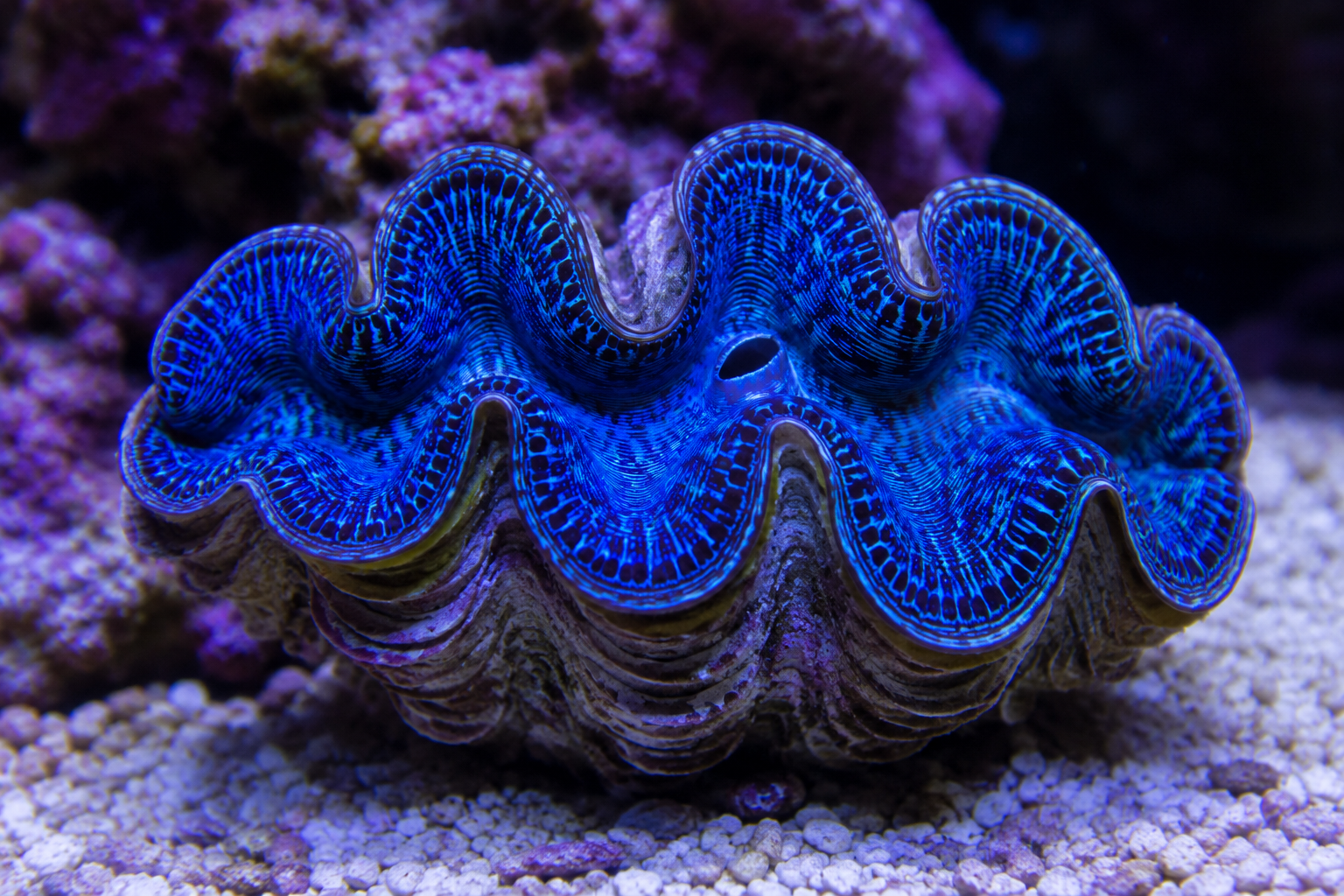
Tridacna Clam
Tridacna clams are light-driven reef animals that thrive only in stable, mature systems. Strong, consistent lighting and steady alkalinity and calcium matter far more...
 ARTICLE
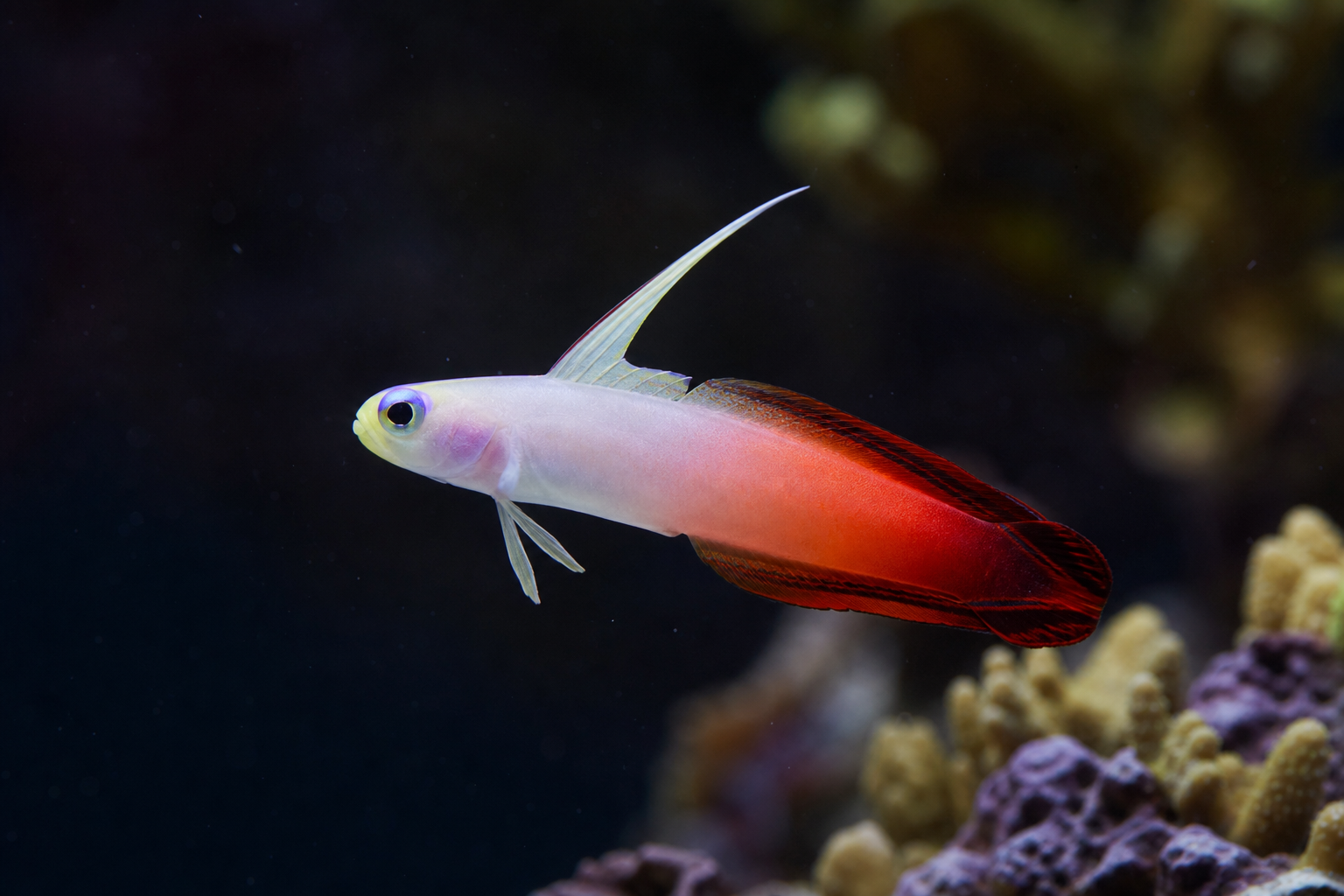
Firefish Goby
A reef-safe, peaceful fish that’s easy to keep and fun to watch—as long as your tank is covered. Provide rockwork with a bolt hole,...
 ARTICLE
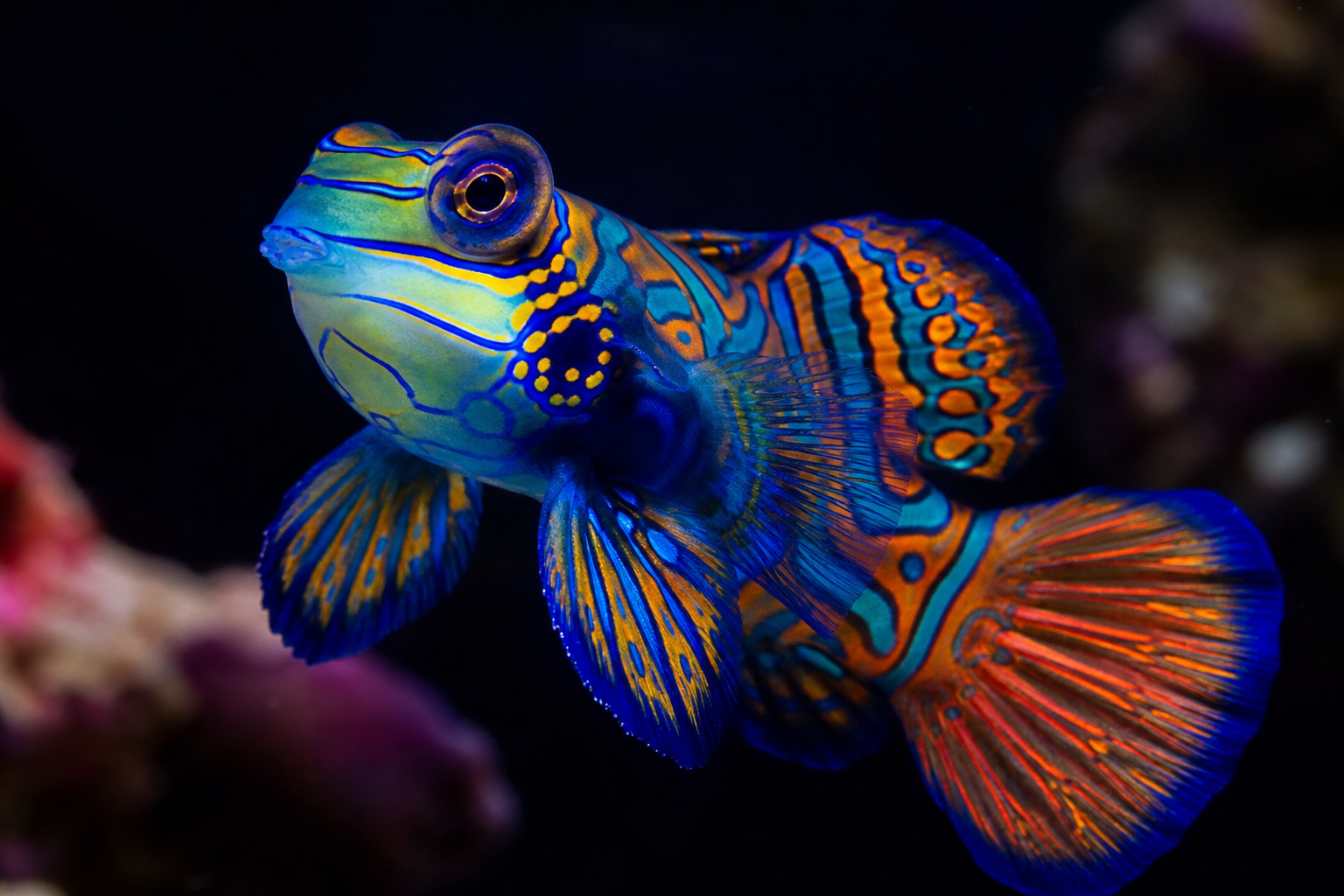
Mandarin Dragonet (Synchiropus splendidus)
A stunning, peaceful, reef-safe fish that constantly hunts copepods and microfauna. Advanced mainly due to feeding requirements. Best in a mature 75+ gallon tank...
 ARTICLE
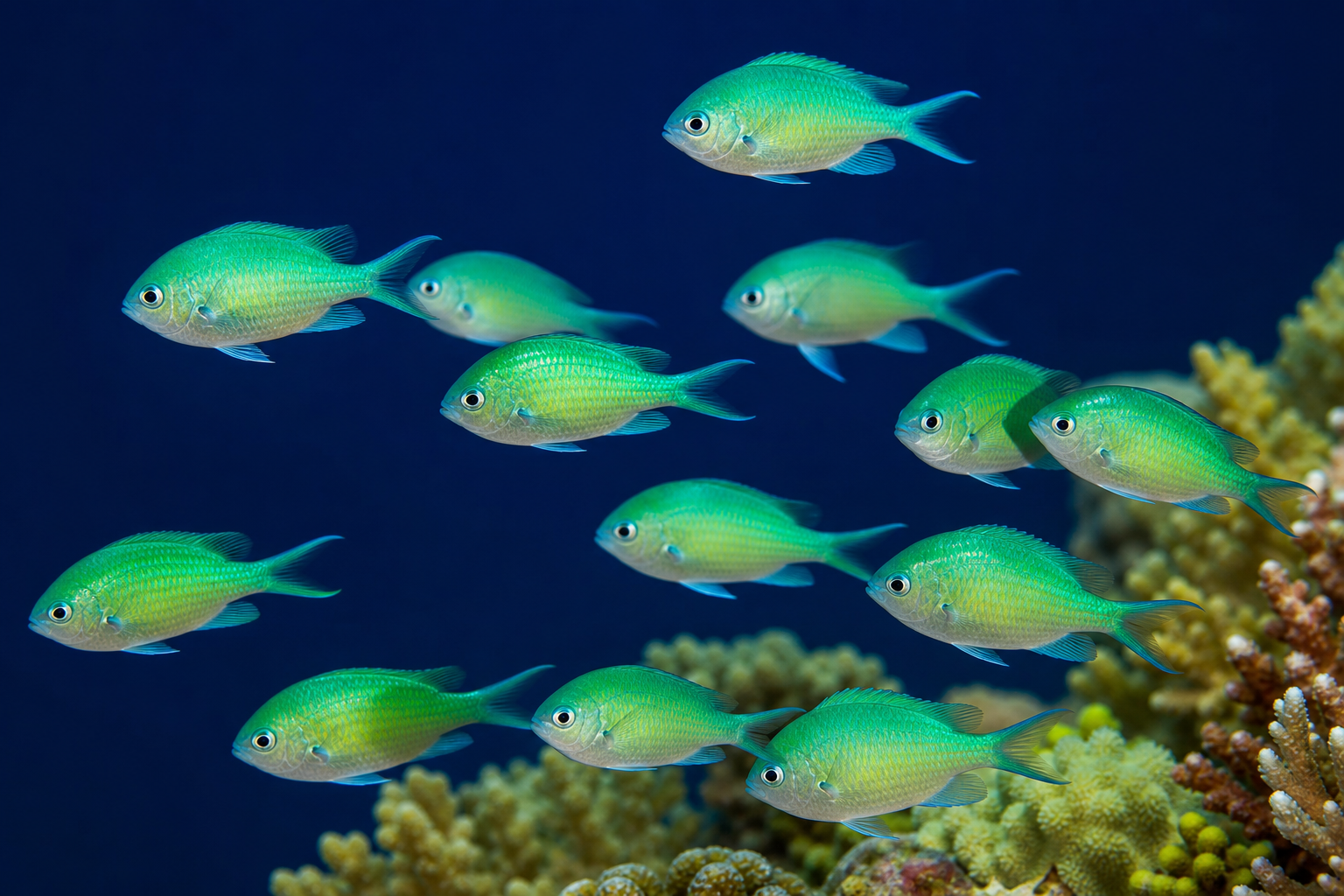
Blue-Green Chromis
A reef-safe, active schooling fish that adds constant motion to the upper water column. Easy to feed and generally peaceful with other species, but...
 ARTICLE
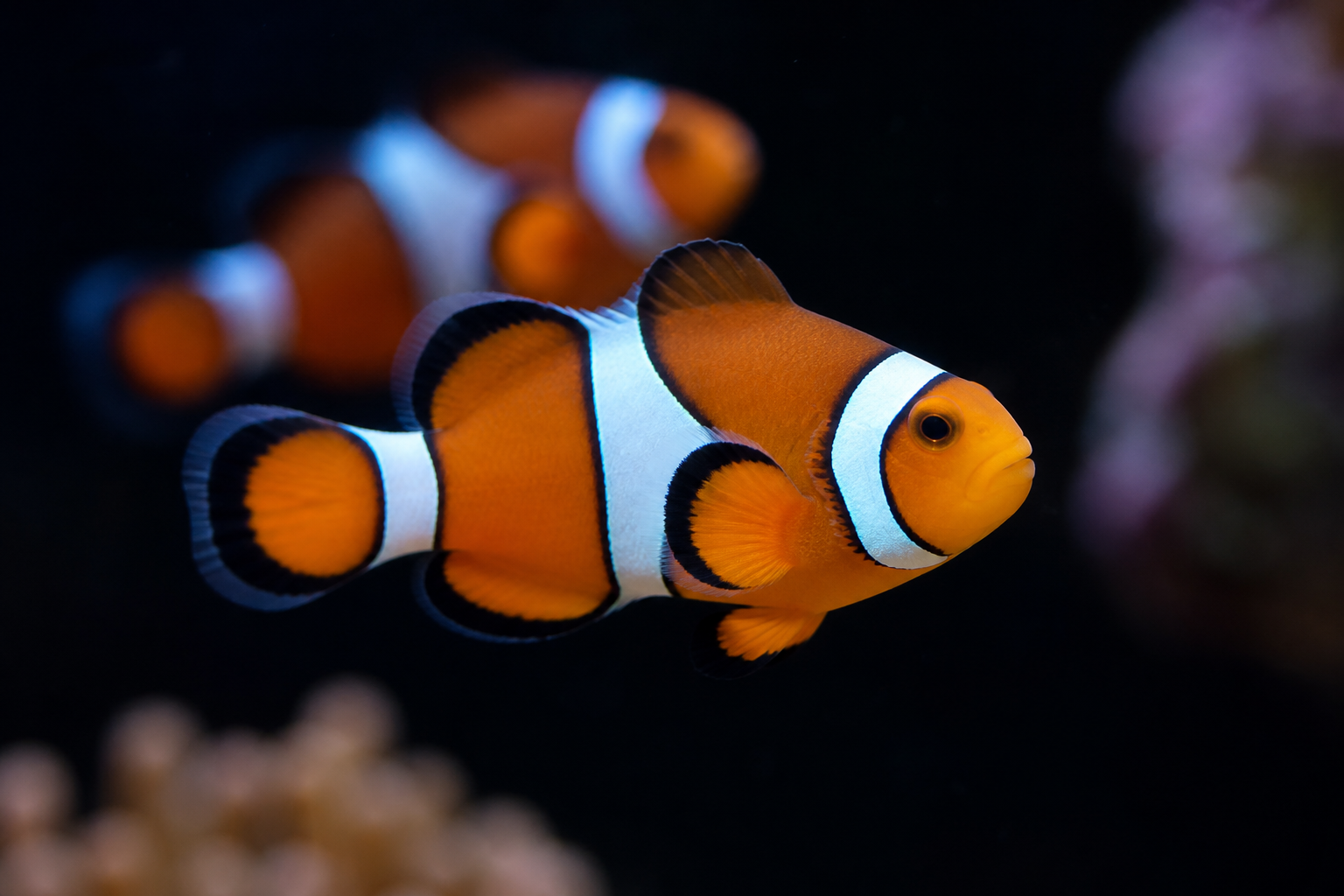
Percula Clownfish (Amphiprion percula)
A reef-safe clownfish with bold coloration and strong personality, the Percula Clownfish is hardy, adaptable, and well suited for both new and experienced reef...
 ARTICLE
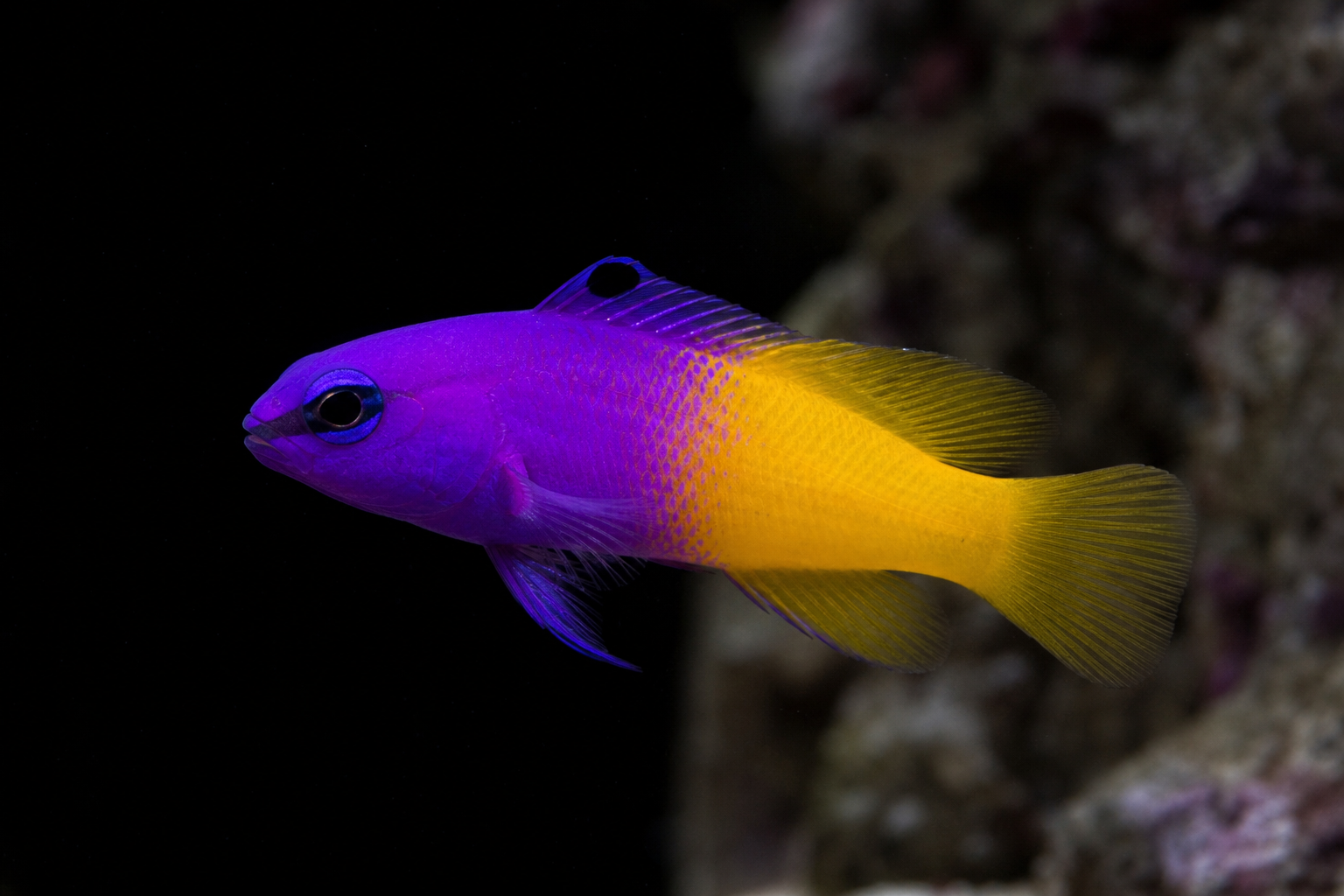
Royal Gramma Basslet (Gramma loreto)
The Royal Gramma is a classic reef fish: small, colorful, hardy, and full of personality. It’s best known for its stunning purple-to-yellow gradient and...
 ARTICLE
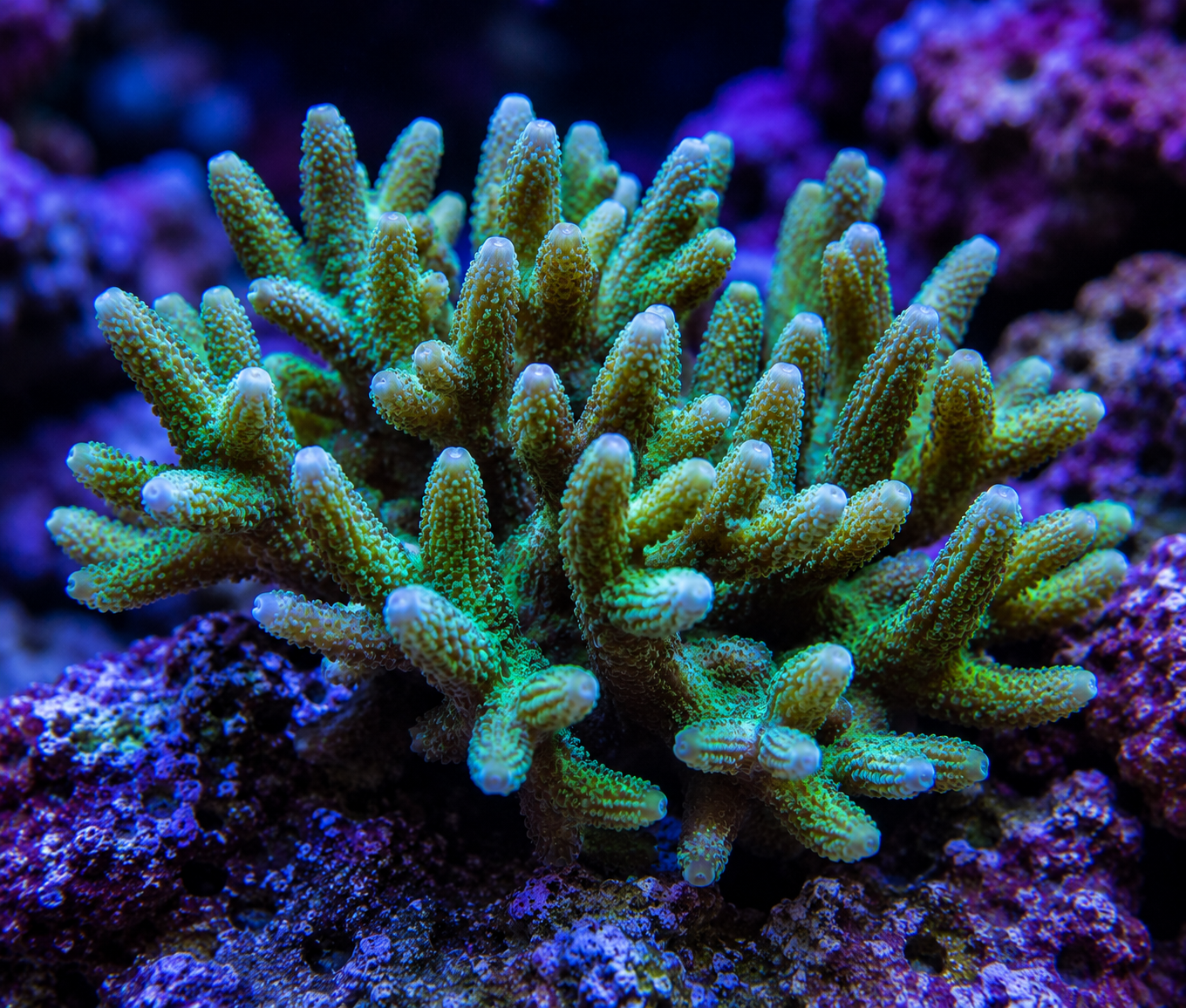
Montipora Digitata (Montipora digitata)
Montipora digitata is a beginner-friendly branching SPS coral that grows “finger” structures with stable reef chemistry, moderate–high light, and strong turbulent flow.
 ARTICLE
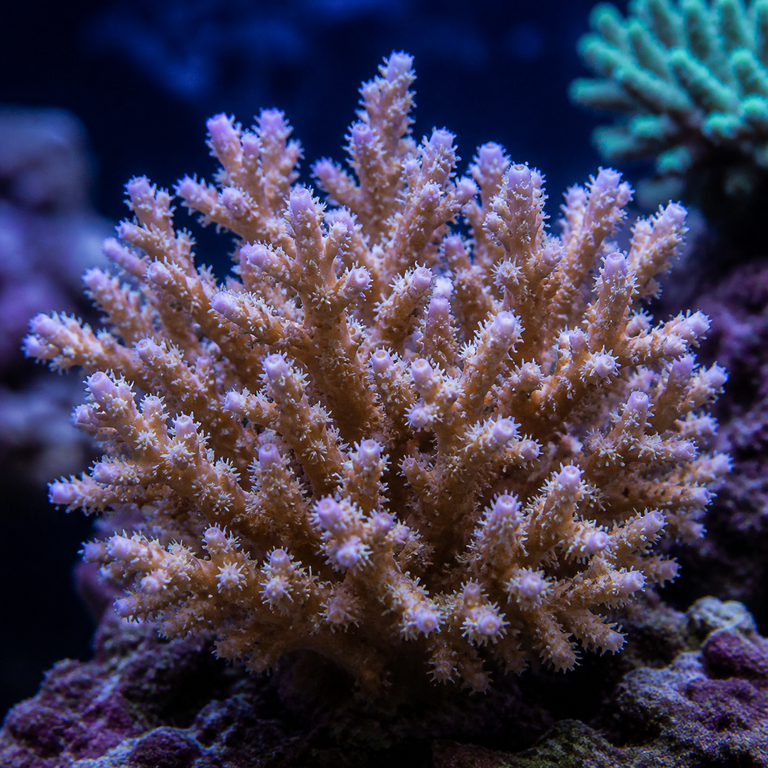
Birdsnest Coral
A popular branching SPS coral that forms a dense “nest” structure. Best in stable tanks with moderate-to-high light and strong, turbulent flow. More forgiving...
 ARTICLE
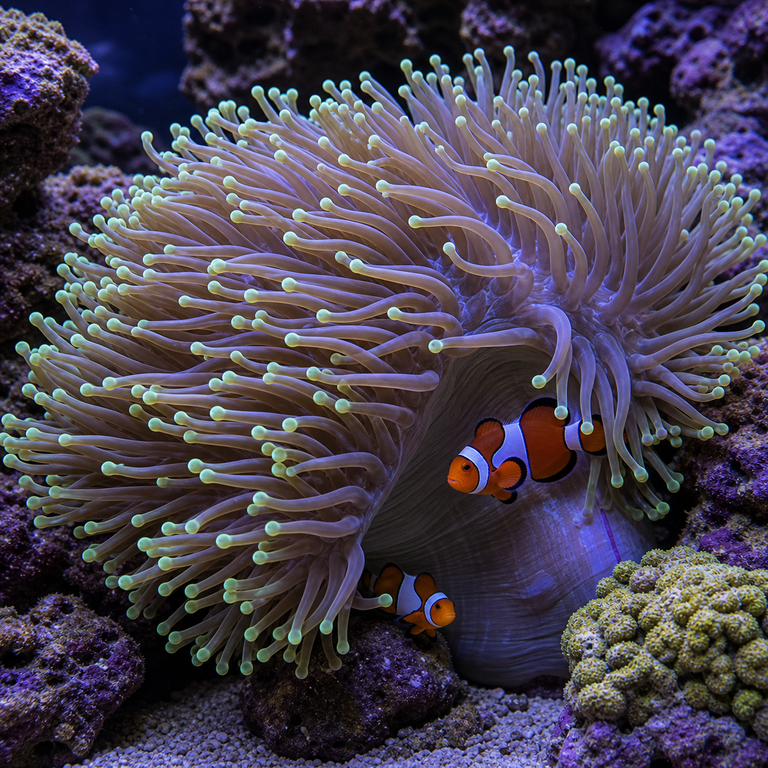
Magnificent Anemone (Magnifica / Ritteri)
Magnificent anemones (Magnifica/Ritteri) are iconic clownfish hosts but require a large, mature reef with high light, strong broad flow, and excellent oxygenation. They climb...
 ARTICLE
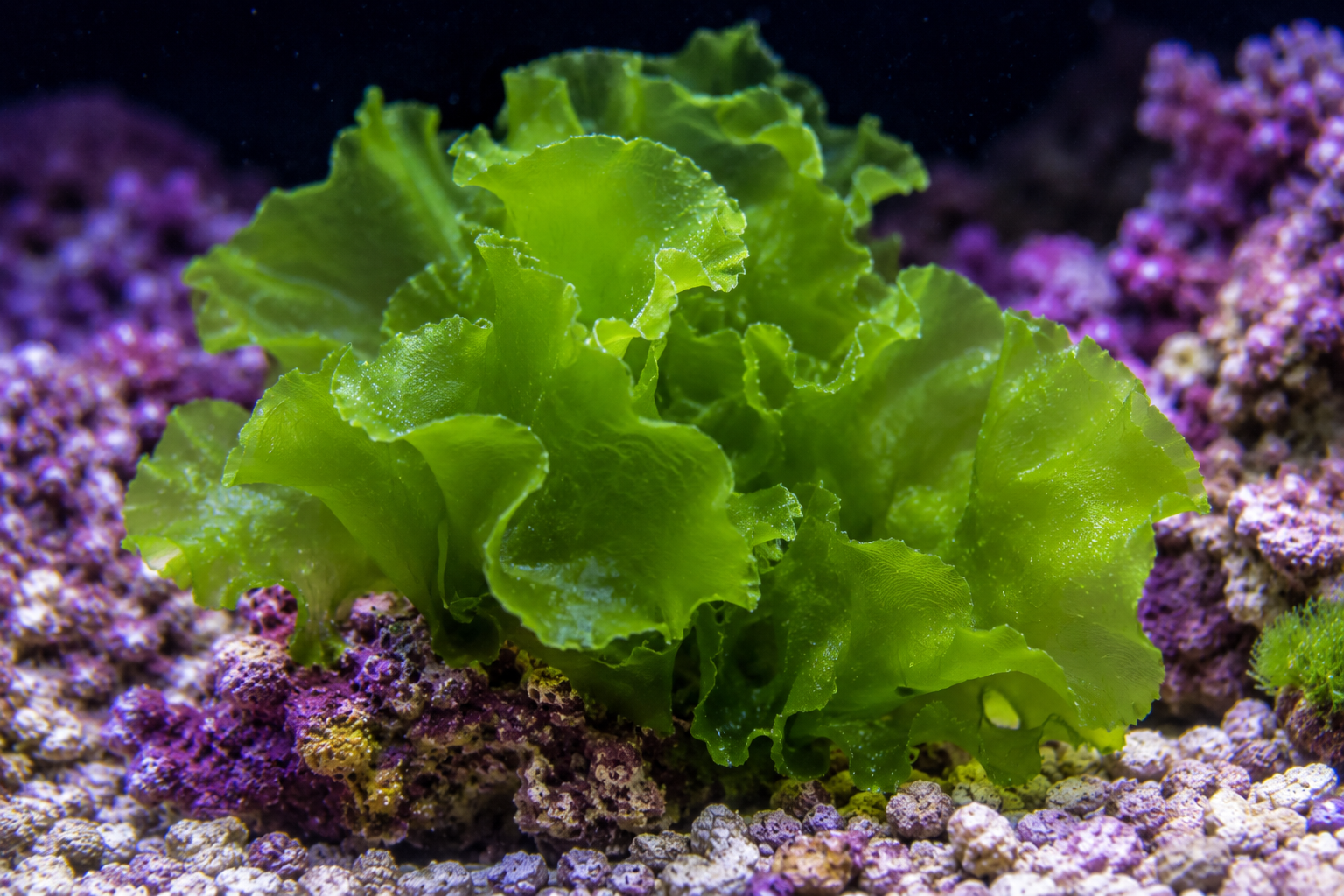
Ulva (Sea Lettuce)
Ulva (Sea Lettuce) is a fast-growing macroalgae used primarily for nutrient export and food web support. It thrives with moderate–high light, moderate flow, and...
 ARTICLE
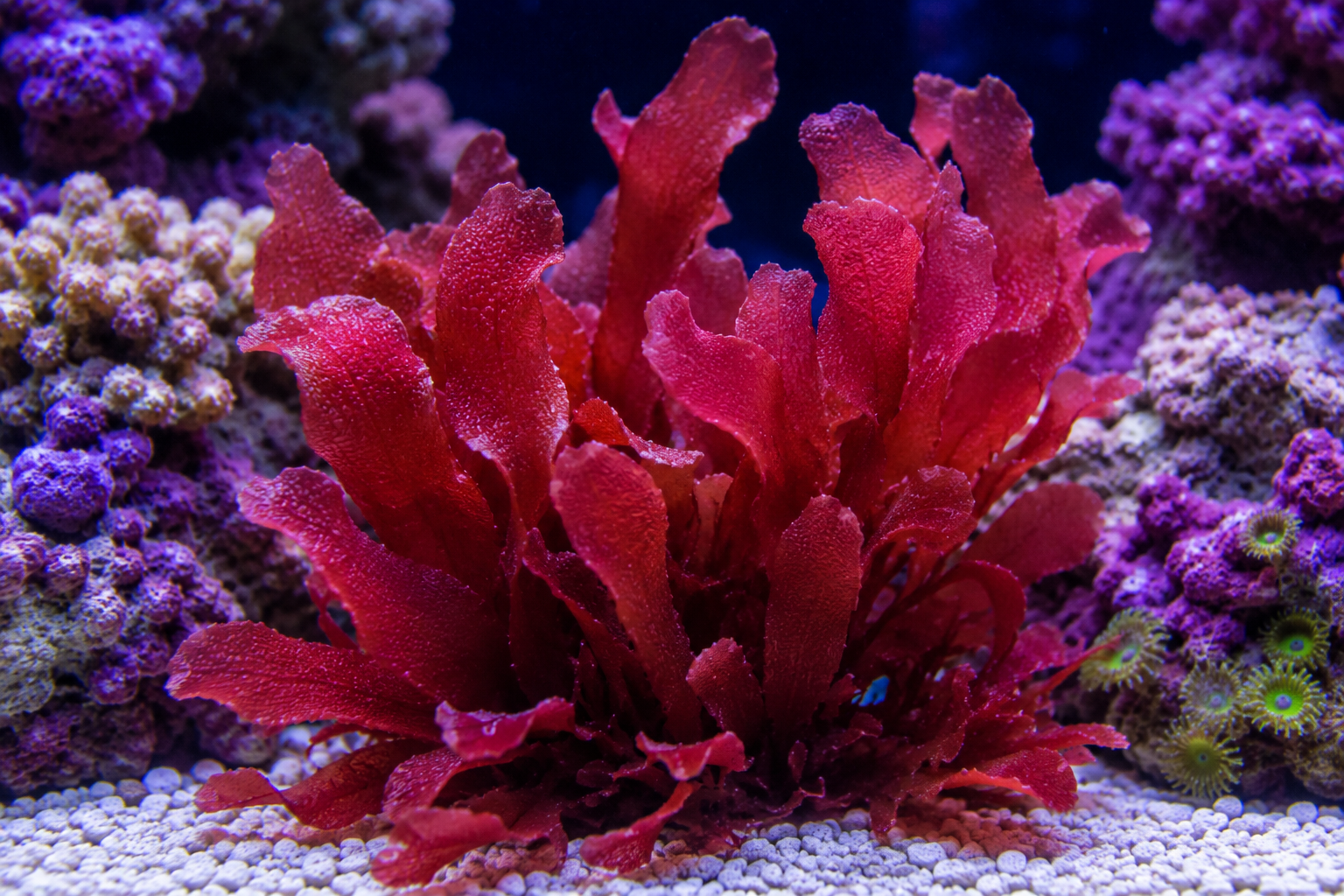
Dragon’s Tongue (Halymenia)
Dragon’s Tongue (Halymenia) is a display-friendly macroalgae that offers light nutrient export without aggressive growth. It does best in stable systems with moderate–high light,...
 ARTICLE
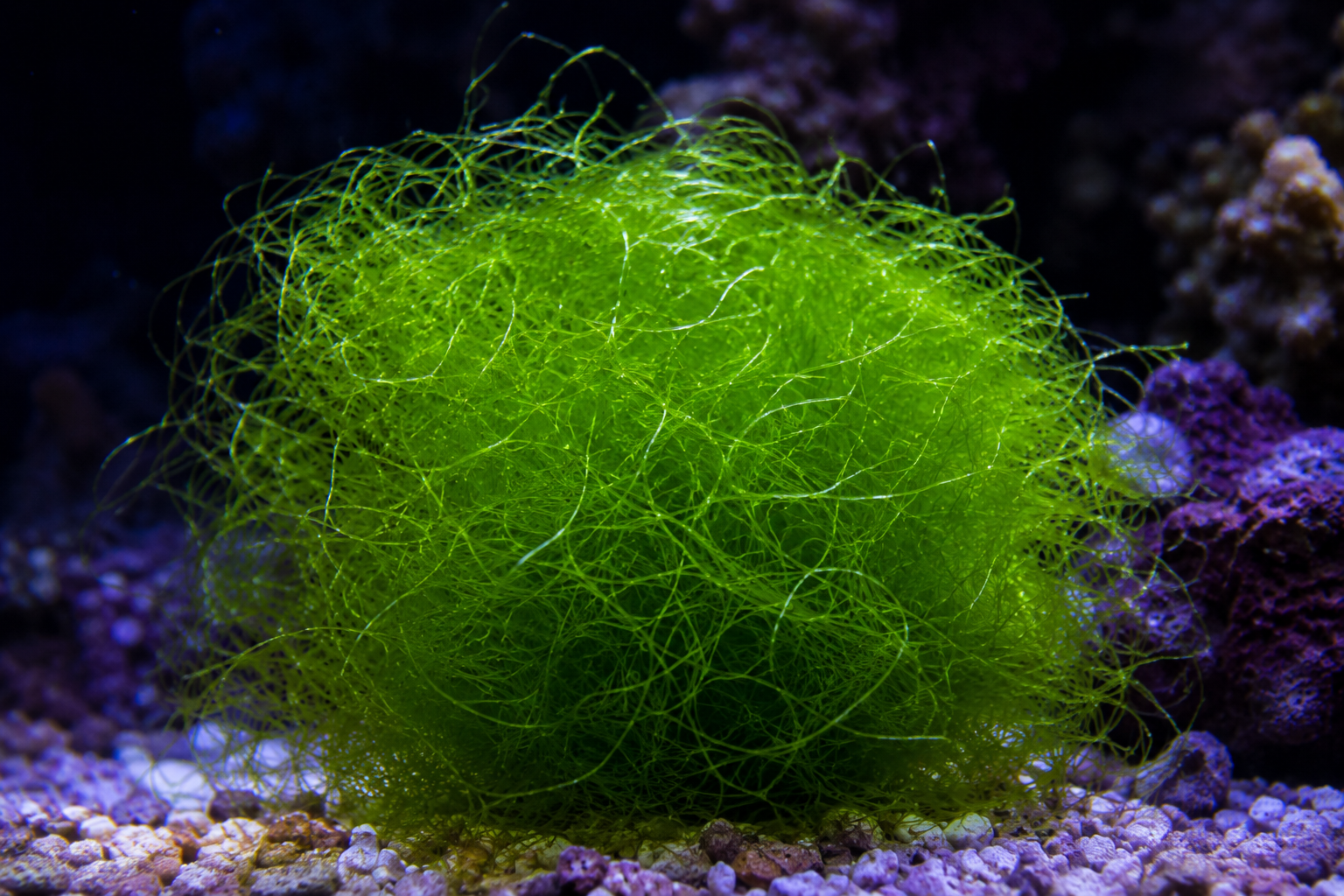
Chaeto (Chaetomorpha)
Chaeto (Chaetomorpha) is a utility macroalgae used almost exclusively for nutrient export and pod habitat in refugiums. It needs strong, consistent light, good flow,...
 ARTICLE
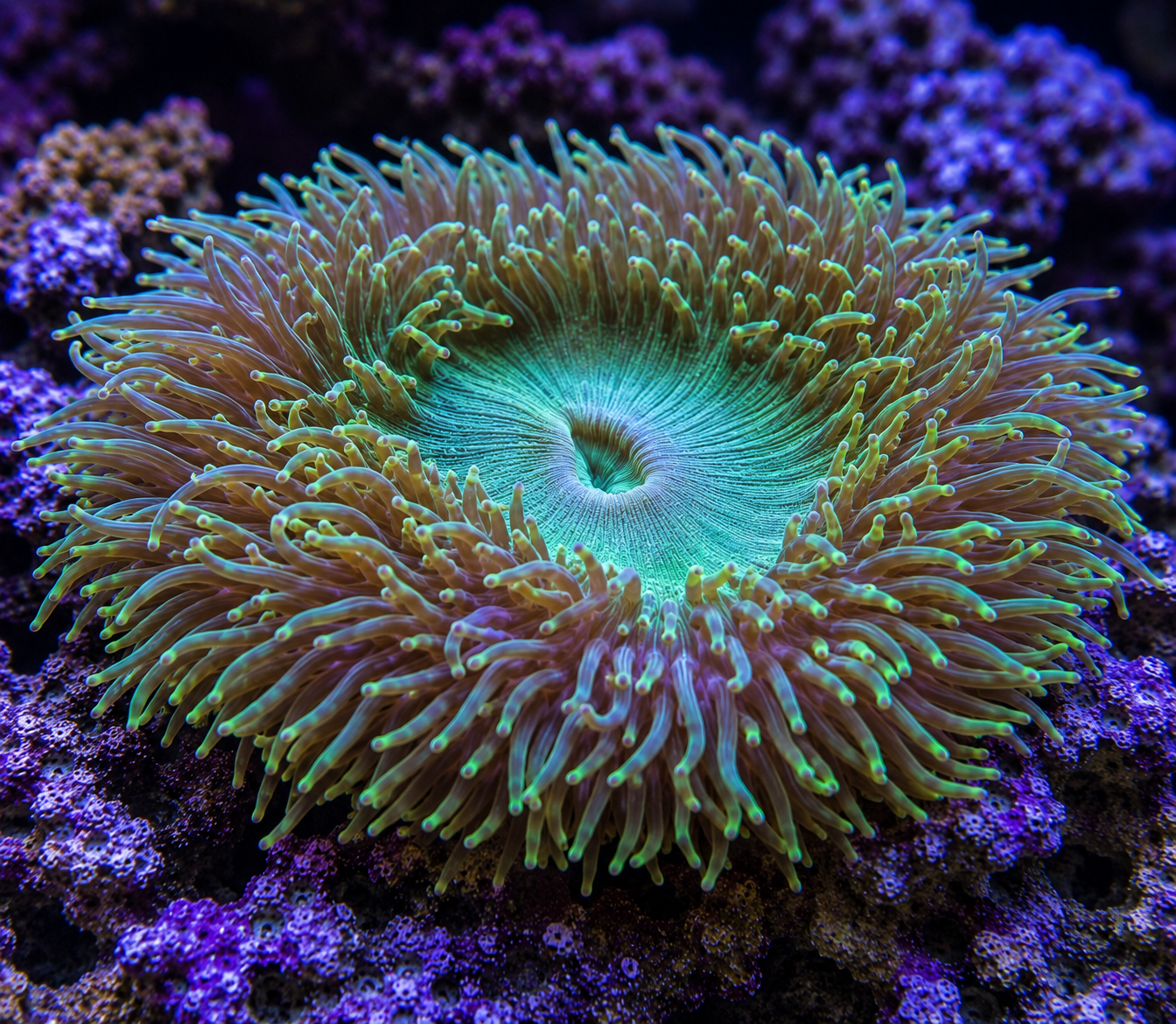
Ball Anemone
Ball anemones are hardy corallimorph hitchhikers that hide in shaded crevices and feed like tiny ambush predators. They can sting nearby corals and irritate...
 ARTICLE
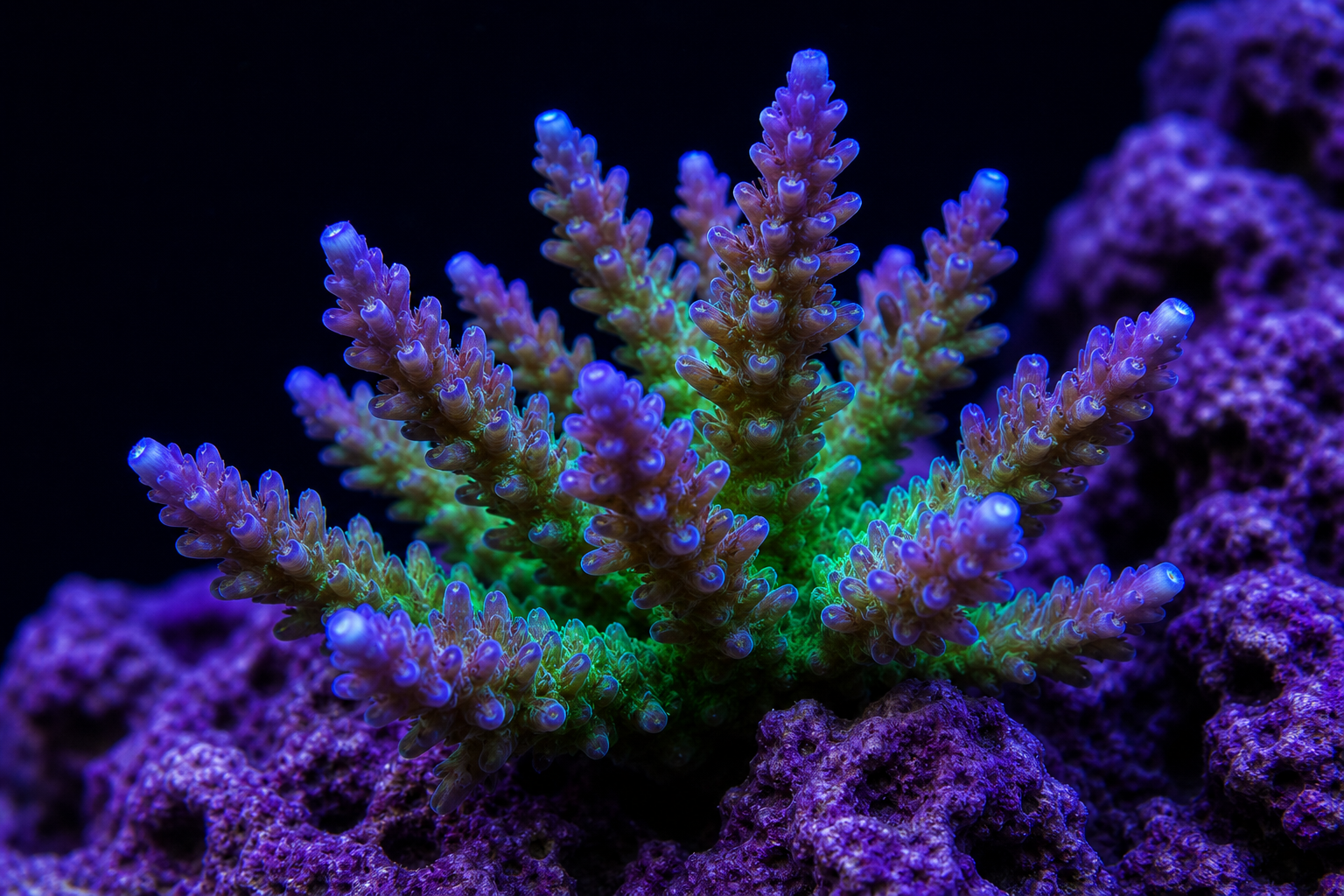
Acropora Red Bugs (Tegastes acroporanus)
Acropora red bugs are tiny parasitic copepods that irritate Acropora, causing reduced polyp extension, dull color, and slowed growth. They spread easily via new...
 ARTICLE
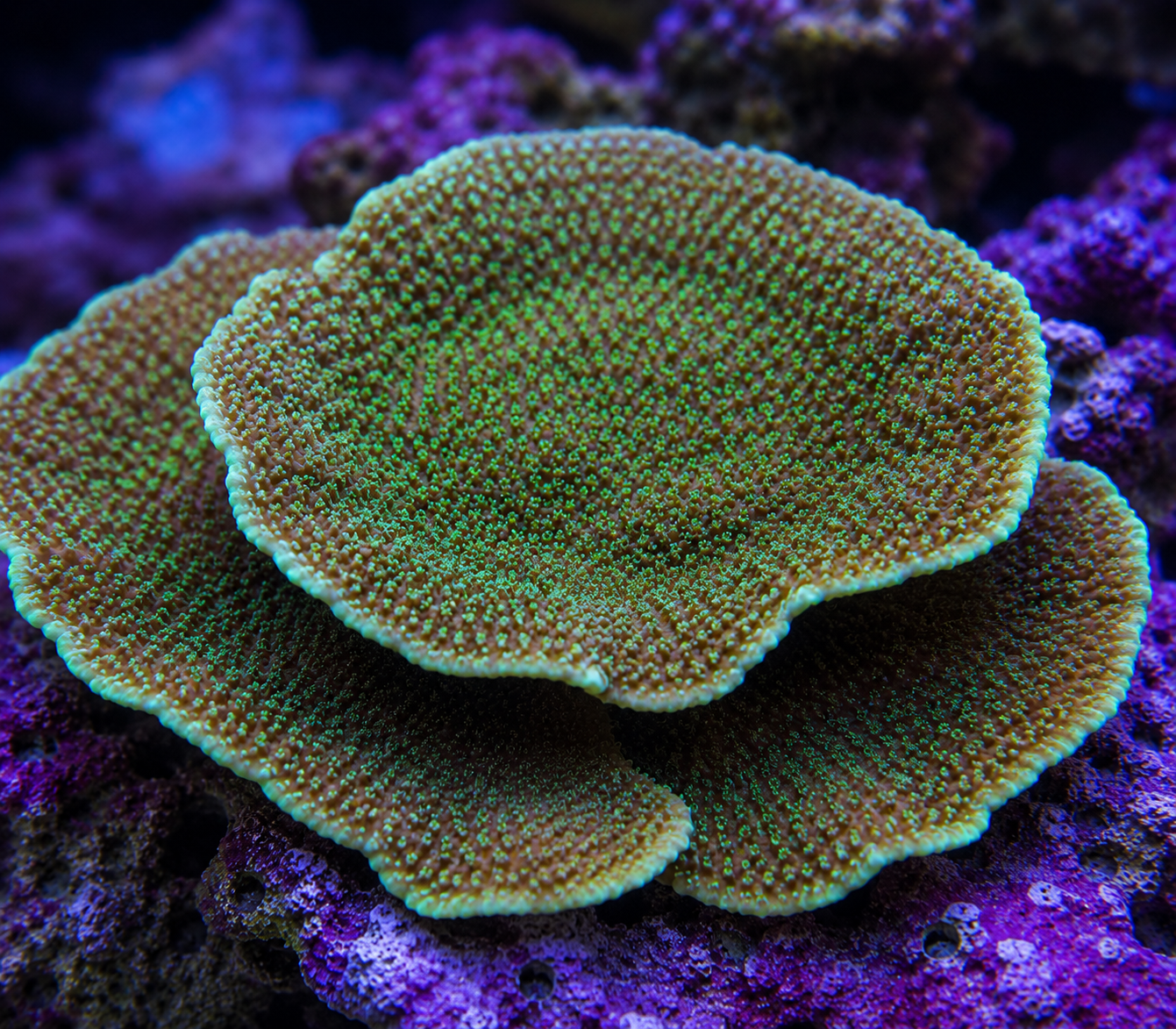
Montipora-Eating Nudibranch (Phestilla subodiosus)
Montipora-eating nudibranchs are tiny coral predators that chew Montipora tissue, causing “nibbled” edges and scraped white bite patches. They hide on undersides and lay...
ARTICLE
Acropora-Eating Flatworm
AEFW are Acropora-specific flatworms that eat coral tissue, causing bite marks, poor polyp extension, and slow SPS decline. They spread mainly through unvetted Acropora...
 ARTICLE
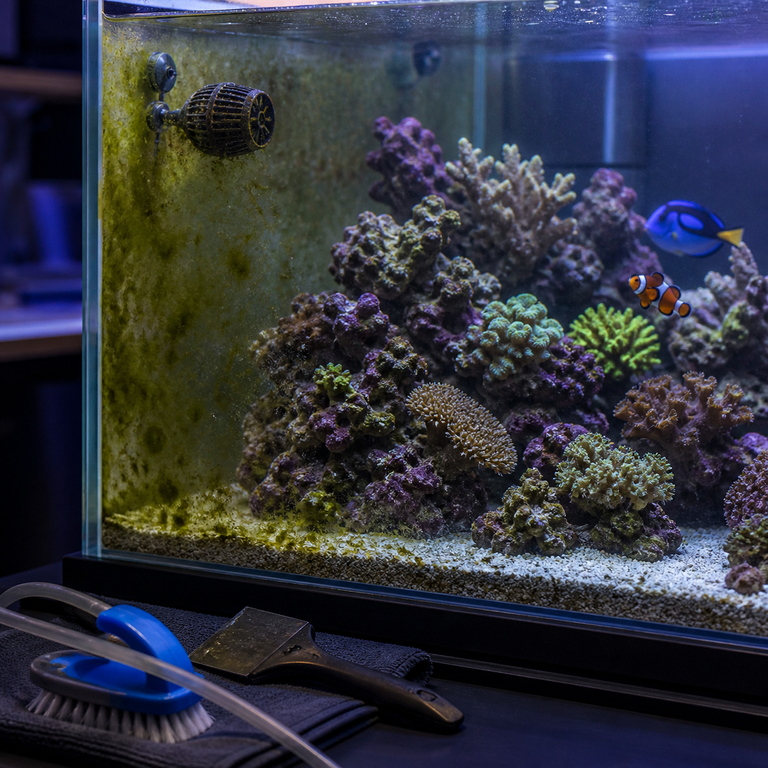
Red Planaria Flatworms
Red planaria are common nuisance flatworms that multiply quickly in low-flow, detritus-rich areas. Heavy infestations can shade and irritate corals, and large die-offs during...
ARTICLE
Vermetid Snails
Vermetid snails are tube-dwelling pests that spread on rock and frag plugs and feed with sticky mucus webs. Their webs can irritate corals and...
ARTICLE
Majano Anemone
Majano anemones are pest hitchhikers that can sting corals and spread quickly in reef tanks. Remove or control them early—once established, they’re difficult to...
ARTICLE
Aiptasia
Aiptasia are fast-spreading pest anemones that hitchhike into reef tanks and sting corals. Catch and control them early—once established, they’re difficult to eradicate.
 ARTICLE
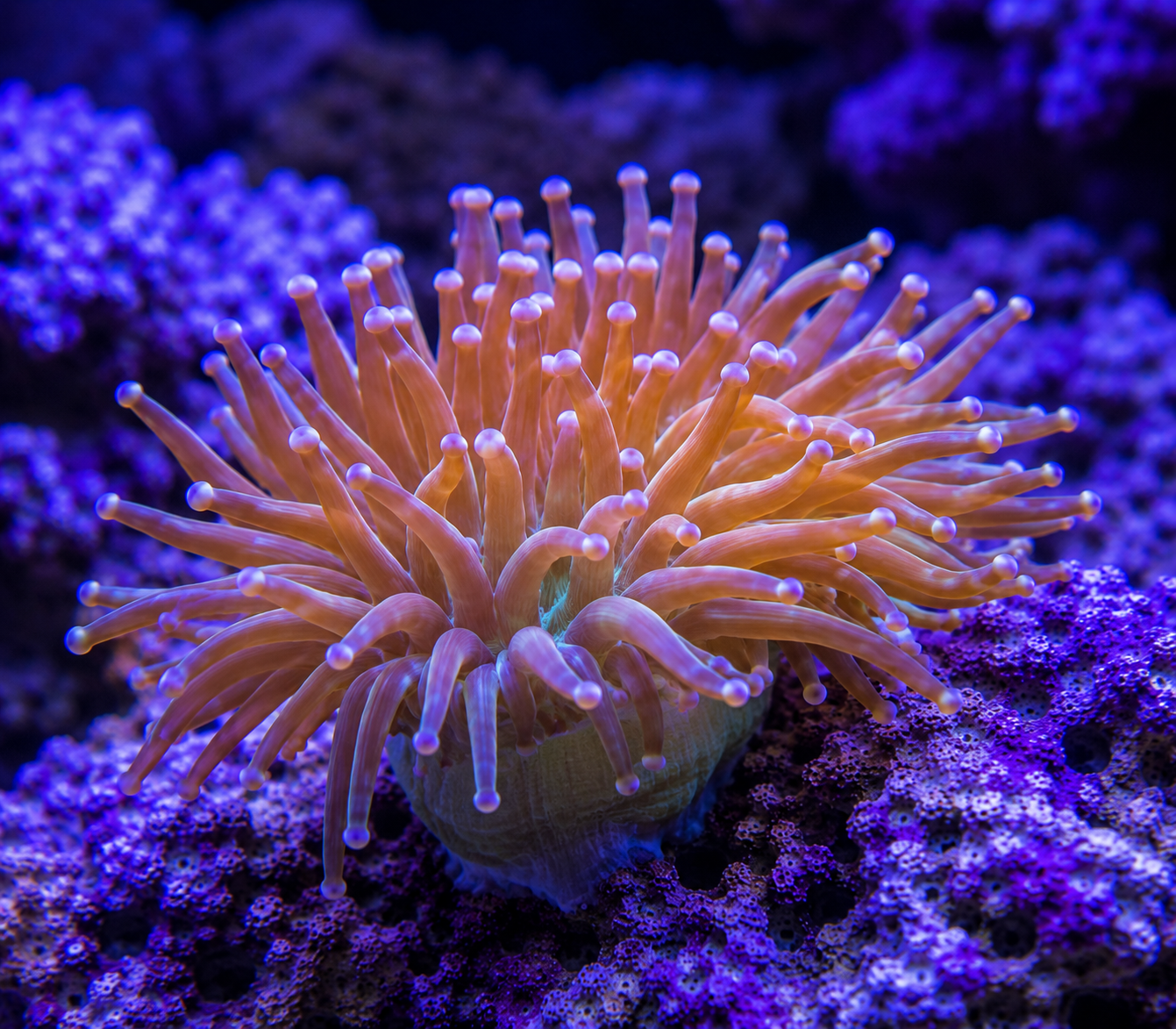
Sebae Anemone
Sebae anemones can be great host anemones in stable, mature reefs, but many are sold stressed or bleached. Give them moderate–high light, gentle flow,...
 ARTICLE
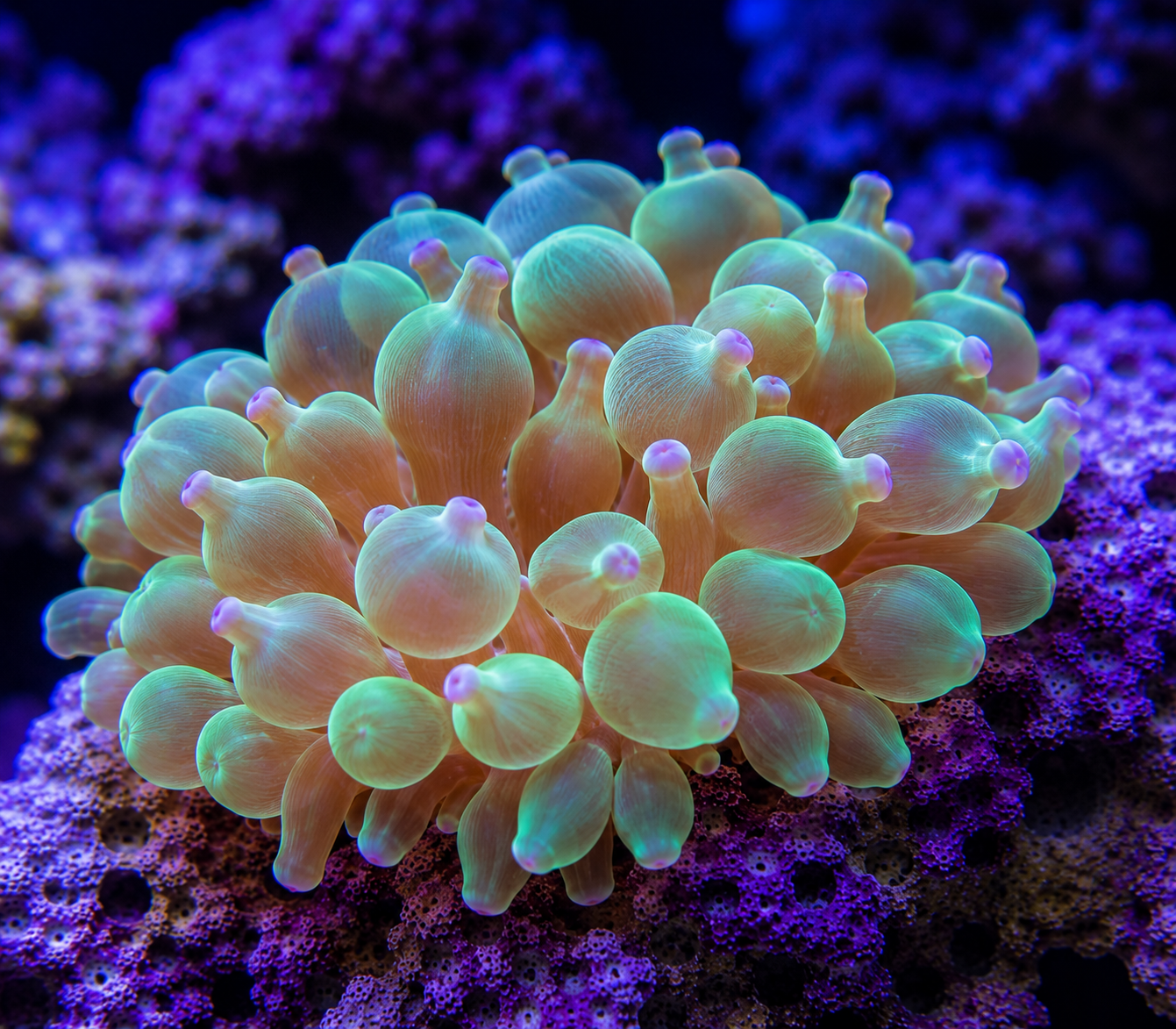
Carpet Anemone (Haddoni)
Haddoni carpet anemones are stunning sandbed centerpieces that need a large, mature, stable tank with a deep substrate, strong lighting, and gentle flow. They’re...
 ARTICLE
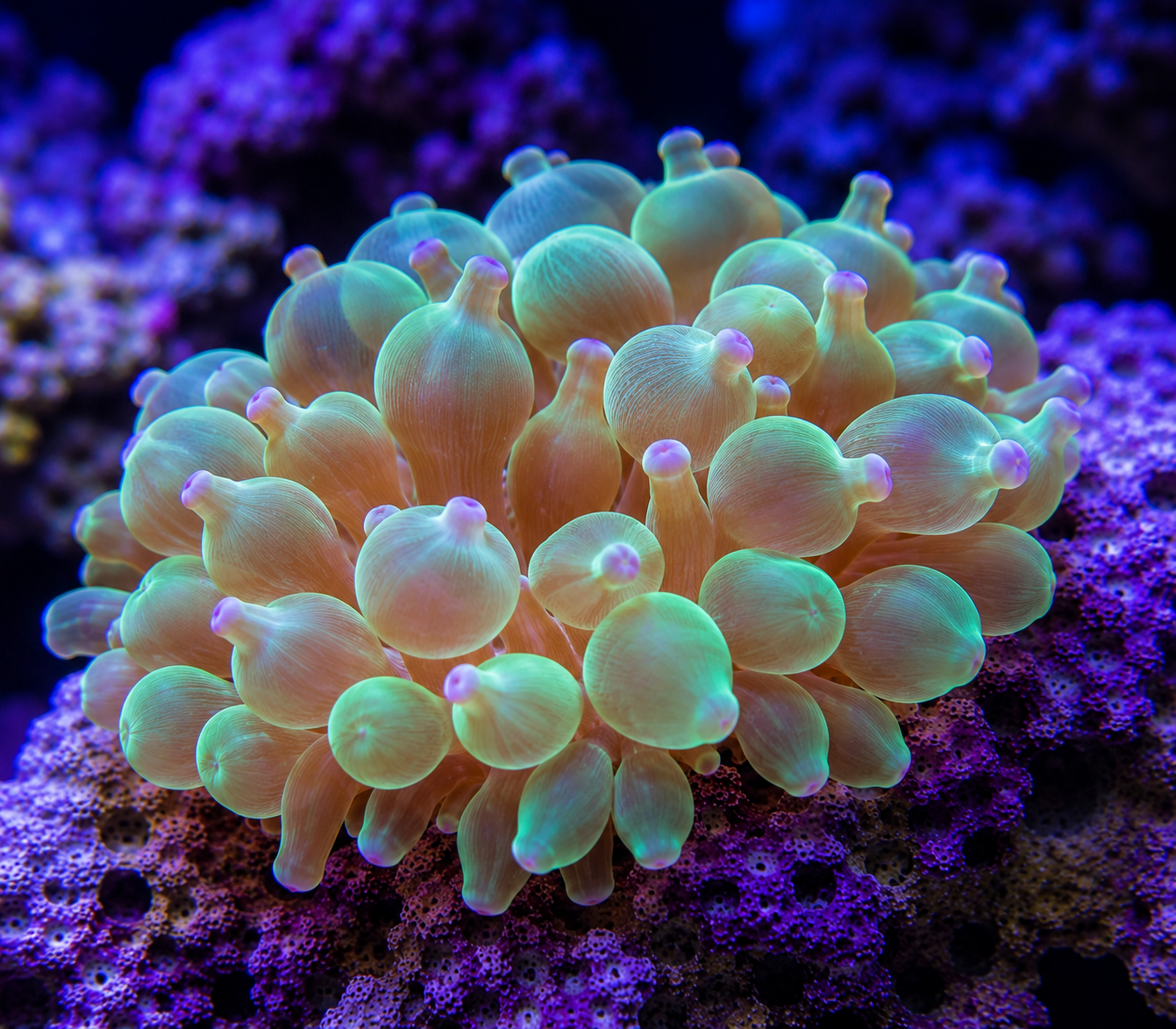
Bubble Tip Anemone
Bubble Tip Anemones are rewarding centerpiece anemones that thrive in mature, stable reef tanks with strong, consistent lighting and moderate indirect flow. They can...
ARTICLE
Hydroids
Hydroids are stinging colonial polyps that hitchhike into reef tanks and can spread across plugs, racks, and rockwork. They often irritate corals and cause...
ARTICLE
Myrionema Hydroids
Myrionema hydroids are stinging colonial polyps that often spread around zoa mats and frag plugs, causing localized zoanthid irritation and persistent closure. They thrive...
ARTICLE
Christmas-Tree Hydroid
Fire/Christmas-tree hydroids are stinging Pennaria colonies that look like tiny feathery “mini trees” on plugs, racks, and sump/overflow surfaces. They can irritate corals—and sting...
 ARTICLE
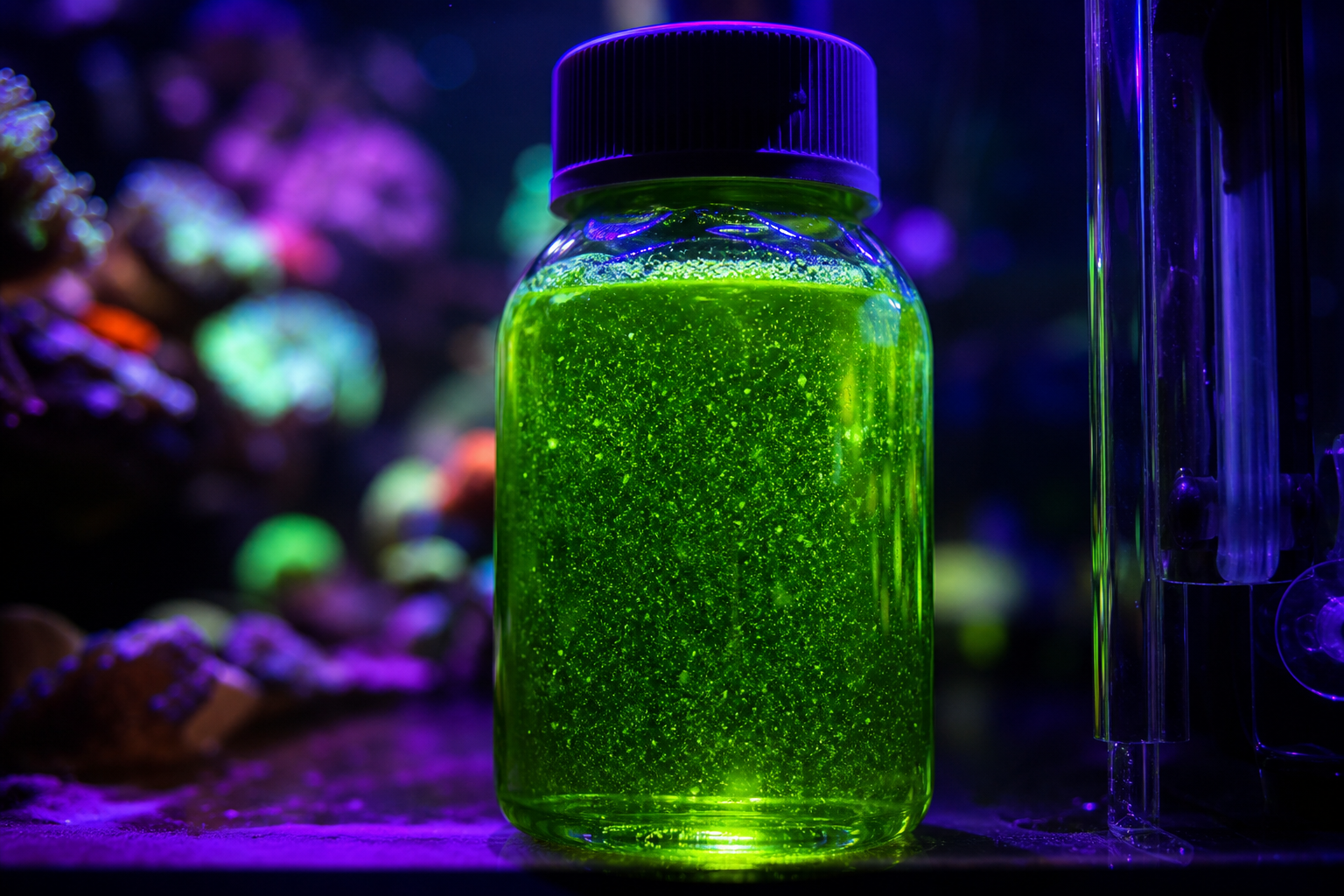
Phytoplankton
Phytoplankton isn’t livestock—it’s food web support. Its main value is feeding pods and filter feeders and strengthening the base of the reef ecosystem. When...
 ARTICLE
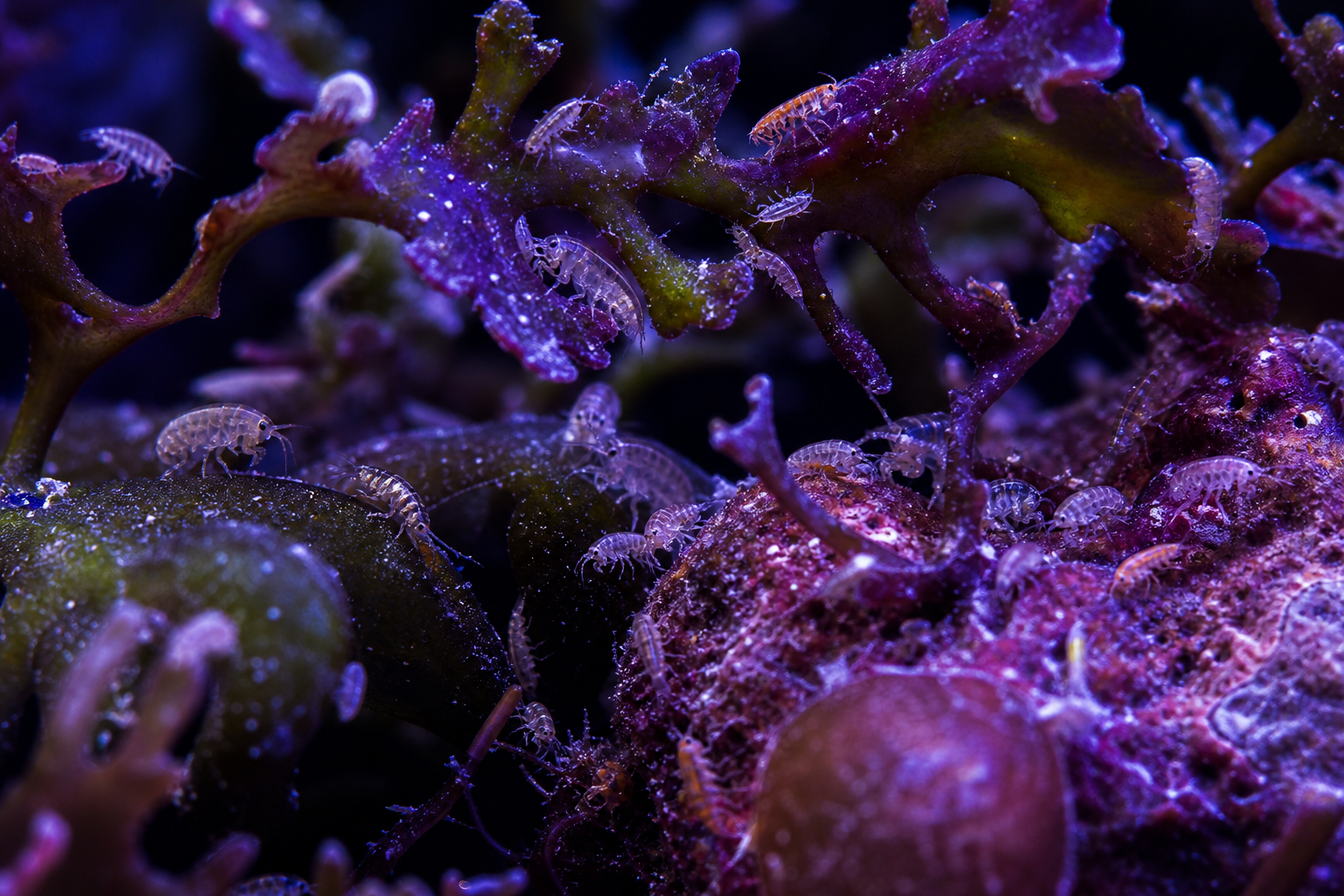
Amphipods
Amphipods are beneficial micro-crustaceans that support reef stability by recycling waste and serving as natural live food for fish. They thrive in tanks with...
 ARTICLE
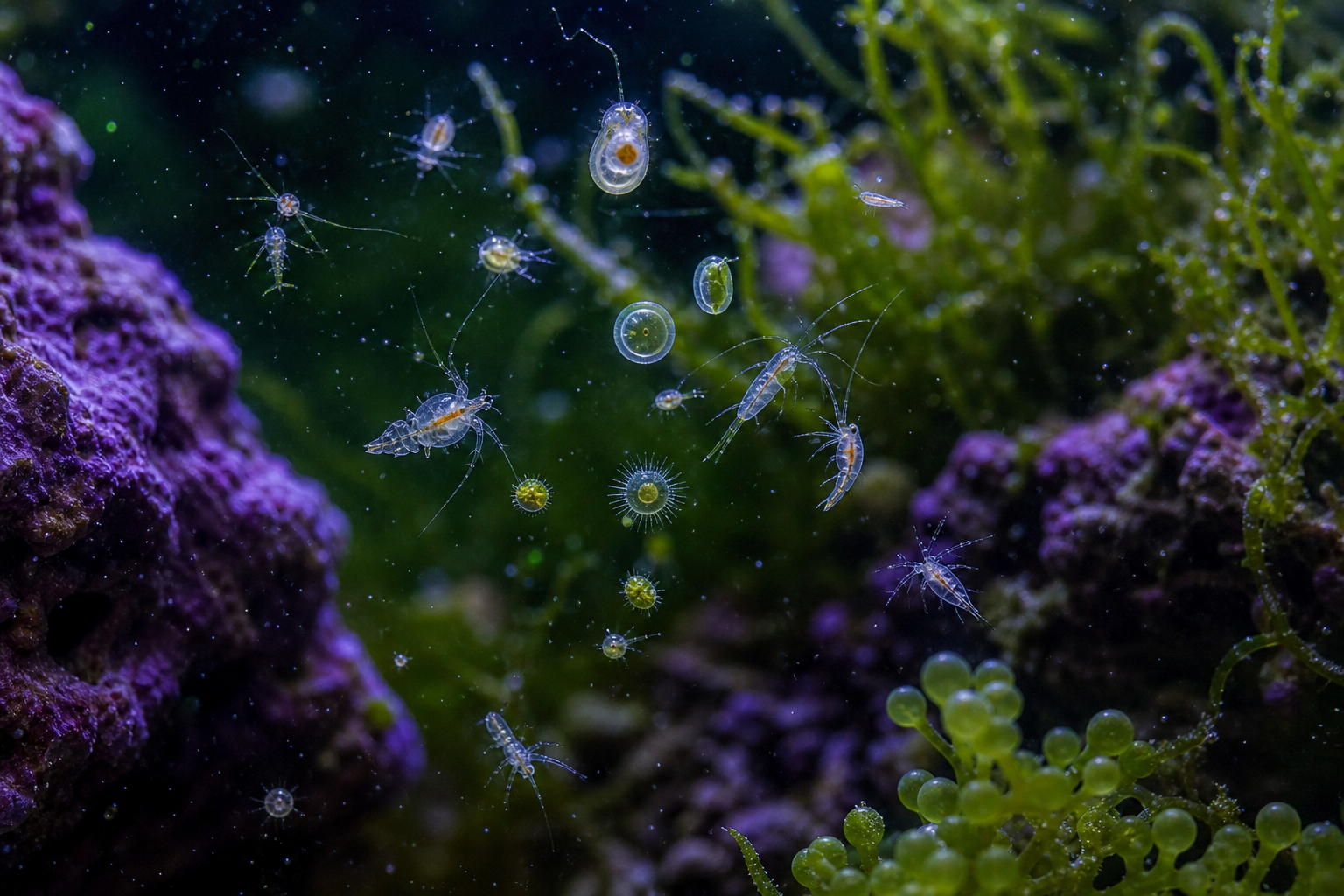
Copepods
Copepods are foundational micro-crustaceans that support biodiversity and provide natural live food in reef tanks. They thrive in stable systems with structure, food, and...
 ARTICLE
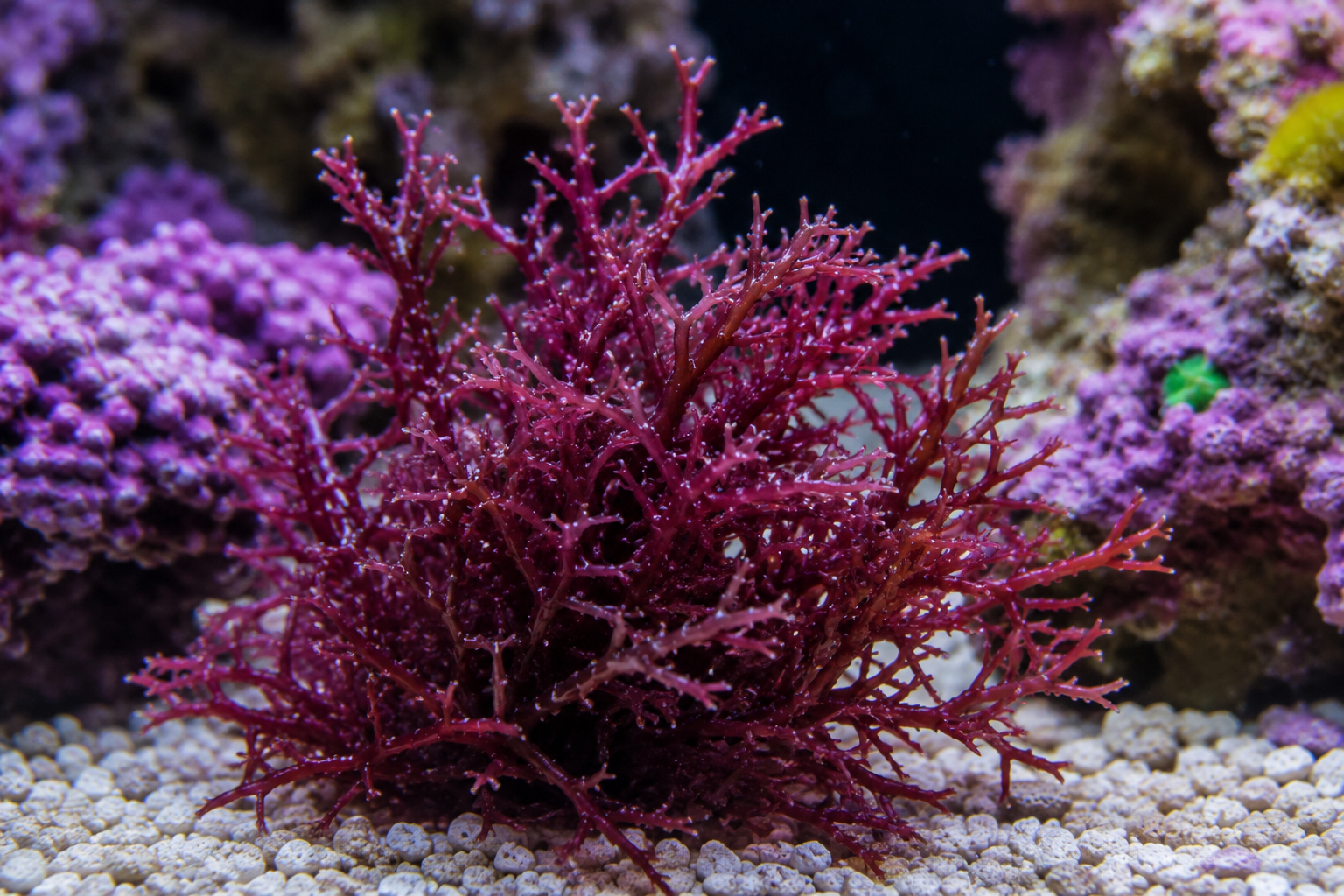
Gracilaria
Gracilaria is a reef-friendly macroalgae that provides steady nutrient export, pod habitat, and natural food for herbivores without becoming invasive. It grows best with...
 ARTICLE
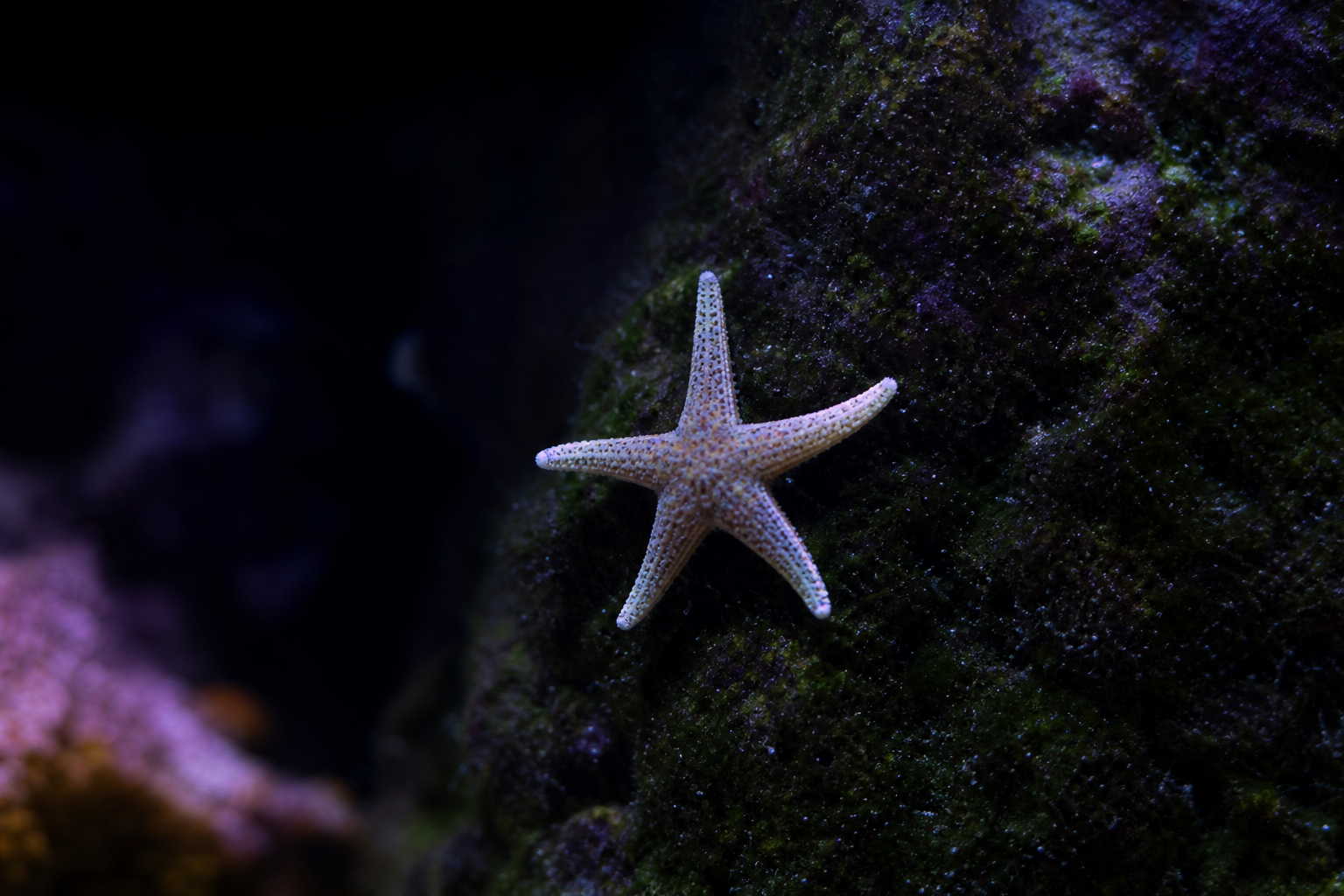
Asterina Starfish
Asterina starfish are common hitchhikers that usually act as harmless algae and biofilm grazers. In balanced tanks they stay in low numbers and do...
 ARTICLE
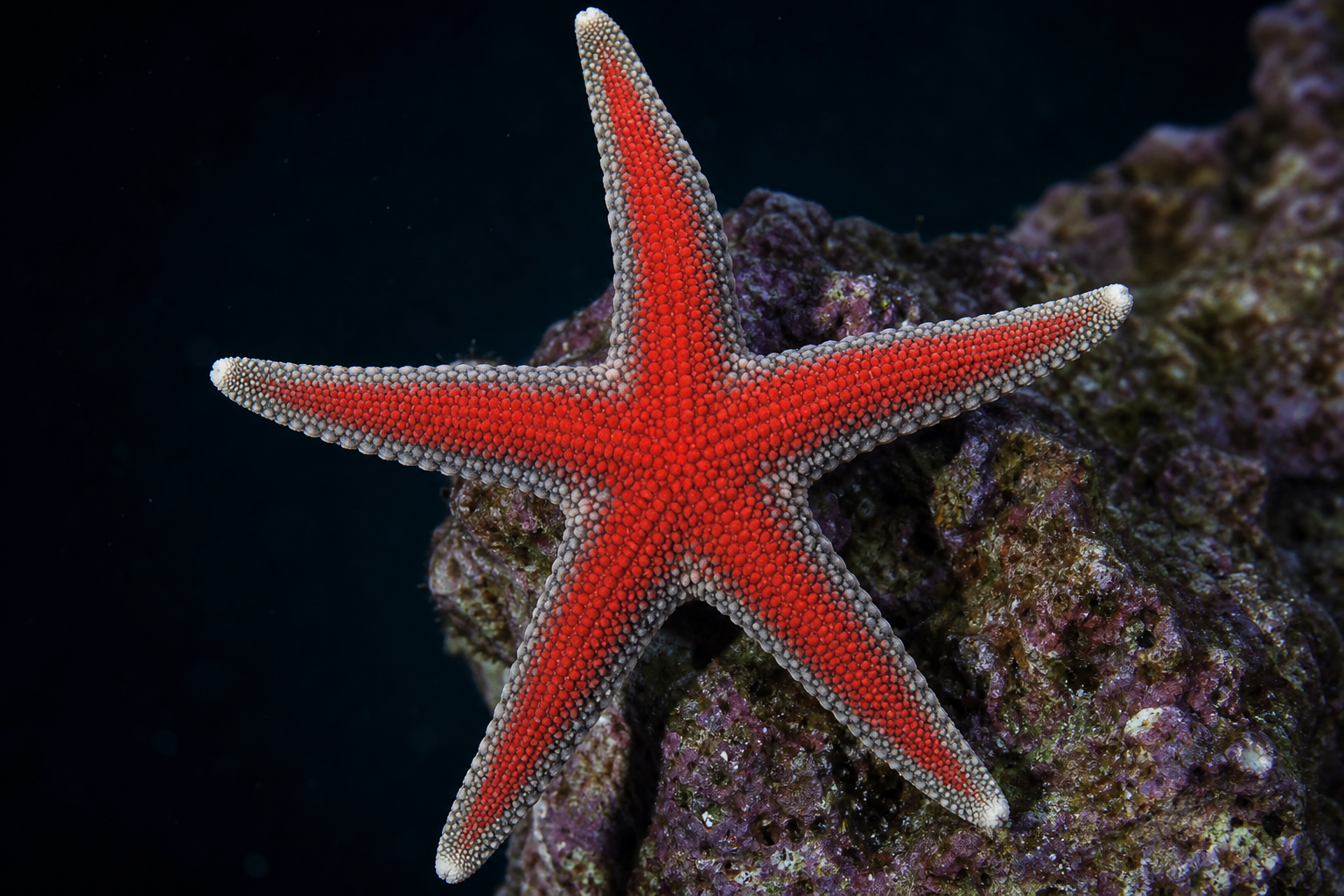
Fromia Starfish
Fromia starfish are beautiful but demanding invertebrates that rely on mature reef surfaces for food. They require large, well-established tanks with abundant biofilm and...
 ARTICLE
Sand-Sifting Starfish
Sand-sifting starfish clean sand by consuming the life within it, which makes them one of the most common slow-failure inverts in reef tanks. While...
 ARTICLE
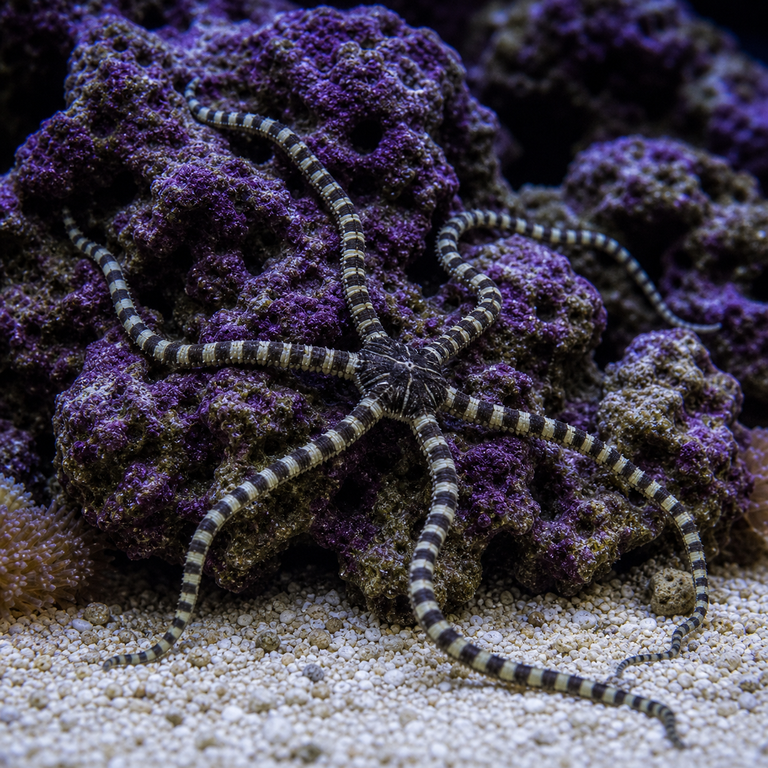
Serpent Star
Serpent stars are hardy, reef-safe scavengers that live in rockwork and clean up leftover food before it becomes a nutrient issue. They’re mostly nocturnal...
 ARTICLE
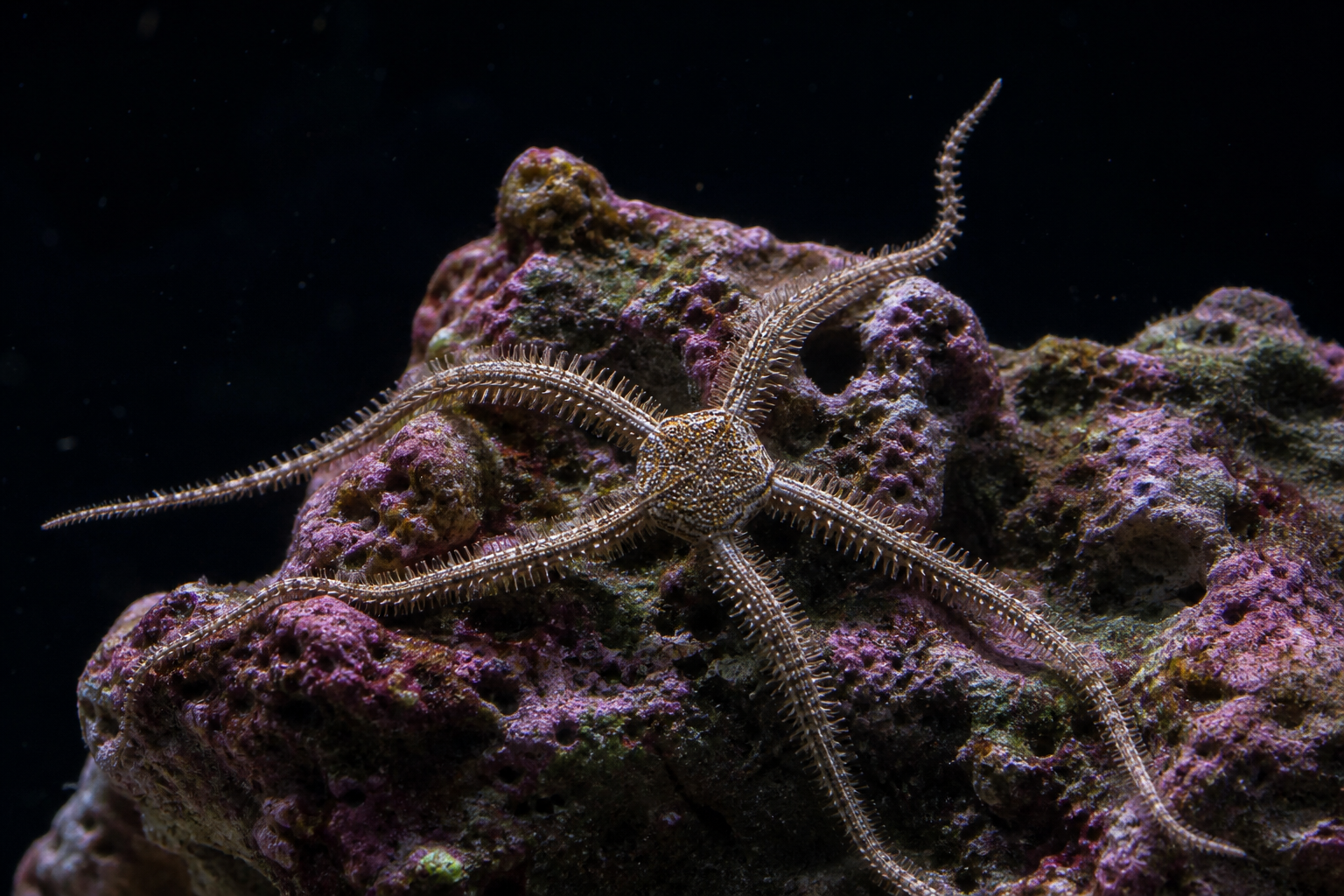
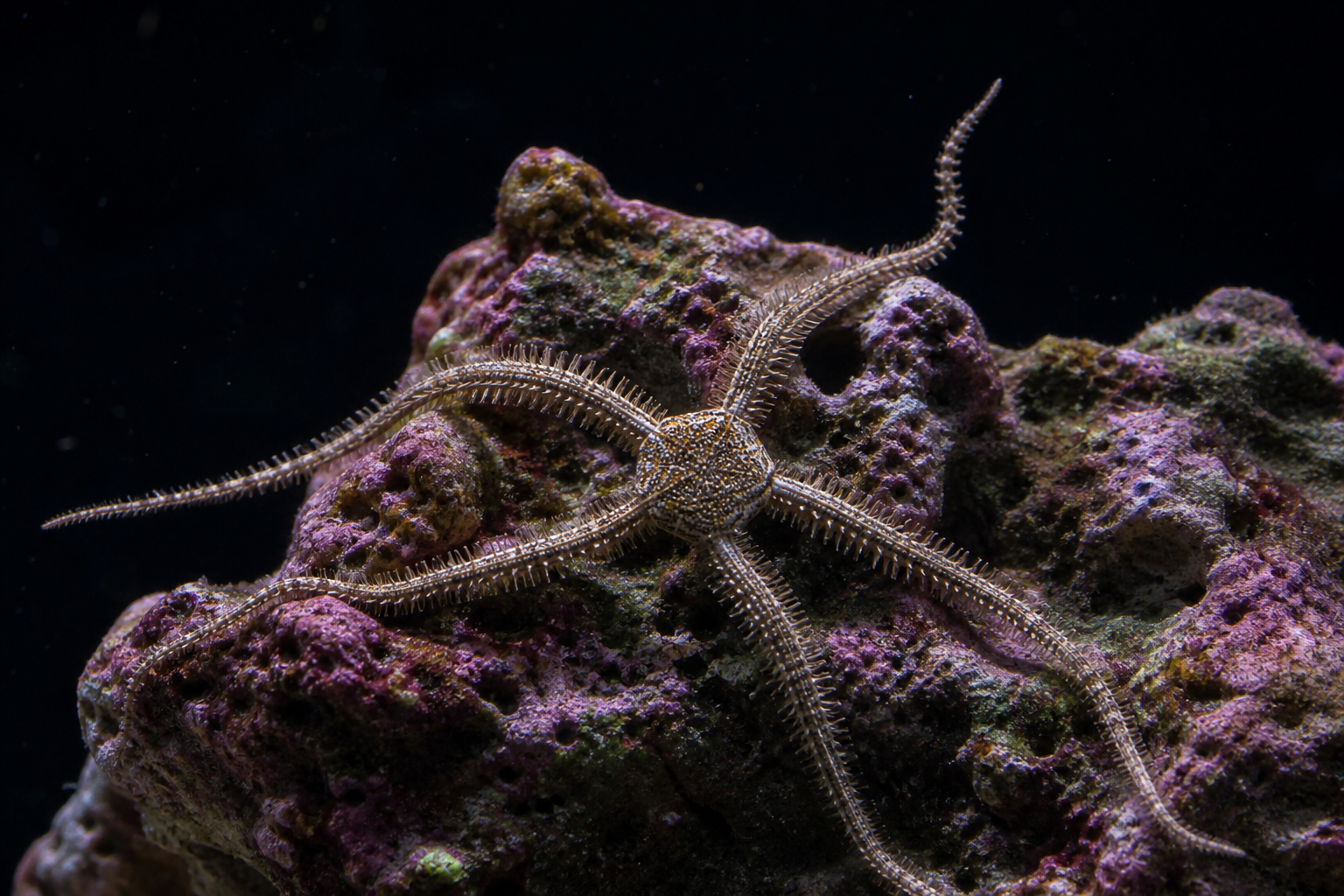
Brittle Star
Brittle stars are reef-safe scavengers that live in rockwork and help clean up leftover food before it becomes a nutrient problem. They’re mostly hidden...
 ARTICLE
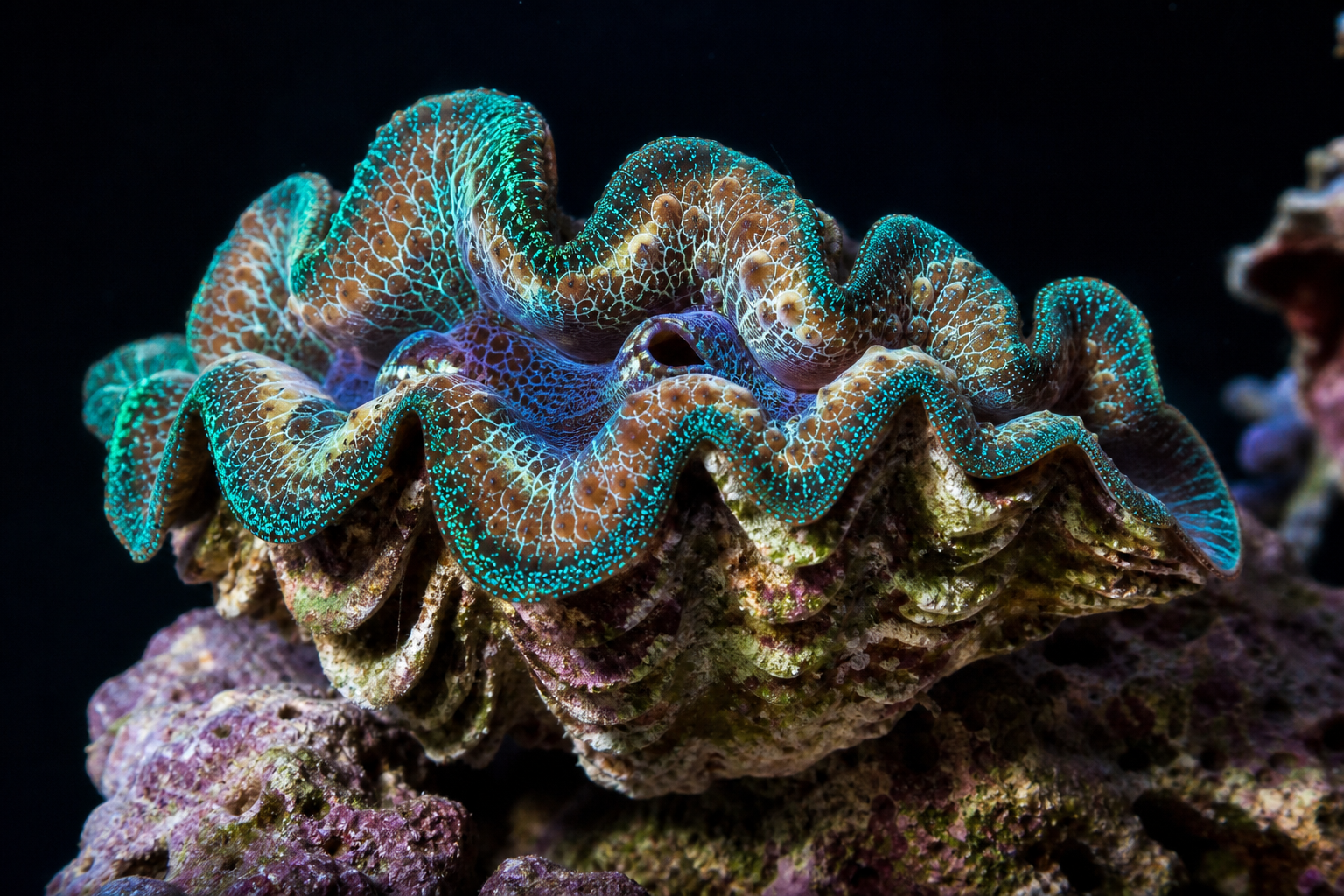
Squamosa Clam
Squamosa clams are one of the more forgiving giant clams, but they still require a stable, mature reef with consistent lighting and chemistry. They...
 ARTICLE
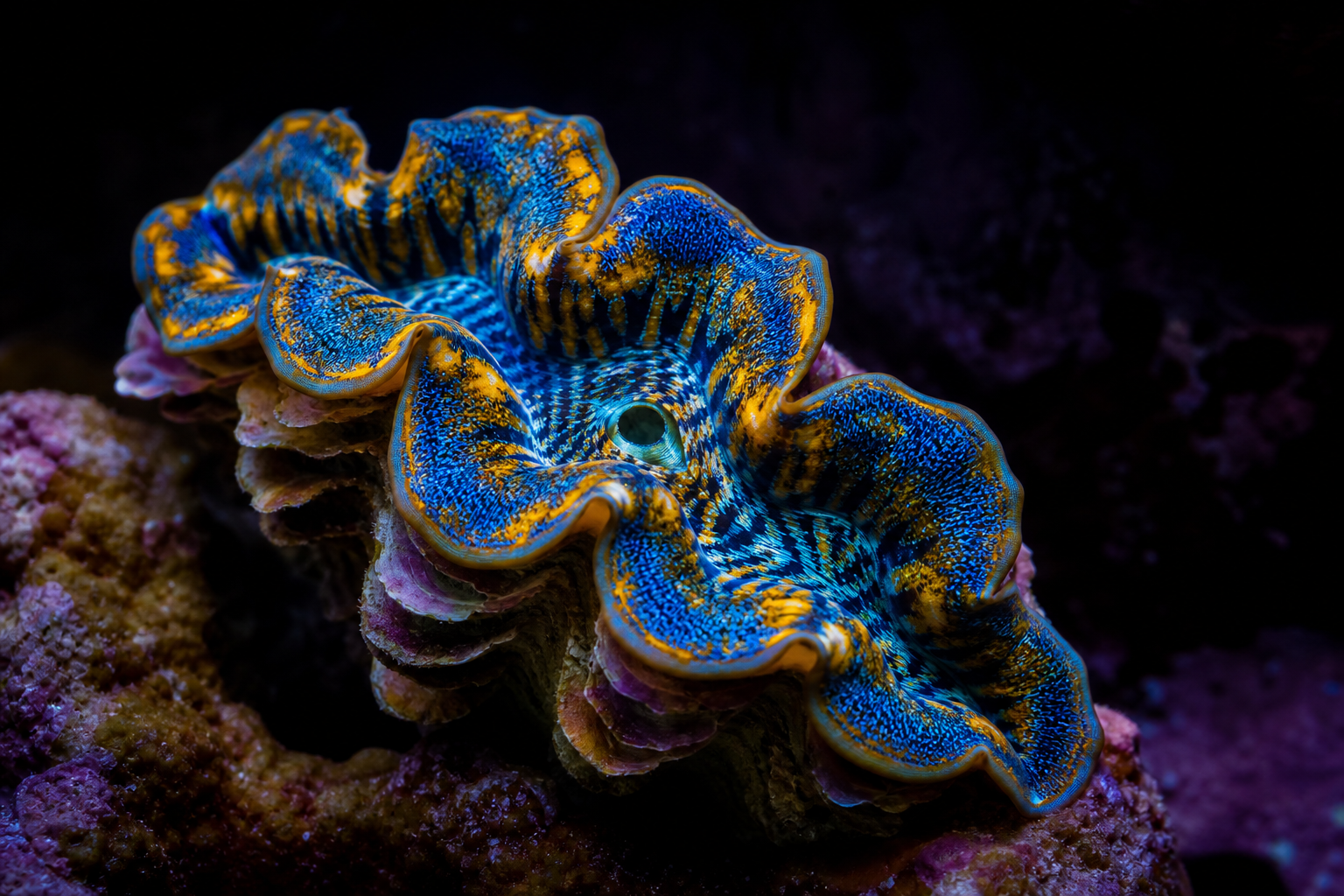
Crocea Clam
Crocea clams are high-light, rock-dwelling giant clams that demand stable chemistry and strong, consistent lighting. They’re sensitive to alkalinity swings, poor placement, and system...
 ARTICLE
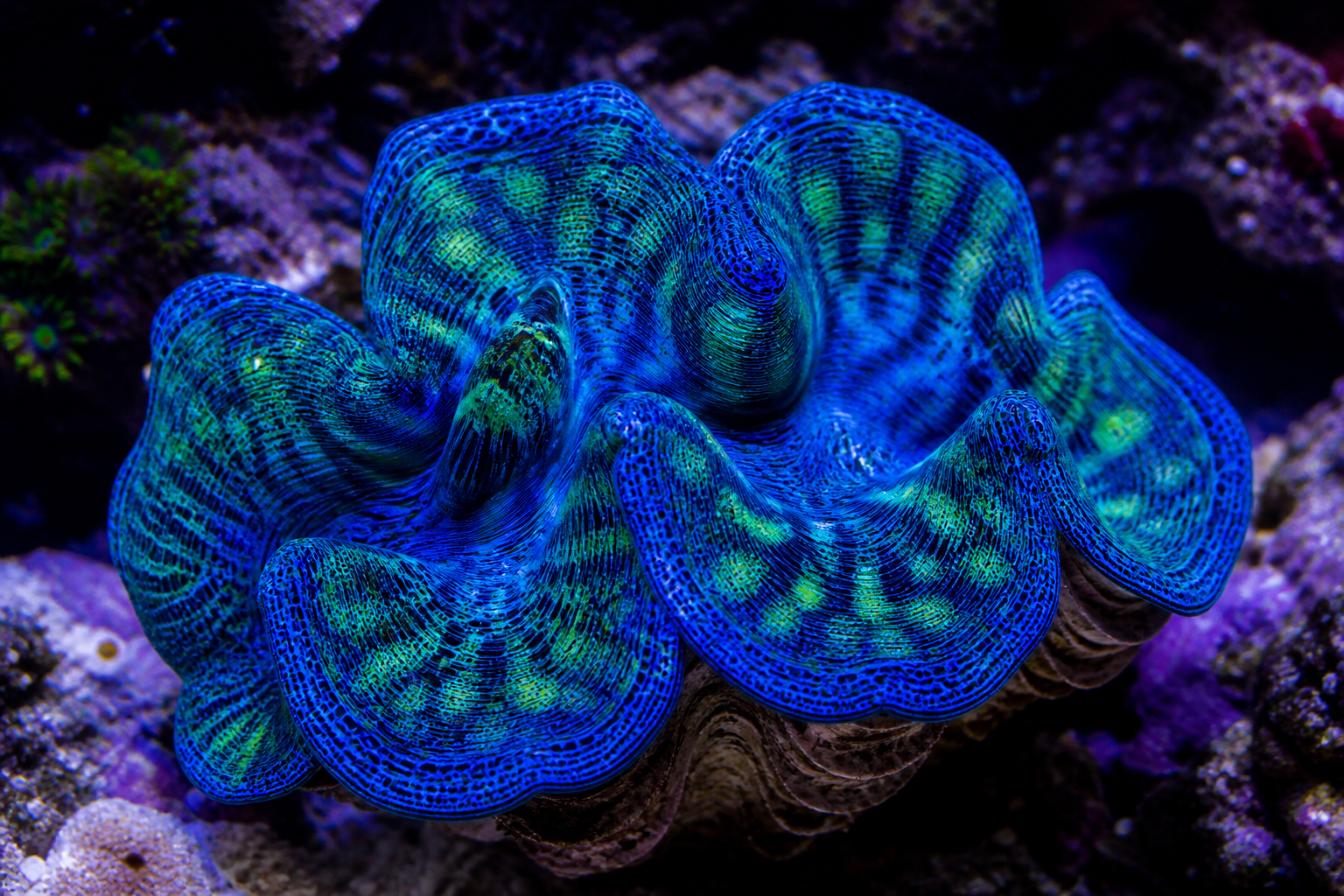
Maxima Clam
Maxima clams are high-light, light-driven clams that do best in mature, stable reef systems. They need strong, consistent lighting, steady alkalinity and calcium, and...
 ARTICLE
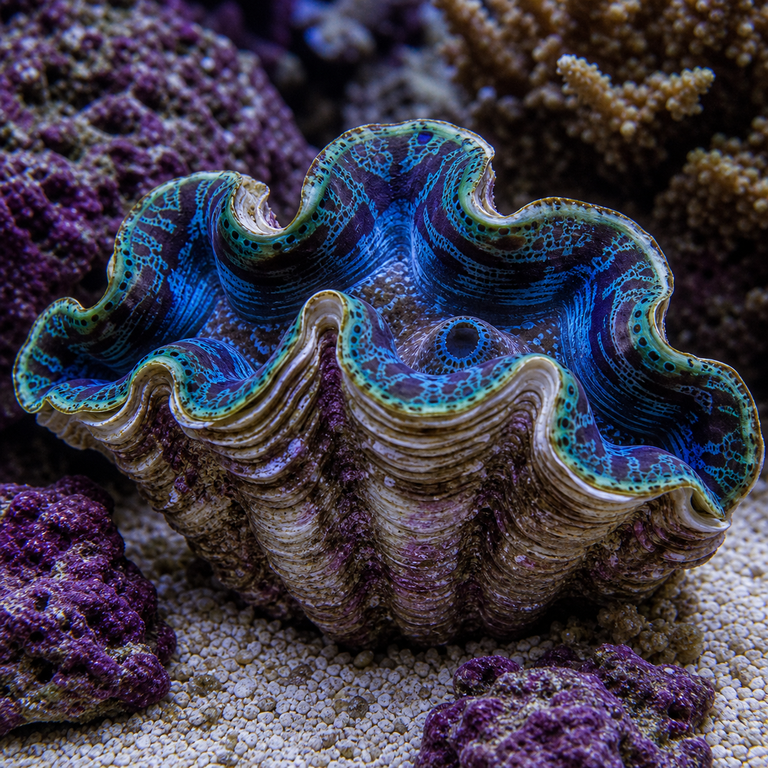
Derasa Clam
Derasa clams are one of the more forgiving giant clams, but they still require a stable, mature reef with consistent lighting and chemistry. They...
 ARTICLE
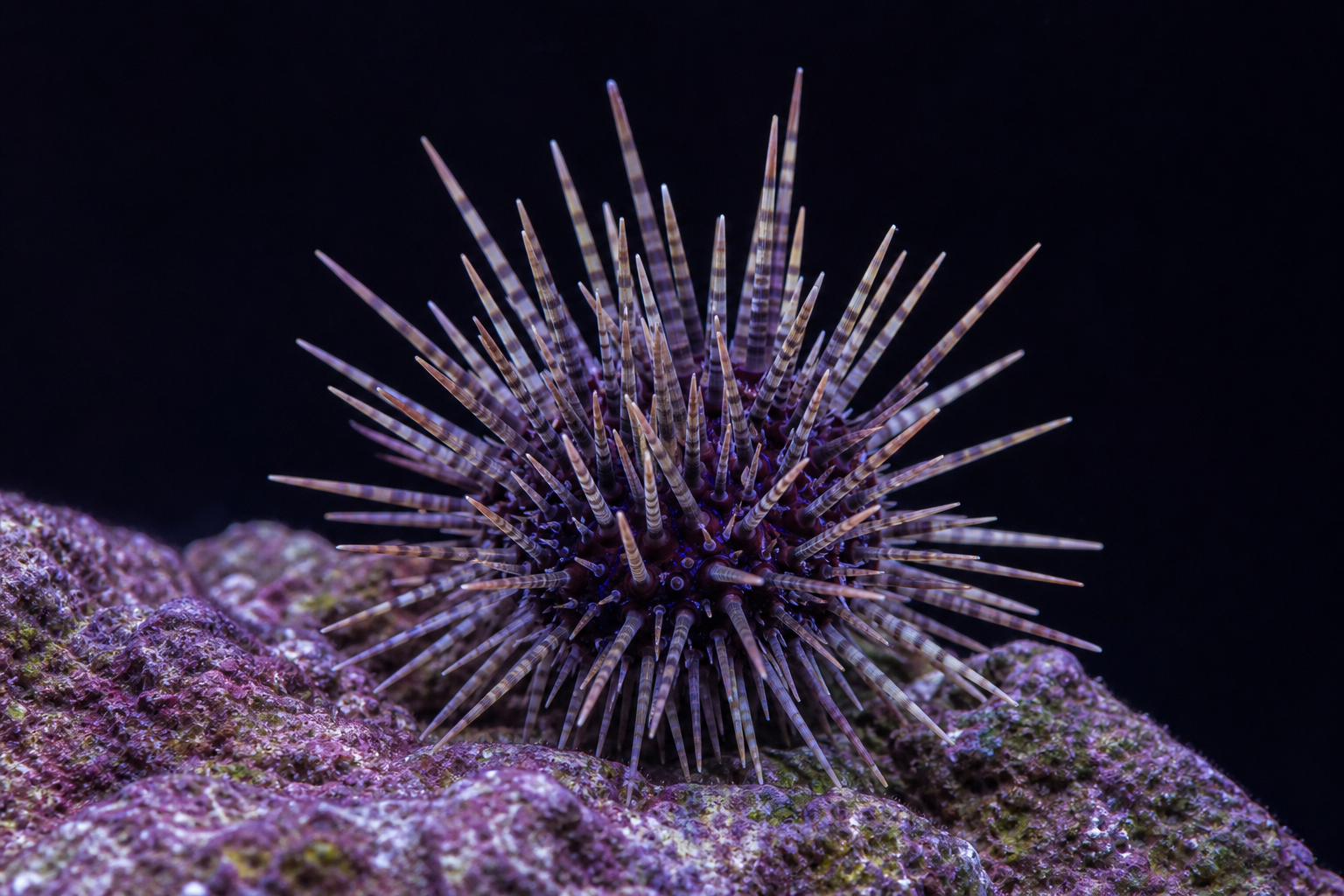
Collector Urchin
Collector urchins are effective algae grazers with a lot of personality, but they’re mechanically disruptive by nature. They’re reef safe biologically, yet will pick...
 ARTICLE
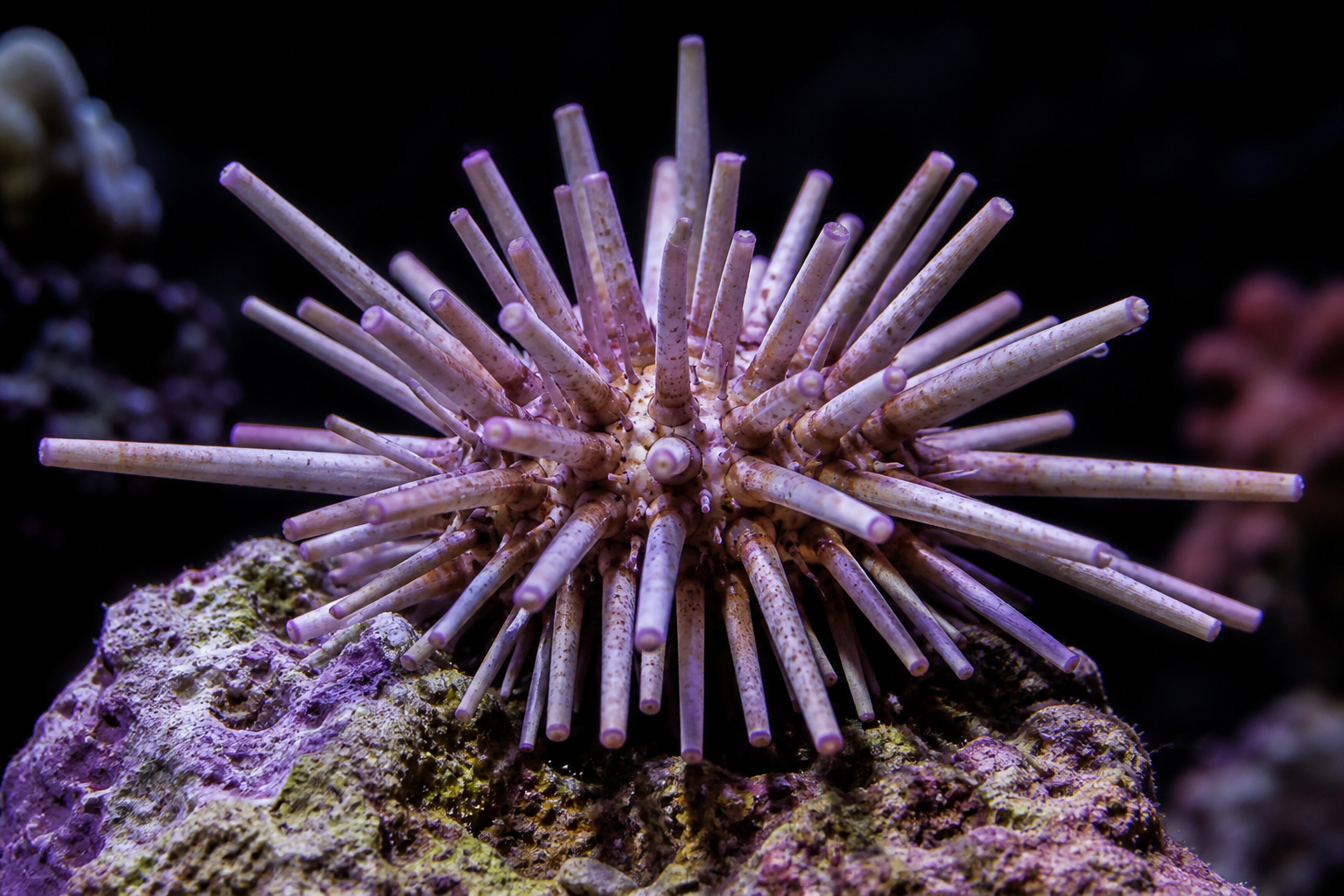
Pencil Urchin
Pencil urchins are strong, opportunistic algae grazers that work best in rugged, well-secured systems. They’re reef safe with caution, not because they eat corals,...
 ARTICLE
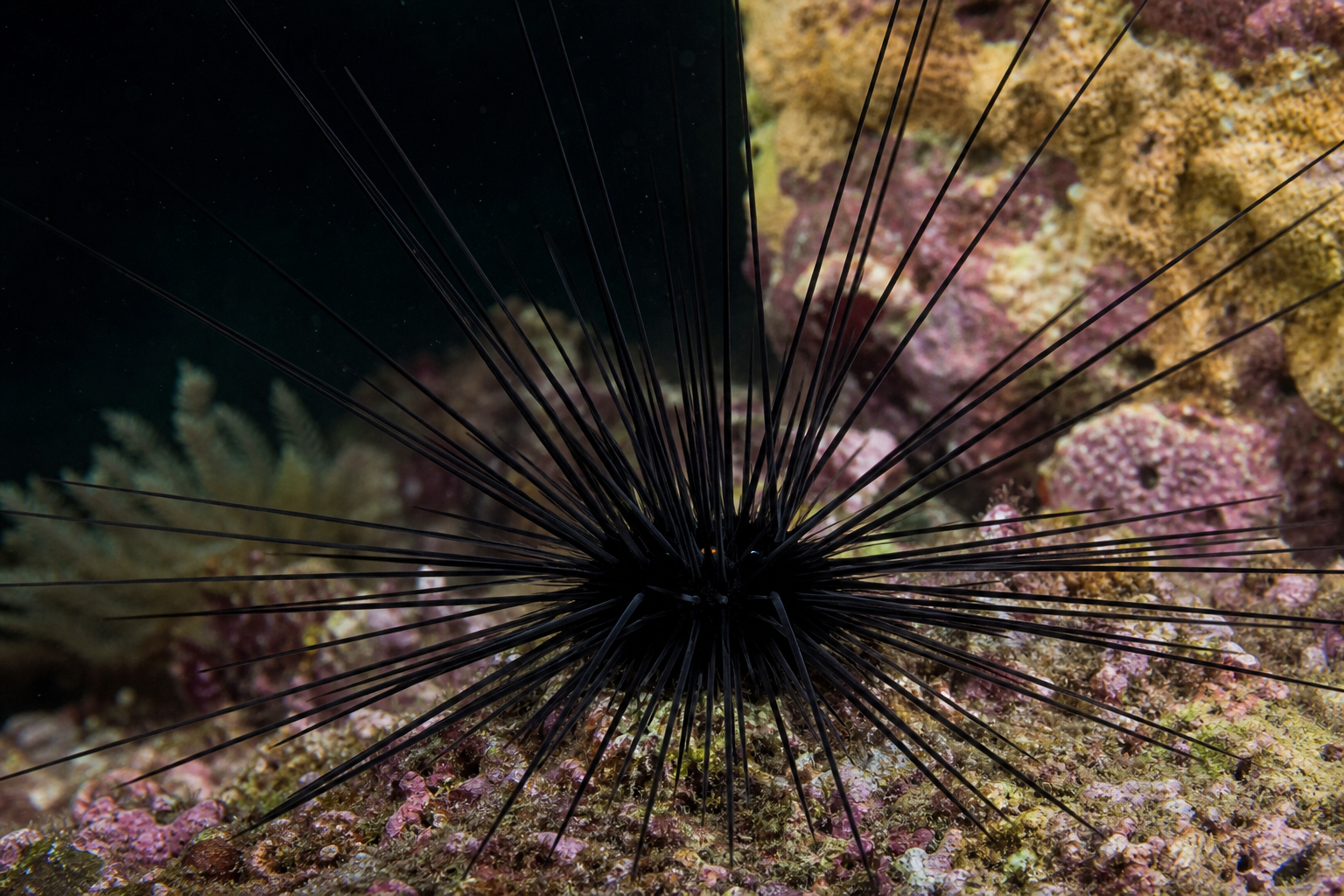
Longspine Urchin
Longspine urchins are powerful algae grazers best suited for large, well-secured reef tanks. They’re reef safe biologically, but their size, spines, and strength make...
 ARTICLE
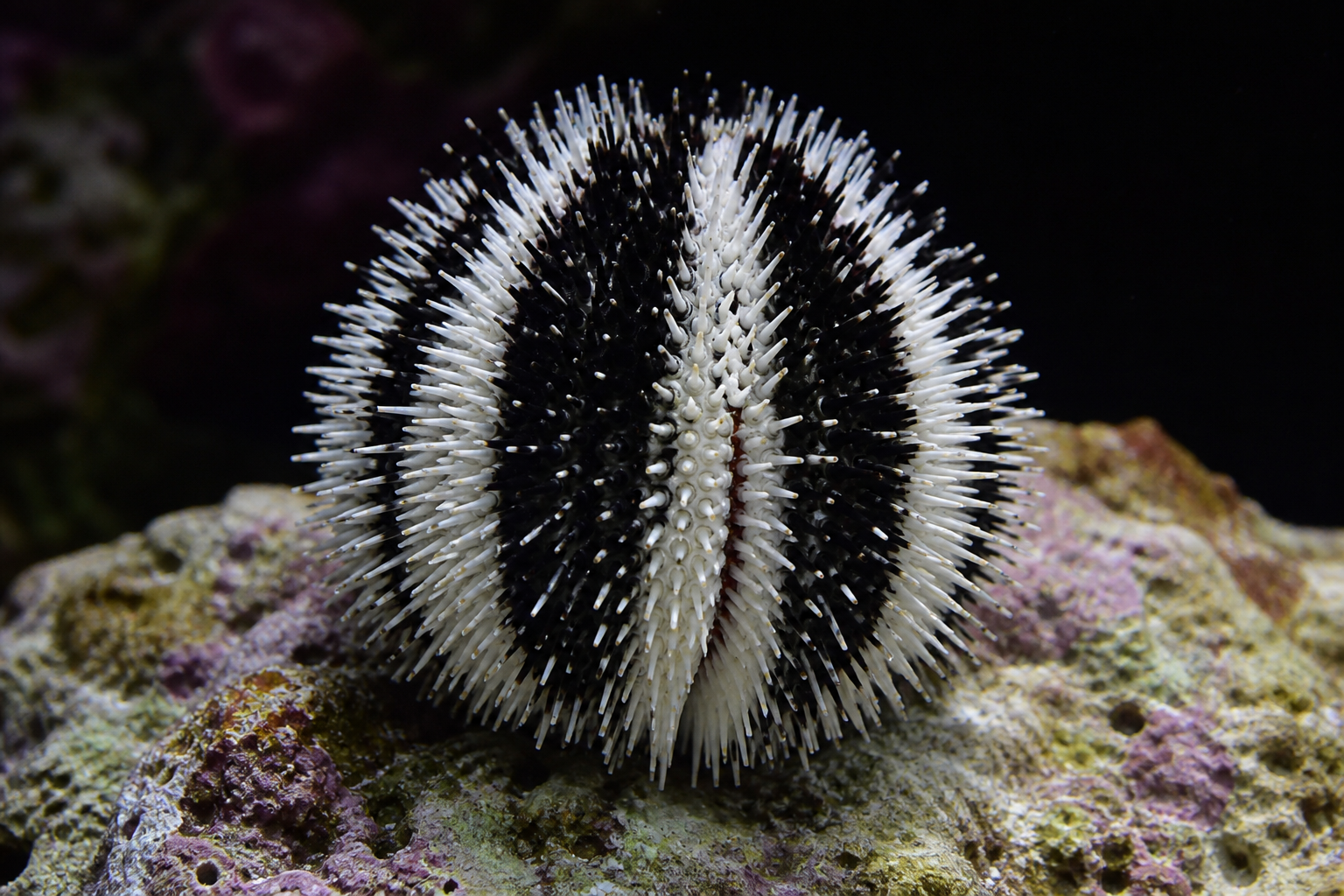
Tuxedo Urchin
Tuxedo urchins are small, reef-friendly algae grazers that excel at controlling film algae and biofilm in mixed reefs. They’re generally gentle, but will move...
 ARTICLE
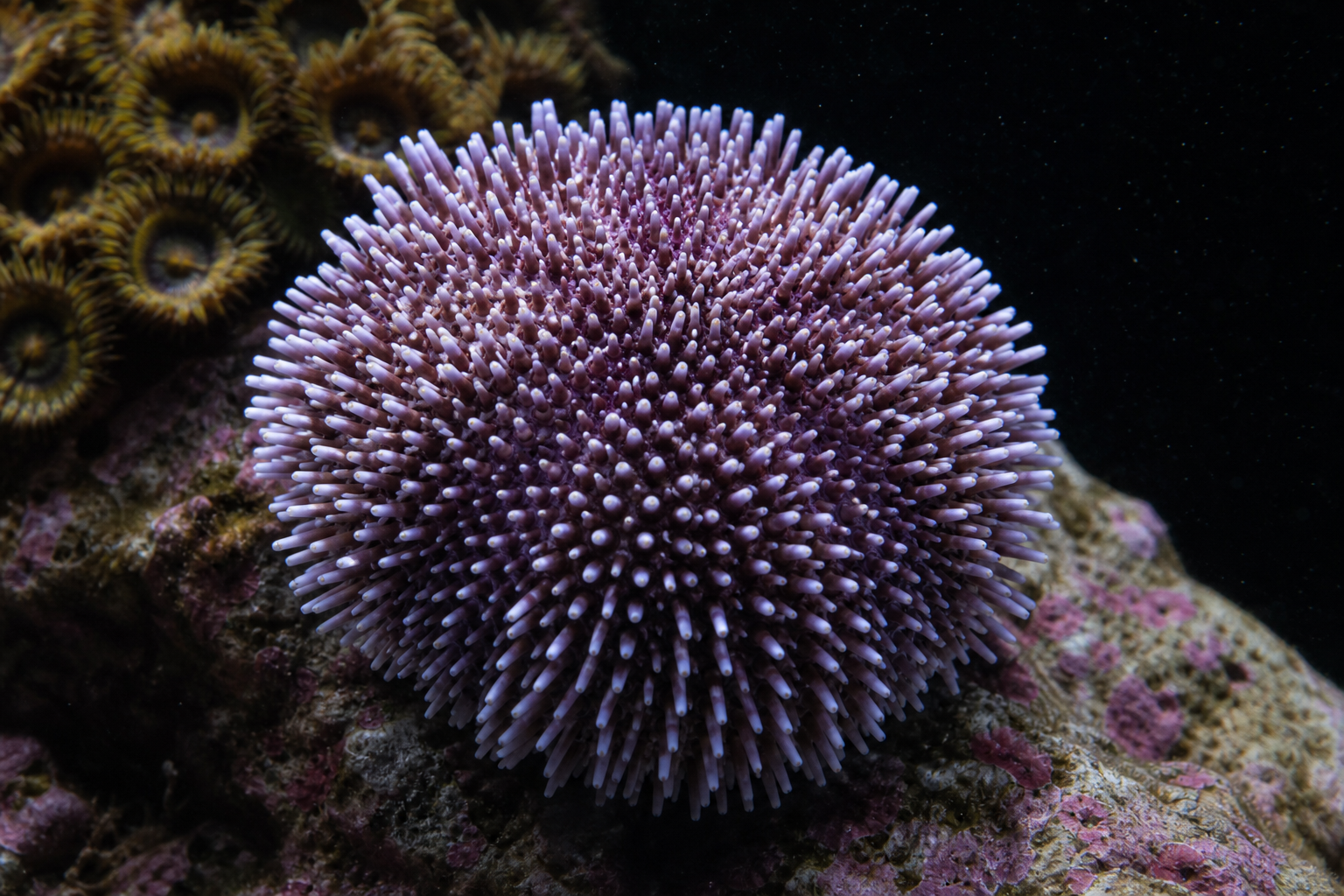
Pincushion Urchin
Pincushion urchins are small, reef-friendly algae grazers that work well in mixed reefs when given enough food. They’re generally gentle but can knock over...
 ARTICLE
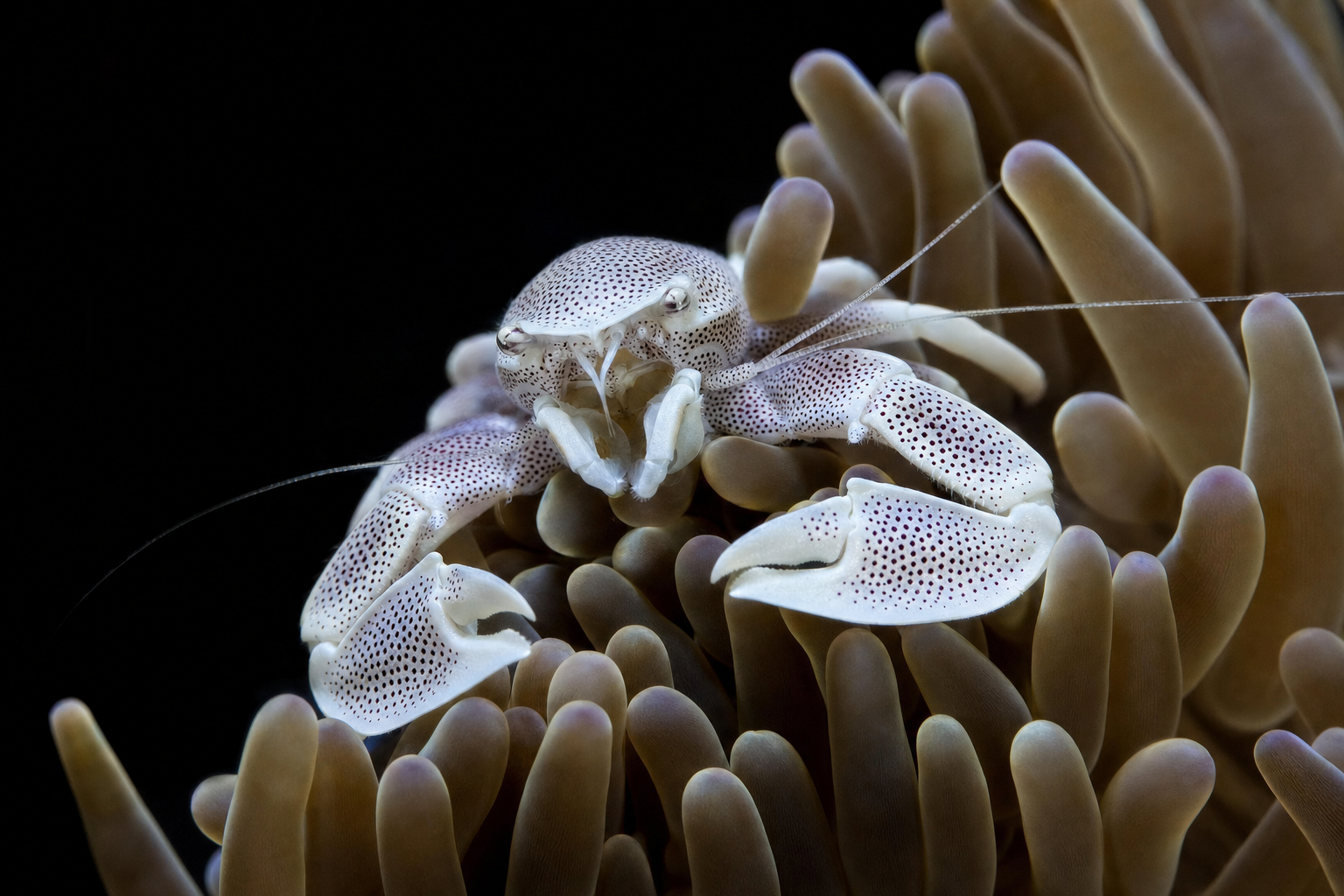
Anemone Crab
Anemone crabs are specialized, symbiotic crabs that depend on a healthy host anemone to thrive. They do best in stable, established tanks where food...
 ARTICLE
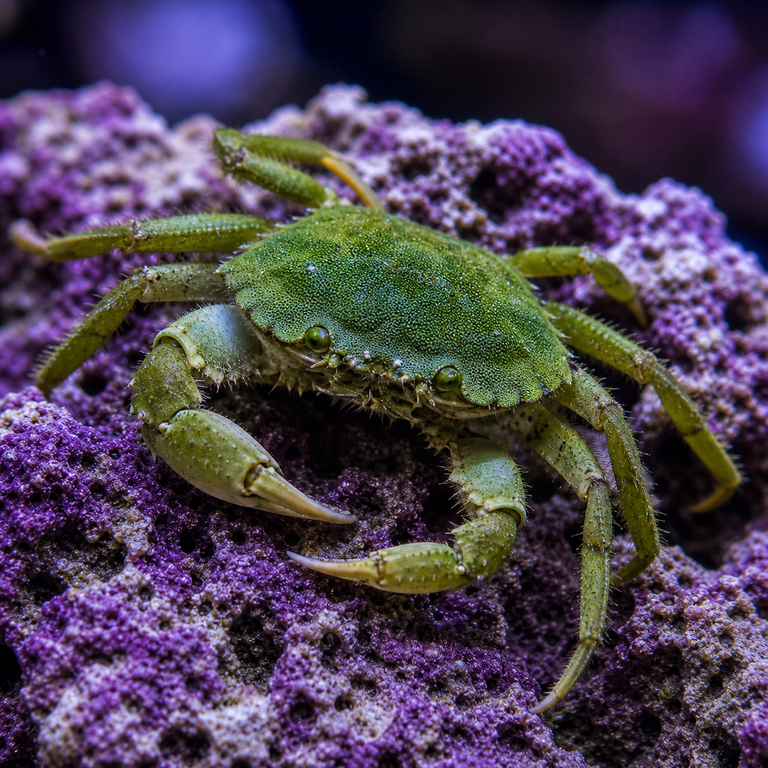
Emerald Crab
Emerald crabs are opportunistic algae grazers that can be very effective when algae is present, especially bubble algae. They’re reef safe with conditions, but...
 ARTICLE
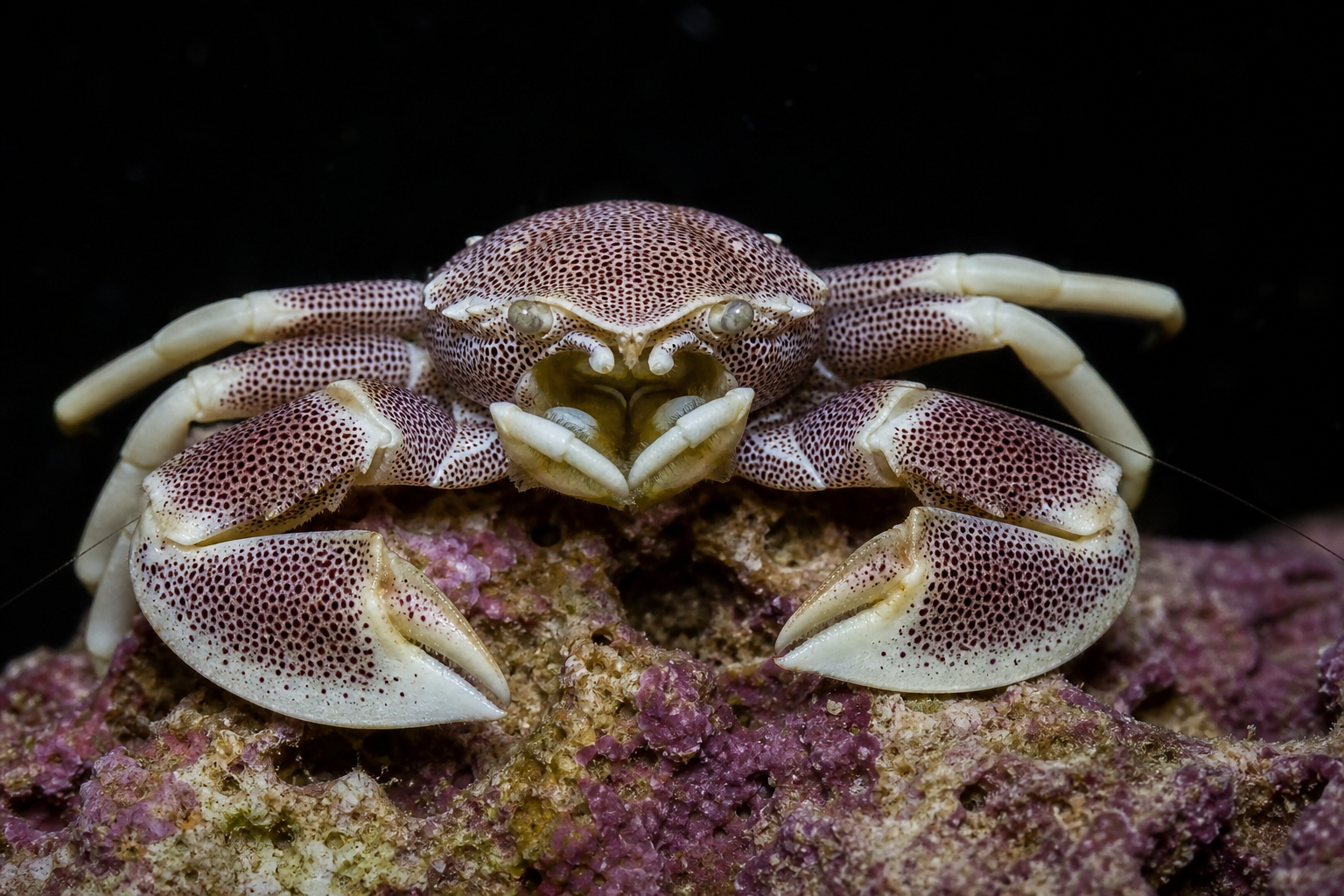
Porcelain Crab
Porcelain crabs are peaceful filter feeders that rely on moderate flow and suspended food rather than scavenging. They do best in established reefs with...
 ARTICLE
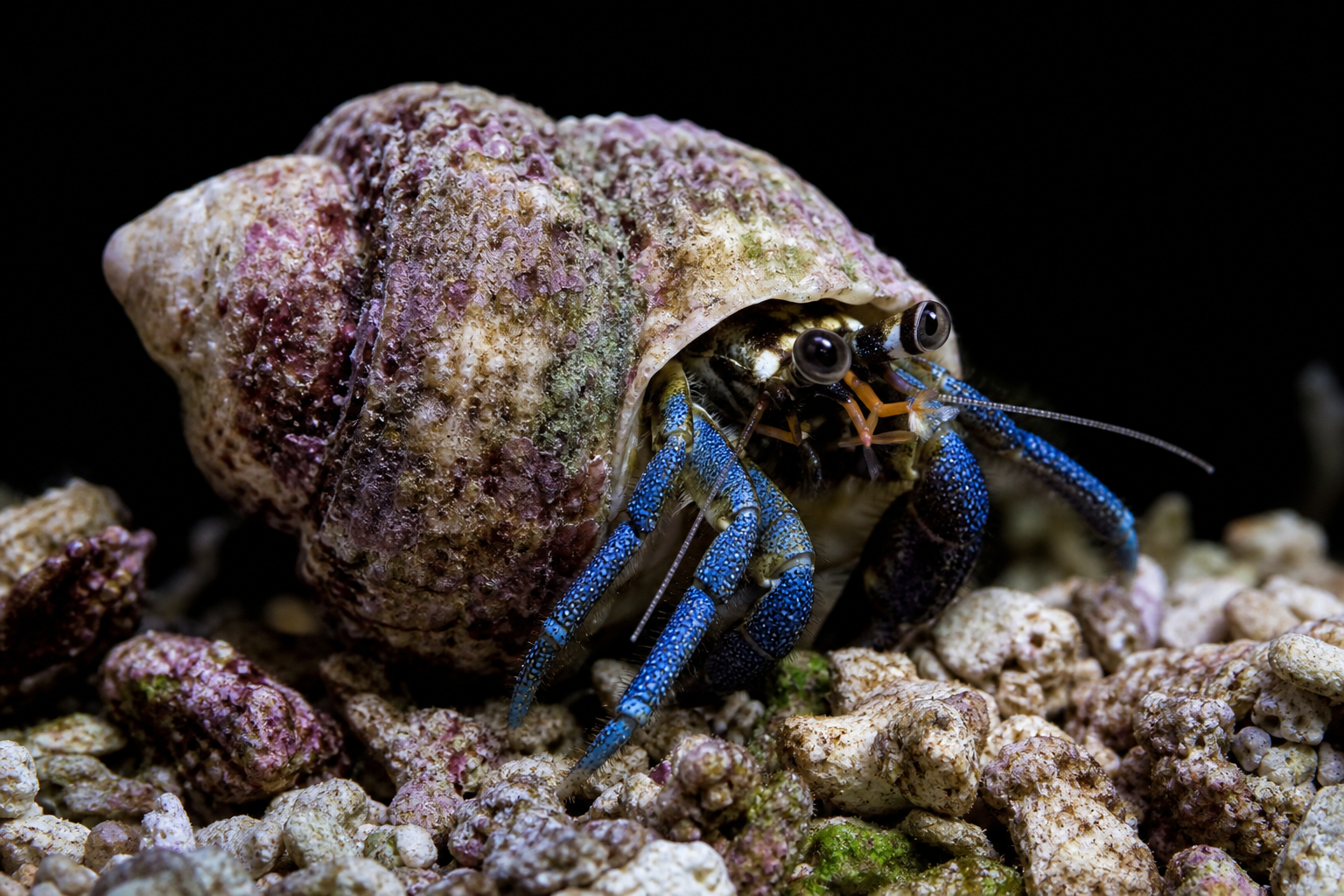
Blue-Leg Hermit Crab
Blue-leg hermits are active, hardy scavengers that help with algae and leftover food, but they’re more aggressive than scarlet hermits. Their biggest downside is...
 ARTICLE
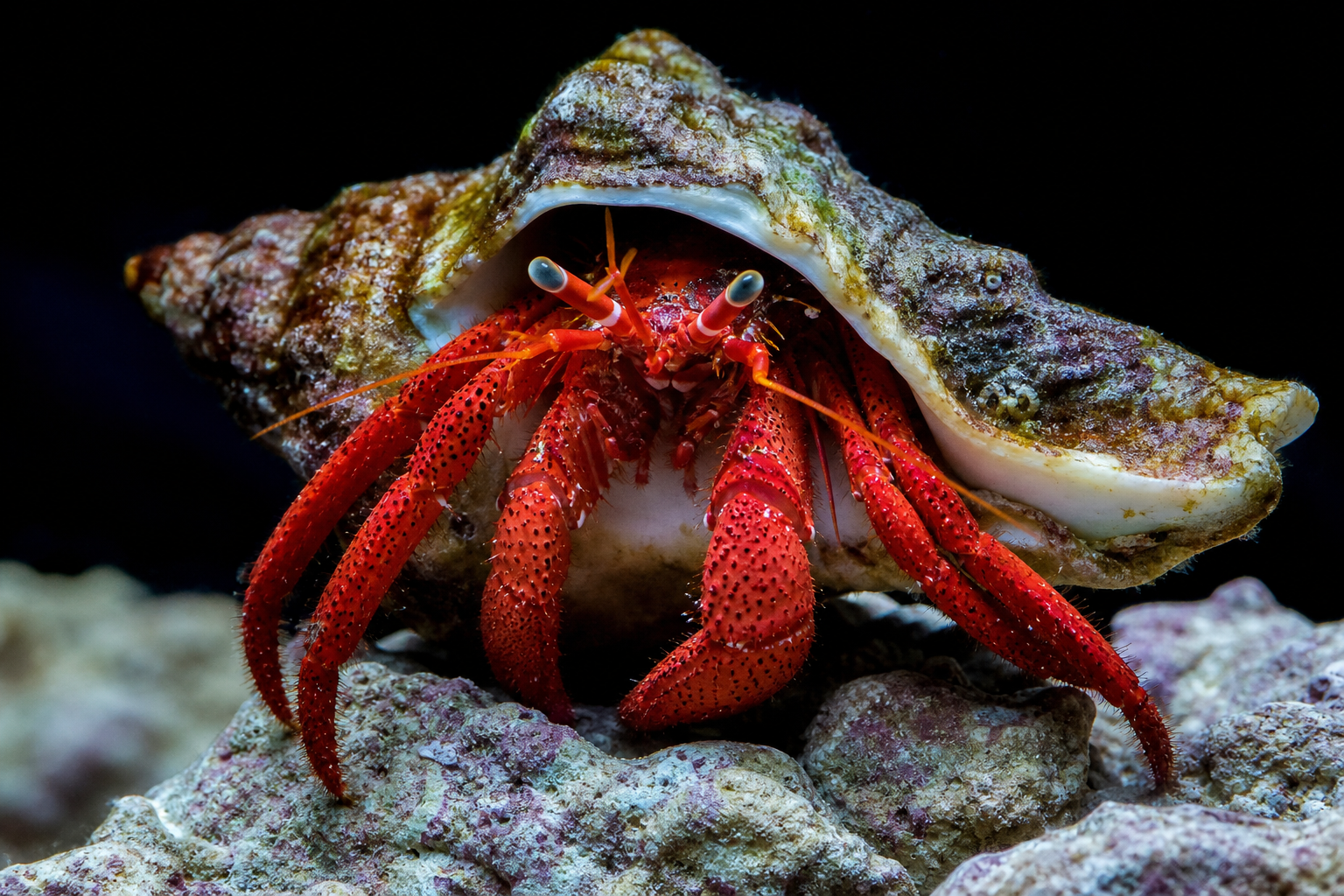
Scarlet Hermit Crab
Scarlet hermit crabs are one of the most reef-friendly hermits available, known for grazing algae and biofilm without causing much trouble. They do best...
 ARTICLE
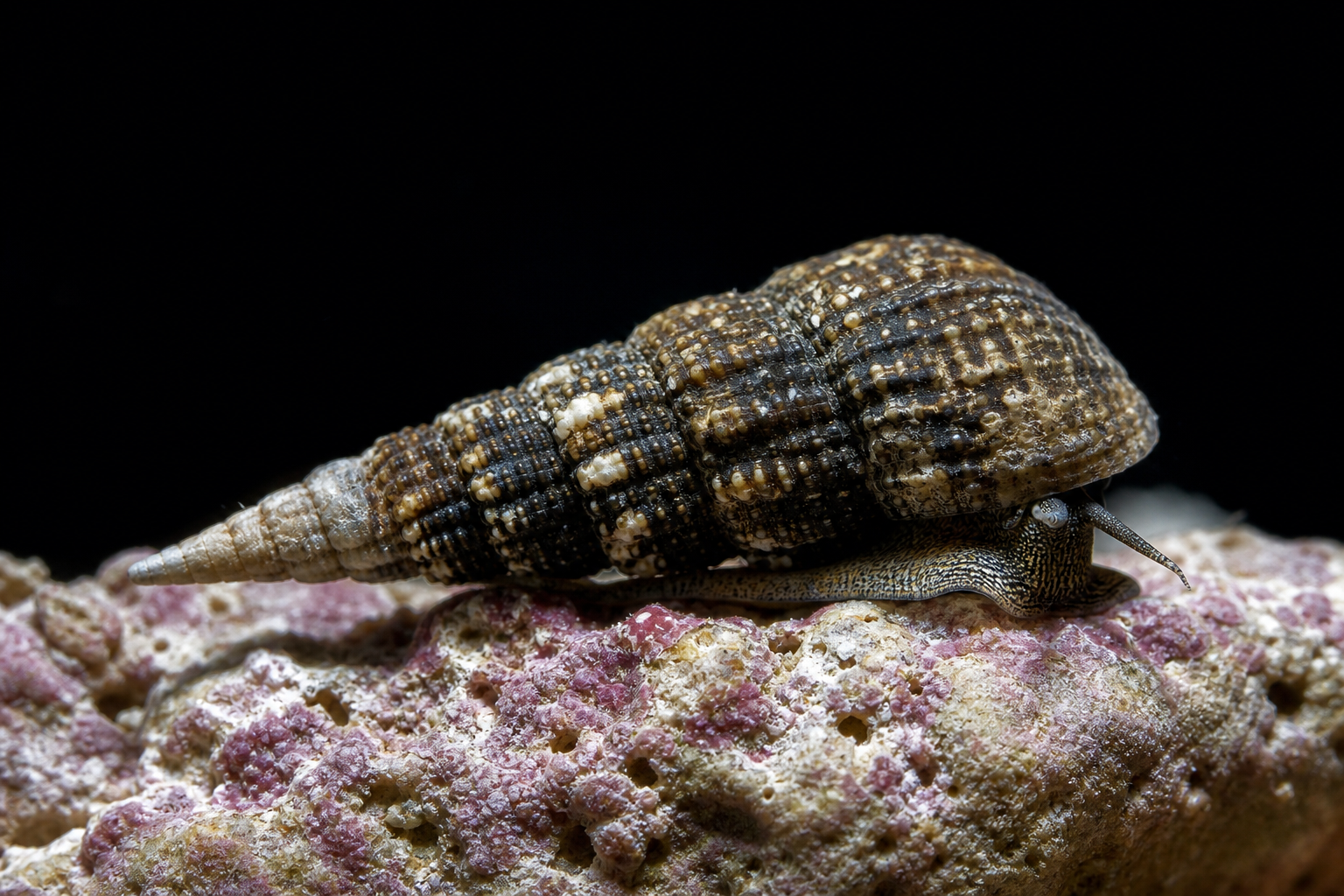
Astraea Snail
Astraea snails are reef-safe algae grazers that clean film algae and biofilm from rock and glass. Their main downside is that many can’t flip...
 ARTICLE
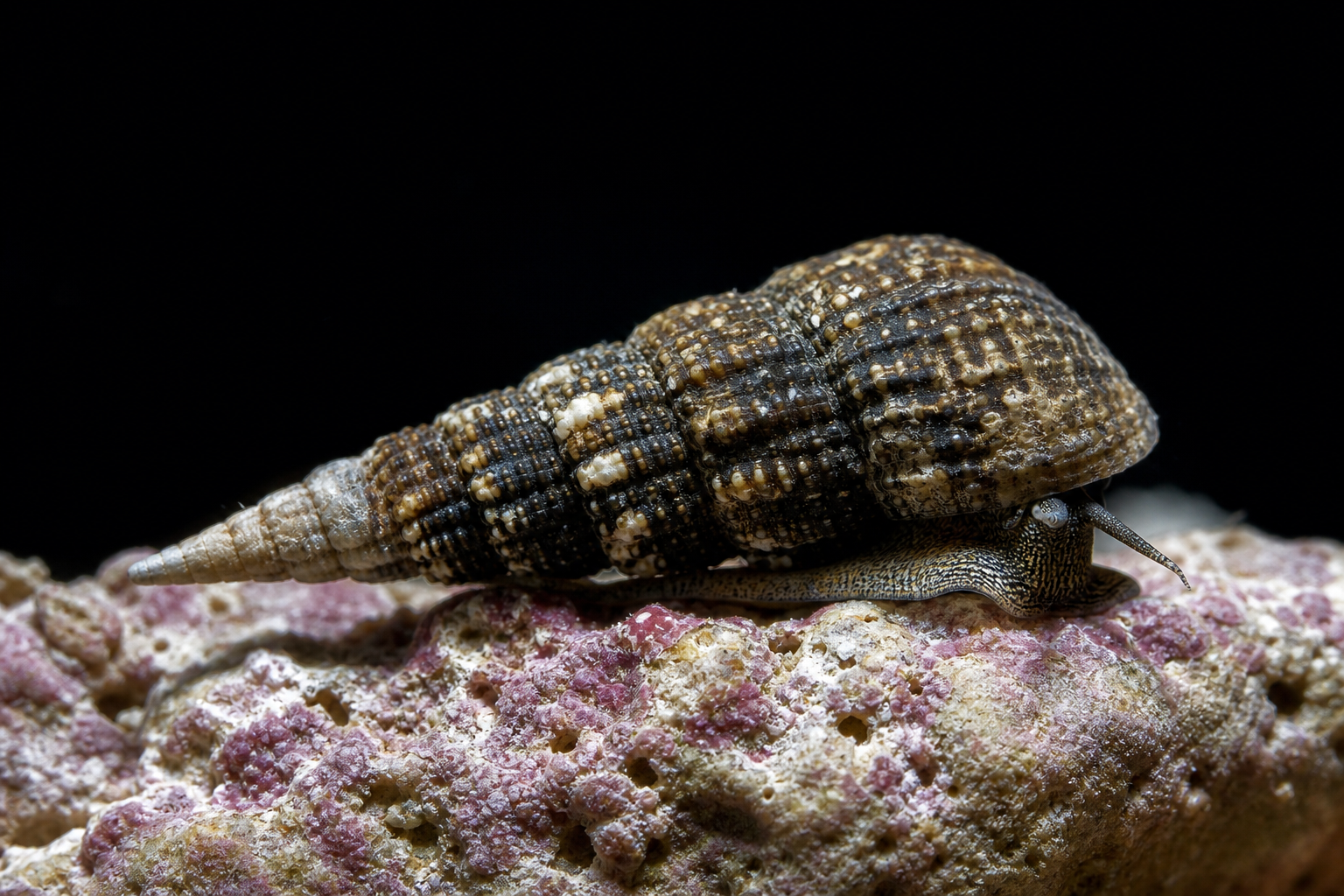
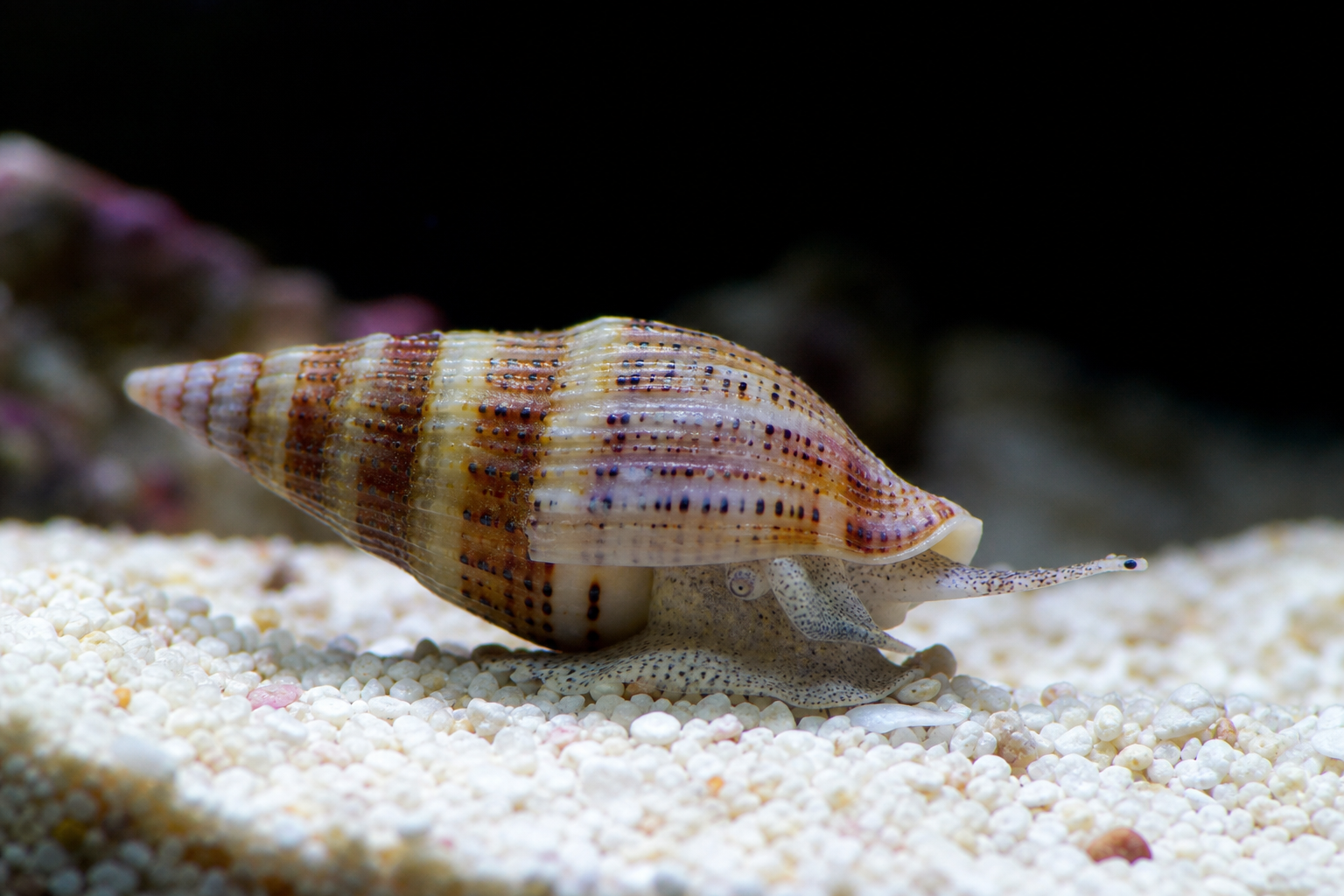
Cerith Snail
Cerith snails are versatile, reef-safe grazers that work across rock, glass, and sandbed edges, making them one of the most useful cleanup crew snails...
 ARTICLE
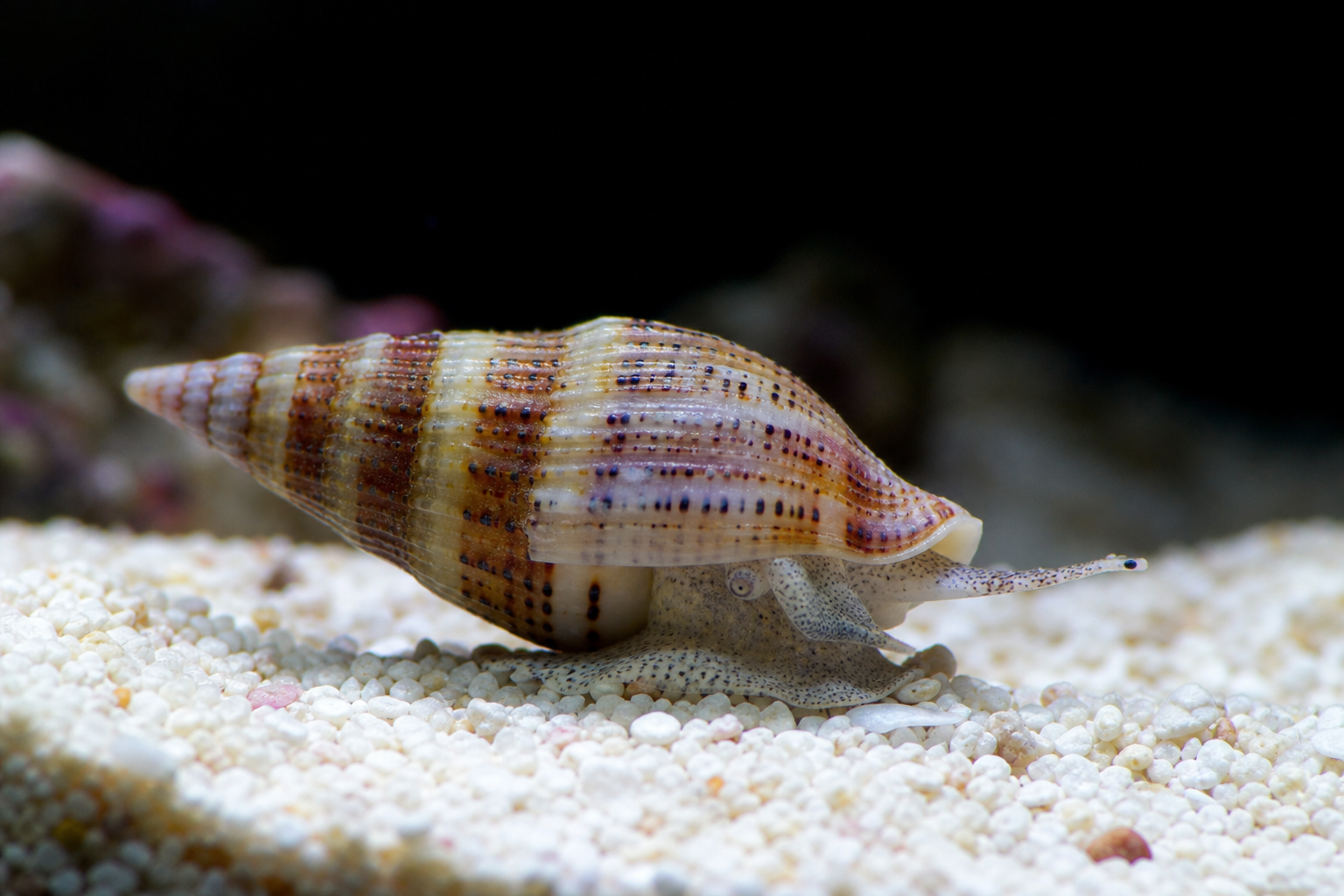
Turbo Snail
Turbo snails are powerful algae grazers best used as a targeted response when algae needs to be knocked back quickly. They’re reef safe biologically,...
 ARTICLE
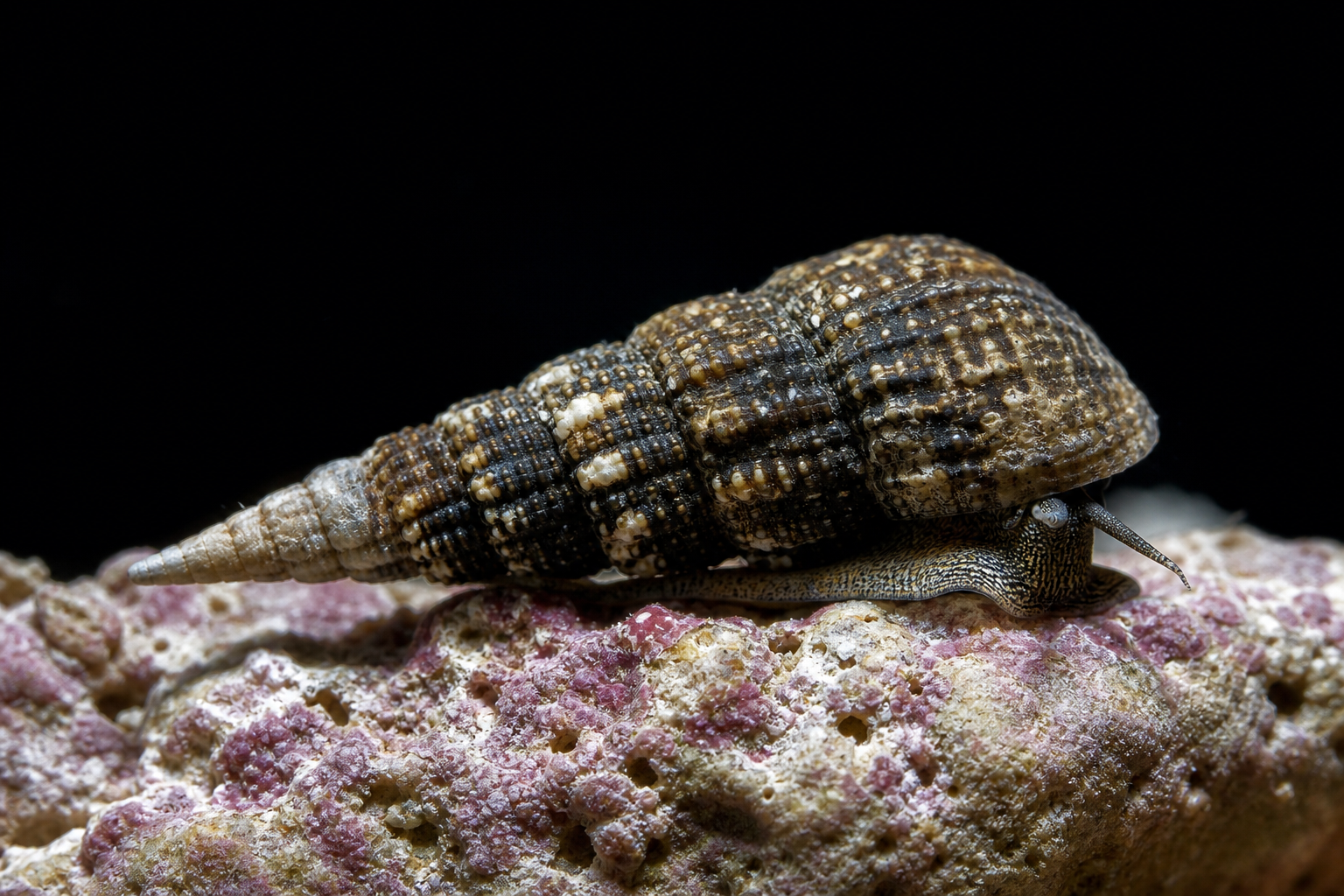
Nassarius Snail
Nassarius snails are sandbed scavengers that specialize in cleaning up leftover meaty food, not algae. They live buried in the sand and rely on...
 ARTICLE
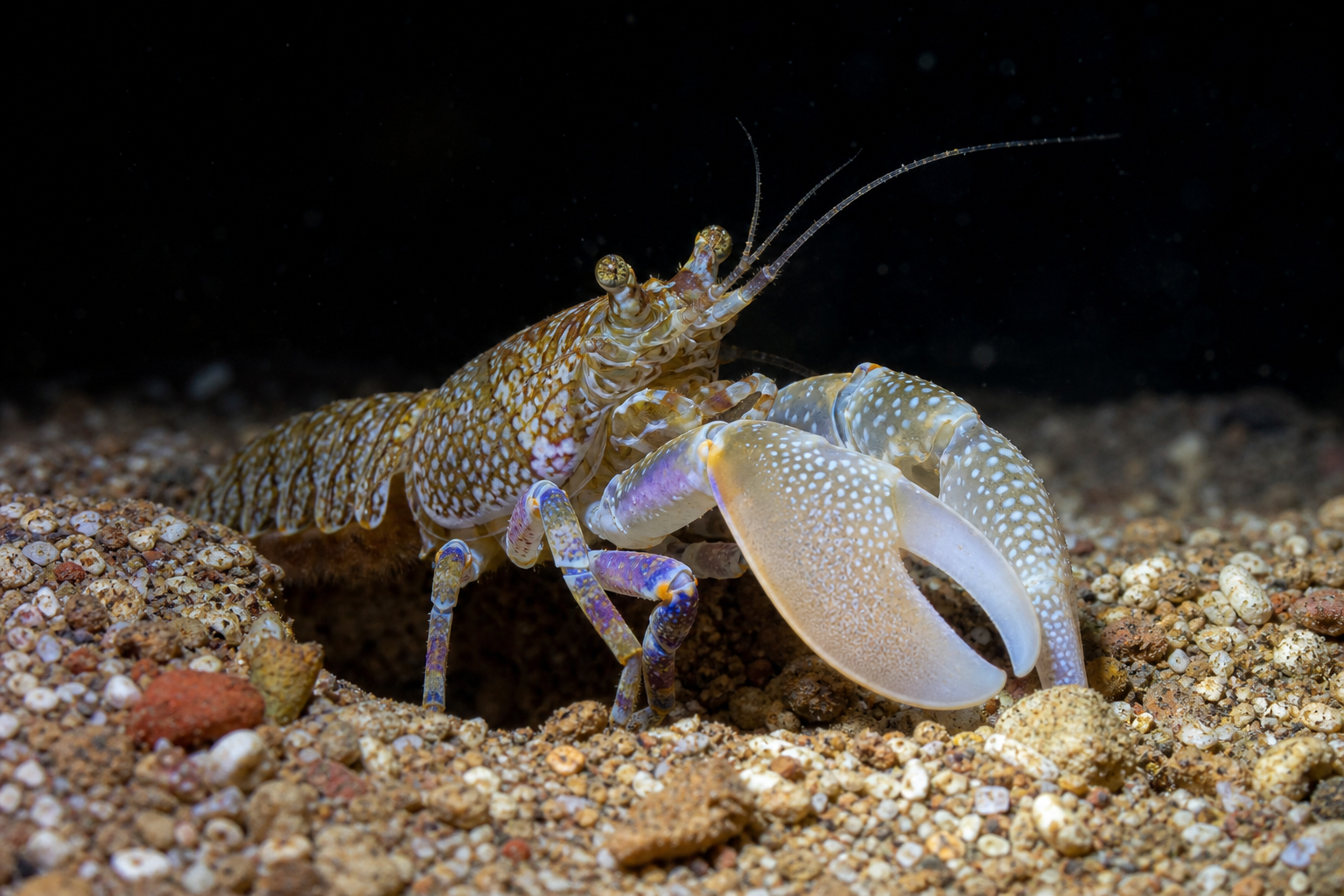
Trochus Snail
Trochus snails are reliable, reef-safe algae grazers that work on both glass and rock without needing constant attention. They’re especially valued for their ability...
 ARTICLE
Pistol Shrimp
Pistol shrimp are burrowing engineers that reshape the sandbed, move rubble, and make their presence known with characteristic snapping. They aren’t cleanup crew and...
 ARTICLE
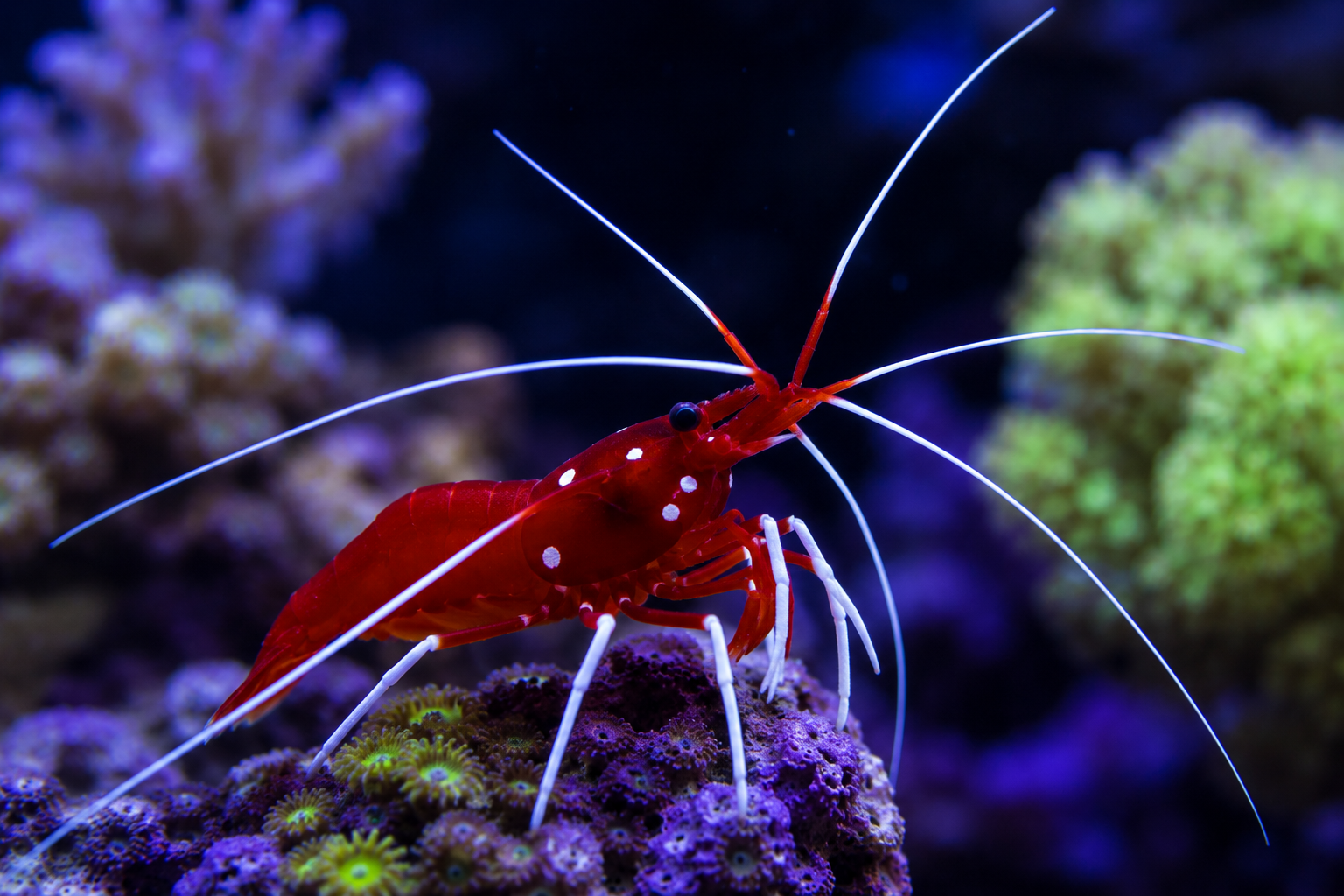
Fire Shrimp
Fire (Blood) shrimp are peaceful, reef-safe cleaner shrimp with a more reserved personality than skunk cleaners. They’re naturally shy, often more active in the...
 ARTICLE
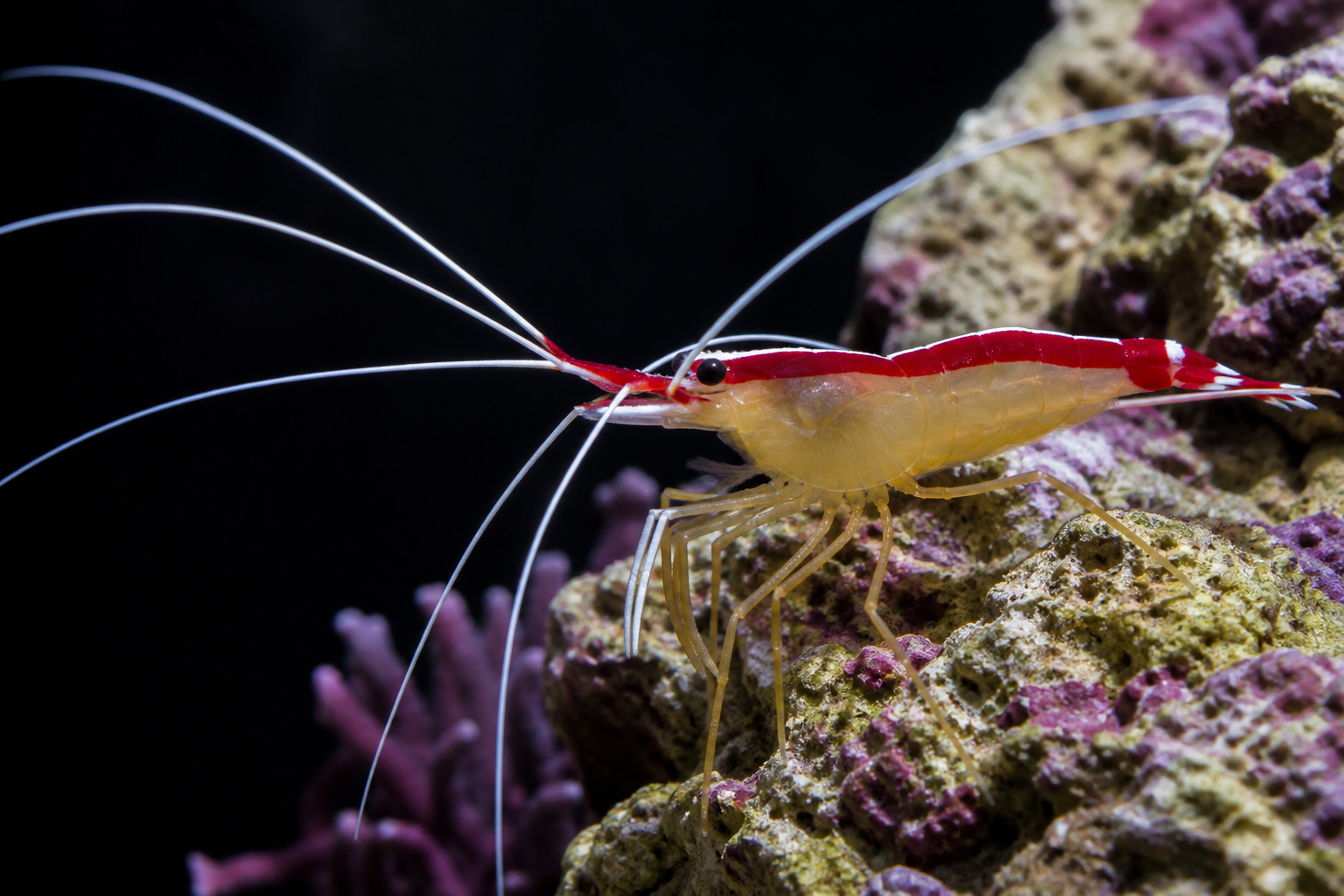
Skunk Cleaner Shrimp
Skunk cleaner shrimp are hardy, reef-safe scavengers that also happen to clean fish when given the chance. They’re active, visible, and beginner-friendly in stable...
 ARTICLE
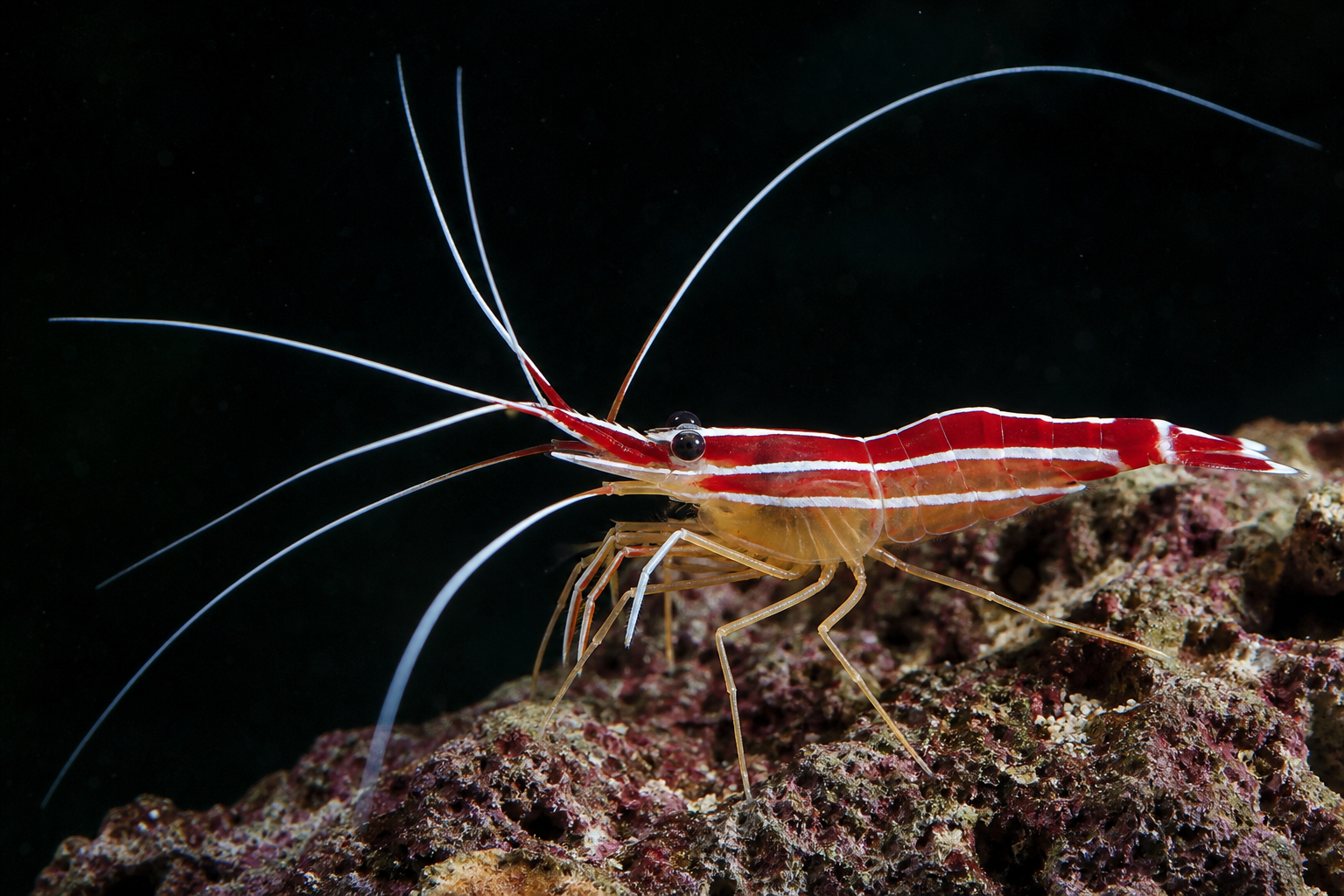
Peppermint Shrimp
Peppermint shrimp are hardy, opportunistic scavengers that fit well into many reef tanks when expectations are set correctly. They’re mostly nocturnal, tend to stay...
 ARTICLE
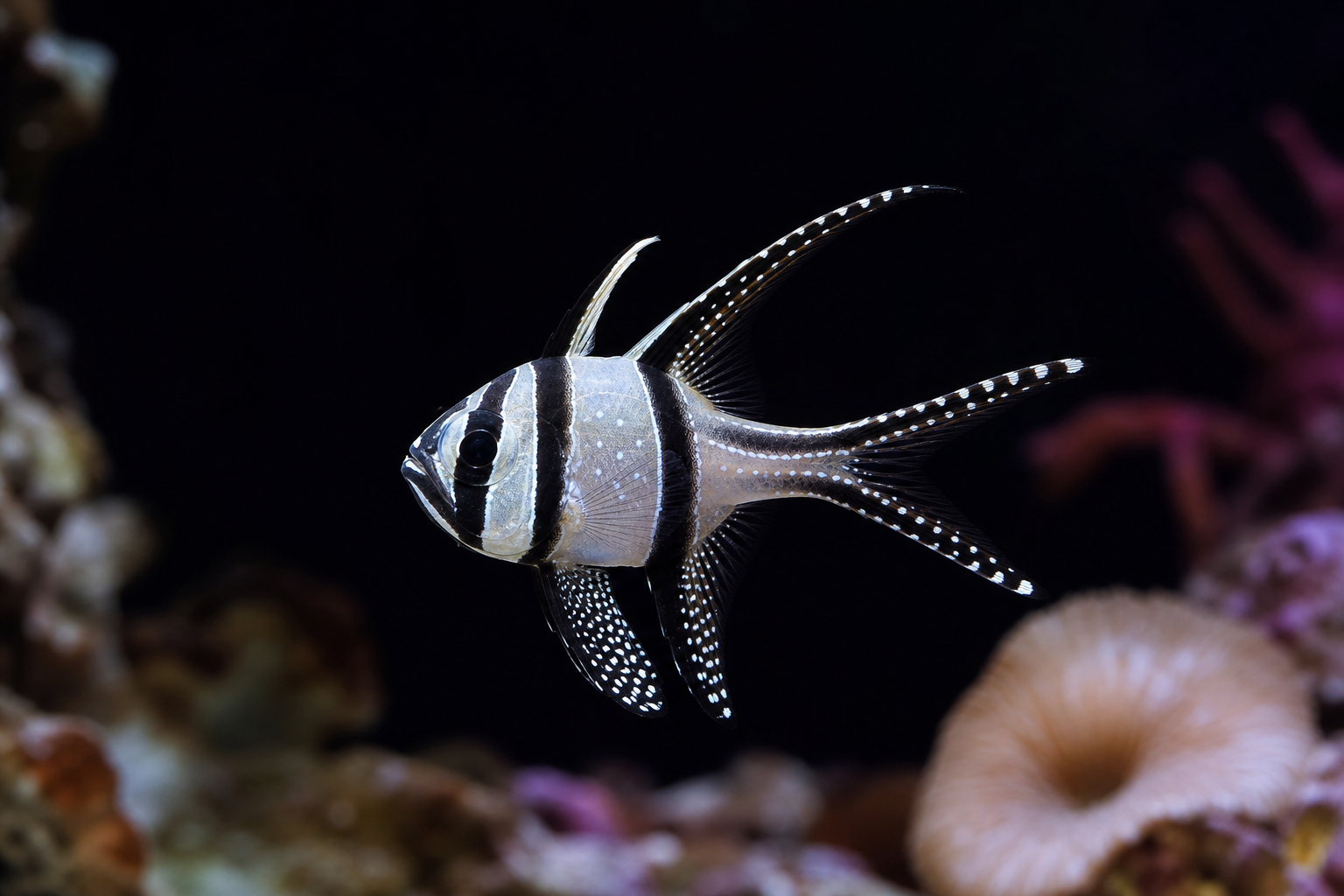
Banggai Cardinalfish
A peaceful, reef-safe cardinalfish with bold striping and a calm hovering behavior. Great for community reefs, especially smaller tanks, as long as it isn’t...
 ARTICLE
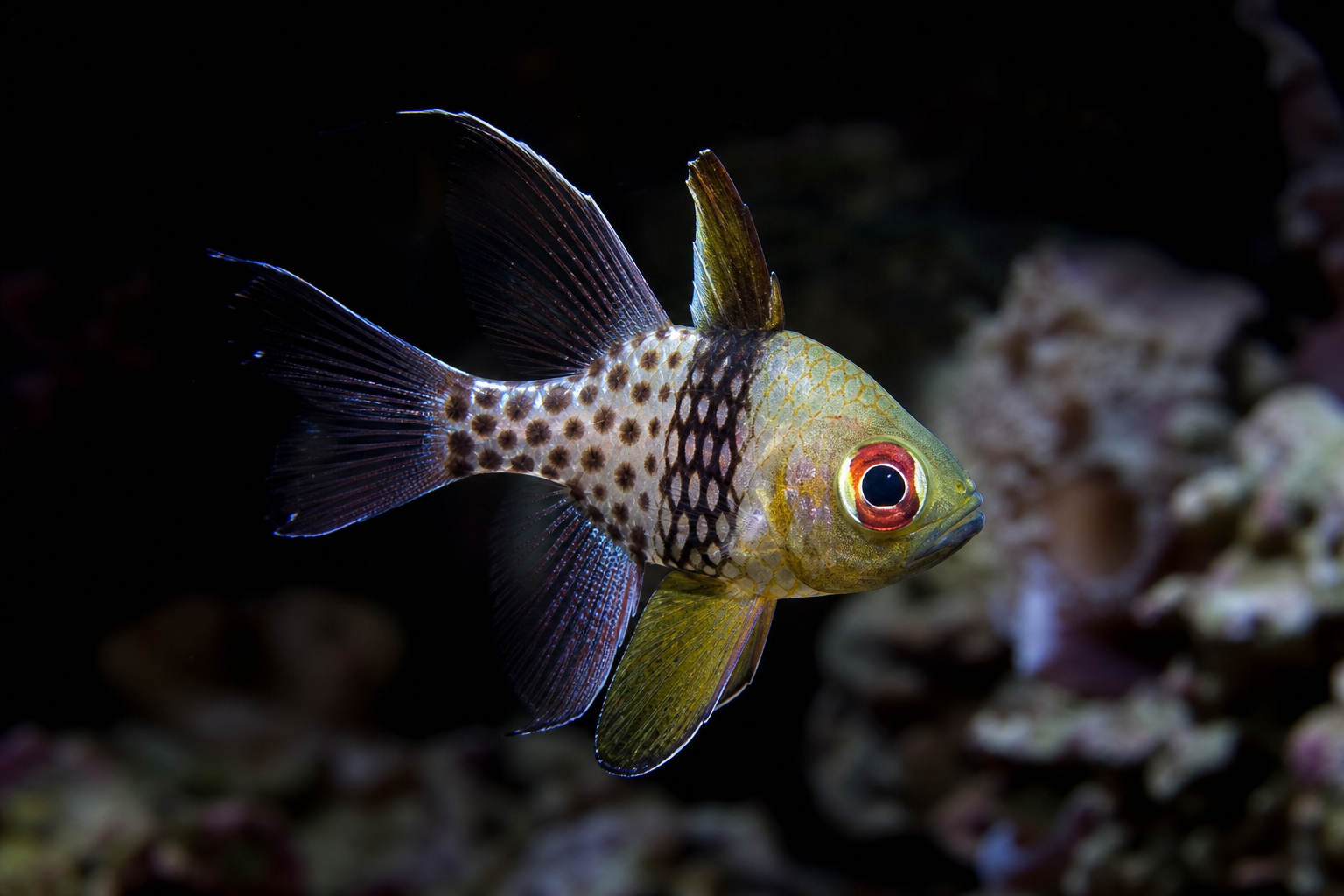
Pajama Cardinalfish
A peaceful, reef-safe cardinalfish with a quirky spotted pattern and calm hovering behavior. Easy to feed, beginner-friendly, and often suitable for pairs or small...