Search ReefScales
Results for "flow"
21 launch-approved results
Search results for "flow"
 ARTICLE
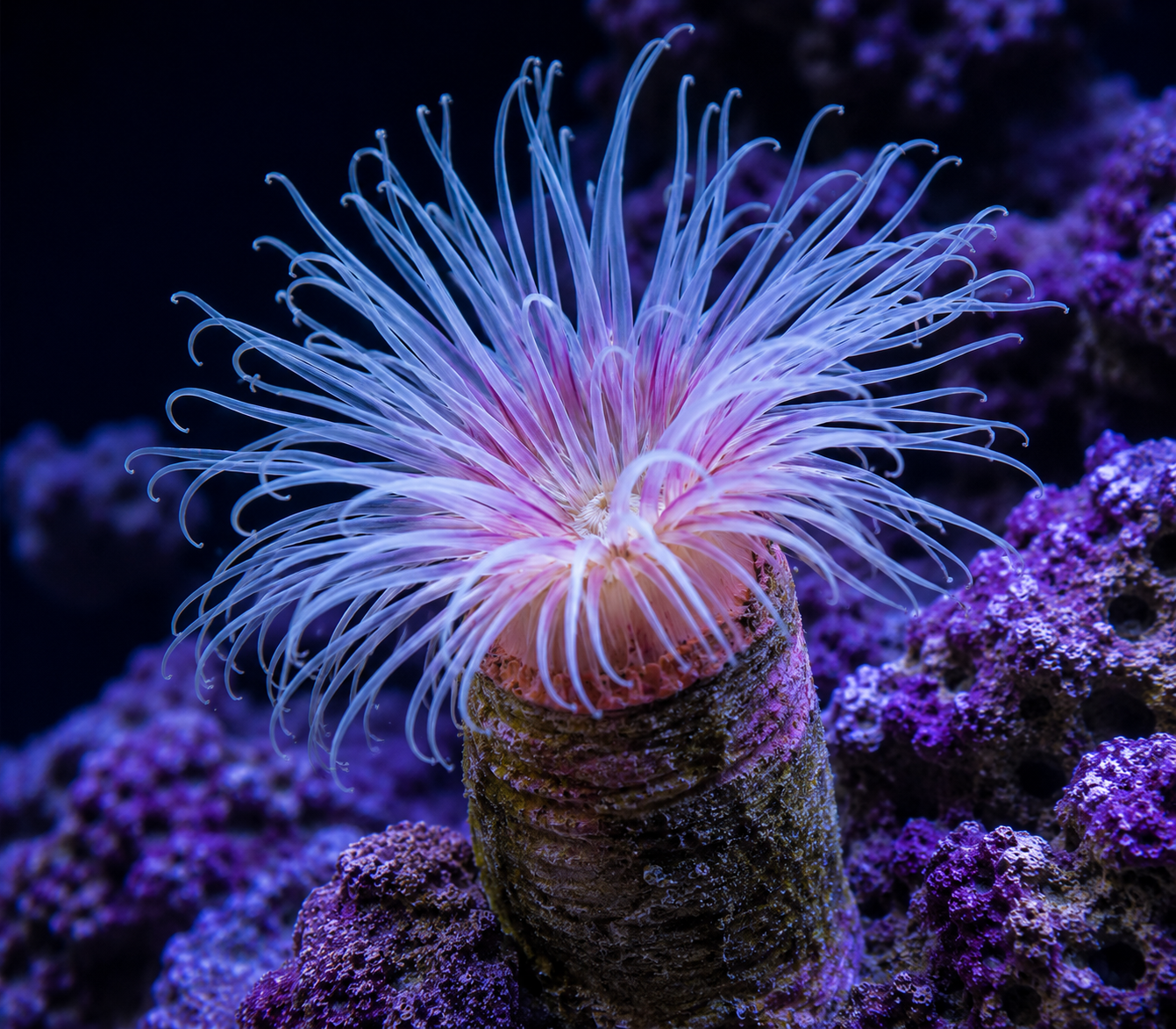
Tube Anemone
Tube anemones are burrowing sandbed predators that need a deep, stable substrate, gentle flow, and regular meaty feedings. They have a strong sting and...
 ARTICLE
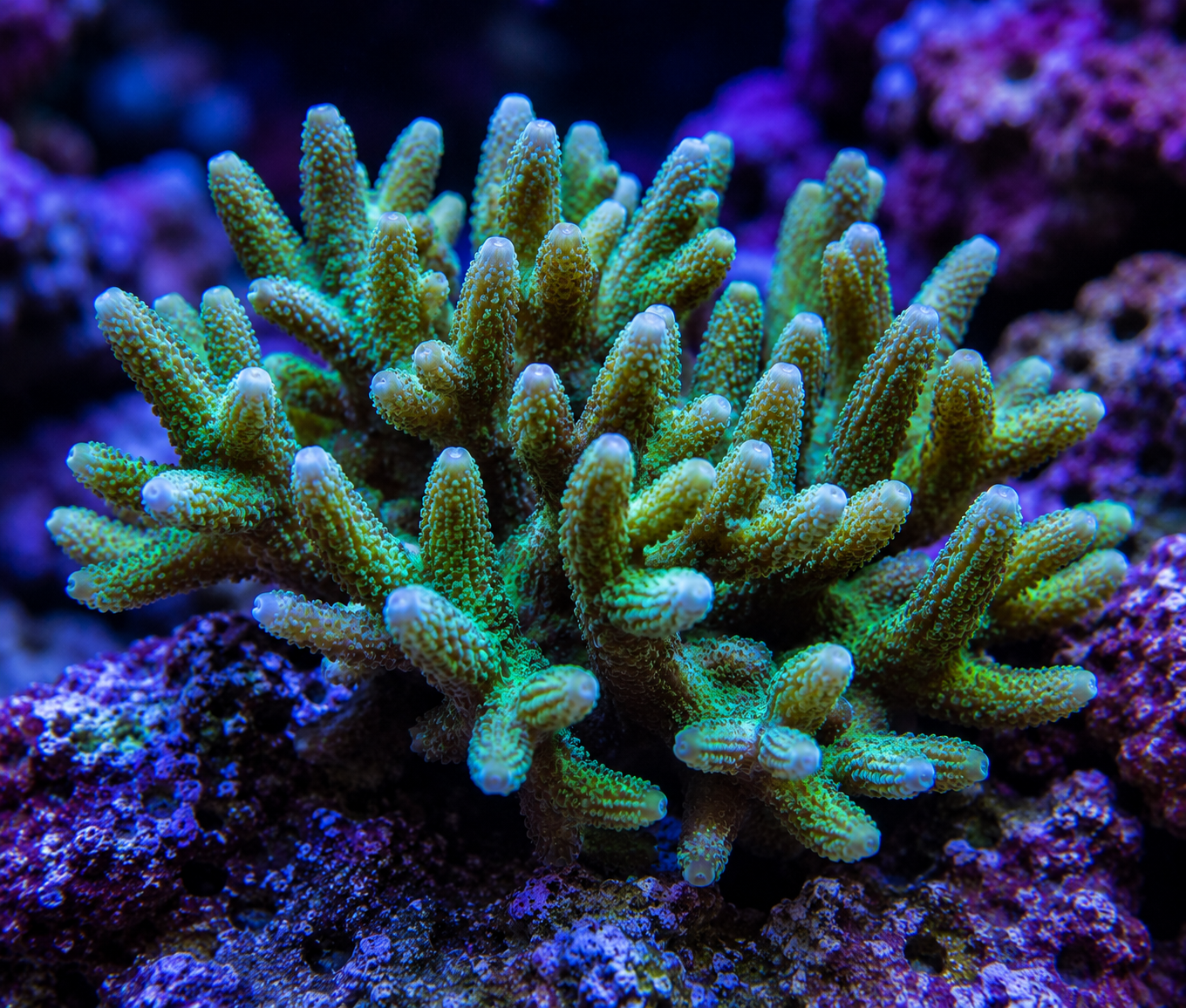
Montipora Digitata (Montipora digitata)
Montipora digitata is a beginner-friendly branching SPS coral that grows “finger” structures with stable reef chemistry, moderate–high light, and strong turbulent flow.
 ARTICLE
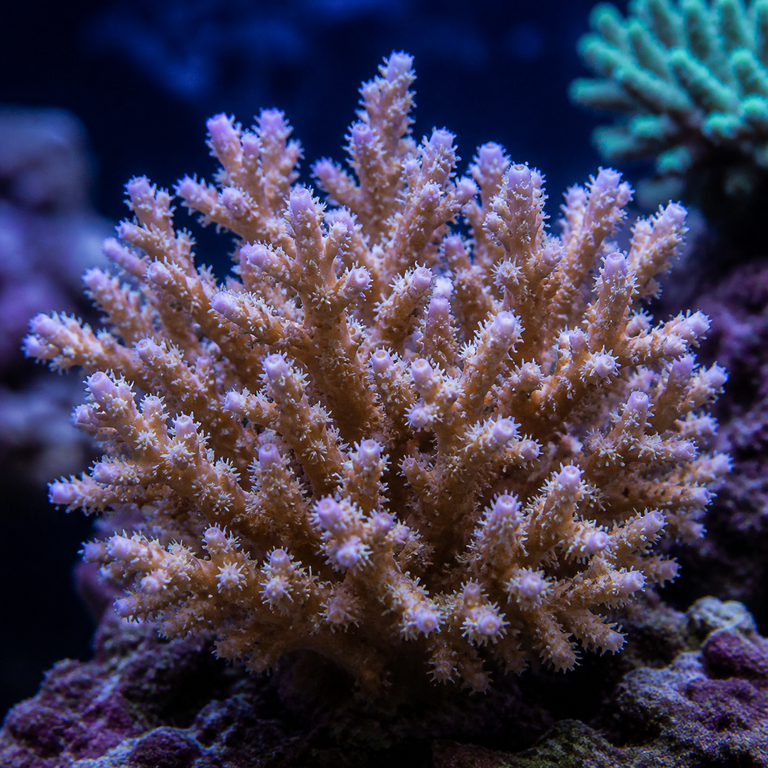
Birdsnest Coral
A popular branching SPS coral that forms a dense “nest” structure. Best in stable tanks with moderate-to-high light and strong, turbulent flow. More forgiving...
 ARTICLE
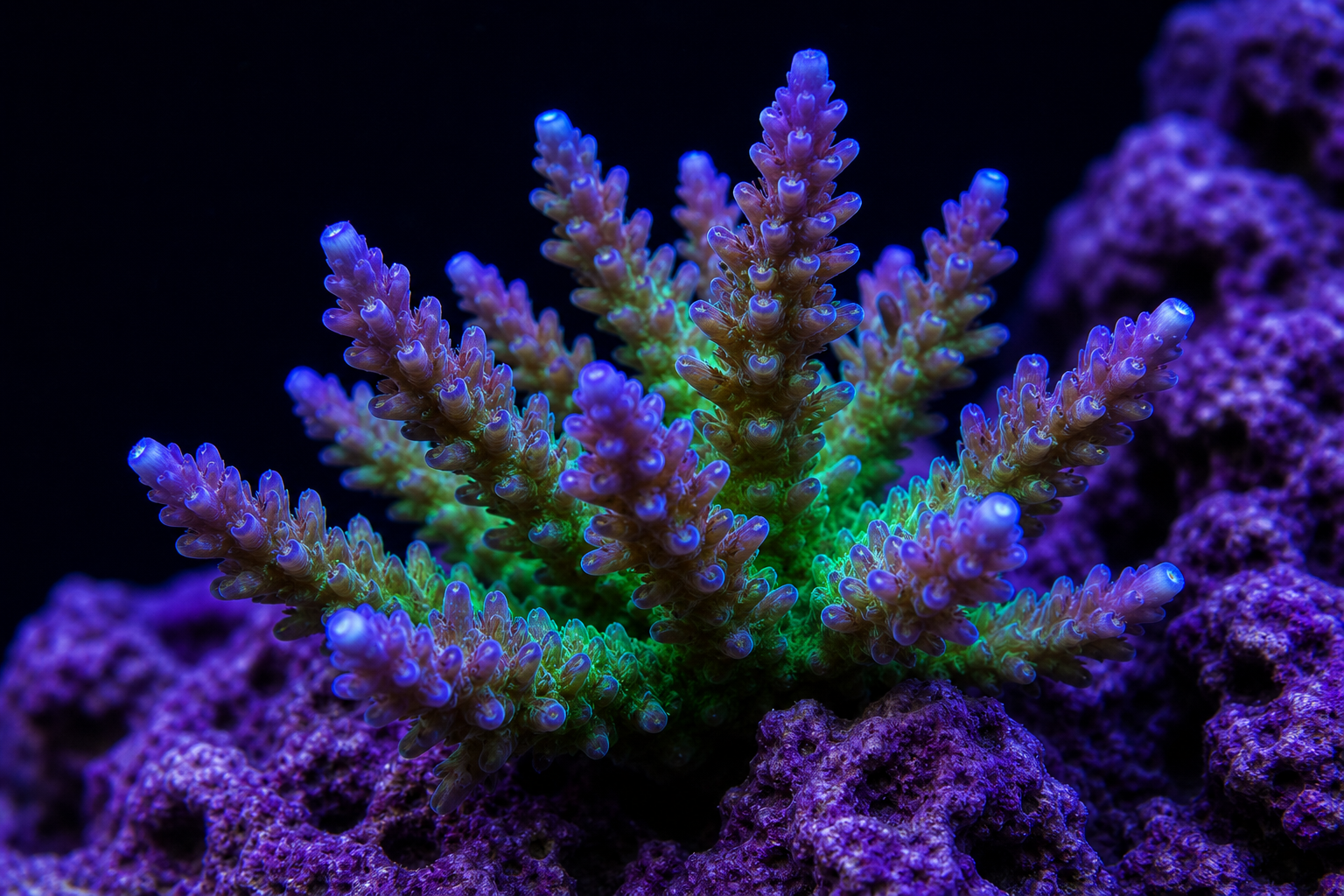
Acropora
The ultimate SPS challenge: fast-growing branches and plates that glow under strong light and flow.
 ARTICLE
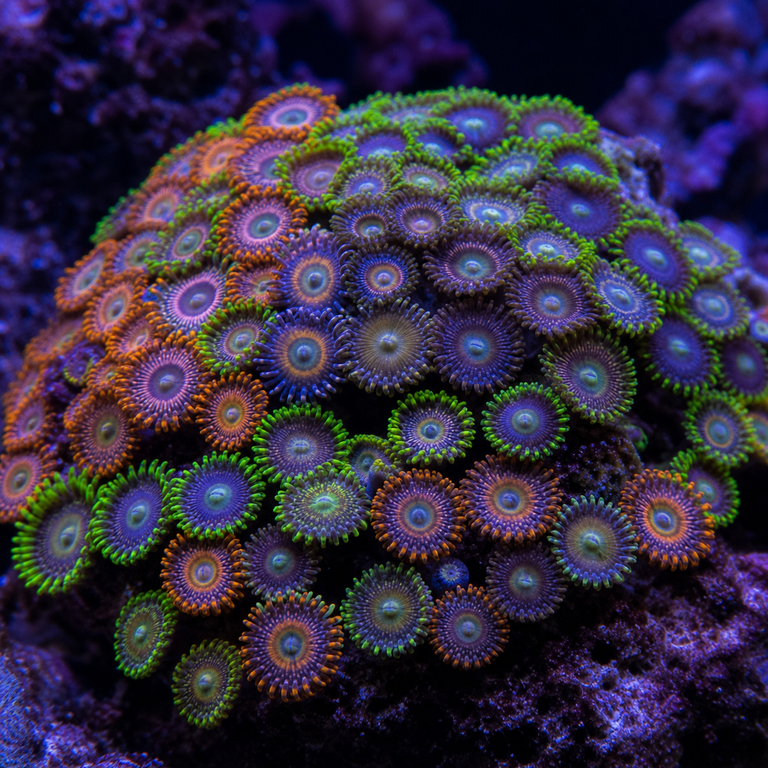
Zoanthids (Zoanthus spp.)
Zoanthids are colorful, beginner-friendly polyp corals that grow into colonies with stable conditions, low–moderate light, and moderate flow, but they can close up from...
 ARTICLE
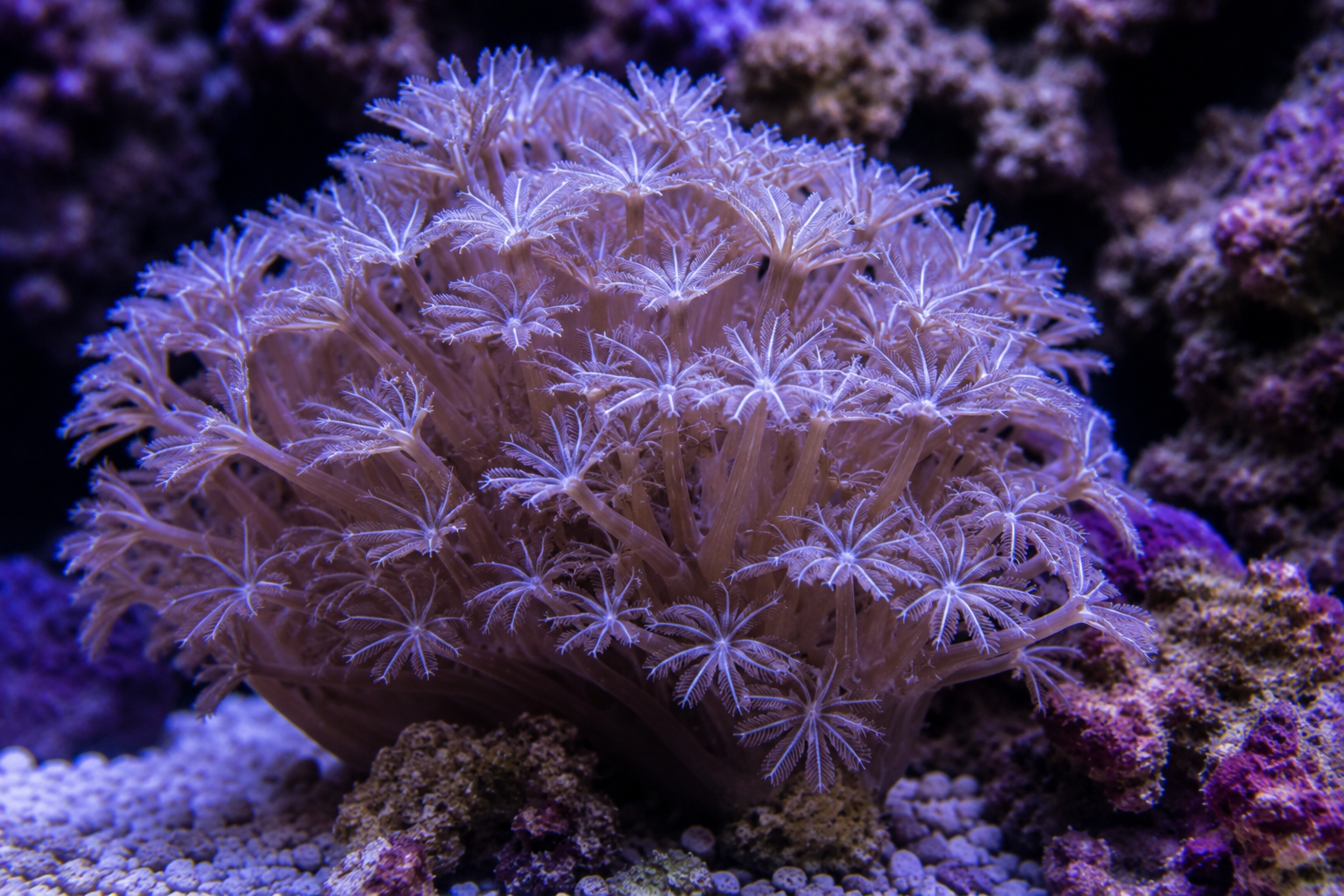
Pulsing Xenia
Pulsing xenia is a fast-growing soft coral famous for its rhythmic pulsing polyps, thriving in stable tanks with low–moderate light and gentle flow, but...
 ARTICLE
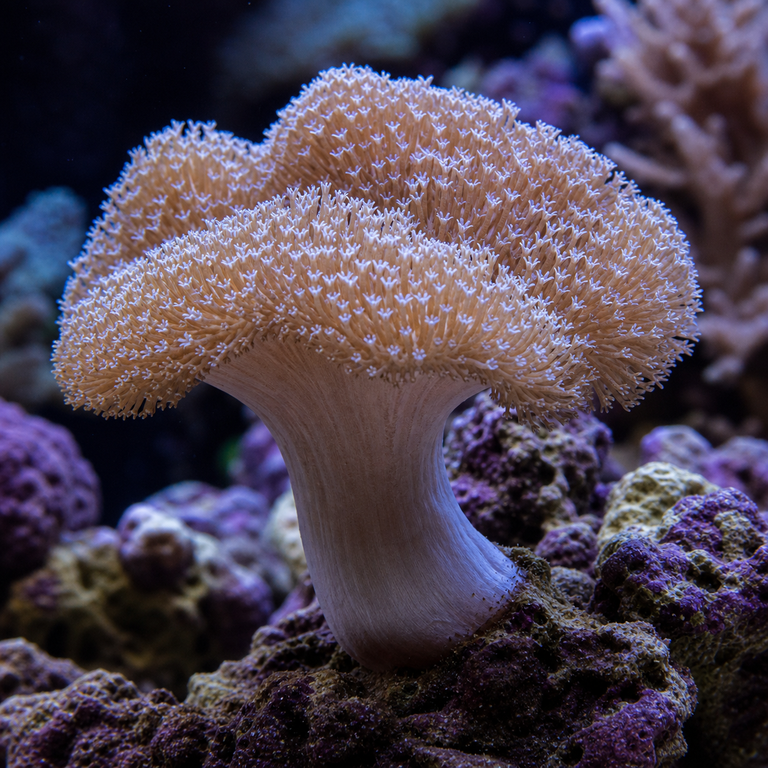
Toadstool Leather Coral
Toadstool leathers are hardy beginner soft corals that grow into a large “cap and stalk” centerpiece with waving polyps, thriving in stable tanks with...
 ARTICLE
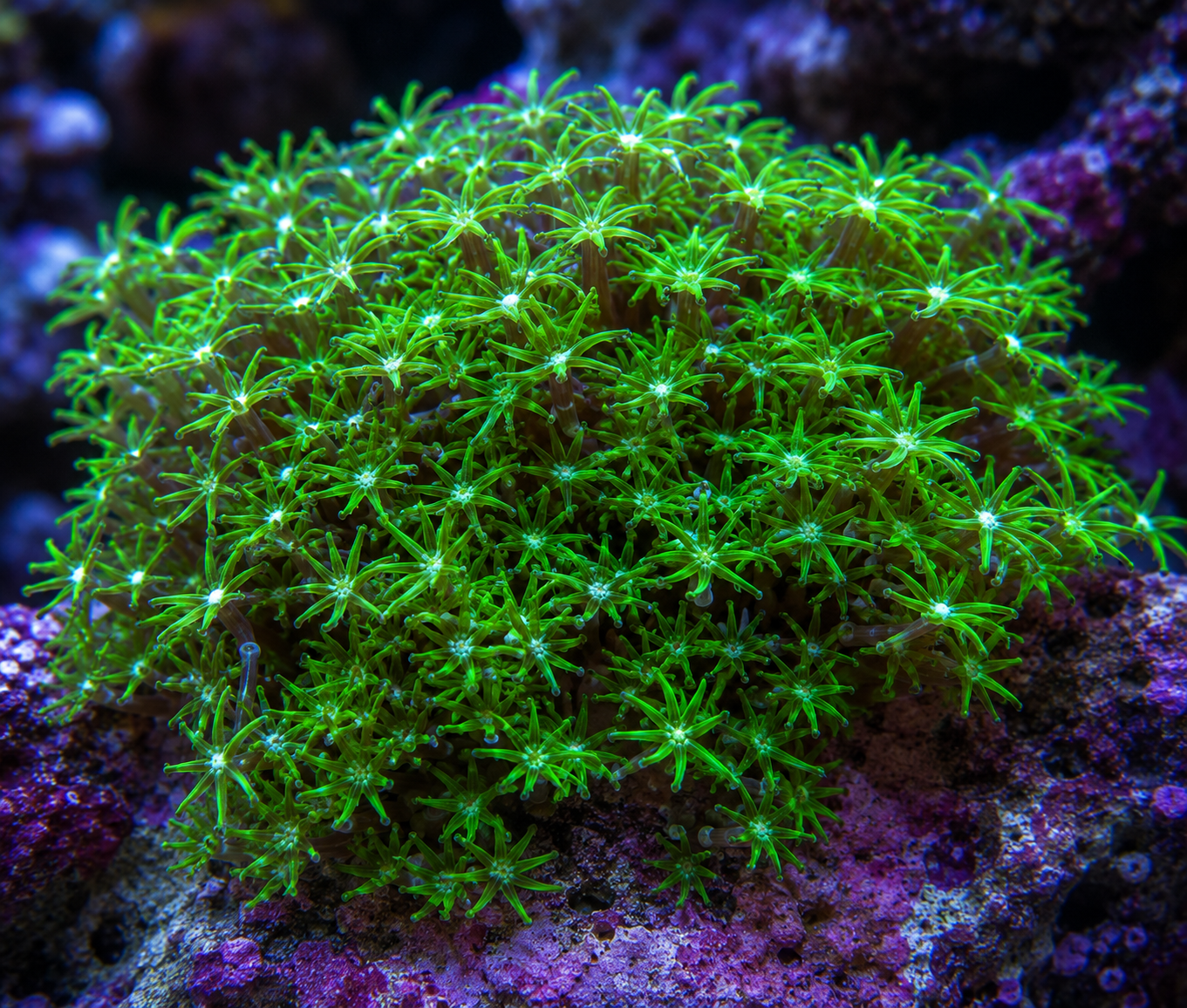
Palythoa (Palythoa spp.)
Palythoa are hardy, fast-growing polyp corals that form spreading mats in low–moderate light with moderate flow, but they can overtake rockwork if you don’t...
 ARTICLE
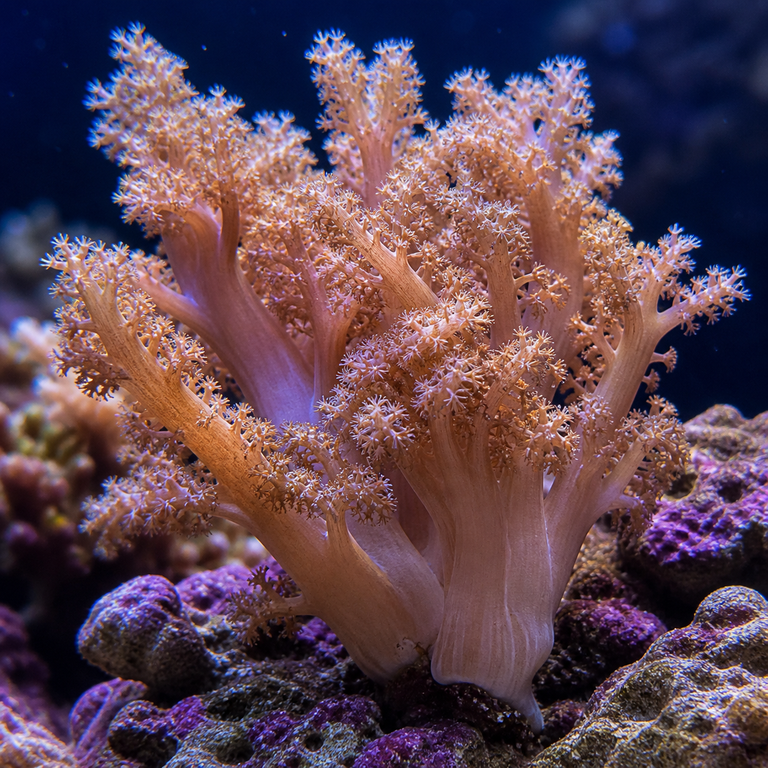
Kenya Tree Coral (Capnella spp.)
Kenya Tree is a hardy beginner soft coral that grows into a branching “tree” and thrives in stable tanks with low–moderate light and gentle...
 ARTICLE
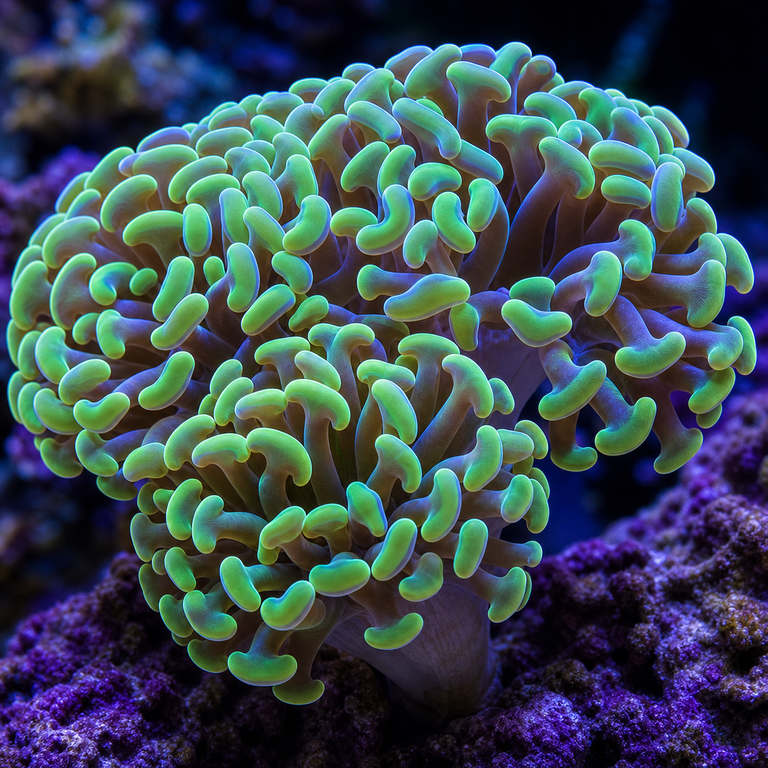
Hammer Coral (Euphyllia)
Hammer corals are classic, beginner-friendly LPS corals with swaying hammer-shaped tips that thrive in stable tanks with low–moderate light, gentle flow, and plenty of...
 ARTICLE
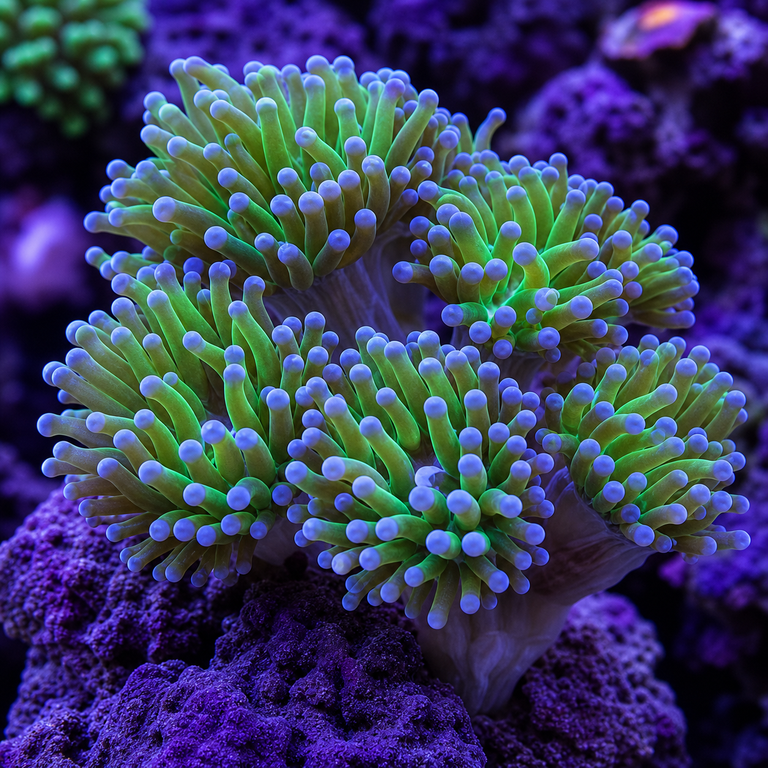
Frogspawn Coral (Euphyllia)
Frogspawn corals are popular, beginner-friendly LPS corals with flowing tentacles and “frog-egg” tips that do best in stable tanks with low–moderate light, gentle flow,...
 ARTICLE
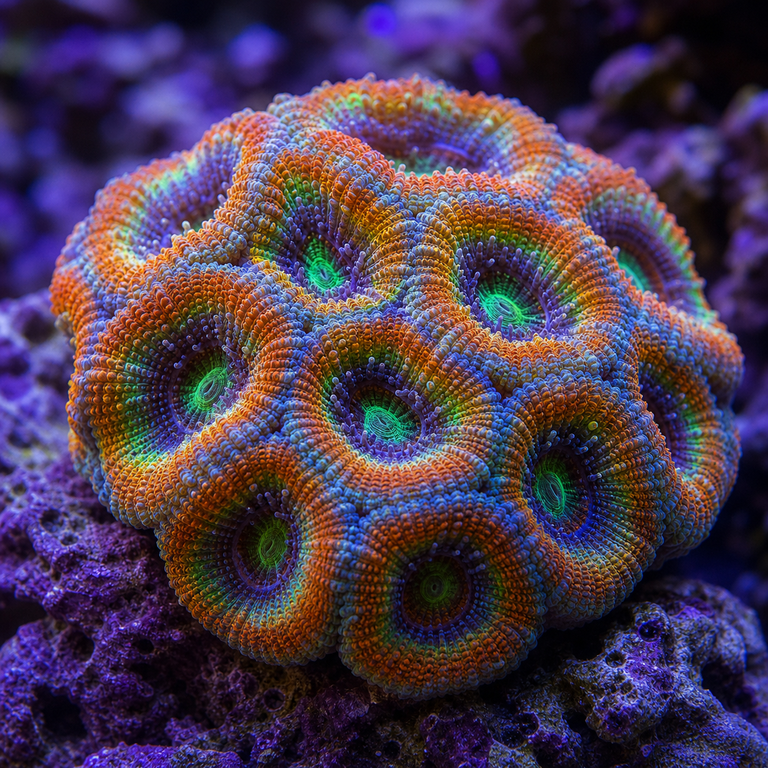
Acan Coral (Micromussa lordhowensis)
Acans are colorful, fleshy LPS corals that thrive in stable tanks with low–moderate light, gentle flow, and occasional target feeding for best growth and...
 ARTICLE
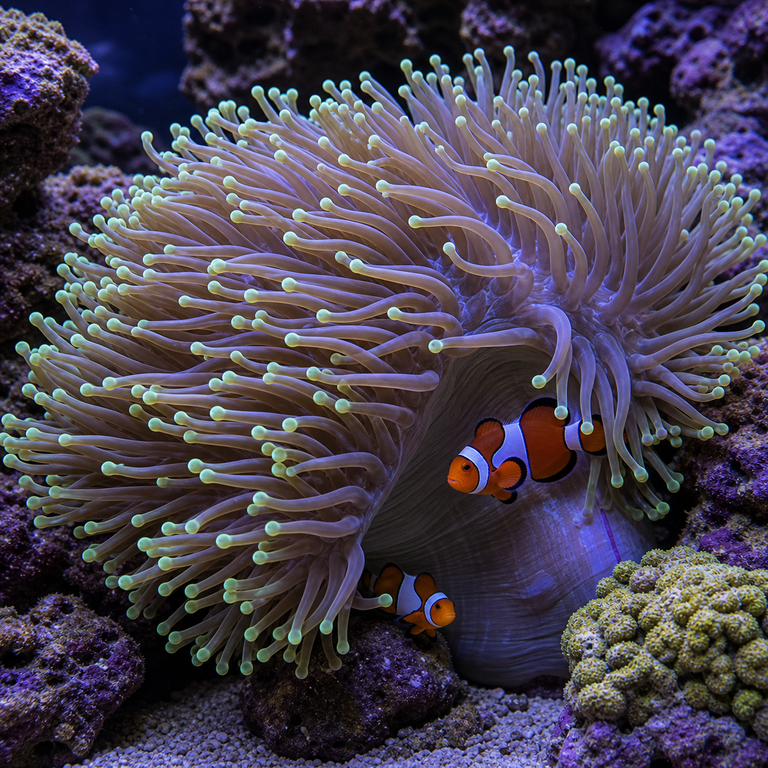
Magnificent Anemone (Magnifica / Ritteri)
Magnificent anemones (Magnifica/Ritteri) are iconic clownfish hosts but require a large, mature reef with high light, strong broad flow, and excellent oxygenation. They climb...
 ARTICLE
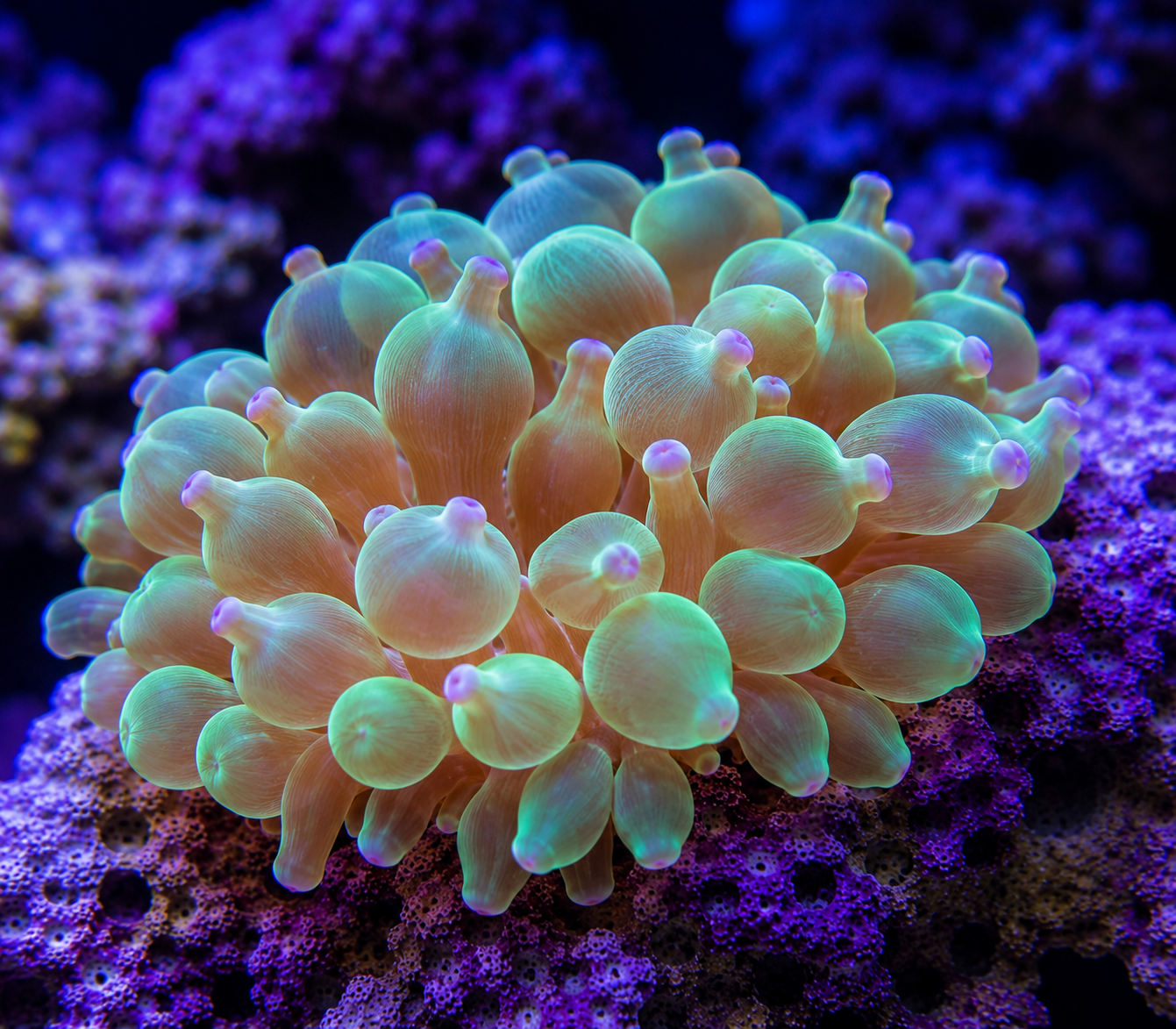
Long Tentacle Anemone (LTA)
Long Tentacle Anemones are classic sandbed anemones that thrive in stable, mature reefs with moderate–high light, gentle indirect flow, and a deep, secure place...
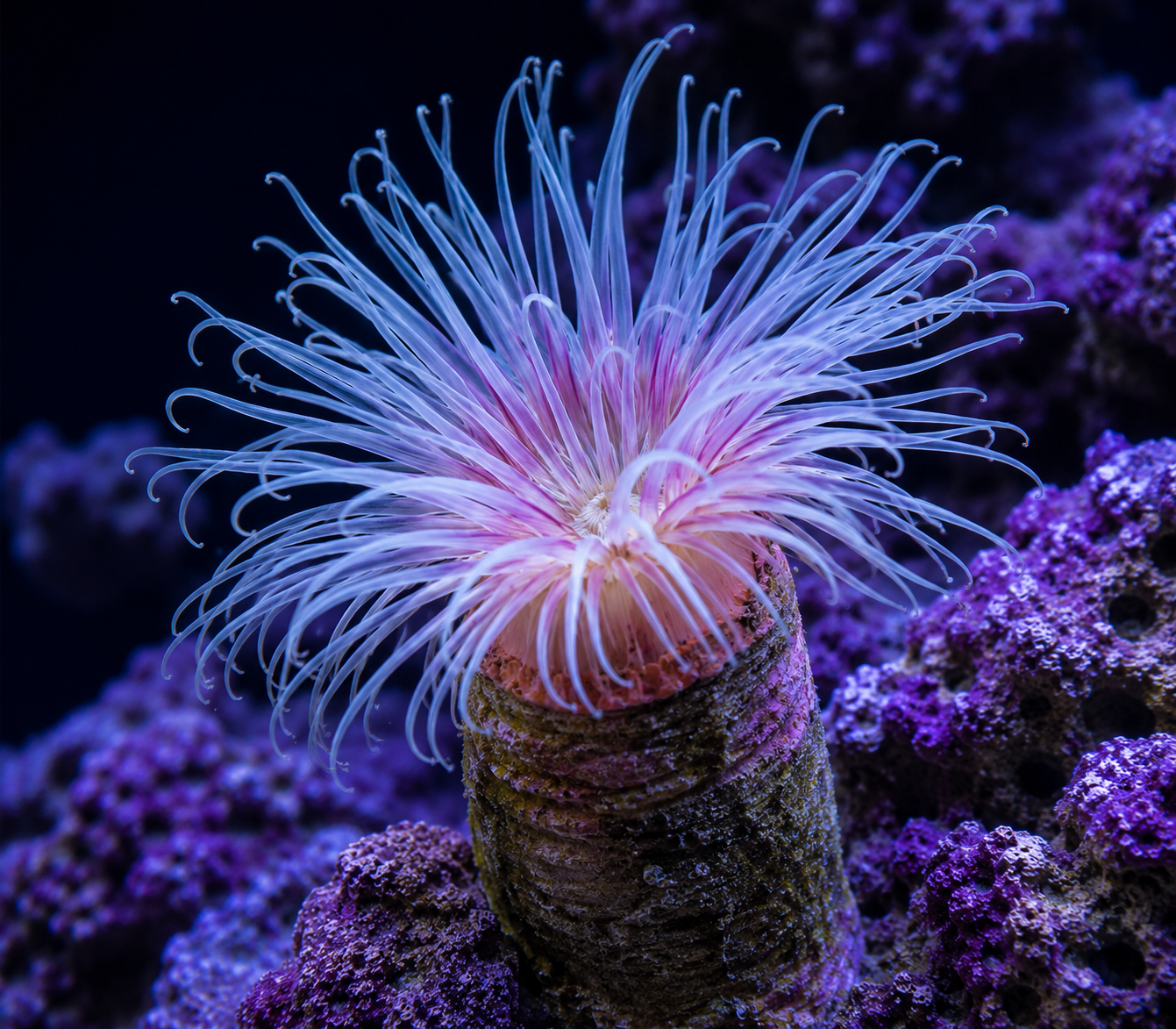 ARTICLE
Haitian Anemone (Condy)
Haitian Anemone (Condy) is a Condylactis anemone that needs a stable, mature tank with moderate–high light, gentle flow, and regular feeding. It can wander...
 ARTICLE
Bubble Coral (Plerogyra sinuosa)
Bubble corals are unique LPS corals with inflated “bubble” polyps that thrive in stable tanks with low–moderate light and gentle indirect flow, plus extra...
 ARTICLE
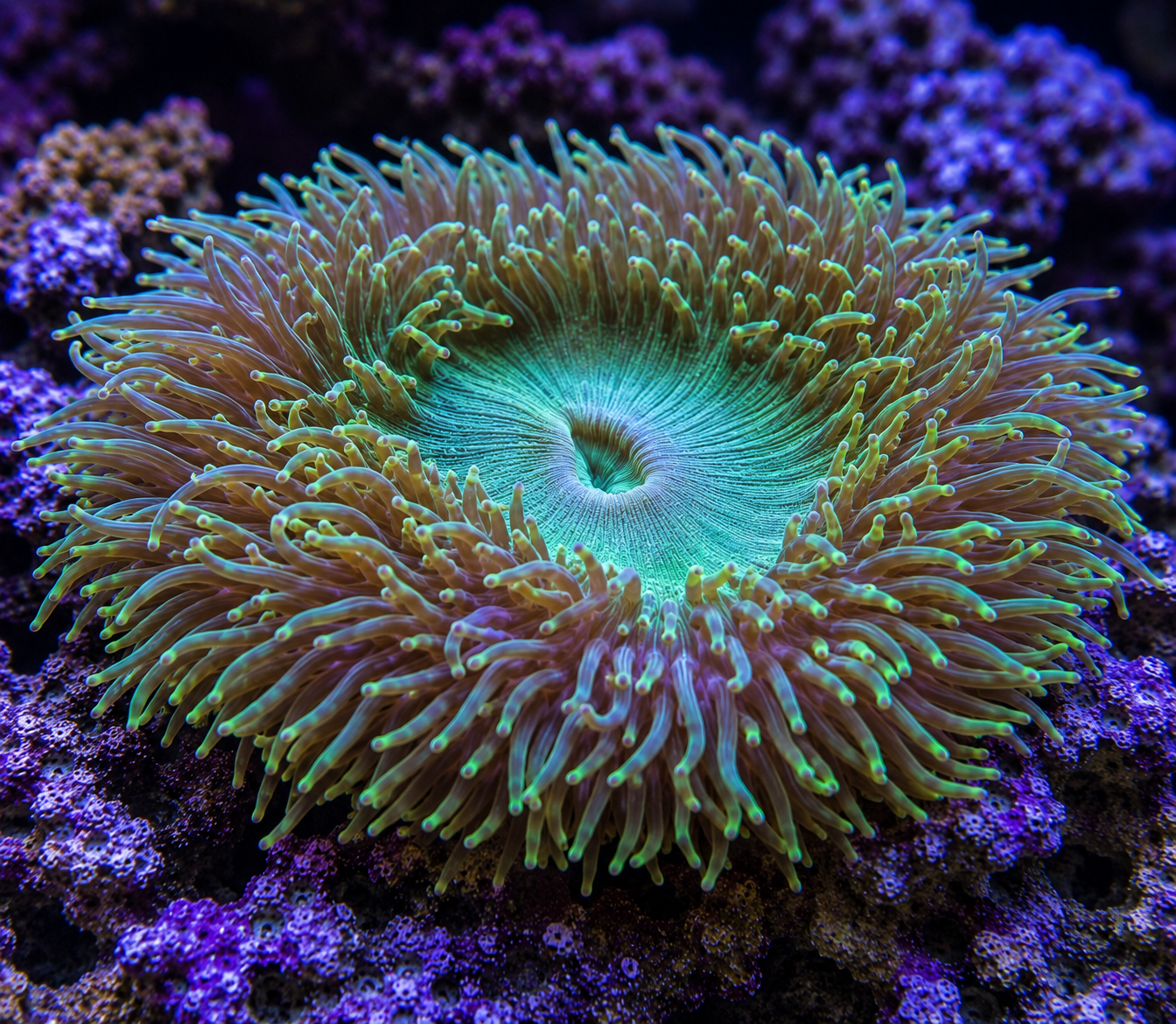
Ball Anemone
Ball anemones are hardy corallimorph hitchhikers that hide in shaded crevices and feed like tiny ambush predators. They can sting nearby corals and irritate...
ARTICLE
Acropora Red Bugs (Tegastes acroporanus)
Acropora red bugs are tiny parasitic copepods that irritate Acropora, causing reduced polyp extension, dull color, and slowed growth. They spread easily via new...
 ARTICLE
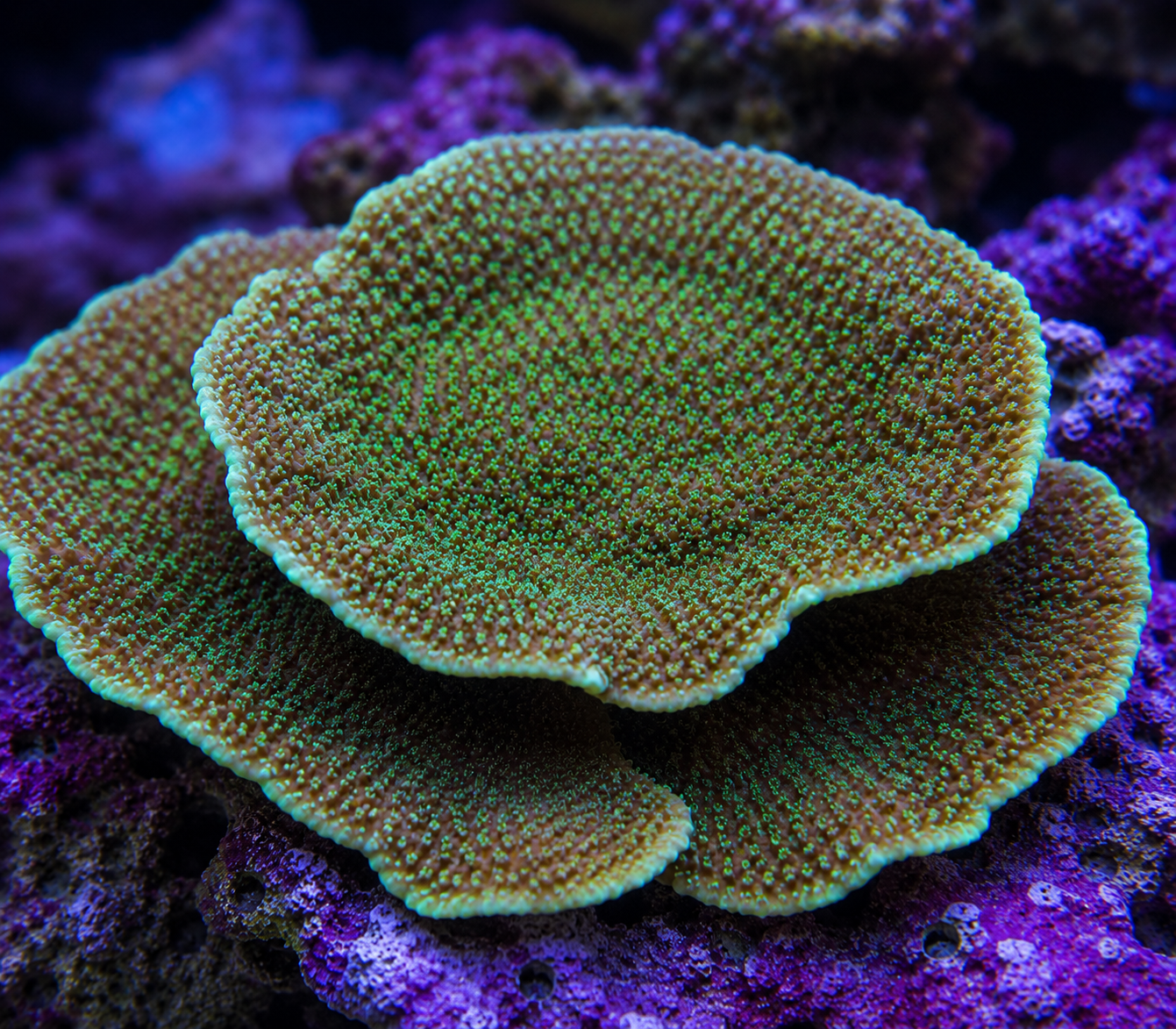
Montipora-Eating Nudibranch (Phestilla subodiosus)
Montipora-eating nudibranchs are tiny coral predators that chew Montipora tissue, causing “nibbled” edges and scraped white bite patches. They hide on undersides and lay...
ARTICLE
Acropora-Eating Flatworm
AEFW are Acropora-specific flatworms that eat coral tissue, causing bite marks, poor polyp extension, and slow SPS decline. They spread mainly through unvetted Acropora...
ARTICLE
Majano Anemone
Majano anemones are pest hitchhikers that can sting corals and spread quickly in reef tanks. Remove or control them early—once established, they’re difficult to...