[es]
Overview
The Tailspot Blenny is one of the best “small tank personality fish” you can keep in a reef aquarium. It’s tiny, expressive, and often surprisingly bold—peeking out from rockwork, perching in funny spots, and watching everything that happens in the tank. Many hobbyists love Tailspots because they add movement and character without the aggression or constant swimming of larger fish.
They’re also often picked because they may graze on film algae and microalgae, which can be a nice bonus in a reef tank. Just keep expectations realistic: a Tailspot can help, but it’s not an “algae solution” by itself. Think of it as a fun, reef-safe fish first—and a light grazer second.
Quick Care Snapshot
Reef Safe: Yes (with a small caveat)
Difficulty: Easy
Temperament: Peaceful to mildly territorial (mostly with similar fish)
Minimum Tank Size: 20 gallons (can work in smaller stable tanks)
Best Kept As: Single
Diet: Omnivore (grazes + eats prepared foods)
Water Conditions: Stable reef parameters
Special Note: Provide rockwork with holes/crevices for perching and hiding
Reef-safe caveat: Most Tailspots behave well, but any blenny can occasionally nip at very fleshy corals or clam mantles if underfed or bored. It’s uncommon, but worth knowing.
Natural Background
Tailspot Blennies come from shallow reef areas where they spend their time close to the rockwork—perching, grazing, and darting into holes when startled. That’s exactly how they act in an aquarium. They like having a “home crevice” and several nearby perches where they can watch the tank.
They’re not open-water swimmers. They’re more like little reef birds: hop, perch, nibble, observe, repeat.
Tank Requirements
Tank size & layout
• 20 gallons minimum is a comfortable starting point for long-term success.
• They can work in smaller tanks if stability is good, but they appreciate space and mature rockwork.
• Provide live rock or rockwork with lots of small holes and ledges—this fish thrives when it has places to perch and retreat.
Shelter and territory
• Tailspots usually pick a favorite hole and treat it like home base.
• In smaller tanks, avoid adding other blennies or similarly shaped fish that may compete for the same perches.
Flow & lighting
• Flow: Moderate. They do well with typical reef flow as long as there are calmer perching zones.
• Lighting: Not demanding for the fish. Lighting is more about your corals.
Tank maturity
A Tailspot will do best in a tank with some natural microalgae and biofilm to graze on. It doesn’t have to be an “old tank,” but brand-new sterile setups can make them more dependent on prepared foods right away.
Feeding
Tailspot Bennie’s are usually easy to feed, and they do best when you treat them like omnivores that also graze.
What to feed
A good routine includes:
• quality pellets (small size)
• frozen foods:
• mysis
• finely chopped marine blends
• plant-based options a few times per week:
• spirulina-based foods
• occasional dried seaweed/nori (if they’ll take it)
Grazing behavior
They’ll often pick at rocks and glass throughout the day. That’s normal and healthy.
How often
• Once daily is usually enough if the tank has natural grazing opportunities.
• Twice daily small feedings can help new fish settle and maintain weight.
Compatibility
Tailspot Blennies are generally peaceful and reef safe, and they fit well in community reefs.
Good tankmates
Usually compatible with:
• clownfish (most setups)
• gobies
• cardinalfish
• peaceful wrasses
• many other reef-safe community fish
Watch-outs
• Other blennies: In smaller tanks, blennies may fight over perches and holes.
• Very aggressive or territorial fish: can stress them and keep them hiding.
• Clams and fleshy corals: rare nipping can happen if the blenny is hungry or the tank lacks grazing. If you see repeated nipping, you’ll need to adjust feeding or reconsider the fish.
Reef compatibility
They don’t bother corals intentionally in most tanks. They’re a popular choice for reef systems for a reason.
Common Mistakes
1) Buying one to “fix algae”
A Tailspot can graze, but it’s not a cleanup machine. Algae issues are usually about nutrients, lighting, and maintenance. Choose this fish for its personality, not as a solution.
2) Not providing enough rockwork holes
Without safe perches and hiding spots, Tailspots can become shy or stressed. They want “real estate.”
3) Mixing it with other blennies in a small tank
In tight spaces, you can get constant squabbles. If you want multiple blenny-type fish, plan for a larger tank and lots of rockwork territory.
4) Underfeeding in a “too clean” tank
In a very new or sterile tank, there may not be much natural grazing. Make sure it gets enough prepared food early on.
5) Ignoring signs of stress or weight loss
A healthy Tailspot has a fuller body and is alert, perching and watching. If it looks pinched, hides constantly, or never comes out to eat, something is off (tankmates, stress, or feeding).
Notes & Variations
Common names
- Tailspot Blenny
Scientific name
- Ecsenius stigmatura
Behavior notes
• Tailspots have huge personality for their size.
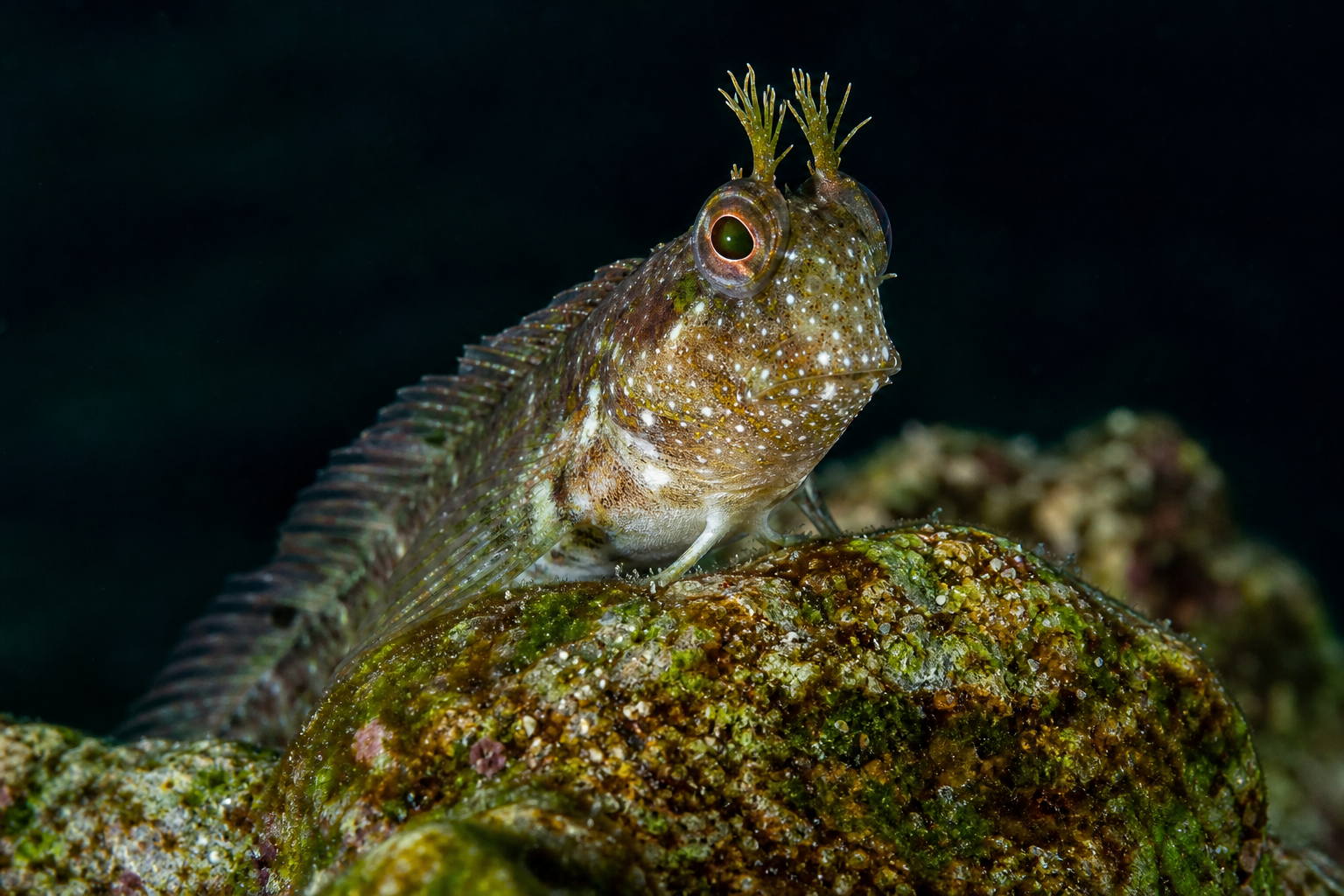
• They often “pose” on rocks and watch you.
• They may wedge into tiny holes to sleep—this is normal.
Visual notes
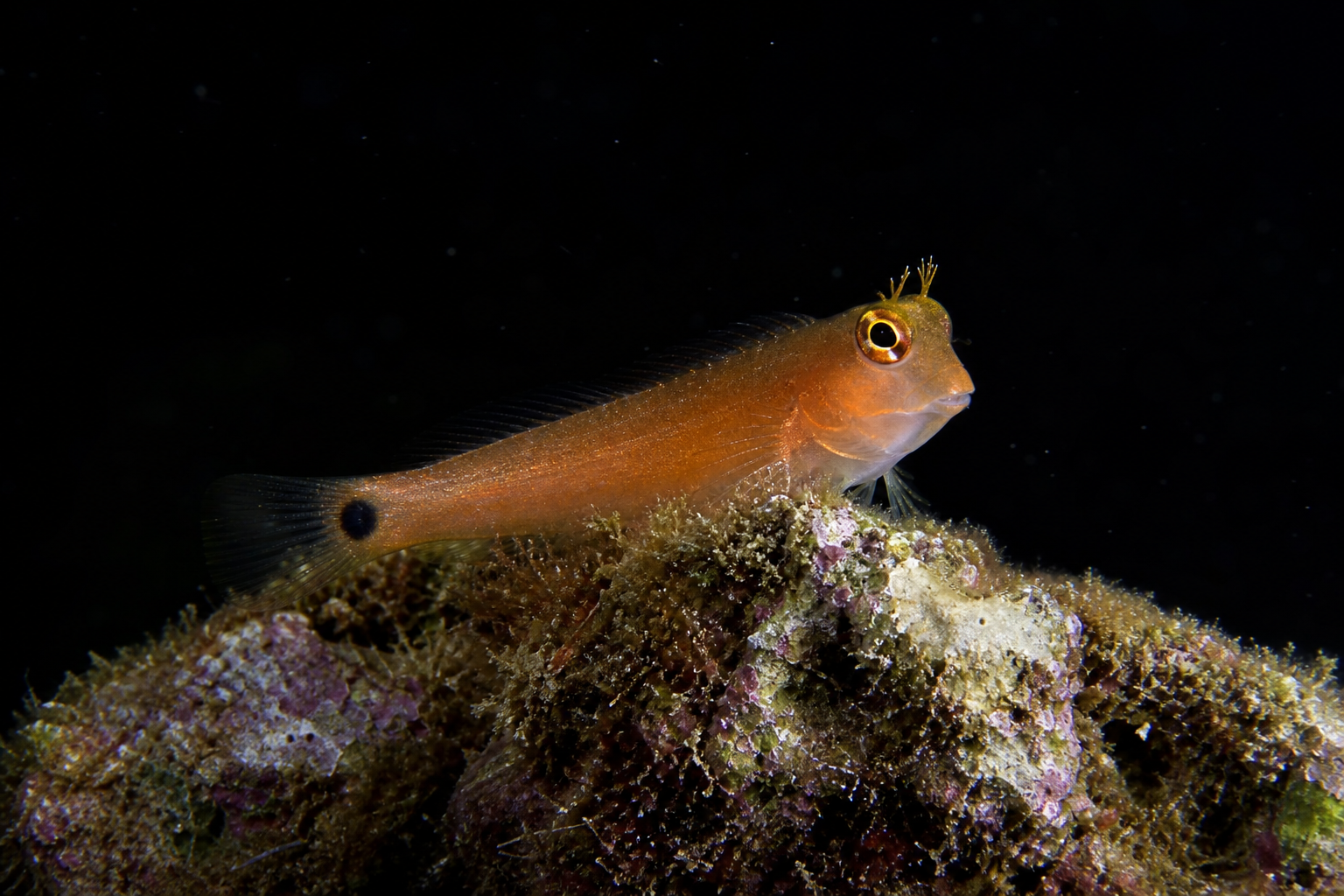
The “tailspot” marking near the tail is one of their signature features. Color and intensity can vary based on lighting and mood, but they’re generally subtle and attractive rather than flashy.
Final Thoughts
If you want a small reef fish with a big personality, the Tailspot Blenny is hard to beat. It’s peaceful, reef friendly, fun to watch, and usually very easy to care for. Give it rockwork with perches and holes, feed it like the omnivore it is, and don’t expect it to solve your algae problems by itself. Do that, and it becomes one of those fish you’ll notice and enjoy every single day.