Que buscas hoy?
Discovery stream
 ARTICLE
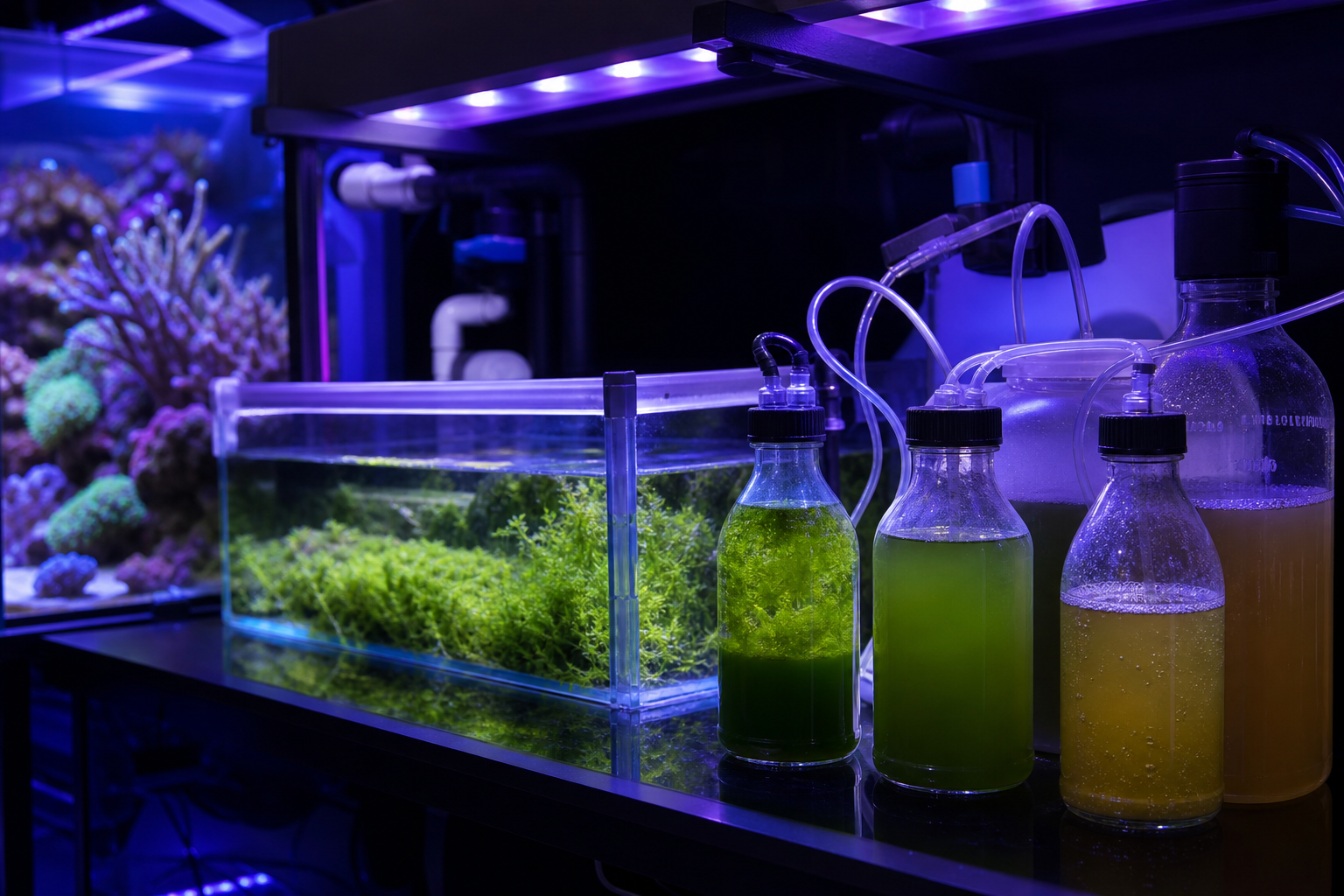
Live Food Culturing
Live Food Culturing Overview This is the canonical Reefapedia landing article for Live Food Culturing in the livestock taxonomy. Taxonomy Context Category path: livestock/algae/pods-and-phyto/live-food-culturing....
 ARTICLE
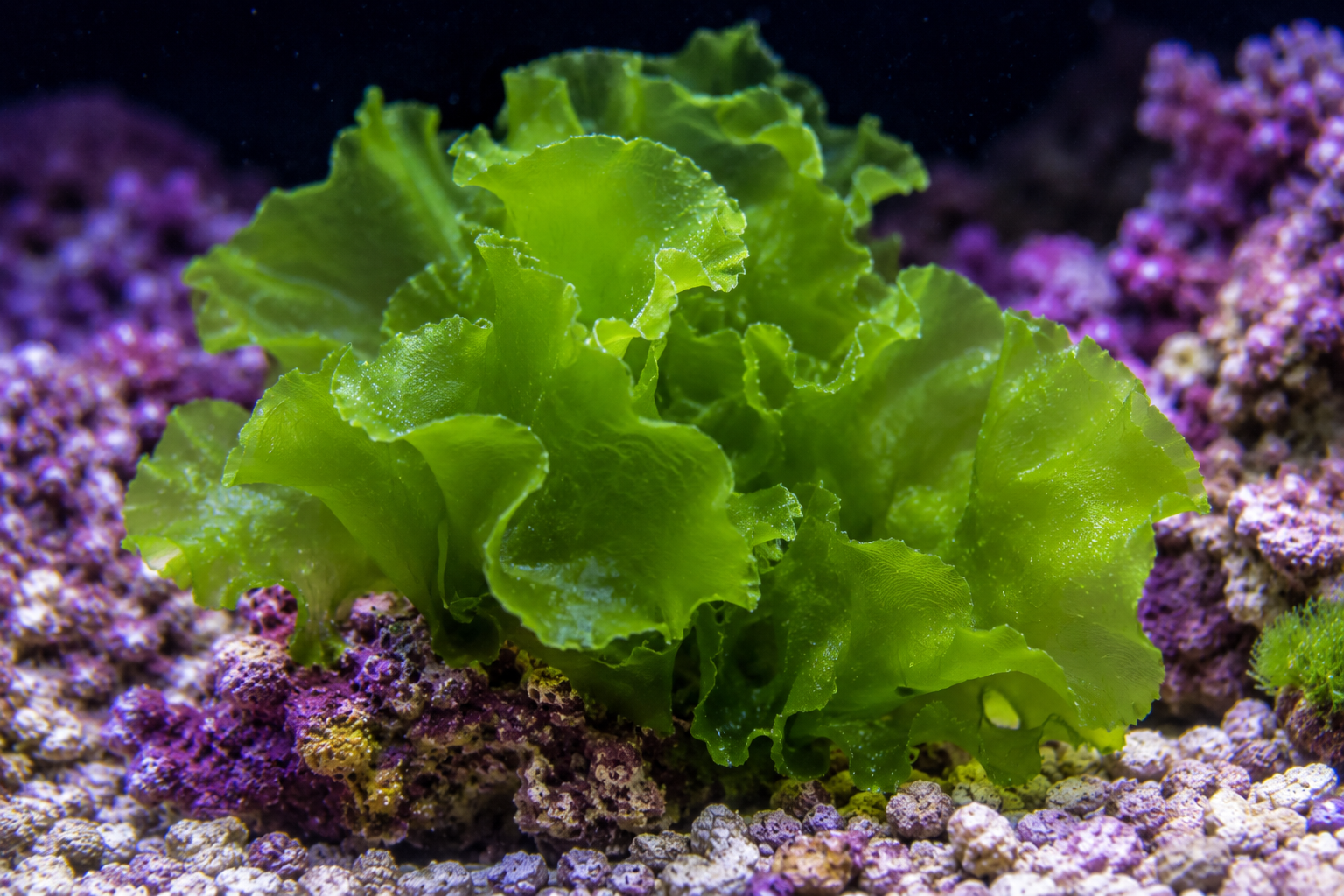
Ulva (Sea Lettuce)
Ulva (Sea Lettuce) is a fast-growing macroalgae used primarily for nutrient export and food web support. It thrives with moderate–high light, moderate flow, and...
 ARTICLE
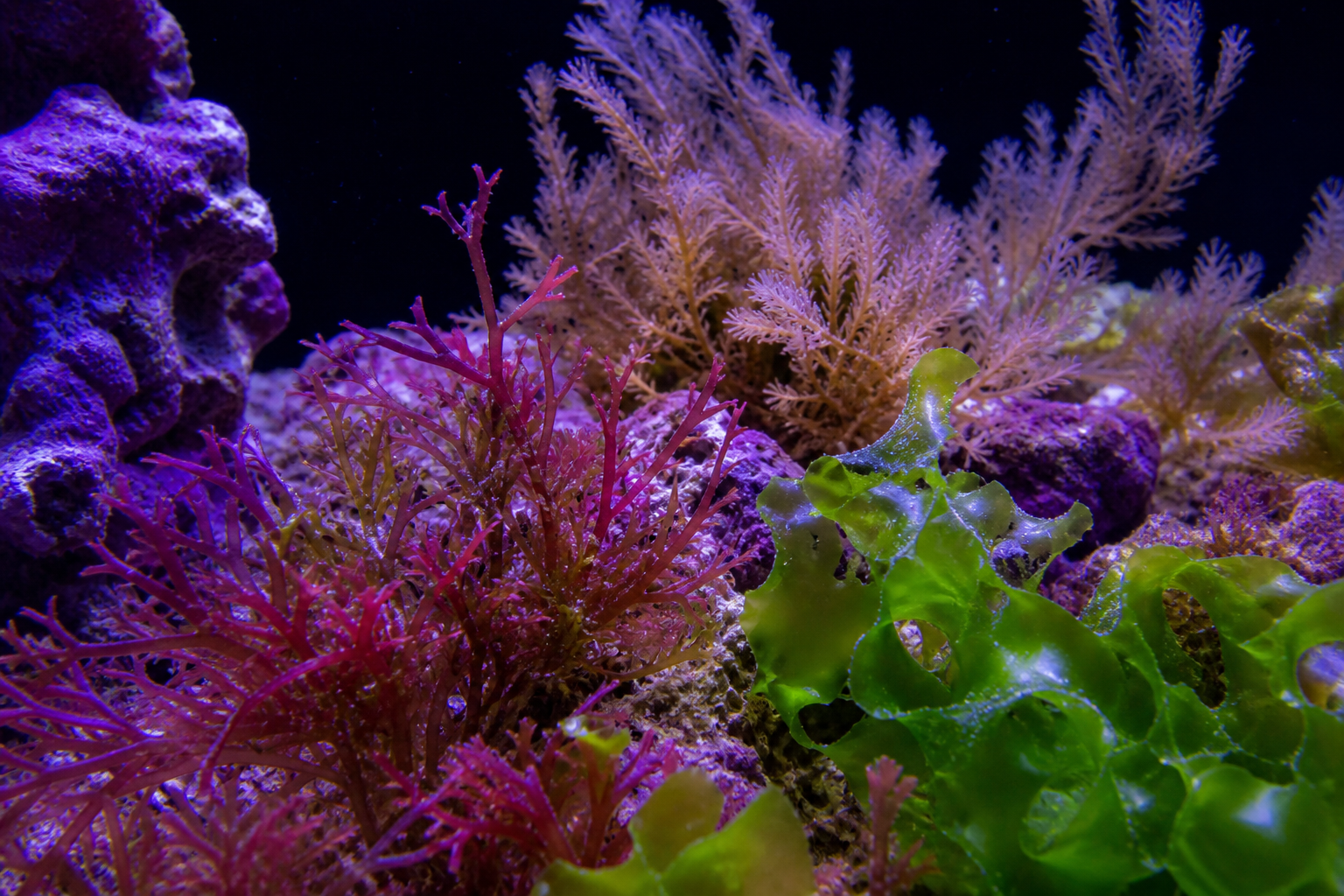
Other Macroalgae
Other Macroalgae Overview This is the canonical Reefapedia landing article for Other Macroalgae in the livestock taxonomy. Taxonomy Context Category path: livestock/algae/macro-algae/other-macroalgae. Breadcrumb: Livestock...
 ARTICLE
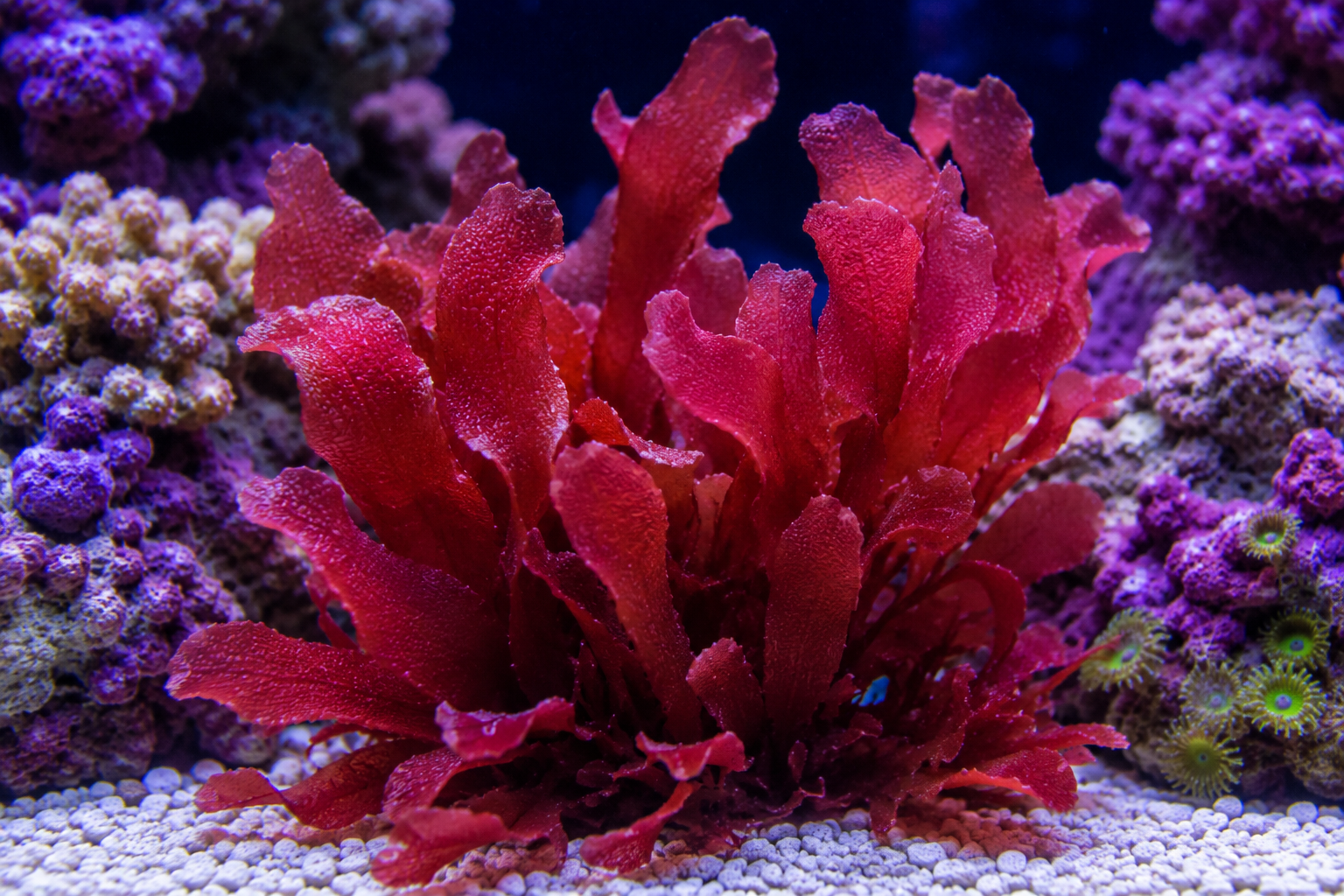
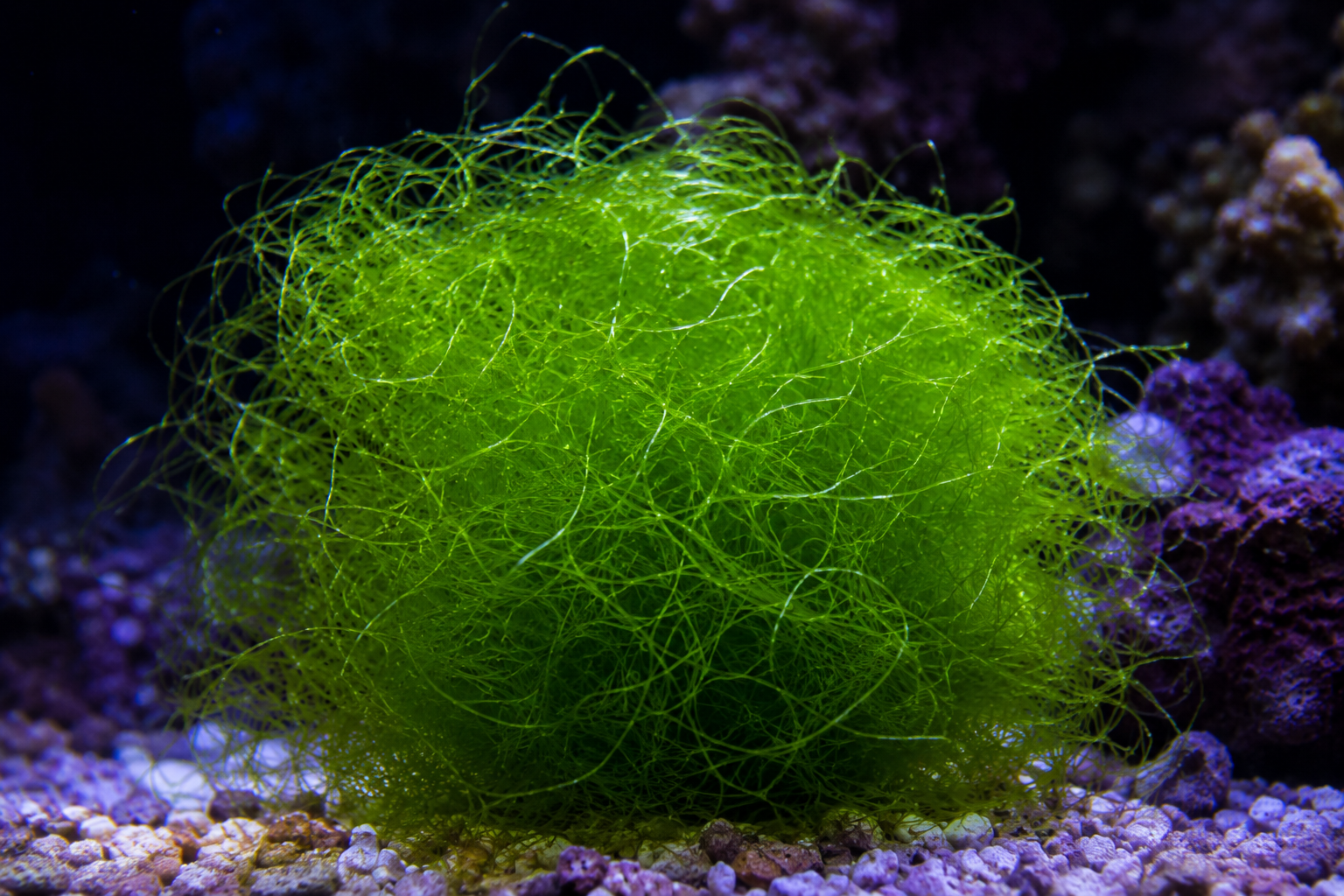
Dragon’s Tongue (Halymenia)
Dragon’s Tongue (Halymenia) is a display-friendly macroalgae that offers light nutrient export without aggressive growth. It does best in stable systems with moderate–high light,...
 ARTICLE
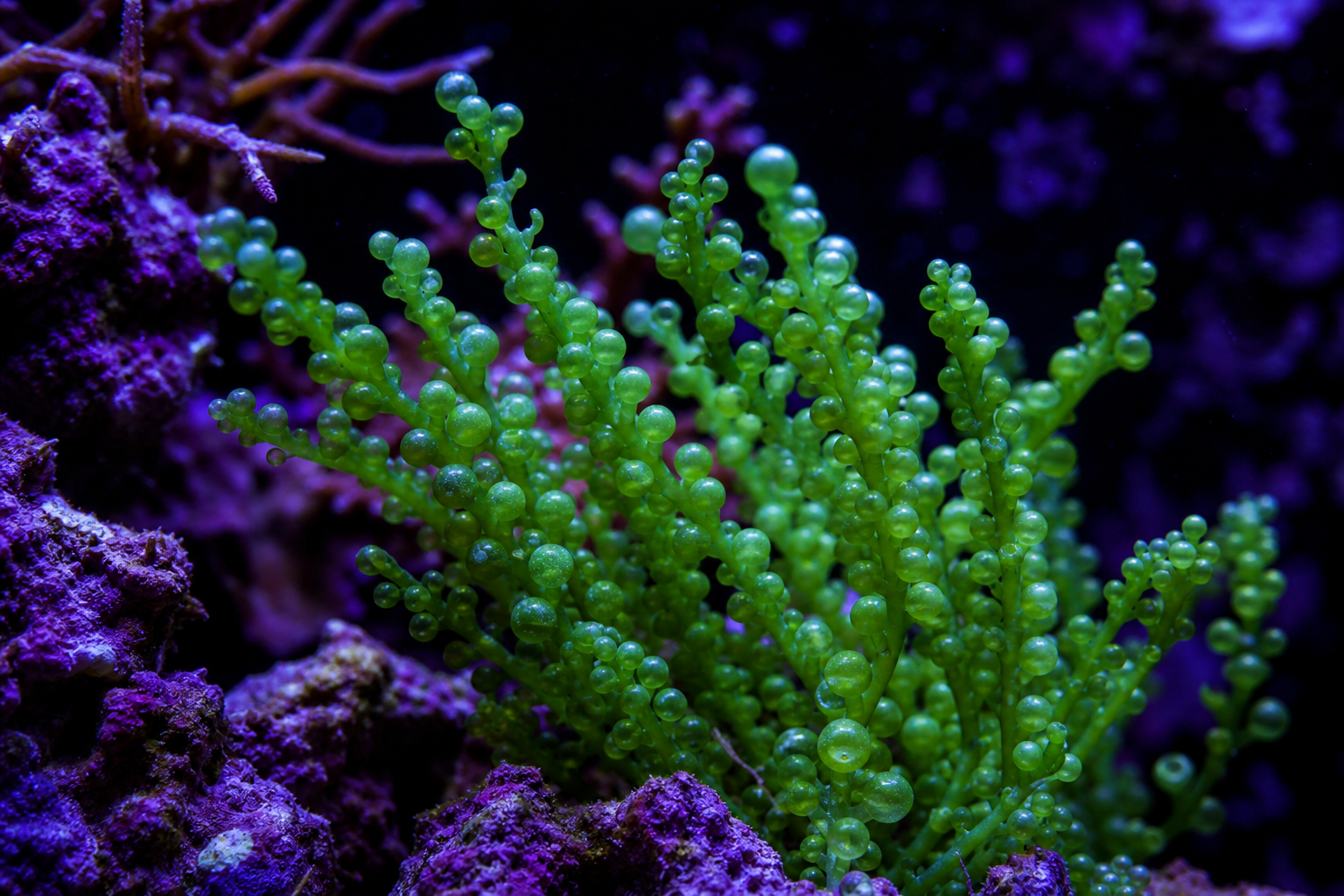
Chaeto (Chaetomorpha)
Chaeto (Chaetomorpha) is a utility macroalgae used almost exclusively for nutrient export and pod habitat in refugiums. It needs strong, consistent light, good flow,...
 ARTICLE
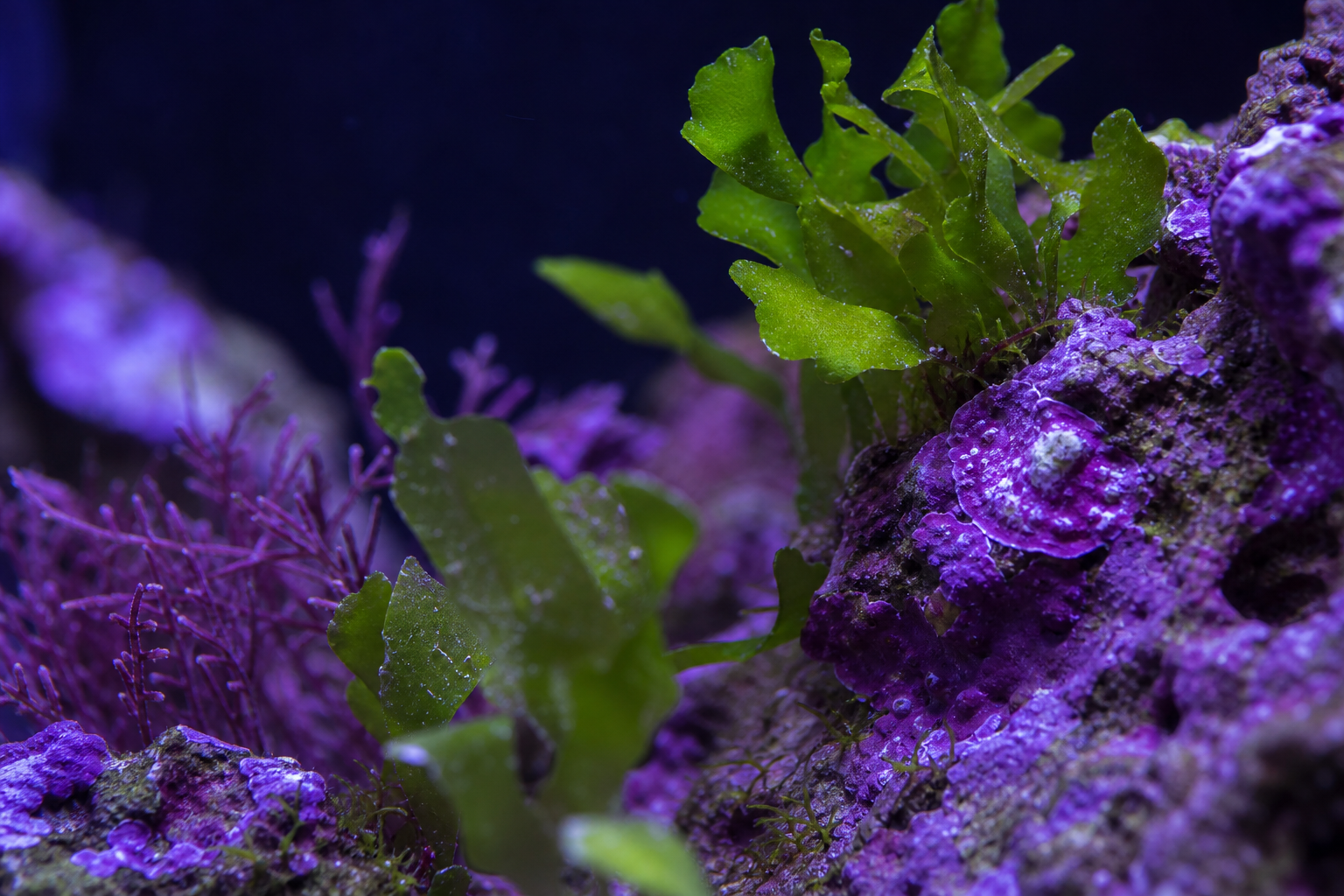
Caulerpa
Fast-growing macroalgae with grape-like fronds — popular in refugiums, but runners and fragments can escape and overrun display rockwork if not contained early.
 ARTICLE
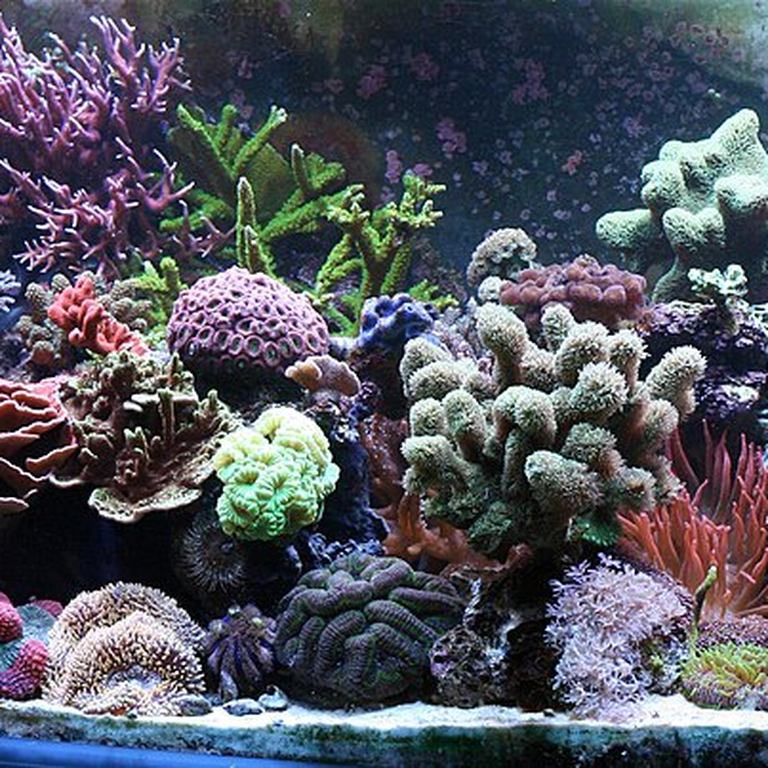
Coralline Algae
Purple-pink crust on rock and glass—nature’s seal of stability and a gorgeous backdrop.
 ARTICLE
Bubble Coral (Plerogyra sinuosa)
Bubble corals are unique LPS corals with inflated “bubble” polyps that thrive in stable tanks with low–moderate light and gentle indirect flow, plus extra...
 ARTICLE
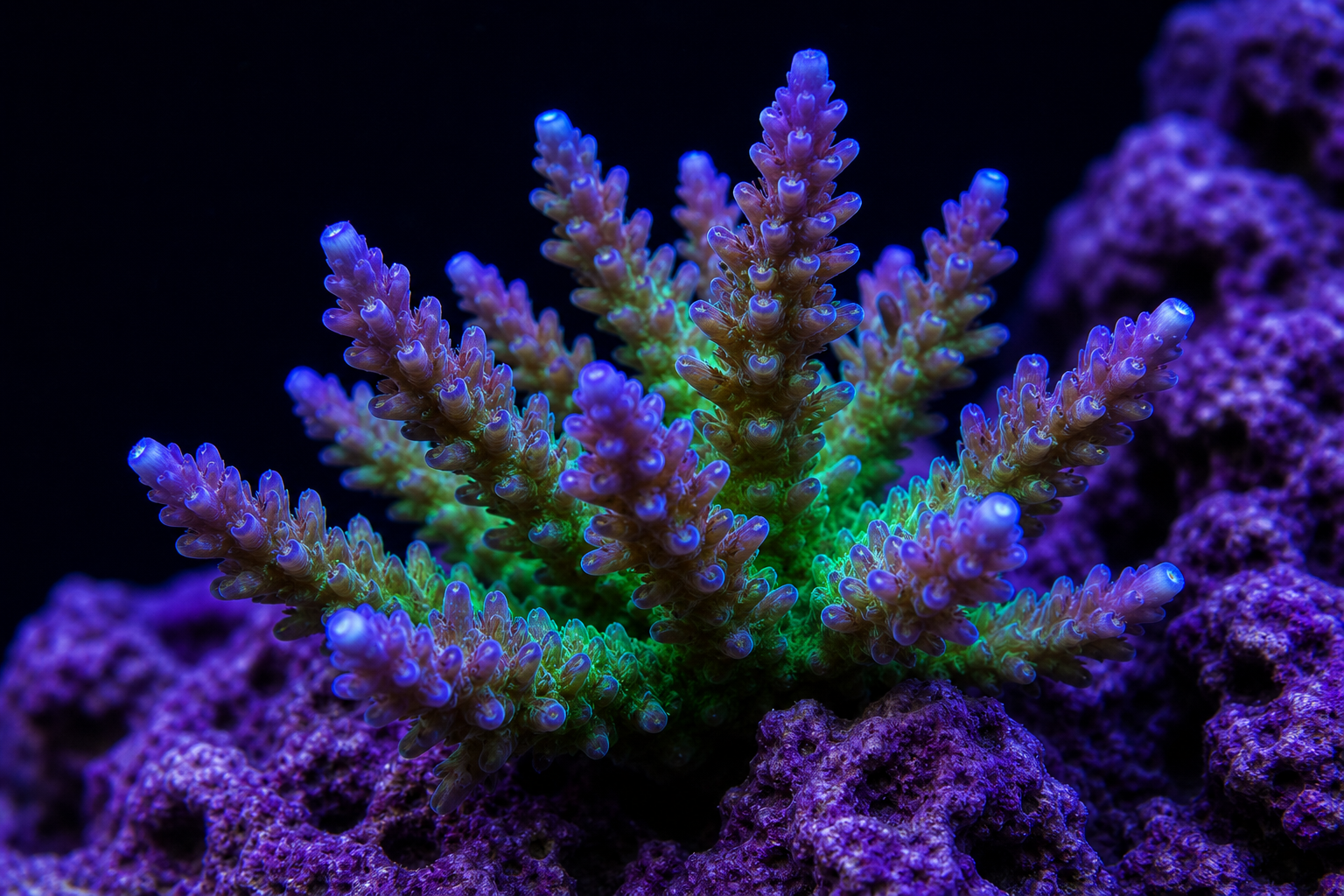
Acropora Red Bugs (Tegastes acroporanus)
Acropora red bugs are tiny parasitic copepods that reduce polyp extension and slow SPS growth, usually spreading through new Acropora frags.
 ARTICLE
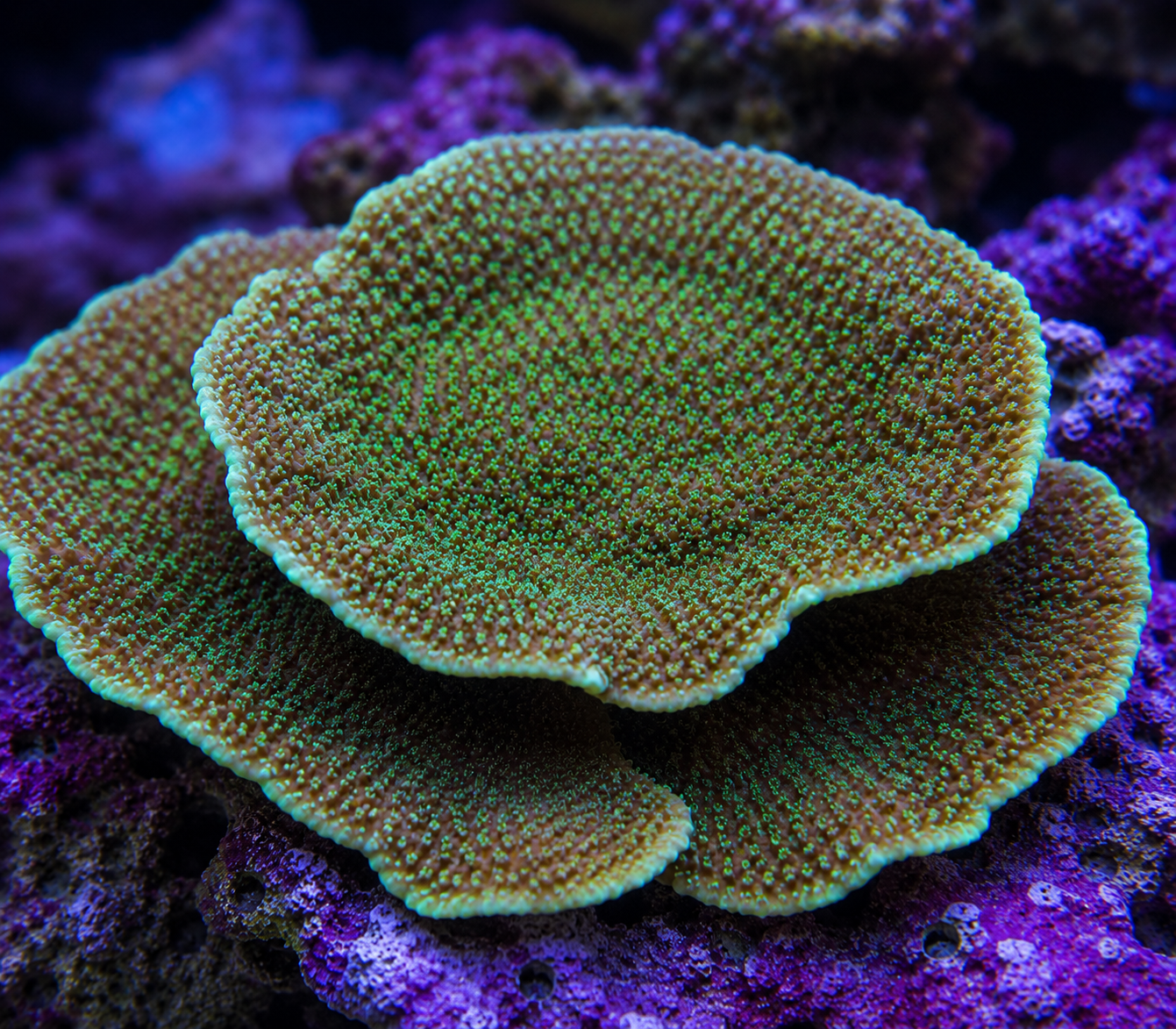
Montipora-Eating Nudibranch (Phestilla subodiosus)
Montipora-eating nudibranchs are camouflaged coral predators that chew Montis and lay eggs, causing “nibbled” edges and slow tissue loss.
 ARTICLE
Waminoa Coral Flatworms (Waminoa spp.)
Waminoa are small flatworms that sit on coral tissue and can cause chronic irritation and shading, especially when populations build up.
ARTICLE
Acropora-Eating Flatworm (AEFW) (Amakusaplana acroporae)
AEFW are Acropora-specific coral predators that cause bite marks, poor polyp extension, and slow SPS decline, with eggs that make them hard to eliminate.
ARTICLE
Coral-Boring Spionid Worms (Spionidae spp.)
Spionid worms can live in coral skeleton and irritate tissue with paired feeding filaments, sometimes causing localized recession.
ARTICLE
Vermetid Snails (Vermetidae spp.)
Vermetid snails are tube-dwelling pests that spread on rock and frag plugs and irritate corals with sticky mucus webs.
ARTICLE
Vibriosis (Vibrio spp.)
Vibriosis is a bacterial disease that can cause rapid redness, ulcers, fin rot, and systemic decline in saltwater fish, and early isolation plus clean,...
 ARTICLE
Black Ich (Paravortex spp.)
Black ich is a turbellarian parasite that shows up as pepper-like black dots on fish (often tangs) along with scratching and irritation, and it’s...
ARTICLE
Uronema (Uronema marinum)
Uronema is an opportunistic protozoan that can cause rapid tissue damage and red sores, especially in stressed fish like chromis, and it can spiral...
ARTICLE
Brooklynellosis (Brooklynella hostilis)
Brooklynella is a common clownfish-associated parasite that causes heavy mucus, rapid breathing, and fast decline. It’s often mistaken for shipping stress until the fish...
ARTICLE
Marine Velvet (Amyloodinium ocellatum)
Marine velvet is a fast-killing parasite that attacks gills and skin, often showing up as rapid breathing, hiding, and a faint “dusty” coating. Early...
 ARTICLE
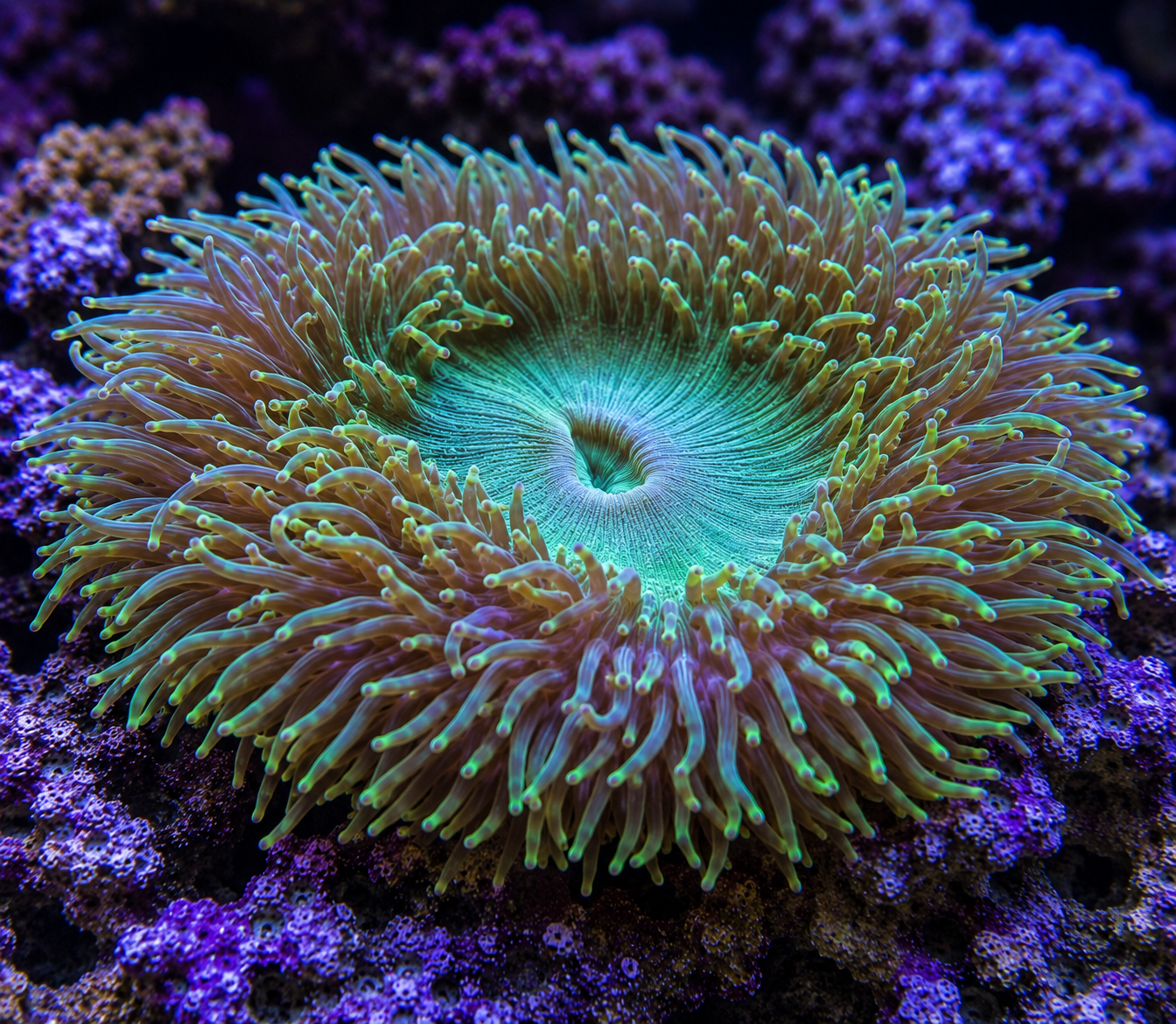
Ball Anemone
Ball anemones are hardy corallimorph hitchhikers that hide in shaded crevices and feed like tiny ambush predators. They can sting nearby corals and irritate...
 ARTICLE
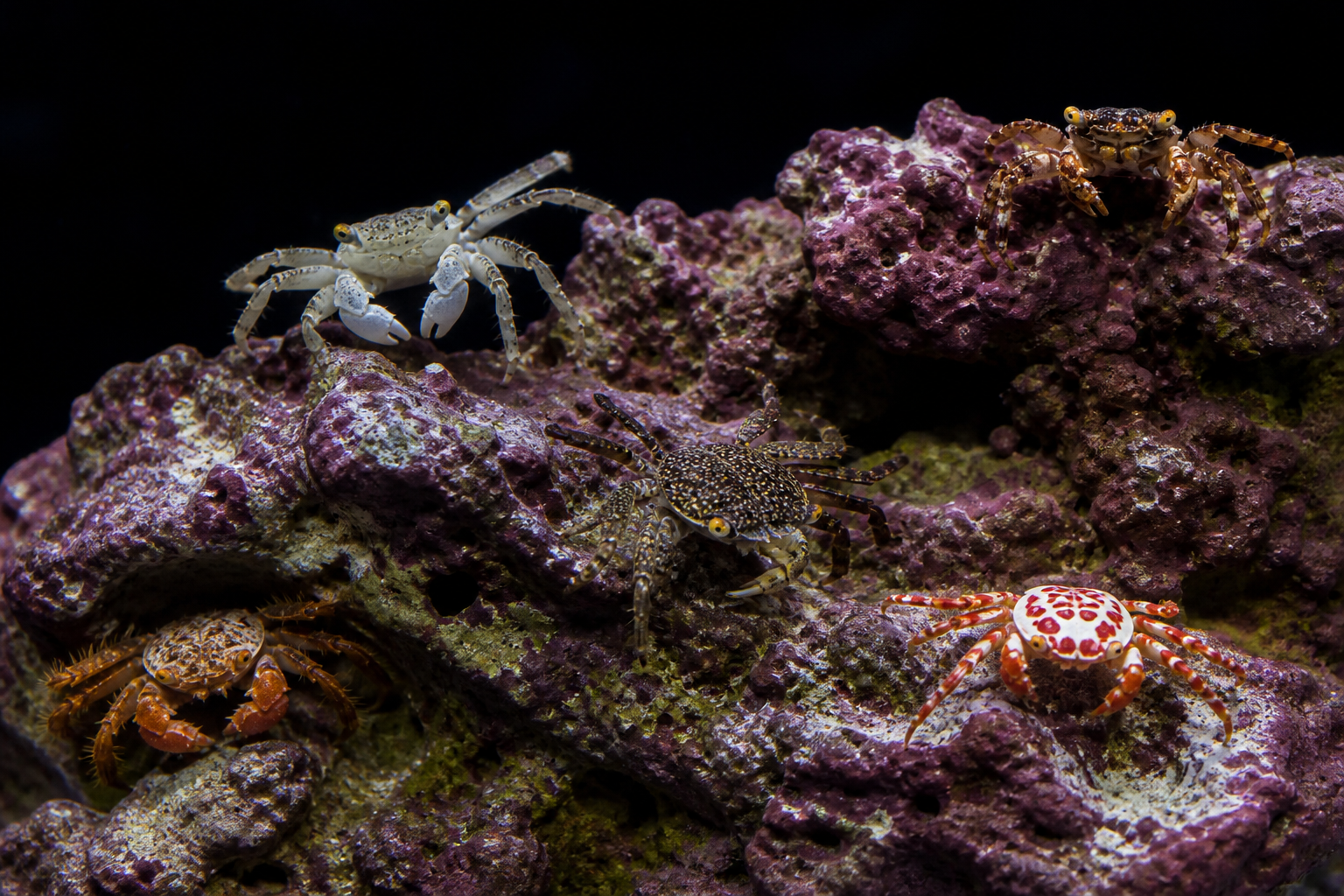
Gorilla Crabs
Gorilla/xanthid crabs are common hitchhikers that can become predators in reef tanks, often causing mystery snail and hermit losses. Because many are nocturnal and...
ARTICLE
Acropora Red Bugs (Tegastes acroporanus)
Acropora red bugs are tiny parasitic copepods that irritate Acropora, causing reduced polyp extension, dull color, and slowed growth. They spread easily via new...
 ARTICLE
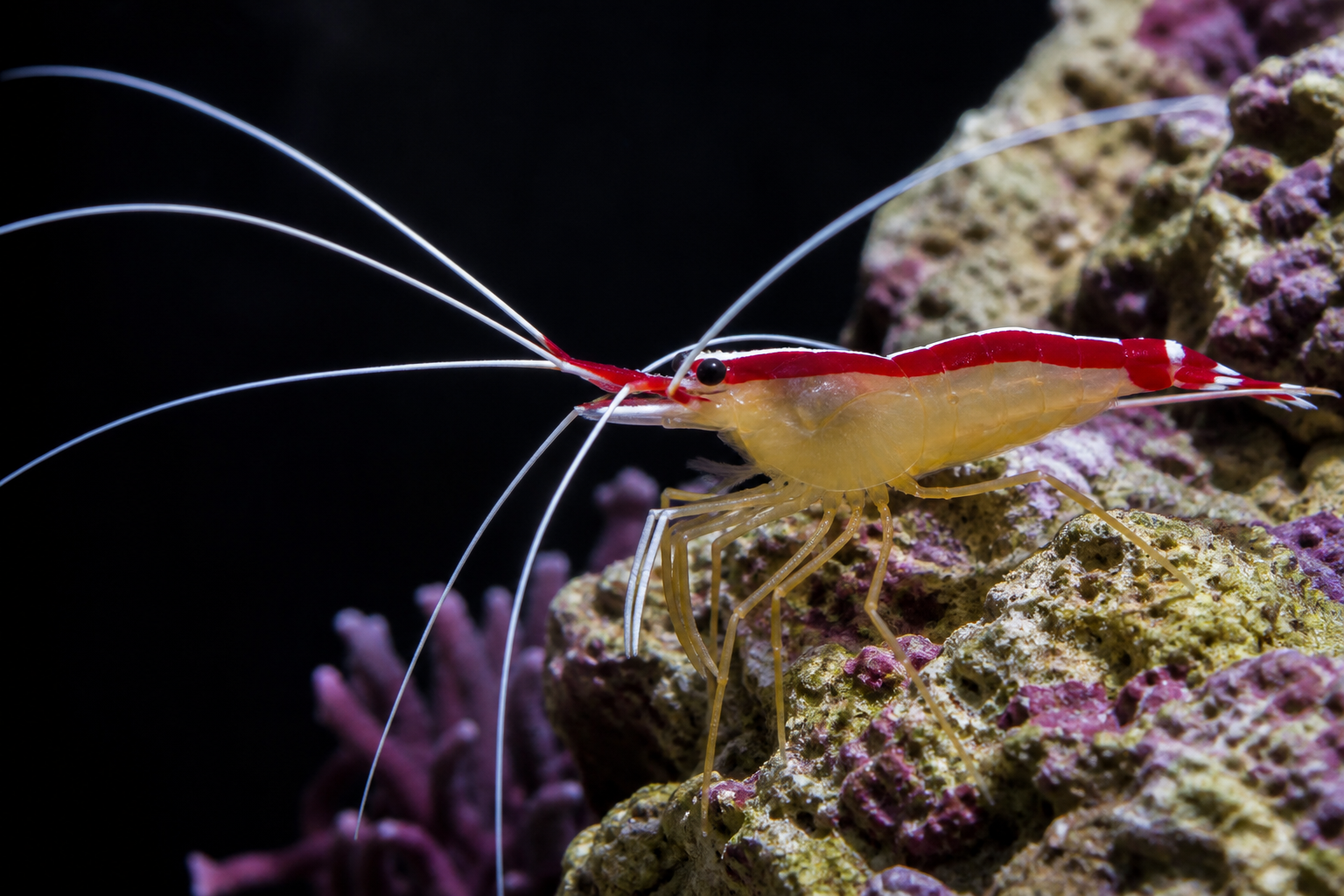
Mantis Shrimp (Stomatopoda)
Mantis shrimp are predatory hitchhikers that often reveal themselves through clicking sounds and disappearing snails or hermits. They’re fascinating animals, but not reef-safe in...
ARTICLE
Montipora-Eating Nudibranch (Phestilla subodiosus)
Montipora-eating nudibranchs are tiny coral predators that chew Montipora tissue, causing “nibbled” edges and scraped white bite patches. They hide on undersides and lay...
ARTICLE
Acropora-Eating Flatworm
AEFW are Acropora-specific flatworms that eat coral tissue, causing bite marks, poor polyp extension, and slow SPS decline. They spread mainly through unvetted Acropora...
ARTICLE
Red Planaria Flatworms
Red planaria are common nuisance flatworms that multiply quickly in low-flow, detritus-rich areas. Heavy infestations can shade and irritate corals, and large die-offs during...
ARTICLE
Vermetid Snails
Vermetid snails are tube-dwelling pests that spread on rock and frag plugs and feed with sticky mucus webs. Their webs can irritate corals and...
ARTICLE
Majano Anemone
Majano anemones are pest hitchhikers that can sting corals and spread quickly in reef tanks. Remove or control them early—once established, they’re difficult to...
ARTICLE
Aiptasia
Aiptasia are fast-spreading pest anemones that hitchhike into reef tanks and sting corals. Catch and control them early—once established, they’re difficult to eradicate.
 ARTICLE
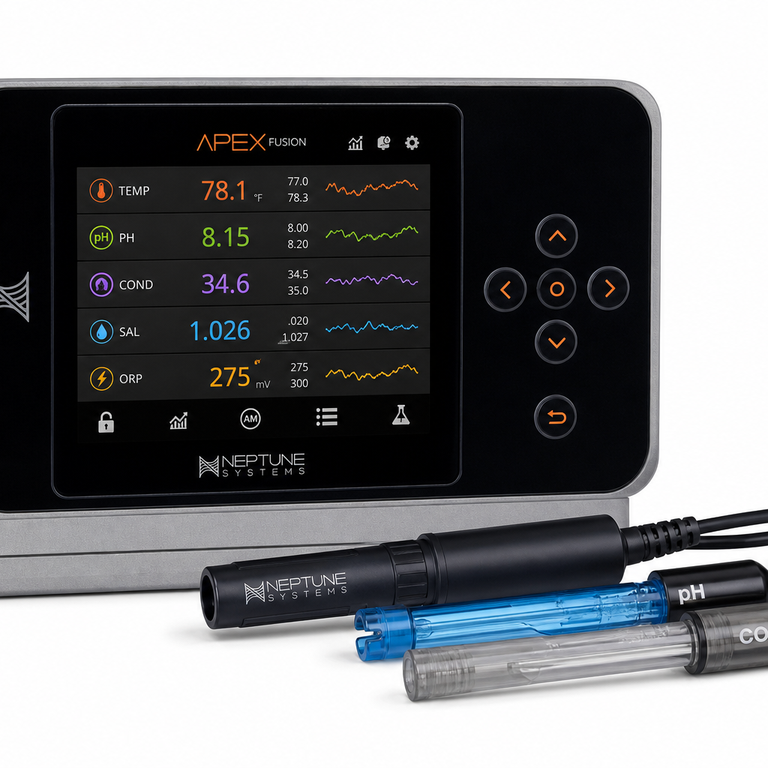
Aquarium Controllers
Aquarium controllers centralize monitoring and automation for reef systems, allowing reefkeepers to track parameters, control equipment, and respond to changes more consistently. Their real...